
Jueves, 1 de octubre de 2026



Agenda Pública in English
Manfredi and Carroll are engaged in a conversation about the future of U.S.-Spain relations.Mehmet Eser / Zuma Press / ContactoPhoto
por J. P. Carroll18 de marzo de 2026

J. P. Carroll, a National Security researcher and columnist for 'Agenda Pública,' interviews Professor of Journalism Juan Luis Manfredi during his recent trip to the U.S. Manfredi, who held the Prince of Asturias Chair at Georgetown University from 2021 to 2024, discusses transatlantic relations, Spain’s role in the world, and the impact of technologies such as AI and social media on public discourse.
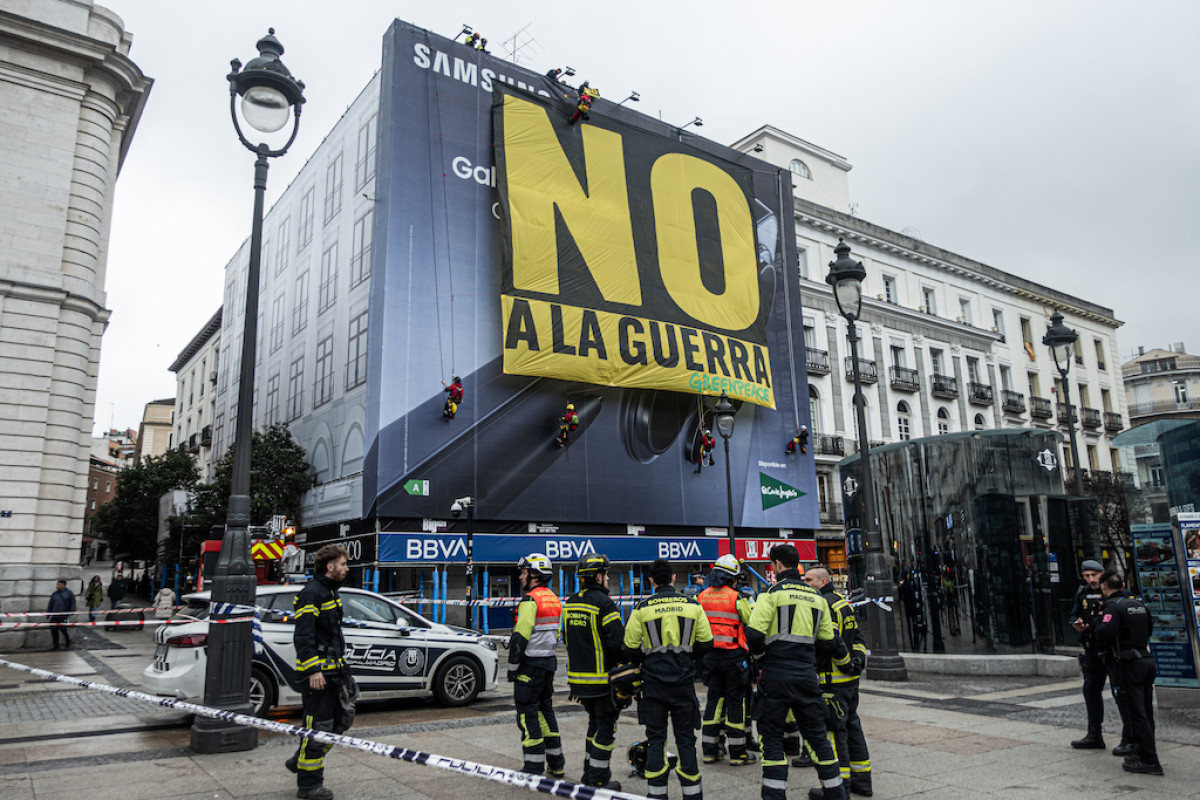
Greenpeace takes down a huge banner in Sol featuring the slogan 'No to war'.César Vallejo Rodríguez / Europa Press / ContactoPhoto
por Marc López Plana16 de marzo de 2026
"Foreign policy often requires complex decisions and international commitments that aren’t always easily translated into simple political messaging," says Marc López Plana, "but electoral politics rewards clarity and simplicity. Managing that tension is now one of the challenges of democratic politics." This week, the editor and director of 'Agenda Pública' examines how global instability and the return of war to the continent have made foreign policy a determining factor in electoral competitions.
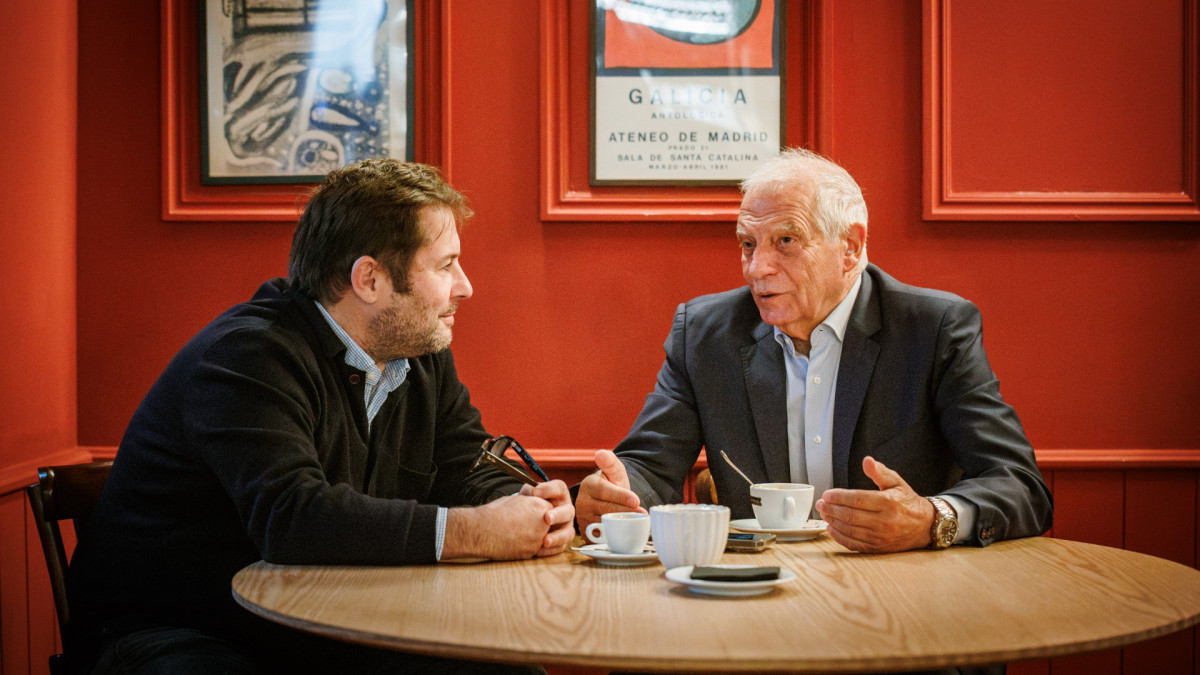
Josep Borrell, President of CIDOB, and Marc López Plana, director and editor of 'Agenda Pública, in Madrid.Agenda Pública / Tania Sieira
por Marc López Plana15 de marzo de 2026
Is the EU project doomed to geopolitical irrelevance? Josep Borrell, president of CIDOB and former High Representative of the EU, explains to Marc López Plana, editor and director of 'Agenda Pública', that "the European Union wasn’t conceived for today’s world." In the face of international challenges – from the wars in Iran and Ukraine to the Trump administration – Borrell argues that the continent’s political survival will require a profound reset and an abandonment of institutional paralysis.
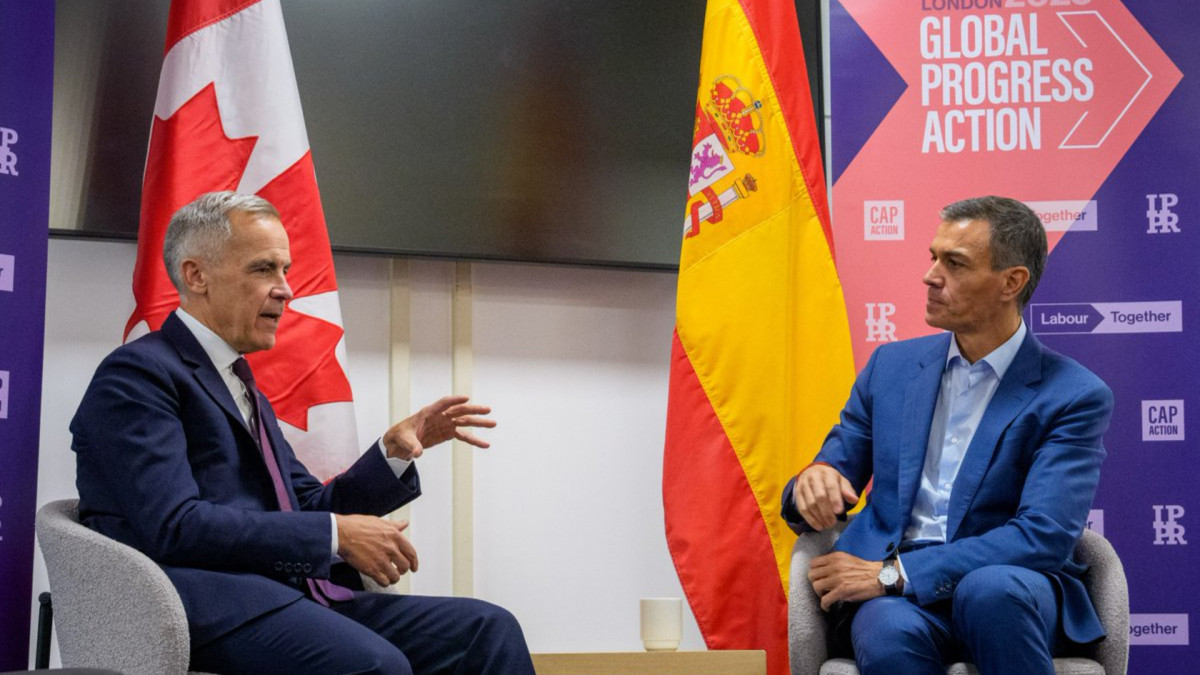
Canadian Prime Minister Mark Carney (left), alongside Spanish Prime Minister Pedro Sánchez.Mark Carney’s social media
por Antonio Tintoré Vicent12 de marzo de 2026
.png)
Faced with a global landscape dominated by unilateralism, Spain must urgently embrace its role as a "middle power." Antonio Tintoré, research assistant at the Center for Strategic and International Studies (CSIS) in Washington, D.C., argues that it is necessary to forge a "third way" that escapes rivalry between blocs. To avoid being left at the mercy of a "world of carnivores," Madrid needs to lead European integration, strengthen economic competitiveness, and advance genuine strategic autonomy.
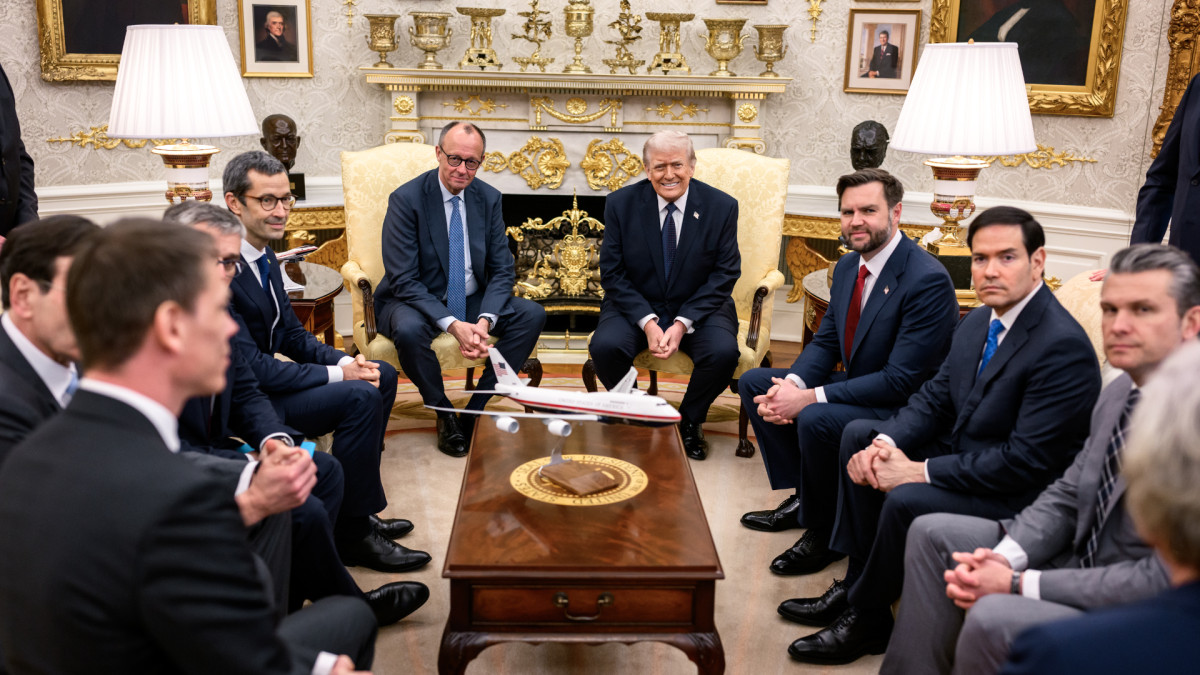
U.S. President Donald Trump had harsh words for Spain during German Chancellor Friedrich Merz's visit.White House / Daniel Torok
por J. P. Carroll11 de marzo de 2026
'Agenda Pública' "Firmas Top" Columnist J.P. Carroll recently gathered the reactions of American and Spanish policy analysts and experts on President Trump’s recent remarks from the Oval Office about Spain, wherein he indicated a willingness to cut off trade ties. Reactions varied, but broadly highlighted the difference between the President’s rhetoric and his follow-up actions.
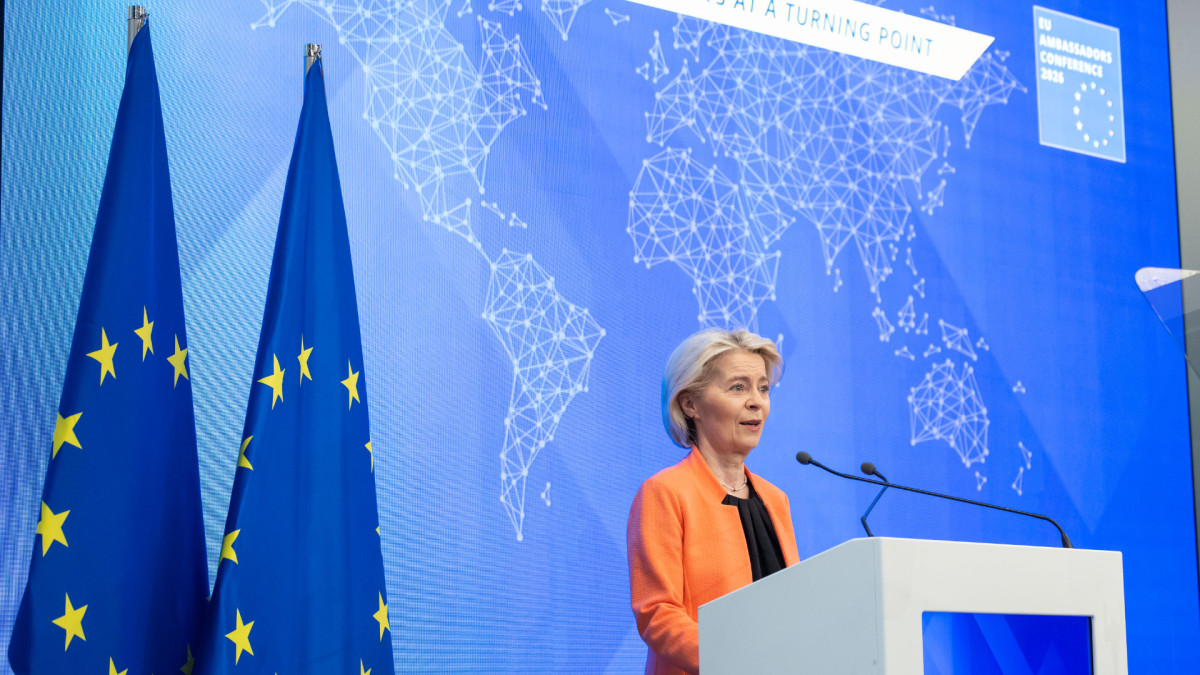
The President of the European Commission, Ursula von der Leyen, during her speech at the Ambassadors’ Conference on 9 March.European Commission Audiovisual Service / Aurore Martignoni
por Marc López Plana10 de marzo de 2026
The European Union is undergoing a profound identity crisis as the 'rules-based global order' is being threatened by its own allies. Marc López Plana, director and editor of 'Agenda Pública', warns that submission to Washington weakens the continent as a 'normative power'. Given yesterday’s speech by Ursula von der Leyen renouncing a significant part of that rules-based world, 20 social democratic MEPs from Spain have emerged as a counterweight to the European Commission.
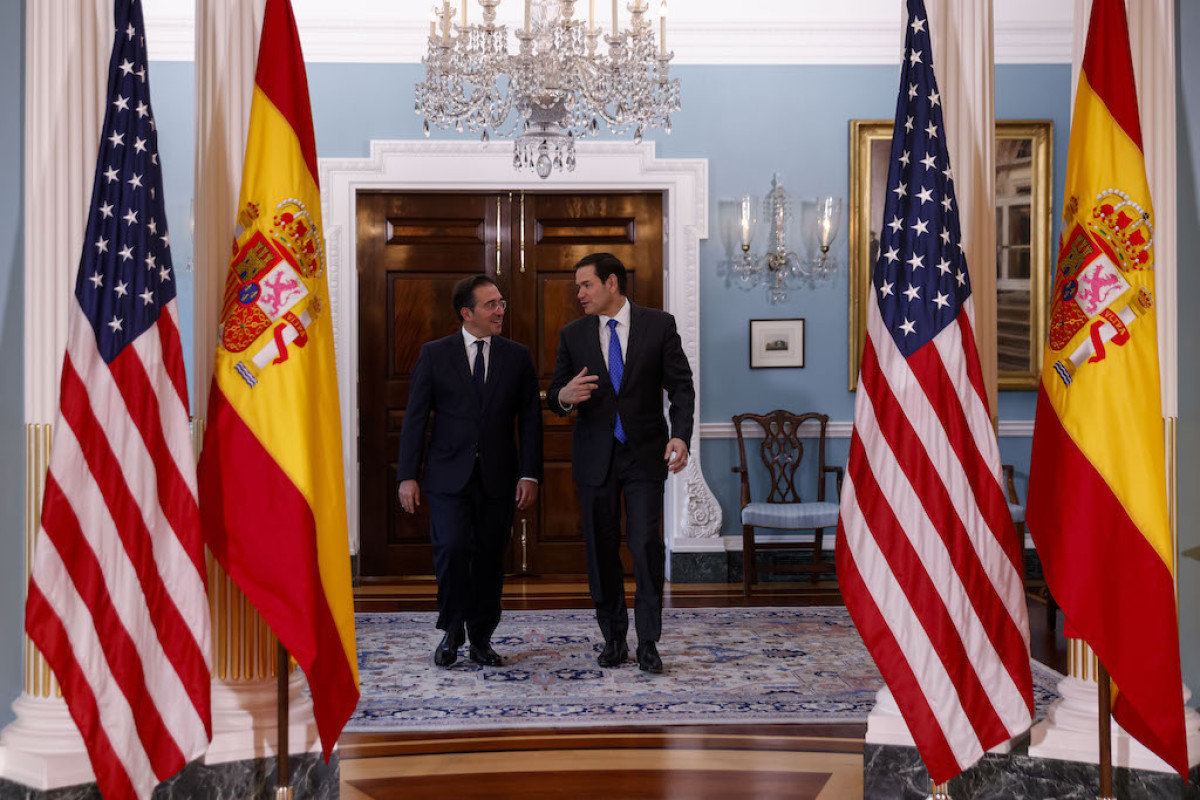
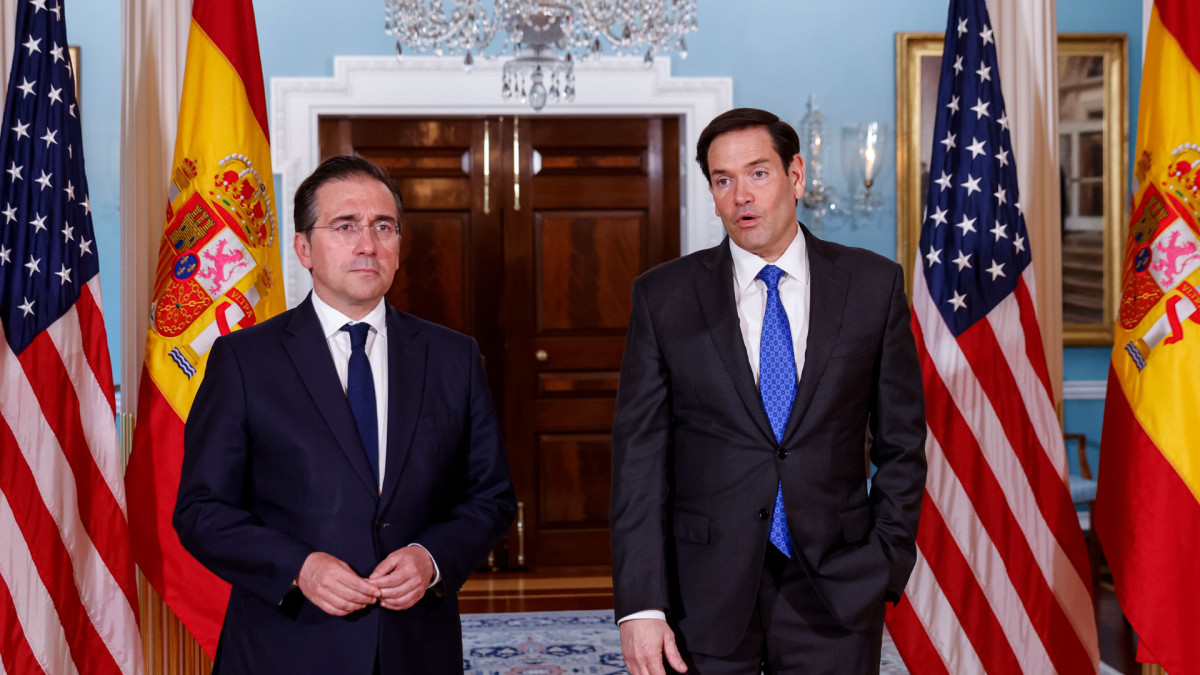
Marco Rubio meets with José Manuel Albares, Spain’s Minister of Foreign Affairs.Mehmet Eser / Zuma Press / ContactoPhoto
por Marc López Plana9 de marzo de 2026
The death of 'old Atlanticism' and the birth of strategic patience. While Europe oscillates between alarm and nostalgia in the face of Donald Trump, economic reality is handing down its own sentence: our allies are no longer the ‘old Atlanticists’ we once knew. In this installment of 'La Brújula Europea,' Marc López Plana, editor and director of 'Agenda Pública,' reflects on how Spain is playing the game of 'transatlantic capitalism.' Is the country prepared for an asymmetrical relationship that requires knowing how to say 'no' without putting 600,000 jobs at risk?
-1920x1080.jpg)
Jonás Fernández, Antonio López-Istúriz, Hana Jalloul, and Javi López, MEPs and members of the 'Agenda Pública EU' section. © European Parliament
7 de marzo de 2026
The clash between Washington and Madrid has implications that transcend bilateral relations. In the wake of trade-related threats, and with strategic autonomy on the agenda, the European Union is also a key player in addressing current differences and their potential consequences. In this discussion, four MEPs who are contributors to Agenda Pública EU offer their perspectives on this charged moment in the transatlantic relationship between the United States and Spain.
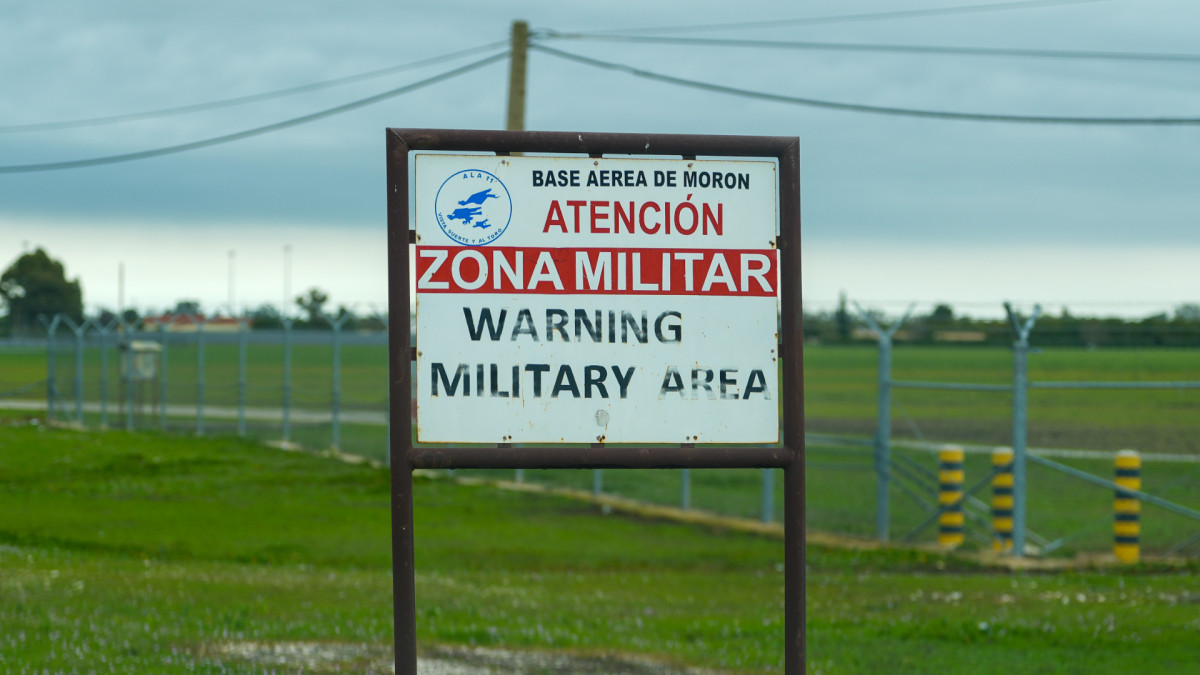
Sign at Morón Air Base (Andalusia)Eduardo Briones / Europa Press / ContactoPhoto
por Javi López5 de marzo de 2026
Will Europe wake up in time, or will it keep reacting to international crises like someone who’s just realized their house is on fire? Faced with Donald Trump’s threat to cut off trade with Spain for refusing to endorse his preemptive war, Javi López, Vice-President of the European Parliament, dissects the "vassal-worthy cooperation" of leaders like German Chancellor Merz and warns that the pillars of the European project won’t survive if Brussels tolerates economic blackmail from Washington against a Member State.
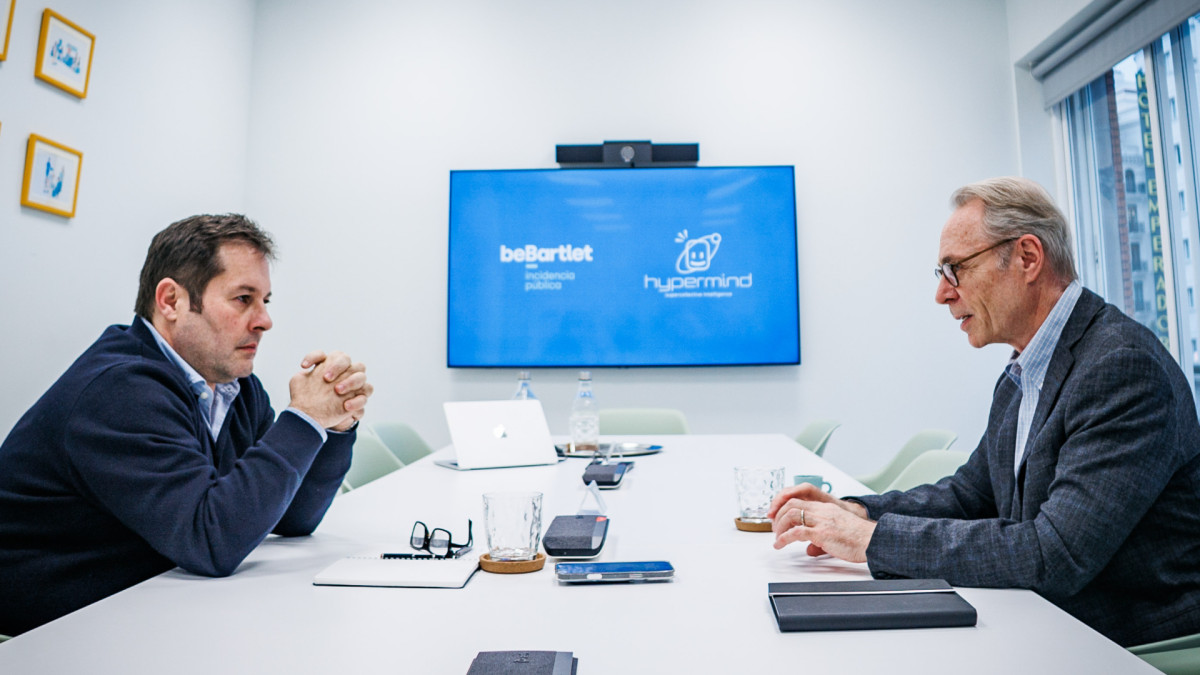
Marc López Plana (left) interviews Hypermind CEO Emile Servan-Schreiber at beBartlet’s headquarters in Madrid.Agenda Pública / Tania Sieira
5 de marzo de 2026
The CIA discovered many years ago that a diverse crowd could match the accuracy of its best analysts with far fewer resources. Today, prediction markets are used to answer questions about the economics of war or the impact of missiles in Ukraine. Can a betting platform predict the next major electoral upset better than the experts? We explore it with Emile Servan-Schreiber, founder of Hypermind, Europe’s leading collective-intelligence tool, in an in-depth conversation in 'Agenda Pública'.
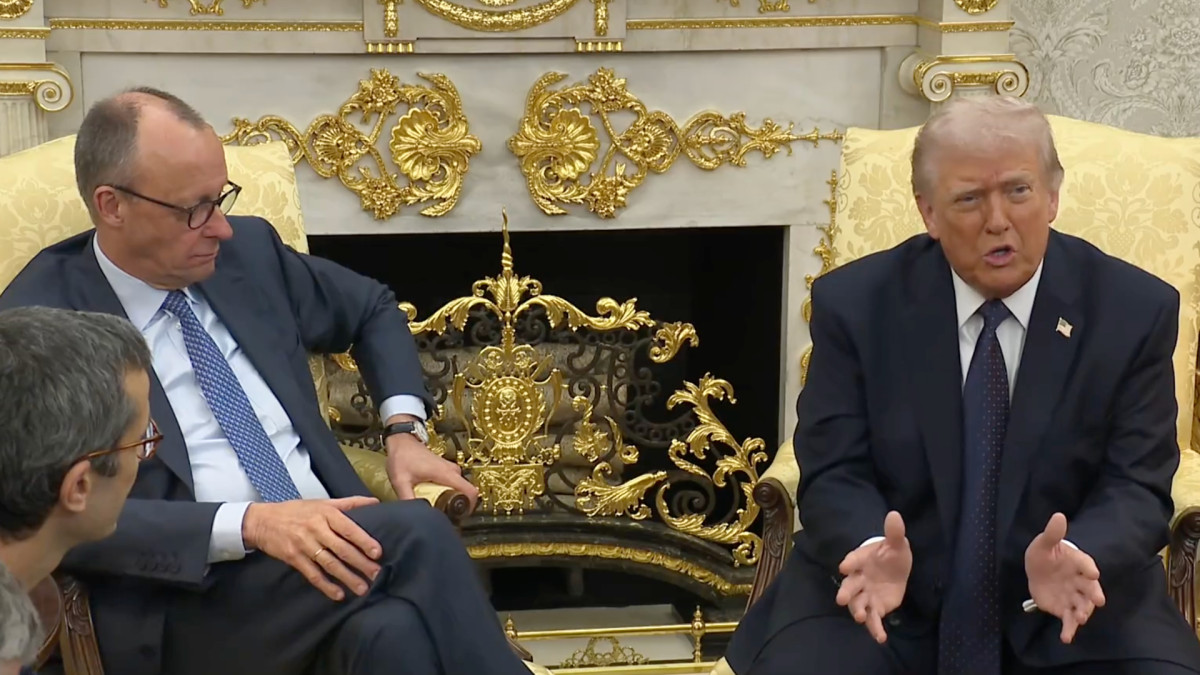
German Chancellor Friedrich Merz with Donald Trump at the White House, discussing Spain's position on Iran.White House social media
por Marc López Plana4 de marzo de 2026
What’s the difference between being a strategic ally and acting in the service of a foreign power? Although Donald Trump has accused Madrid of 'disloyalty', Spain’s refusal to permit the U.S. to attack Iran from the bases at Rota and Morón transcends the usual squabbles and threats of a trade embargo. In this edition of 'Brújula Europea' editor and director of 'Agenda Pública' Marc López Plana explains why putting the brakes on this unilateral offensive amounts to a defense of Spanish sovereignty.
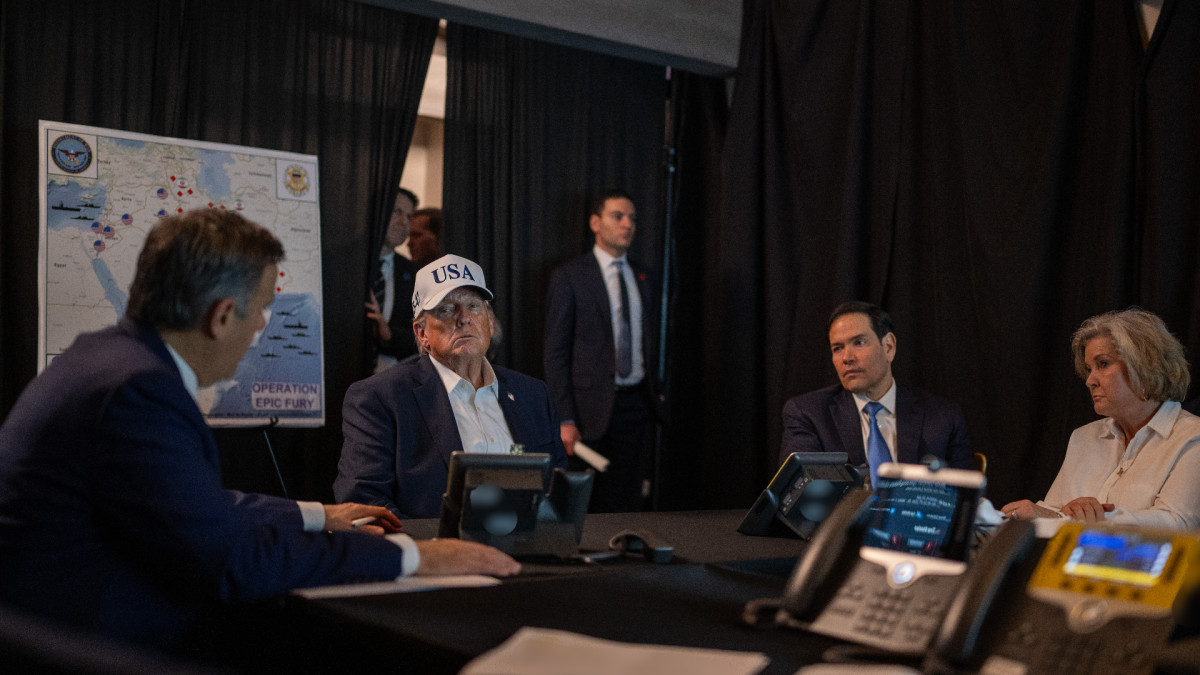
President Donald Trump oversaw the US operation in Iran from his residence in Florida.White House / Daniel Torok
por J. P. Carroll4 de marzo de 2026
With Supreme Leader Ali Khamenei and the military leadership defeated, the United States and Israel have decimated the Iranian regime in just a few days. In this analysis, National Security researcher J.P. Carroll brings together several experts to explore the consequences of the offensive. As the US Congress threatens to limit Donald Trump's flexibility, the world waits for the outcome of this episode of escalation in the Middle East.
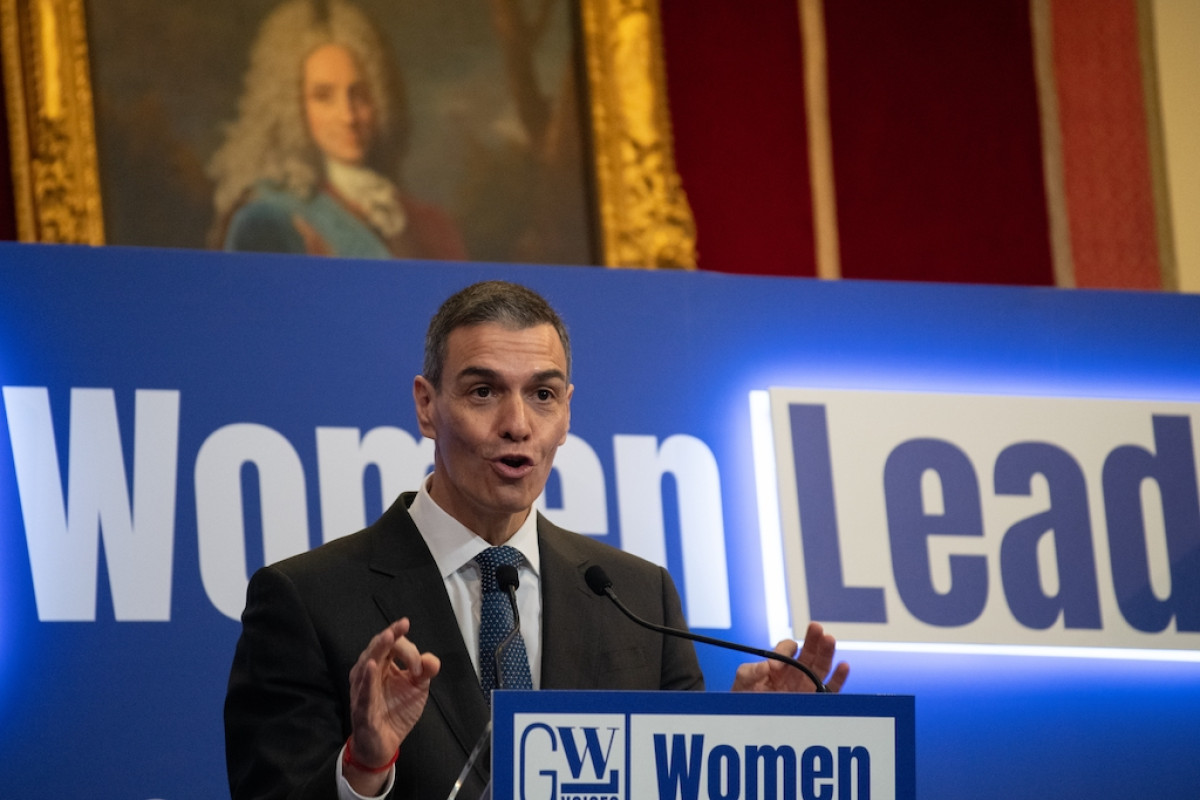
Pedro Sánchez speaks at the 'Women leading the UN in the 21st century' conference.Fernando Sánchez / Europa Press / ContactoPhoto
por Marc López Plana2 de marzo de 2026
"The West is dead" – or at least the illusion of a stable liberal order has expired. On the new chessboard of faits accomplis, Pedro Sánchez’s decision to cling to international legality in the face of crises such as the attack on Iran is seen by some as coherence and by others as naïvety. However, for a 'middle power' like Spain, the law "isn’t only ethical – it’s also infrastructural." Is Spain risking irrelevance due to a lack of pragmatism, or would ambiguity lead to a worse trap? In this week’s column, 'Agenda Pública' editor and director Marc López Plana explores this dilemma of Spanish foreign policy.
-1920x1080.jpg)
Jeremy Cliffe interviews Cathryn Clüver Ashbrook, author of 'The American Wake-Up Call' at the MSC 2026.Agenda Pública
por Jeremy Cliffe1 de marzo de 2026

Is Europe prepared for the shockwave of democratic dismantling in the United States? In her new book The American Wake-Up Call, the German political scientist Cathryn Clüver Ashbrook warns in Agenda Pública that the current institutional erosion in Washington is not an accident, but a deliberate strategy of "systemic destruction." In an interview conducted in the context of the Munich Security Conference, and with a European radical right already acting as "strategic putty" for the MAGA movement, the author delivers an unmistakable warning to the Old Continent: "stop being so reactive" and safeguard your institutions.
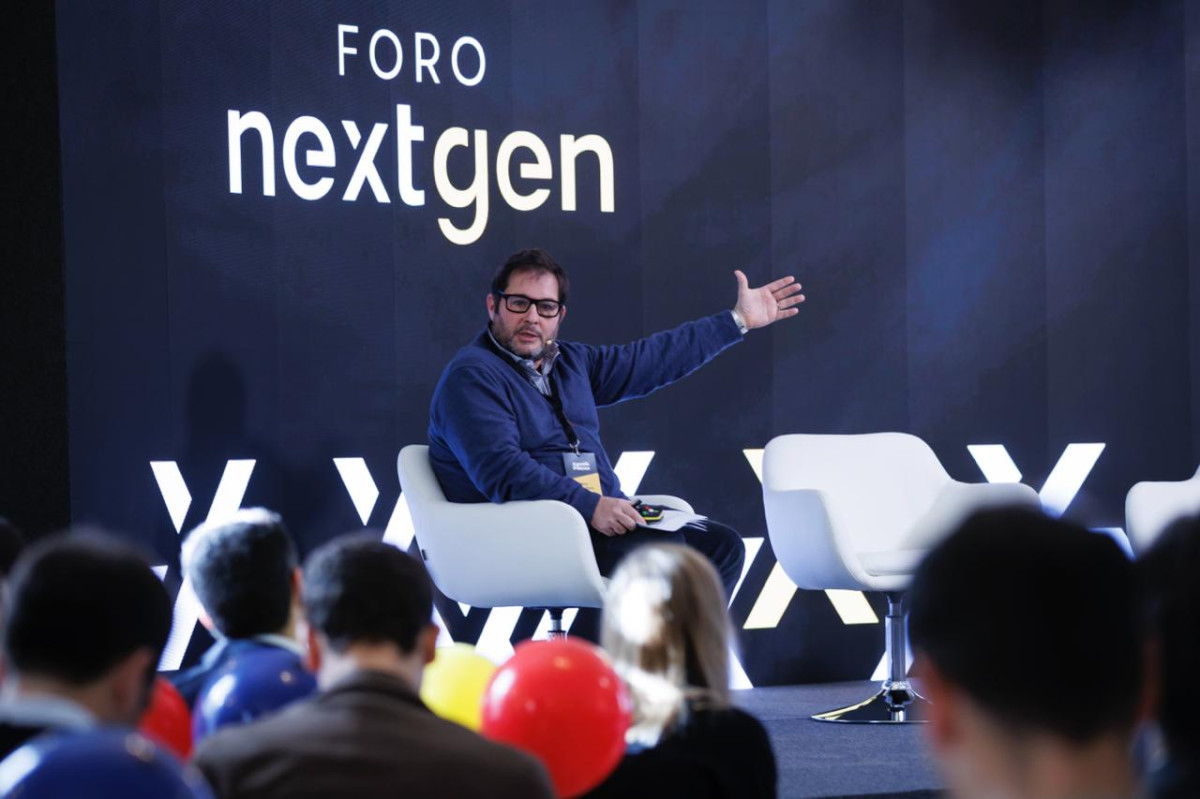
Marc López Plana, editor and director of 'Agenda Pública', during his speech at the Next Gen Forum.Agenda Pública / Álex Cámara
por Marc López Plana24 de febrero de 2026
'Agenda Pública' and TALEÑTO ESPAÑA teamed up to organize the first 'Next Gen Forum', an annual meeting of leaders from the Millennial and Z generations, held in Granada. Many political and business leaders born under democracy met for two days to advance diagnoses and to highlight discrepancies. At the opening session, Marc López Plana, editor and director of Agenda Pública, noted that "within this room are people who will lead Spain into the future, across diverse fields; so far as we know, the first woman President of the Government might be among us today." The following letter is addressed to that woman.
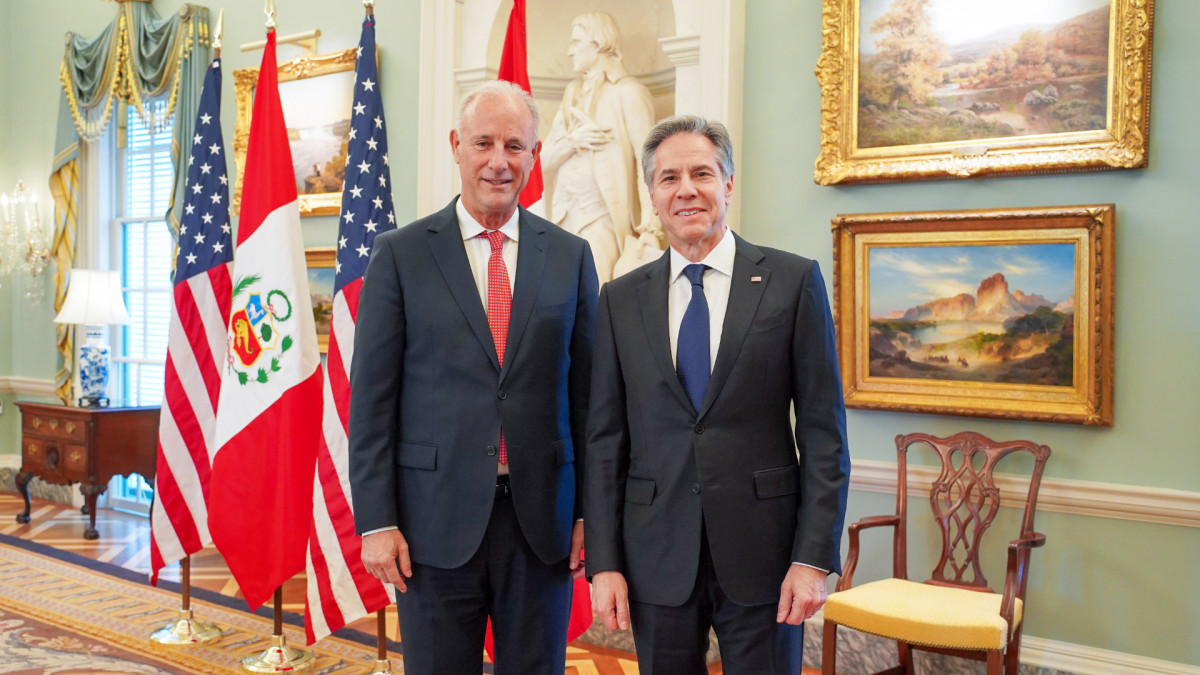
Former Foreign Secretary, Javier González-Olaechea (left), held a meeting with the Secretary of State of the United States of America, Antony Blinken (2024).Cancillería del Perú.
por J. P. Carroll18 de febrero de 2026
With Peru’s elections just a few months away, National Security researcher J. P. Carroll interviews former Peruvian Foreign Minister Javier González-Olaechea Franco. In his view, Nicolás Maduro’s capture amounts to "an irrefutable victory" for "the Venezuelan people, and all the leaders who fought and achieved an irrefutable victory." Regarding the United States he argues that "Washington understands that we are a very important political and economic bastion in South America and in the Pacific."
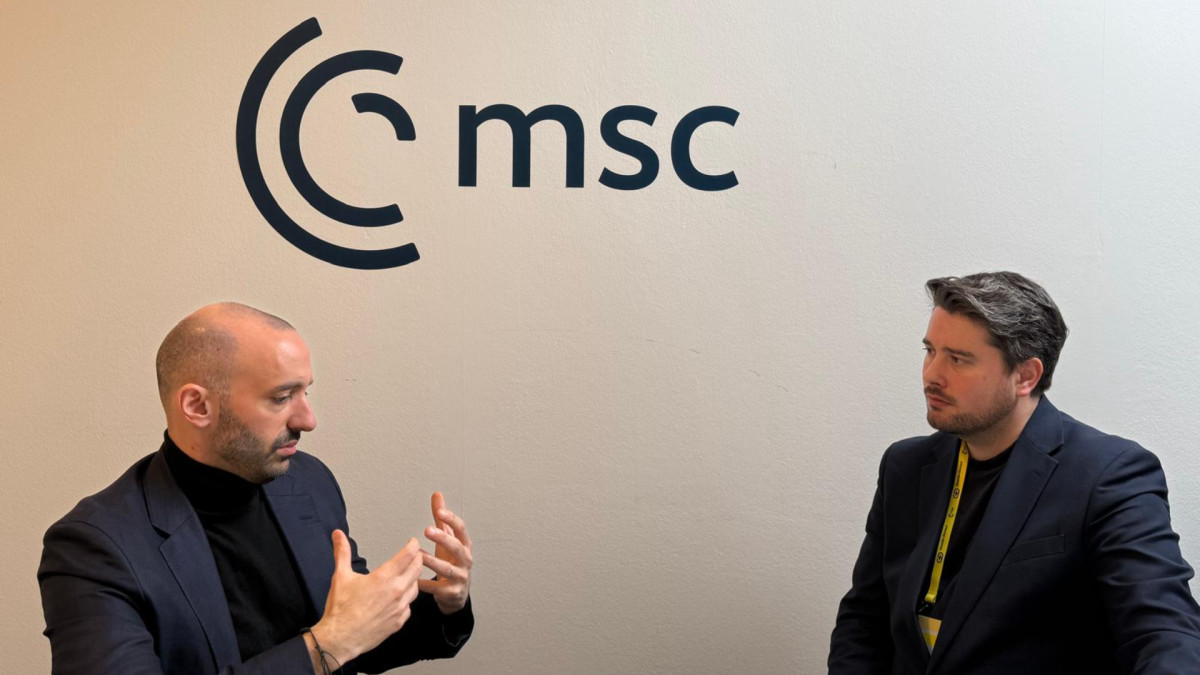
French minister delegate Benjamin Haddad (left) talks with Jeremy Cliffe (right) at the Munich Security Conference.Agenda Pública
por Jeremy Cliffe16 de febrero de 2026
Benjamin Haddad, France’s minister delegate for Europe, speaks in depth with Jeremy Cliffe for 'Agenda Pública'. From the Munich Security Conference, Haddad argues that "European sovereignty depends on its ability to act as a coercive power if necessary", proposes a capital-markets alliance with Germany, Italy and Spain, warns that "there is no reason for joint debt issuance to be taboo", and concludes that "honesty must be backed by strength and power". "Let us rise as a power," he says, and Europe will have "a much more mature and balanced transatlantic relationship."
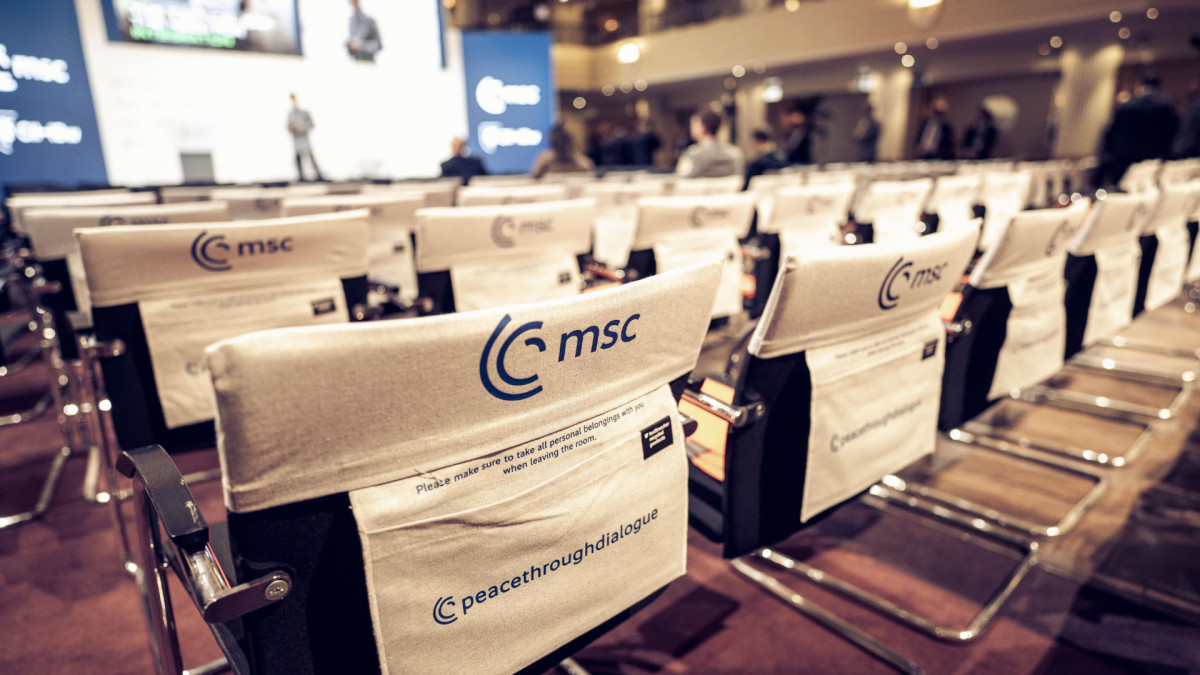
The evening before MSC 2026.MSC / Preiss
por Jeremy Cliffe15 de febrero de 2026
Jeremy Cliffe, columnist at 'Agenda Pública' and editorial director at the European Council on Foreign Relations, reports from the 2026 Munich Security Conference on a "good" transatlantic divorce: for the first time, the US and Europe state their differences frankly. Rubio frames his speech around cultural heritage; Macron, Merz, von der Leyen and Sánchez around defence and values. Cliffe highlights Europe’s push for eurobonds, coalitions of the willing and industrial preference to strengthen sovereignty and inject momentum into economic integration.
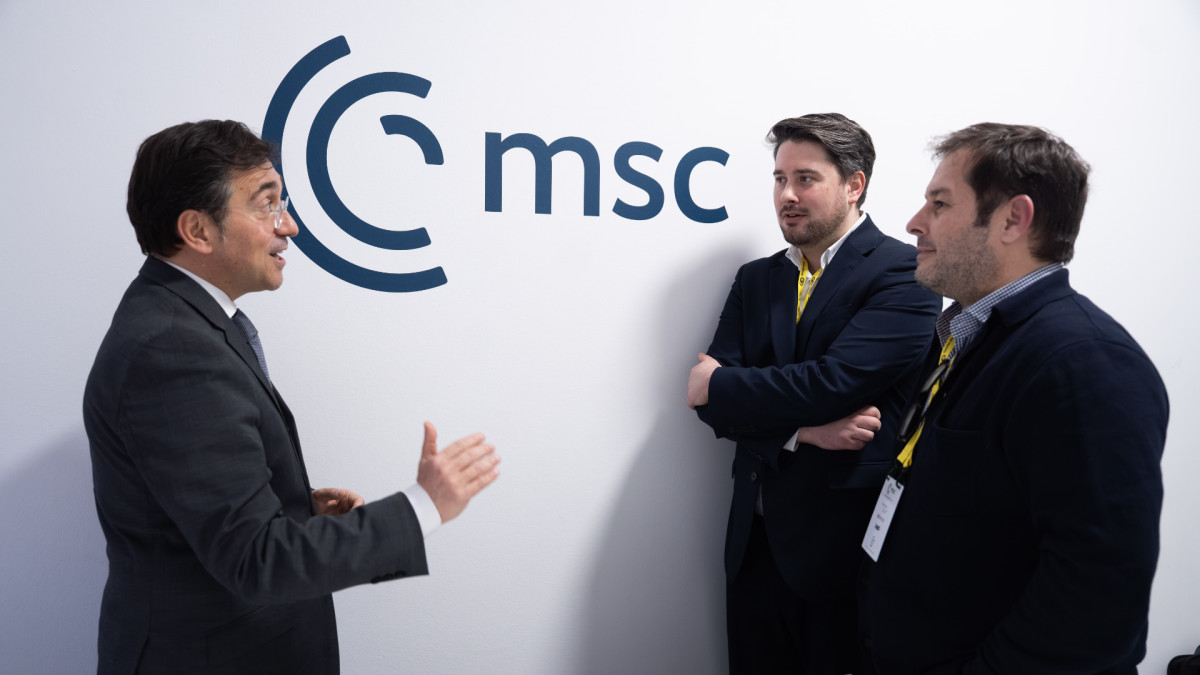
Spanish Foreign Minister José Manuel Albares (left), alongside ECFR editorial director Jeremy Cliffe (center), and the director and editor of 'Agenda Pública', Marc López Plana.Ministry of Foreign Affairs / Saioa Hermosa
por Jeremy Cliffe15 de febrero de 2026
Spanish Foreign Minister José Manuel Albares points out from the Munich Security Conference that "sovereignty means being free from trade coercion, from the threat of the use of force, and also achieving digital sovereignty". Jeremy Cliffe talks in depth for 'Agenda Pública' with the Spanish minister, who claims Spain's foreign policy is based on "humanist values versus an authoritarian vision of the world".
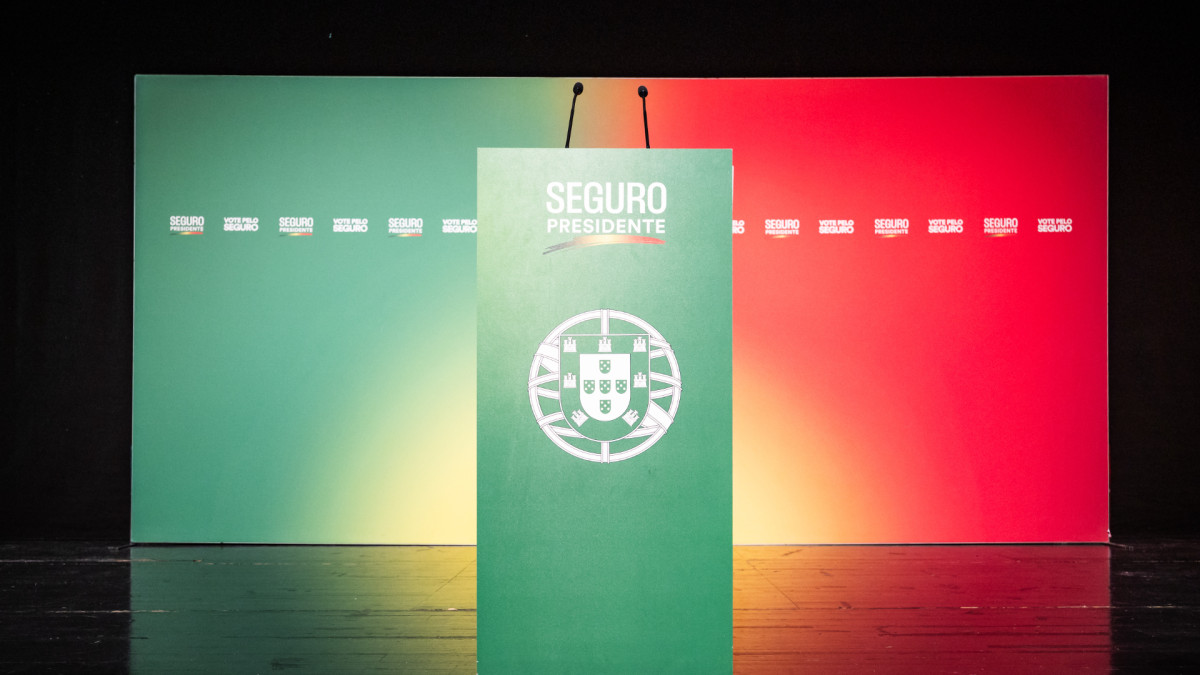
The lectern at candidate José António Seguro’s victory-night event after the first round of the presidential election.Henrique Casinhas / Zuma Press / ContactoPhoto
por Frederico Ferreira da Silva9 de febrero de 2026

"A low-profile moderate perceived as a consensus builder": this is António José Seguro, Portugal’s new social-democratic president. Frederico Ferreira, a researcher at the Institute of Social Sciences of the University of Lisbon, offers a post-election analysis of a presidential race in which, although Chega’s radical right has lost, its candidate André Ventura is "claiming to now lead the right" and "he aims for Prime-Minister".
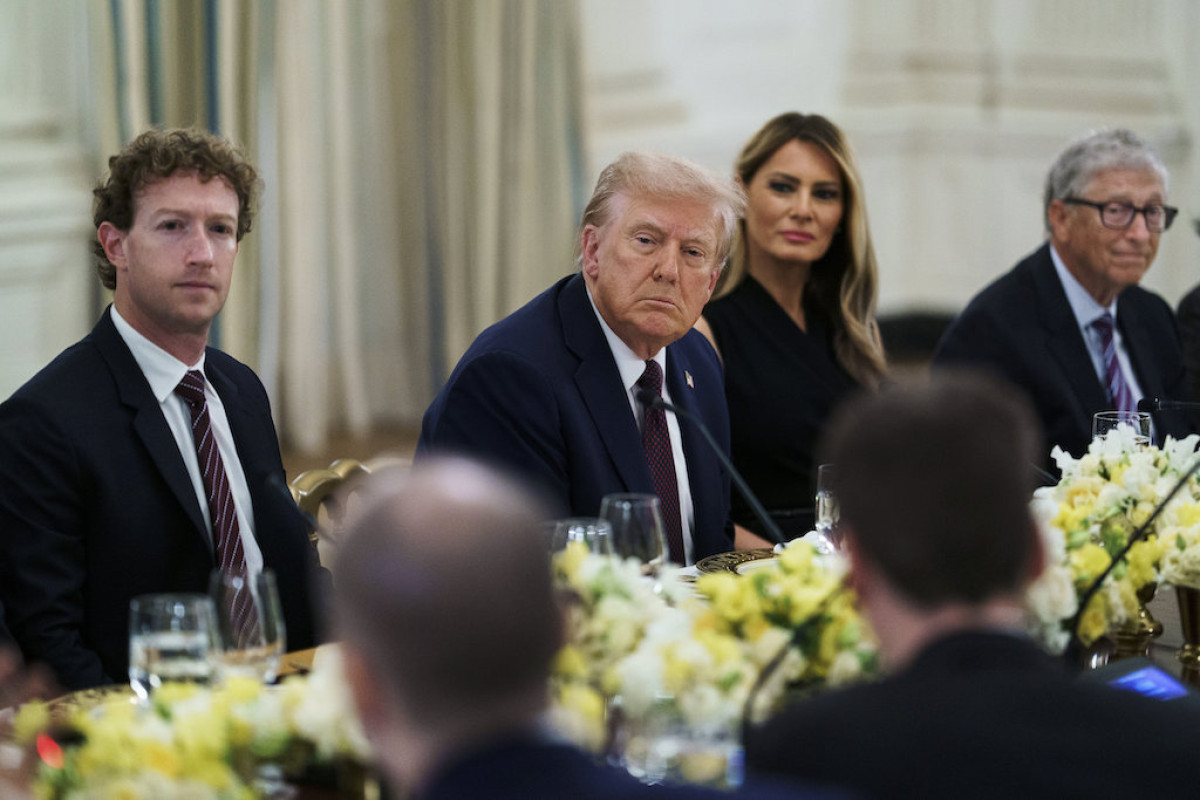
Trump hosts a White House dinner for executives of big tech companies.Will Oliver - Pool via CNP / Zuma Press / ContactoPhoto
por Marc López Plana9 de febrero de 2026
Marc López Plana, director and editor of 'Agenda Pública', warns in his weekly column about Silicon Valley’s miscalculation: allying itself with Trumpism against EU regulation. Betting on political volatility rather than Europe’s institutional stability is strategic suicide. Tech companies need to understand that the regulatory predictability of Brussels offers something that Trump cannot: long-term legitimacy and legal certainty.
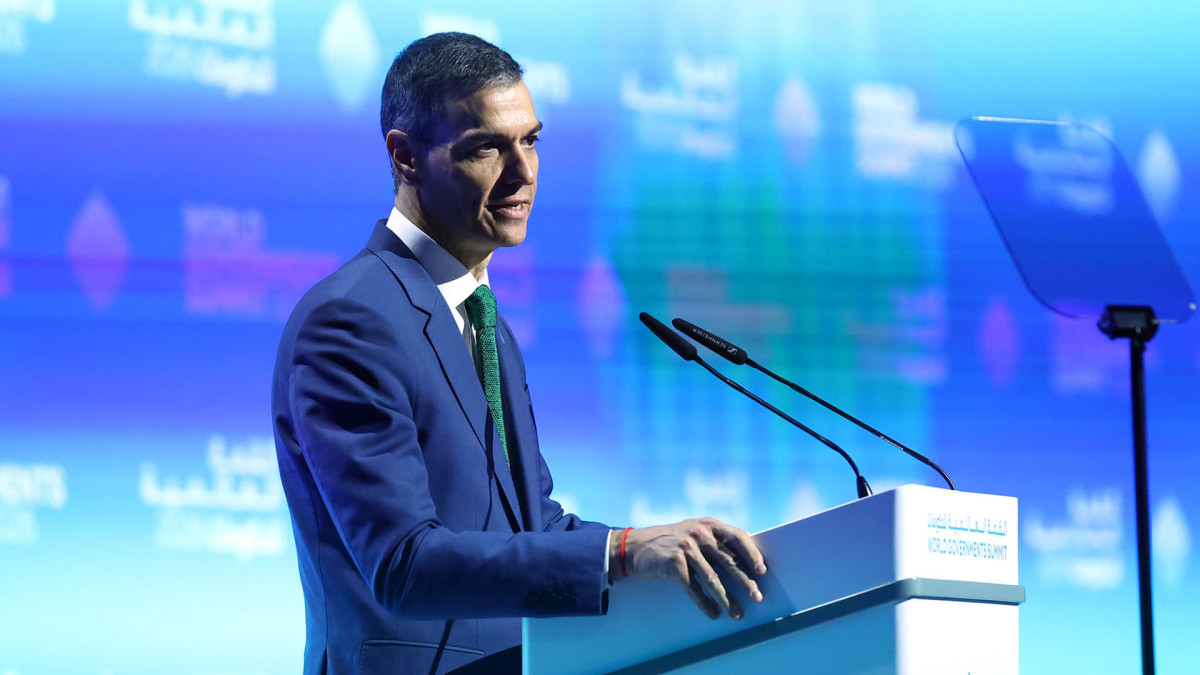
Pedro Sánchez announces in Dubai a measure to ban the use of social networks by minors under age 16Pool Moncloa / Fernando Calvo
4 de febrero de 2026
The new initiative from Pedro Sánchez to restrict access to social networks for minors under age 16 goes beyond child protection: it’s an attempt to reclaim regulatory power from global platforms that operate outside of European control. Strategic autonomy isn’t only about infrastructure or data but the political capacity to impose limits on those who dominate the digital ecosystem.
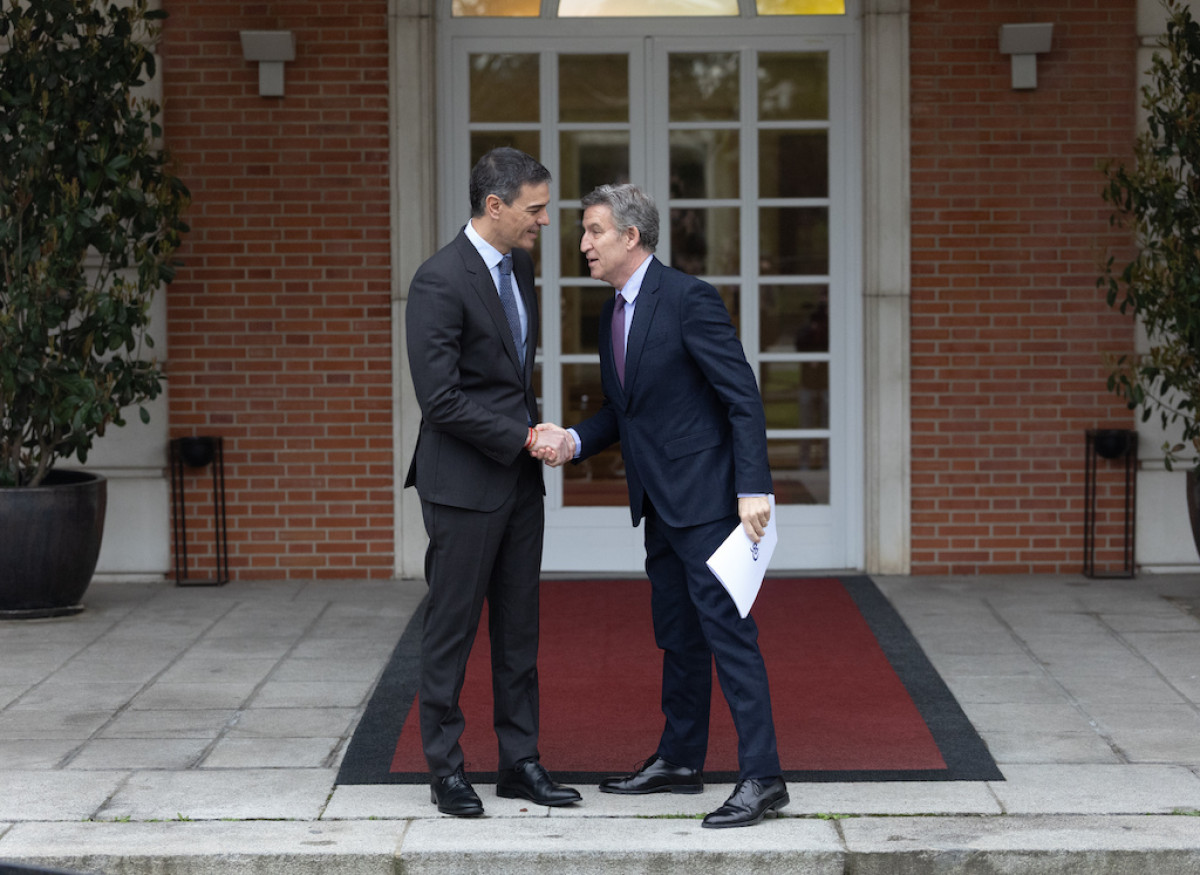
President of the Government Pedro Sánchez (l) receives Alberto Núñez Feijóo (r), president of the Popular Party, at Moncloa Palace.Eduardo Parra / Europa Press / ContactoPhoto
por Marc López Plana2 de febrero de 2026
Even as Germany flirts with stagnation, Spain has established itself as the unexpected engine of the European Union. But that macroeconomic success conceals a dangerous point of friction: the inability of Spain’s political system to manage growth. Marc López Plana, editor and director of 'Agenda Pública', warns in this week’s 'Brújula Europea' that the lack of structural consensus between the PSOE and PP on housing, immigration, regional financing, and infrastructure is not only a problem of management, but a fertile breeding ground for populism.
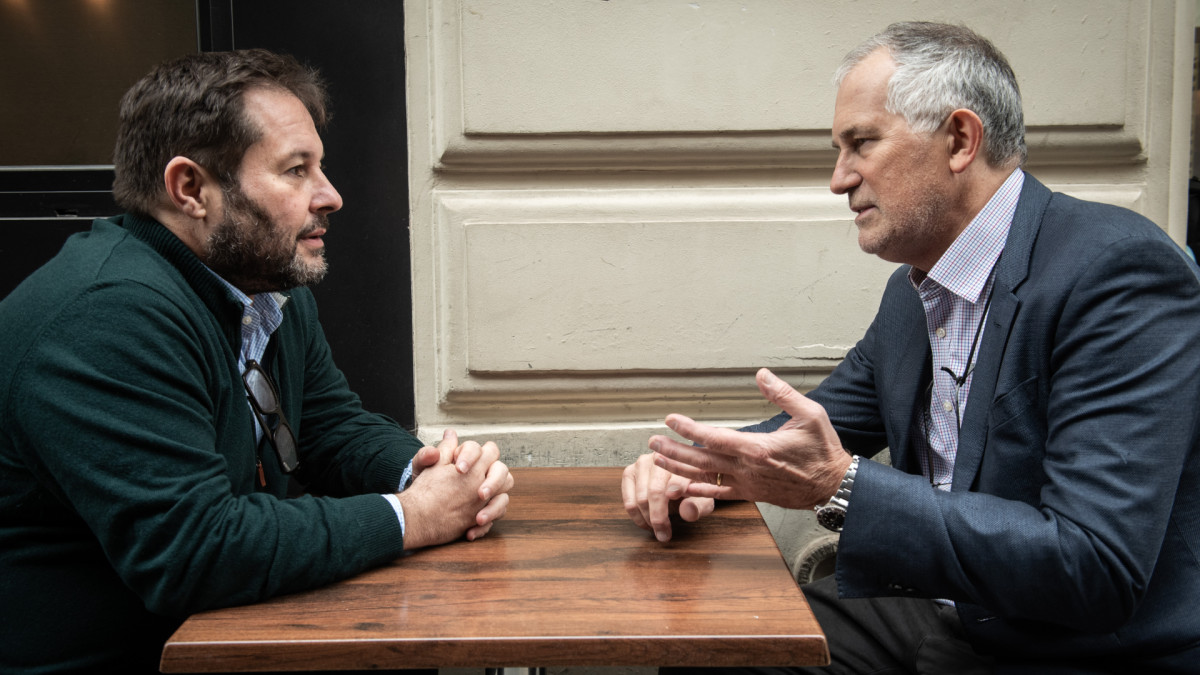
Writer Victor Mallet (right) and Marc López Plana (left), director and editor of Agenda Pública, converse in Paris.Agenda Pública / Bruno Arbesu
por Marc López Plana1 de febrero de 2026
"They have pretended they do not want to leave, claiming they are willing to stay, but only if the EU changes fundamentally." In a conversation with Marc López Plana, Editor and Director of 'Agenda Pública', the 'Financial Times' senior editor and former Paris Bureau Chief, Victor Mallet, warns that "there are two ways to leave: exiting the existing institution, or staying in an institution so transformed that the effect is the same." His diagnosis serves as a red alert for Brussels: the arrival of the RN at the Élysée would not only transform the Republic but would "mortally weaken" the European Union. Is Europe prepared for its central pillar to cease being liberal-democratic?
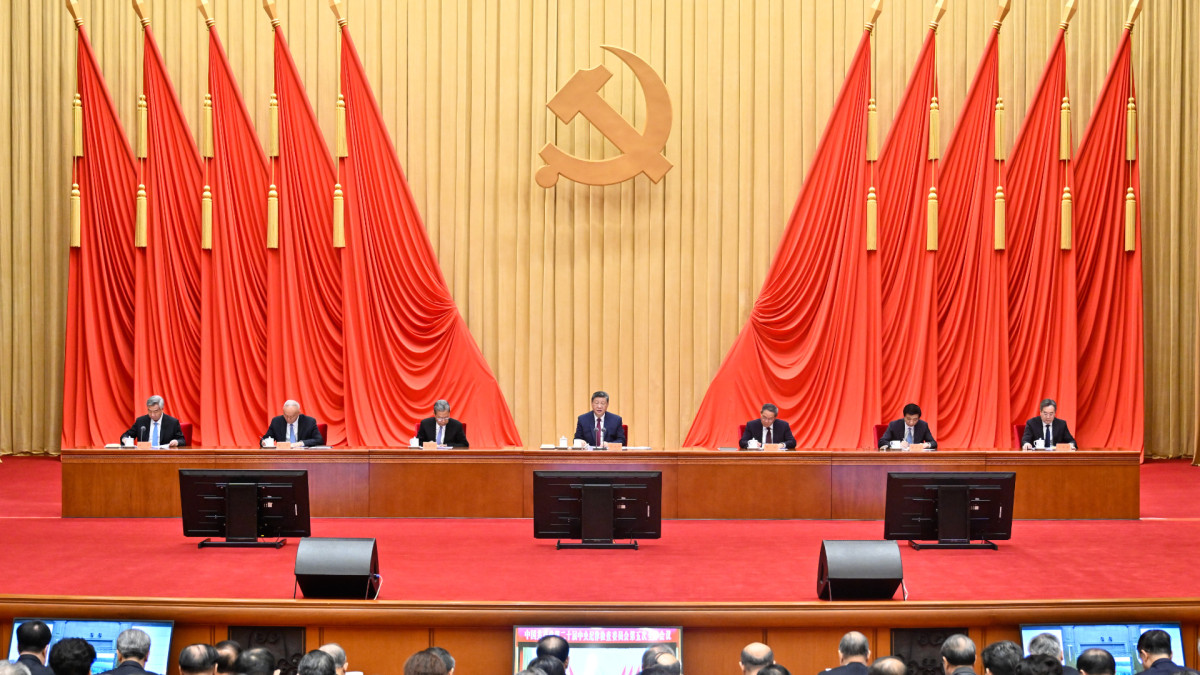
CCP General Secretary and Chinese President Xi Jinping at a Party plenary session.Yue Yuewei / Xinhua News / ContactoPhoto
por Marc López Plana27 de enero de 2026
Cracks have appeared in the Chinese Communist Party’s internal apparatus, and Xi Jinping seems determined to wipe them out. Marc López Plana, editor and director of 'Agenda Pública', goes beyond the domestic to consider how movements in Beijing could prove decisive in Spain, which is "a key piece" in Xi’s plan "to separate Europe from the United States."
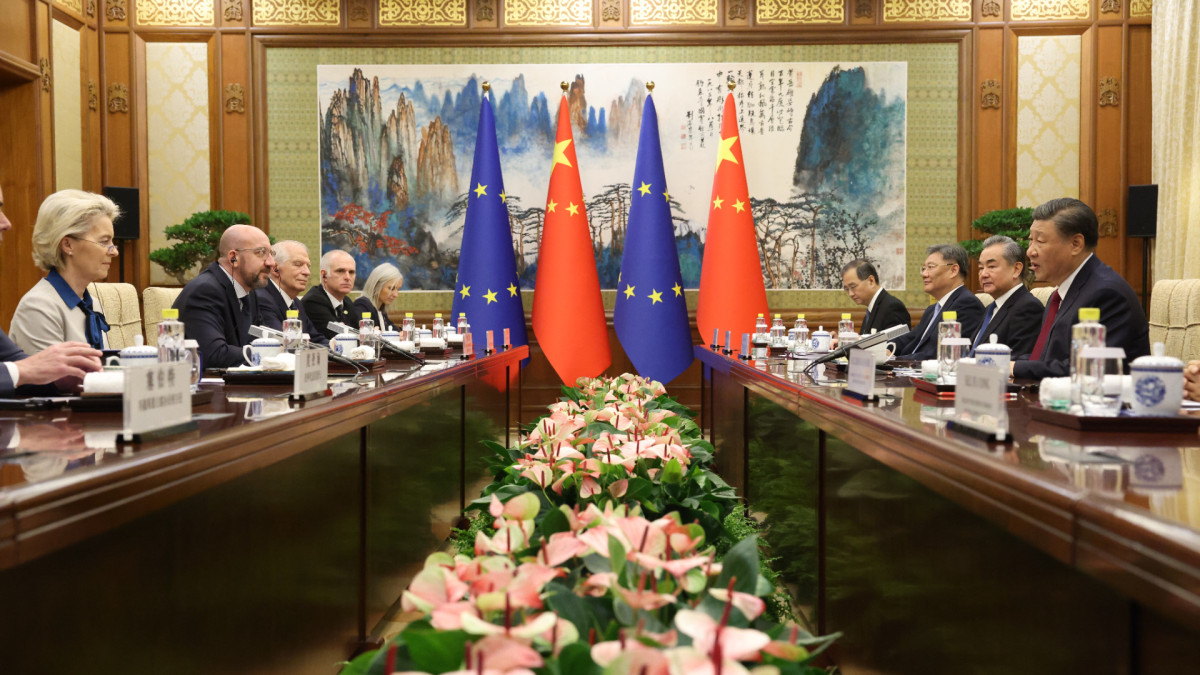
Image of the summit between the European Union and China held in Beijing in 2023.European Union (European Council)
por Unai Gómez-Hernández25 de enero de 2026
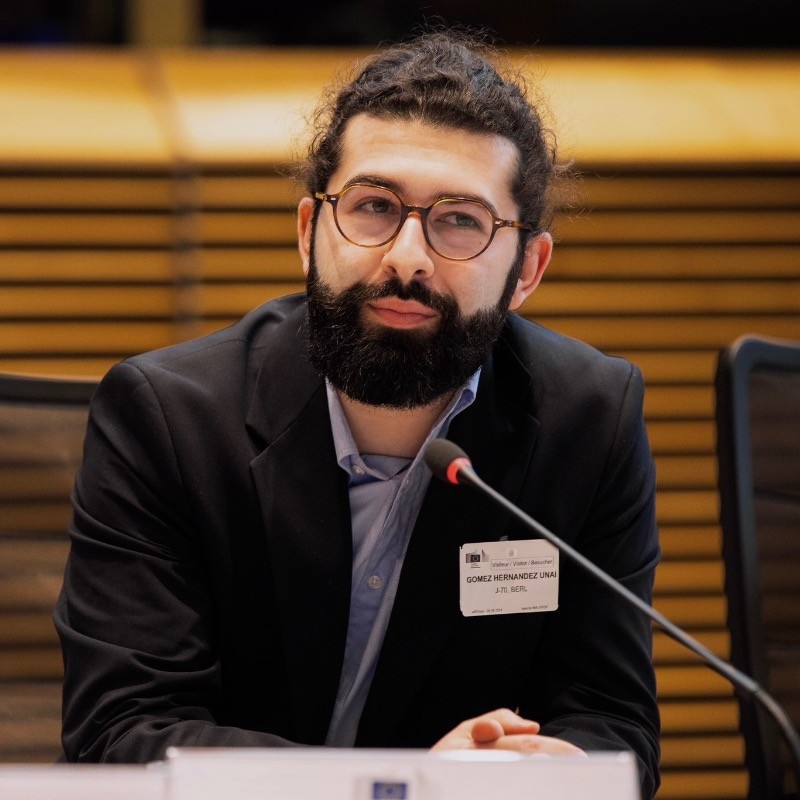
The differences between the US and Europe often lead us to think about a rapprochement with China. However, in terms of artificial intelligence, this seems a long way off. Researchers Unai Gómez-Hernández and David García García explain that, despite the fact that years ago "the foundations for cooperation between the European Union and China" in AI were laid, the many differences in the way the two sides approach the subject and their political nature mean that the rivalry "has gone from being a bilateral disagreement to a dispute over forums and coalitions."
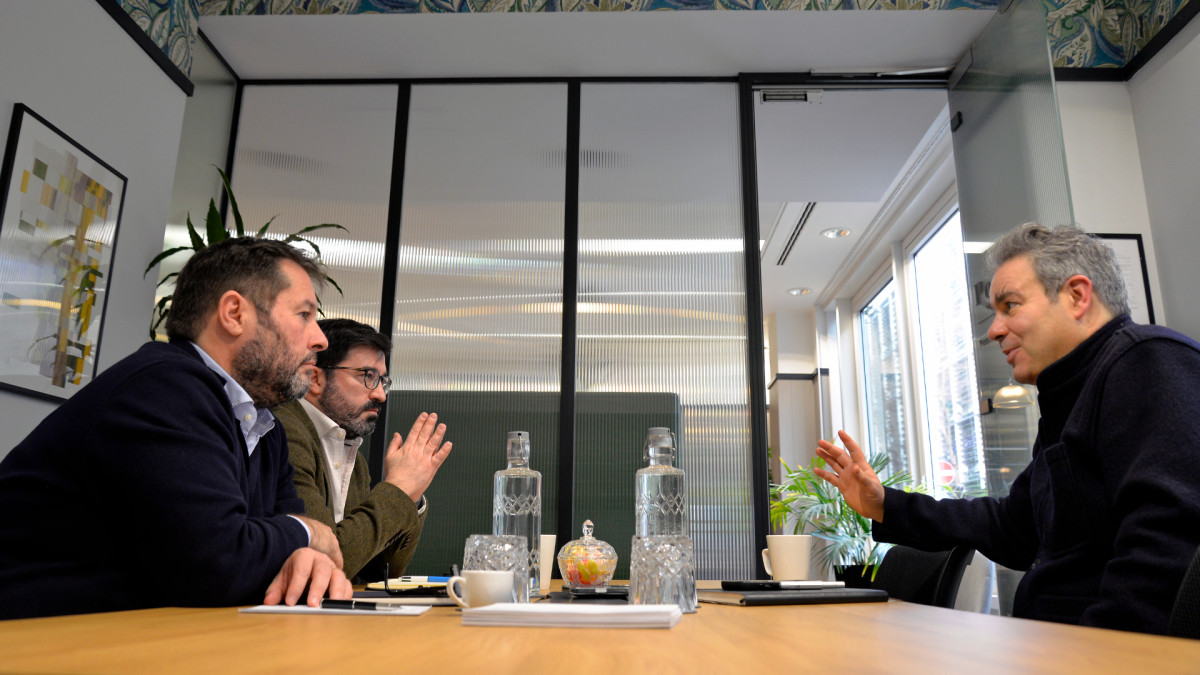
Mark Leonard (right) talks with Marc López Plana (left) and Toni Timoner (middle).Agenda Pública / Mark York
por Marc López Plana25 de enero de 2026
"What we have taken for granted for decades no longer exists," Mark Leonard says in a wide-ranging conversation at the London headquarters of the European Council on Foreign Relations with Marc López Plana, editor and director of 'Agenda Pública', and Toni Timoner, Board member at 'Agenda Pública'. This is a long but essential interview, offered exclusively to our readers. The ECFR’s director examines how Donald Trump has fractured the transatlantic alliance and what this means for Europe and the wider world. Leonard reflects on the erosion of trust in the United States, the rise of China, the reshaping of European power, and the strategic challenges facing Europe in defence, trade and migration.
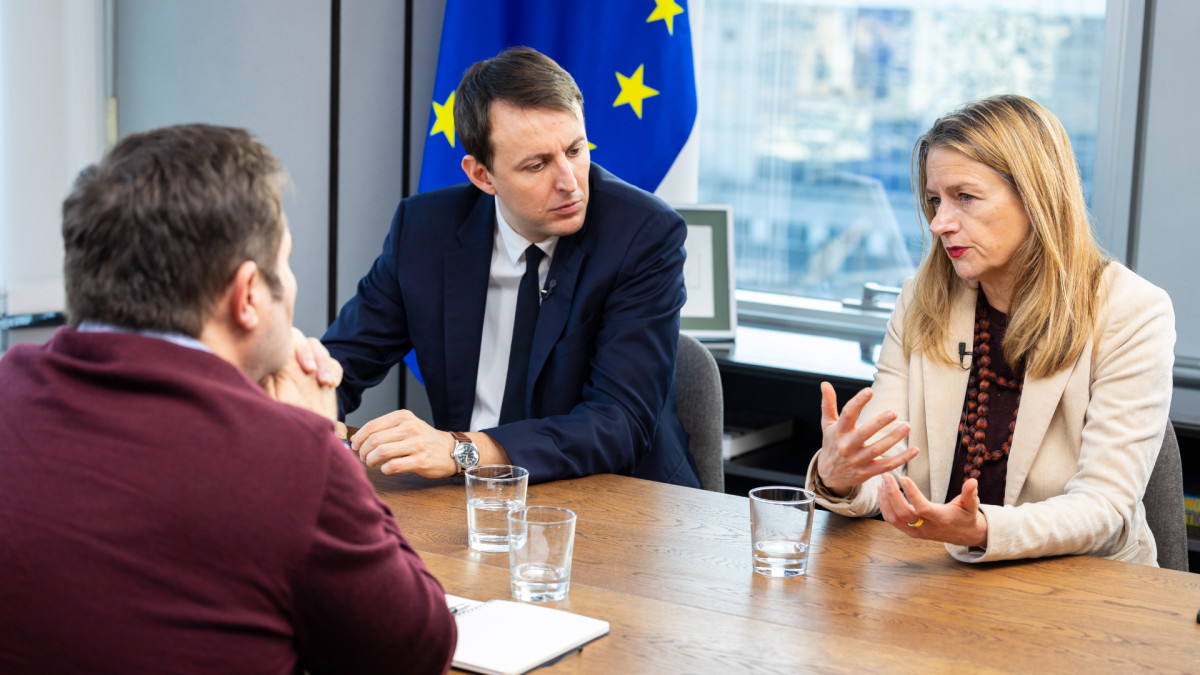
The director and editor of 'Agenda Pública' Marc López Plana (left), alongside European Parliament Vice-President Javi López (centre), and the head of Carnegie Europe’s research office, Rosa Balfour (right).Agenda Pública / Bru Agency
por Marc López Plana24 de enero de 2026
In an international landscape marked by uncertainty, the director and editor of Agenda Pública, Marc López Plana, travels to Brussels to speak with Javi López, Vice-President of the European Parliament, and Rosa Balfour, Europe Director at the Carnegie Endowment for International Peace. Both agree that the European Union is facing unprecedented pressure on its sovereignty and point to a series of strategic challenges the Twenty-Seven will have to confront in the coming months.
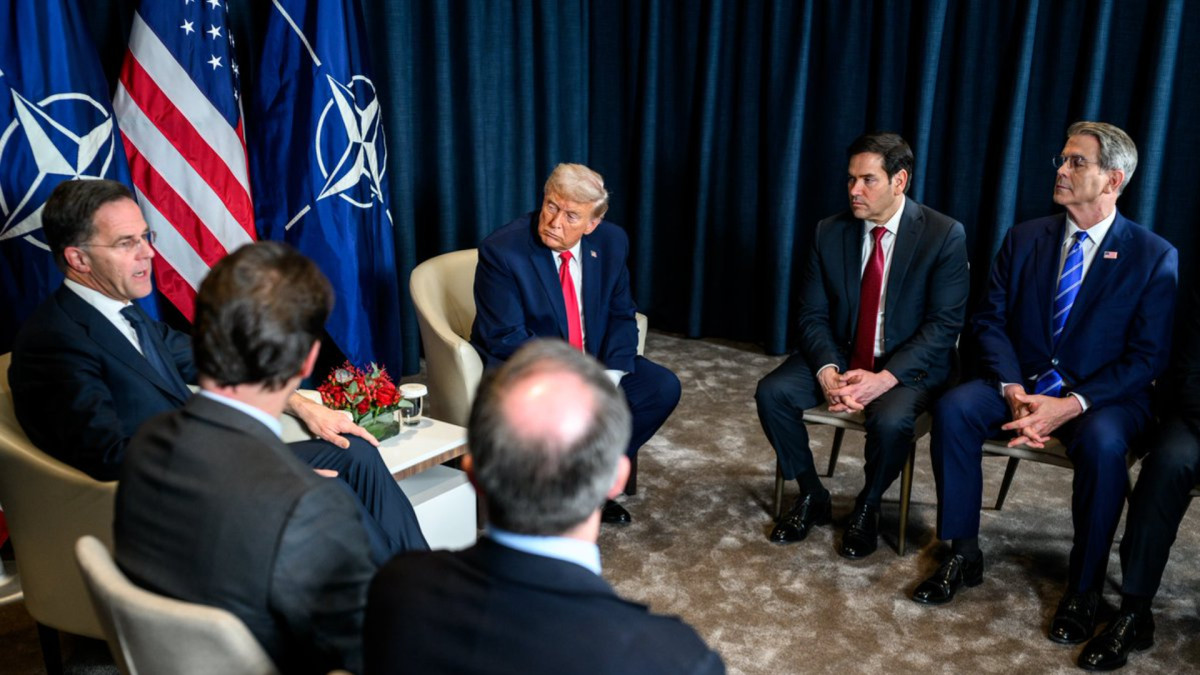
Mark Rutte, Secretary General of NATO, talks with Donald Trump, Marco Rubio, and Scott Bessent in Davos.The White House social media
por J. P. Carroll24 de enero de 2026
"With his eyes on Greenland," National Security researcher J. P. Carroll brings together Leonard Schuette, a researcher in the International Security Program and fellow at the Belfer Center at Harvard University, and former ambassador Eric Nelson to analyze the potential next moves President Donald Trump could make on the international stage. Nelson warns that "Russia and China would be relatively more powerful" if the United States were to lose Europe as an ally. In the same vein, Schuette emphasizes that Washington would lose its position "as a guarantor of security in Europe" if it "moves against Denmark" over control of the Arctic island.
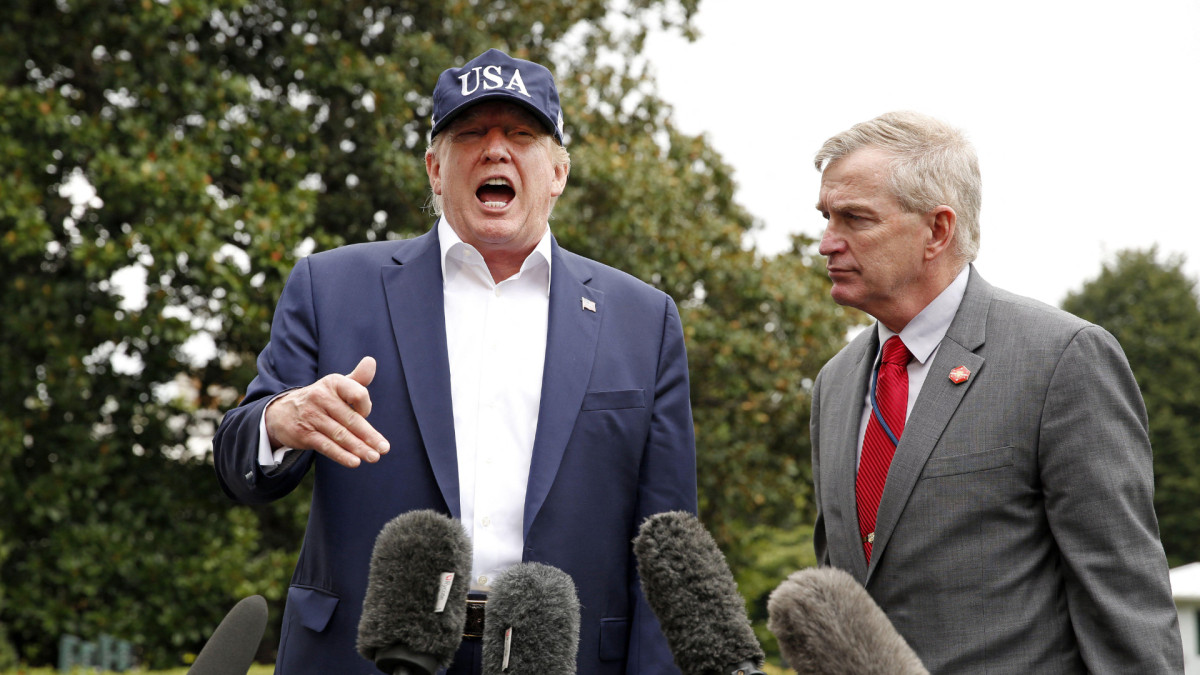
Donald Trump alongside Peter J. Brown, who was then a Homeland Security and Counterterrorism Advisor to the administration.Abaca Press
por J. P. Carroll23 de enero de 2026
J. P. Carroll, senior researcher on National Security and Trade at the Rainey Center for Public Policy, interviews Peter J. Brown, former Homeland Security and Counterterrorism Advisor to Donald Trump and a senior fellow at the America First Policy Institute. In their conversation, they cover the main items on the transatlantic political agenda, from Greenland to NATO and the Trump administration itself.
Página 4 de 13
Ahora en portada
1 de octubre de 2026