
Jueves, 1 de octubre de 2026



Agenda Pública in English
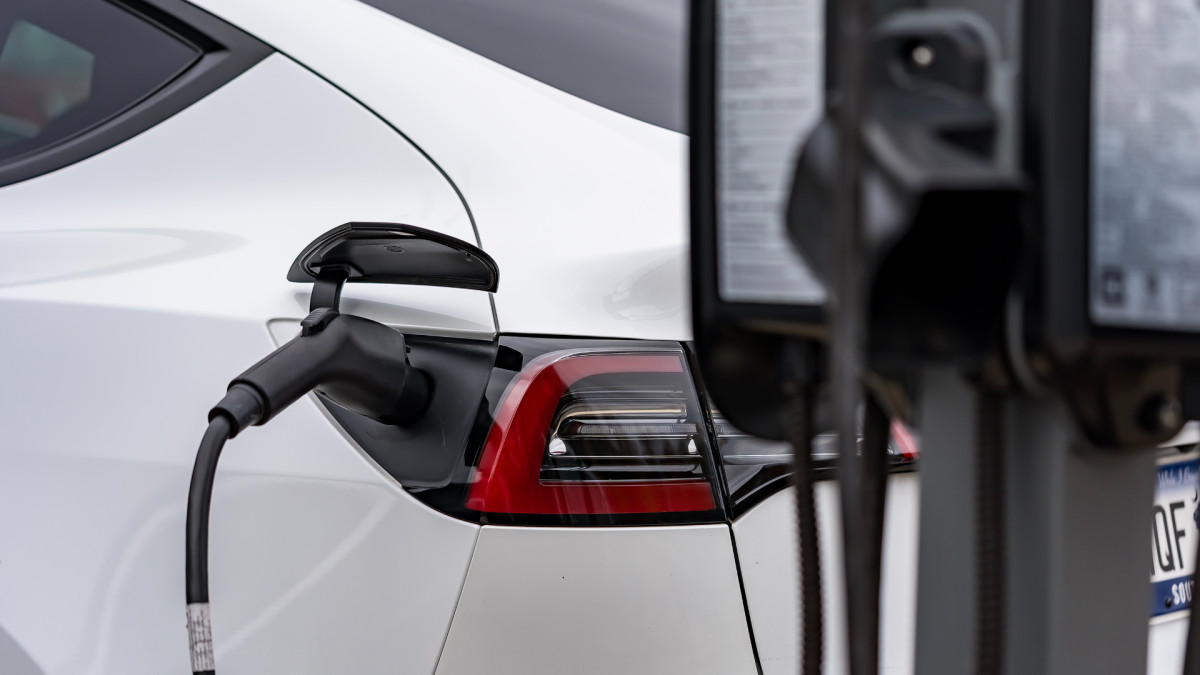
Spain has many characteristics conducive to boosting the production of electric vehicles in Europe.Walter G. Arce Sr. / Zuma Press / Europa Press
12 de mayo de 2026
The transition to electric vehicles is disrupting the European automotive hierarchy. Spain – endowed with renewable energy, competitive electricity prices, fully operational plants, and a more pragmatic relationship with China – has begun to occupy a place that previously seemed reserved for Germany. In a Europe that fears losing industry as well as autonomy, the motor sector is wondering who designs the best electric cars, but above all who can manufacture them at affordable prices.
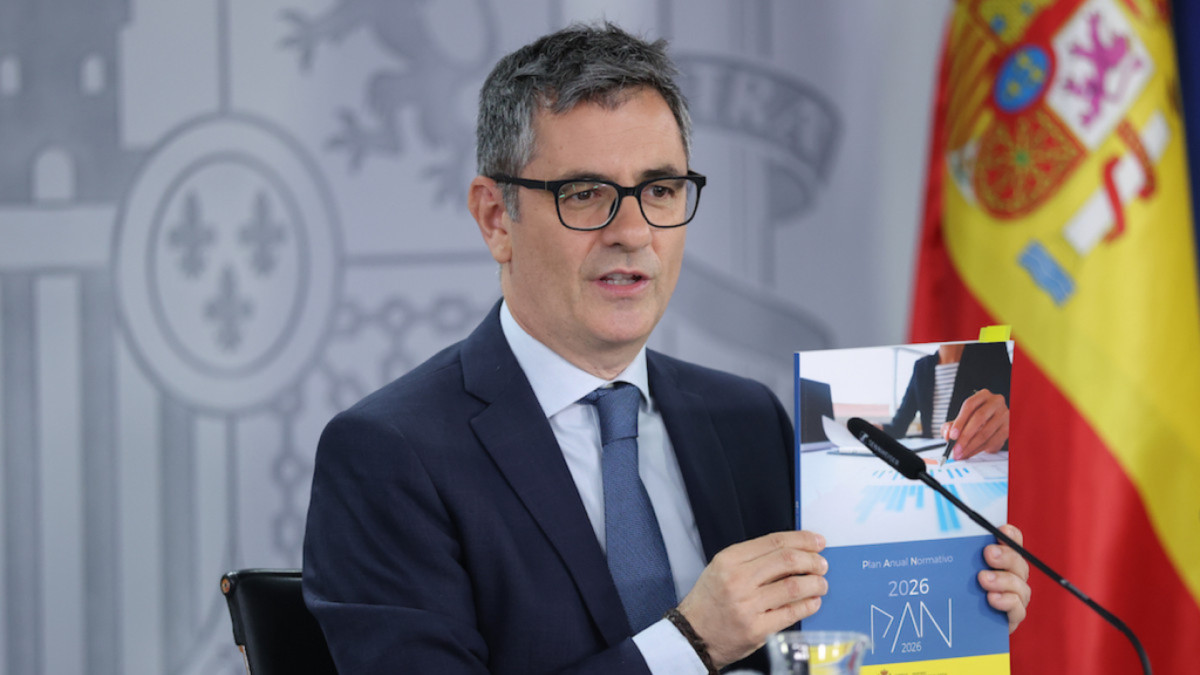
Félix Bolaños, Minister of the Presidency, Justice, and Relations with the Cortes, at a press conference following a meeting of the Council of Ministers.Alejandro Martínez Vélez / Europa Press
por Marc López Plana11 de mayo de 2026
The 'Plan Anual Normativo' (or Annual Regulatory Plan) began as a technical requirement of the OECD, meant to improve legislative quality; but Moncloa has since transformed it into a sophisticated manual of political survival. In his weekly column, Marc López Plana dissects how Spain’s government is protecting its 2026 agenda in the face of a fragmented parliament and the suspension of European funds.
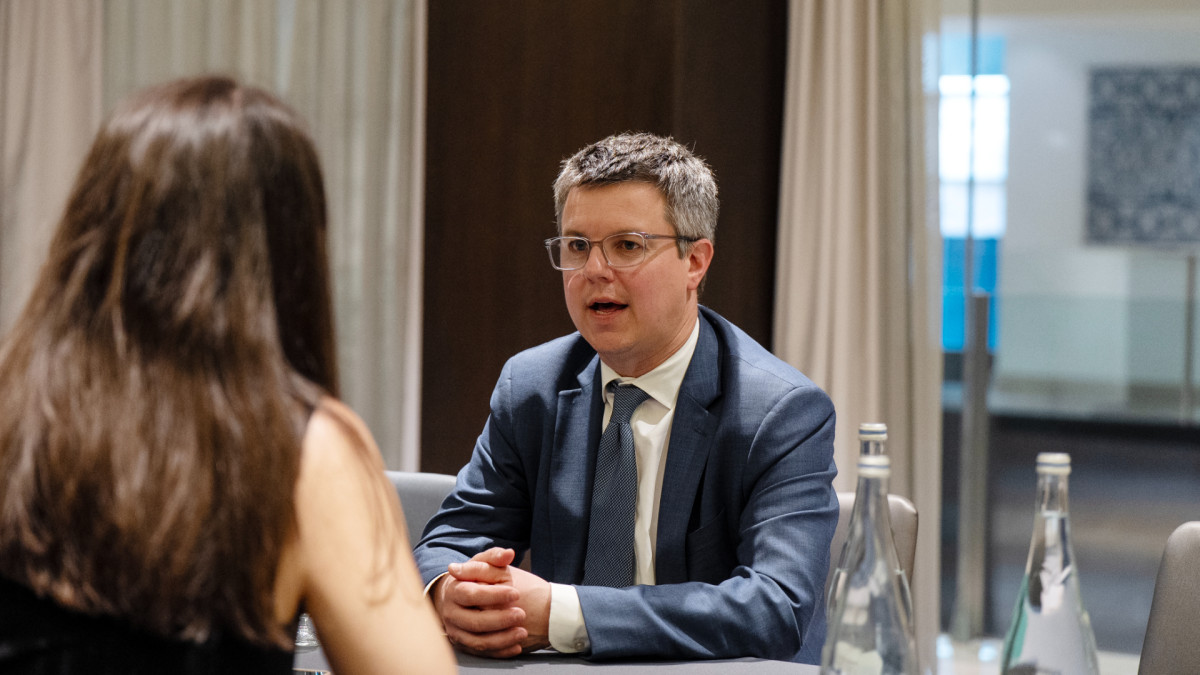
Peter Rough, senior fellow and director of the Hudson Institute, talks to Clara Esteban García, columnist and project manager at 'Agenda Pública'.Agenda Pública / Ana Brígida
por Clara Esteban García8 de mayo de 2026
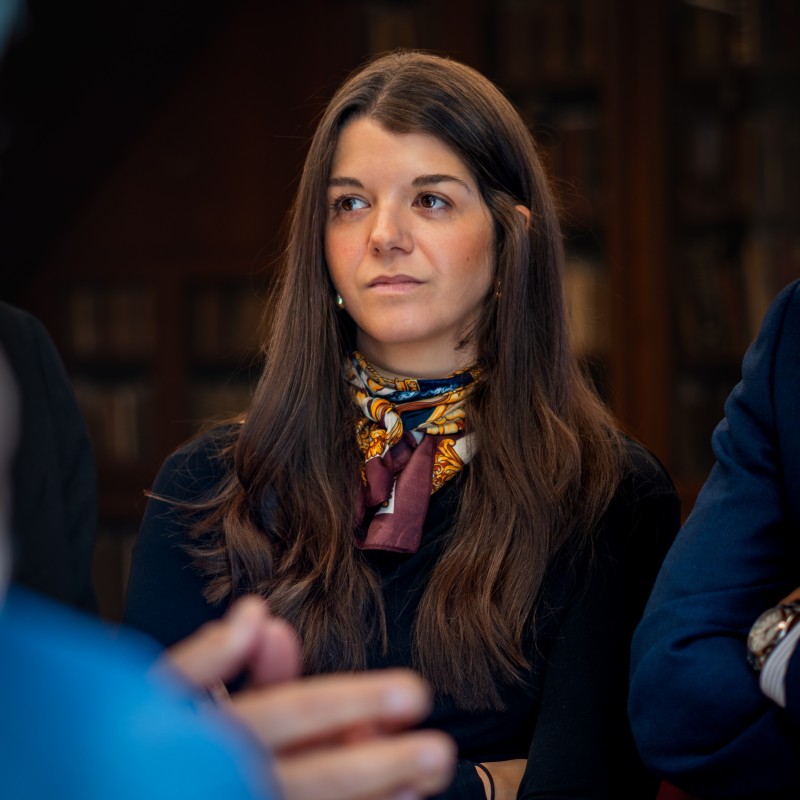
For Peter Rough, senior fellow and director of the Hudson Institute, the bond between the U.S. and Europe "still has a values component", but today "a geopolitical rationale" and an economic logic prevail. In this interview with international affairs analyst Clara Esteban García, the speaker at Foro La Toja - Vínculo Atlántico in Lisbon warns that Europe "falls short" when it comes to decision-making and that competition with China forces both blocs to look beyond the framework of democracies versus autocracies.
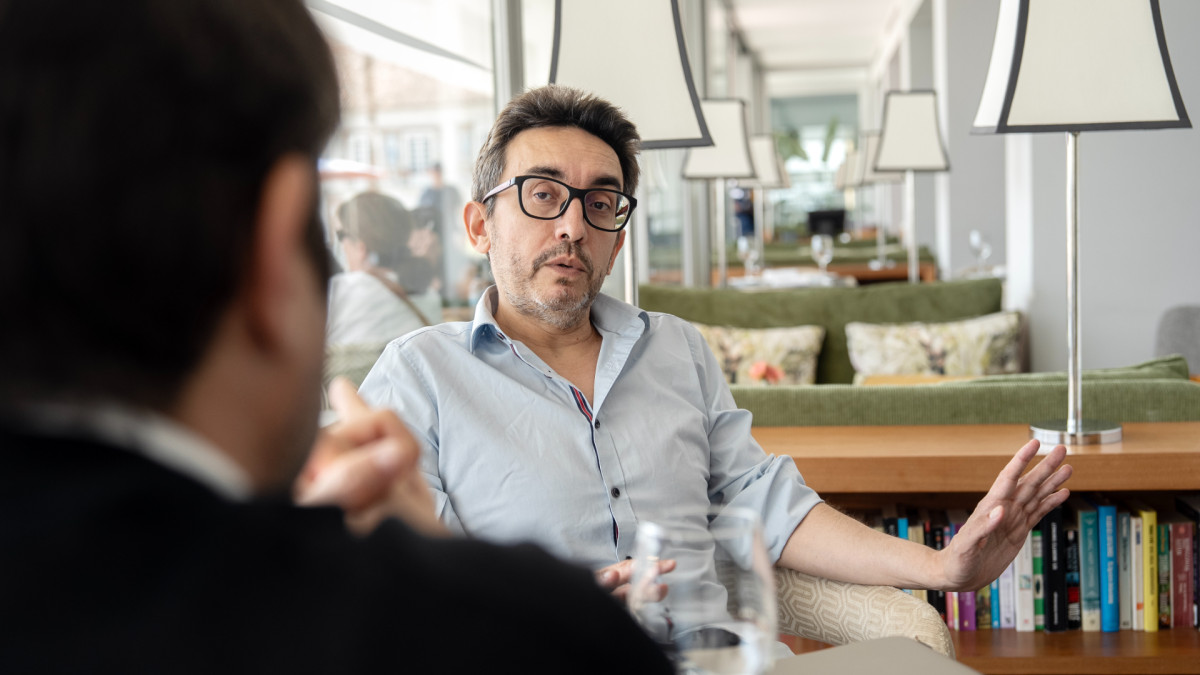
Maçães and López Plana talk in Portugal.Agenda Pública / Ana Brígida
por Marc López Plana6 de mayo de 2026
Bruno Maçães analyzes Spain’s role in the new global order, Europe’s relationship with China and the United States, the crisis of liberal democracy and the rise of the far right. In conversation with the director and editor of 'Agenda Pública', the Portuguese writer and analyst argues that "our democracies are less democratic than before", points to the challenges posed by China and the far right, and presents Spain as one of the few European countries to have understood that the world has changed.
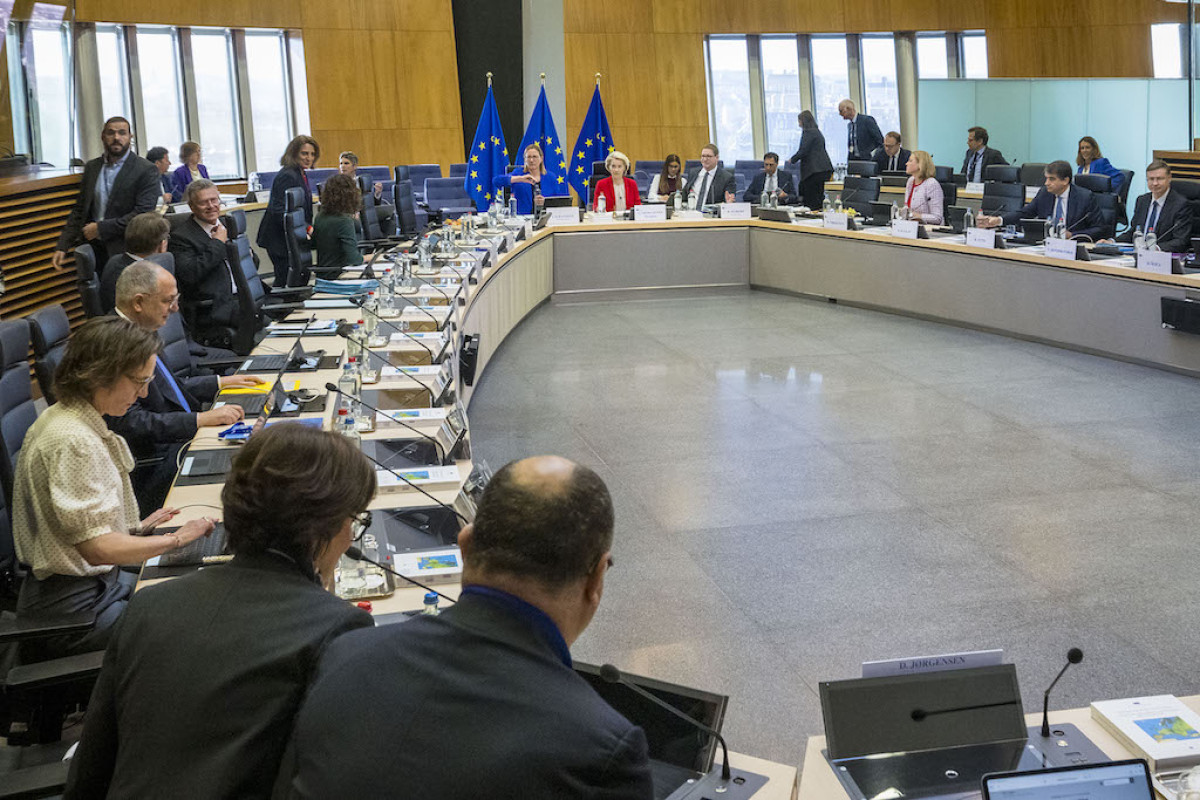
Meeting of the College of Commissioners at the European Commission headquarters in Brussels.Wiktor Dabkowski / Zuma Press / Europa Press
por Marc López Plana4 de mayo de 2026
Spain is discovering that being the star pupil in economic growth comes at a price in Brussels. Whilst Madrid celebrates its GDP figures, a first draft budget has been drawn up in the corridors of the Berlaymont that prioritises tanks in Poland over motorways in Andalusia. The era of the 'disciplined recipient' is over. The editor and director of 'Agenda Pública', Marc López Plana, argues that Spain’s various economic sectors must learn to compete for funds on a playing field designed according to a different philosophy.
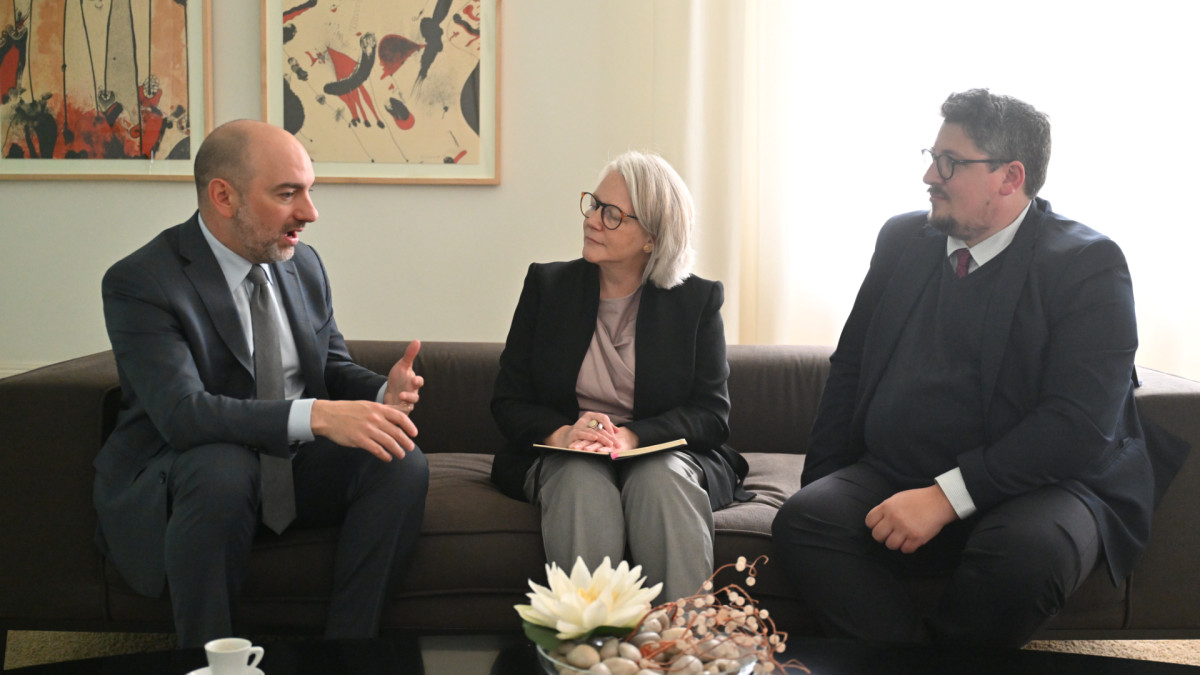
De izquierda a derecha: Max Bergmann, Carme Colomina y Daniel Fiott.CIDOB
por Agenda Pública Corp3 de mayo de 2026
In their conversation during CIDOB’s international conference War and Peace in the 21st Century, Daniel Fiott and Max Bergmann, experts on defence and security, understand the present as a critical moment for the stability of the continent. Fiott, from the Brussels School of Governance, speaks of a "structural shift underway" in the transatlantic relationship. Bergmann, from the Center for Strategic and International Studies, regrets that, at this moment, there is no "real foreign-policy mechanism" capable of unifying the continent’s voices to address this challenge.
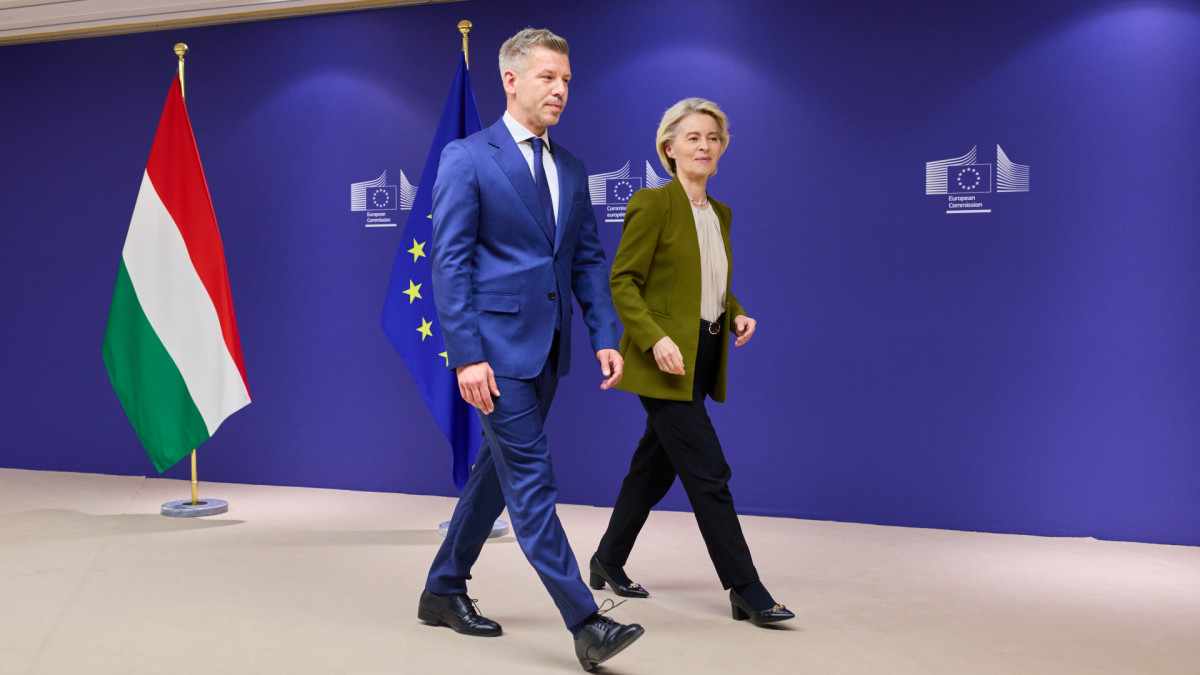
Hungarian Prime Minister Péter Magyar visits European Commission President Ursula von der Leyen.European Commission Audiovisual Service / Dati Bendo
por Ruth Ferrero-Turrión2 de mayo de 2026

Péter Magyar, Hungary’s new Prime Minister, has already visited Brussels aiming to launch a new era of relations with the European institutions. But according to Ruth Ferrero-Turrión, professor of Political Science at the Complutense University, "reducing the European problem" to the blockade by former PM Viktor Orbán would be "a diagnostic error." In her analysis of current political balances at the center of the continent, she highlights that the internal dynamics at play in Bucharest, Budapest, and Sofia could mean collateral damage for the EU’s foreign agenda.
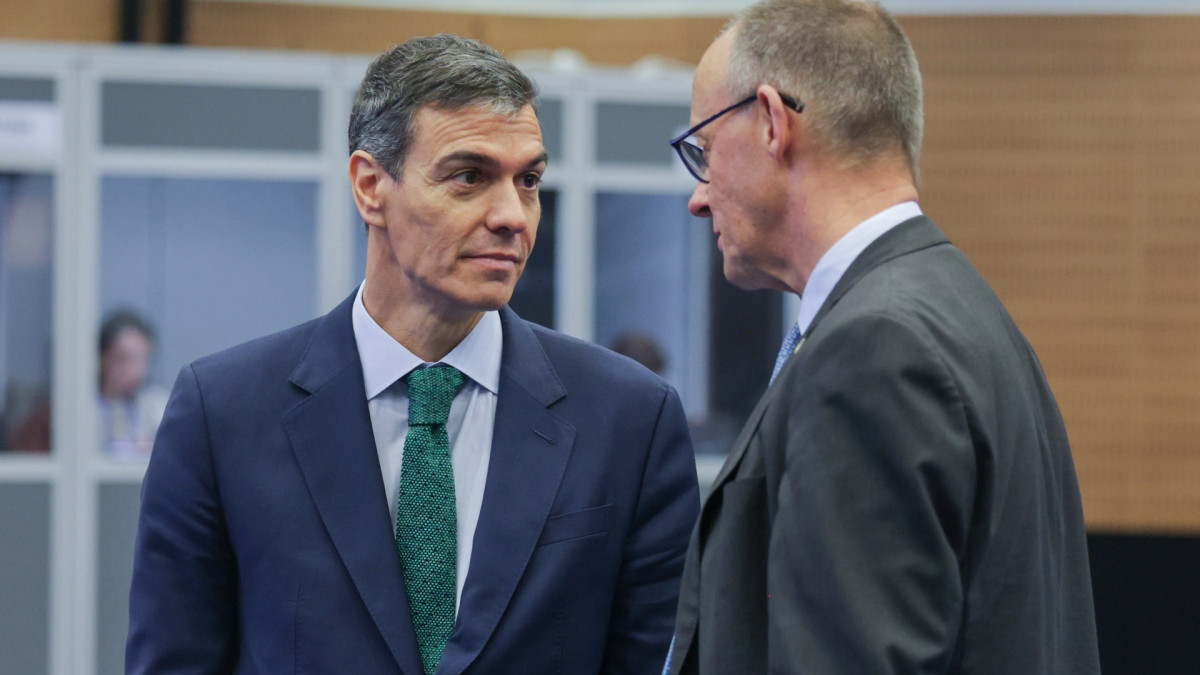
Prime Minister Pedro Sánchez and German Chancellor Friedrich Merz at the European Council summit in Cyprus.European Union (European Council)
por Marc López Plana29 de abril de 2026
Spain is staring into the abyss of the German CDU/CSU’s ‘Agenda 2026’, a clash between competitiveness and Europe’s social soul. In this column, Marc López, editor and director of ‘Agenda Pública’, analyses Madrid’s complex dilemma: Is it possible to alleviate the suffocation of our SMEs without dismantling the rights and climate protections that define us? The battle for the DNA of the European Union has begun.
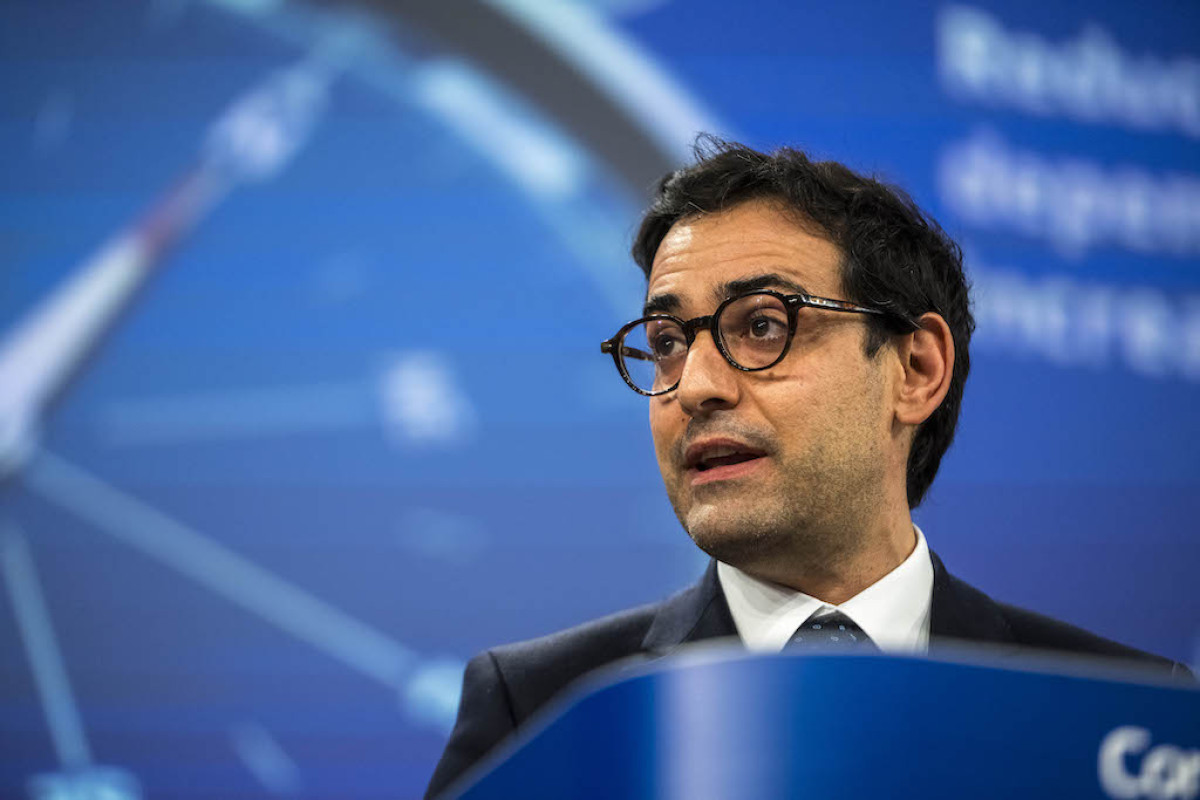
Stéphane Séjourné, Executive Vice-President for Prosperity and Industrial Strategy.Wiktor Dabkowski / Zuma Press / Europa Press
por Marc López Plana27 de abril de 2026
In his weekly column, Marc López Plana, editor and director of 'Agenda Pública,' warns of the risk of institutional dumping under the European Commission’s Industrial Accelerator Act. The EU’s industrial policy runs the risk of funding a forced migration of factories to the highest-bidding state. When incentives outweigh efficiency, he warns, internal relocation becomes a symptom of a fractured bloc.
-1920x1080.jpg)
Raik, Varma and Ruiz chat at the Palau de Pedralbes.Agenda Pública
por Agenda Pública Corp26 de abril de 2026
During the latest edition of the international conference War and Peace in the 21st Century, organised by CIDOB, the think tank’s senior researcher and former Member of the European Parliament, Domènec Ruiz Devesa, spoke with the director of the Paris office of the German Marshall Fund of the United States (GMF), Tara Varma, and the director of the International Centre for Defence and Security (ICDS), Kristi Raik. The two engaged in a discussion on European defence and, in particular, on the role of the US in this context.
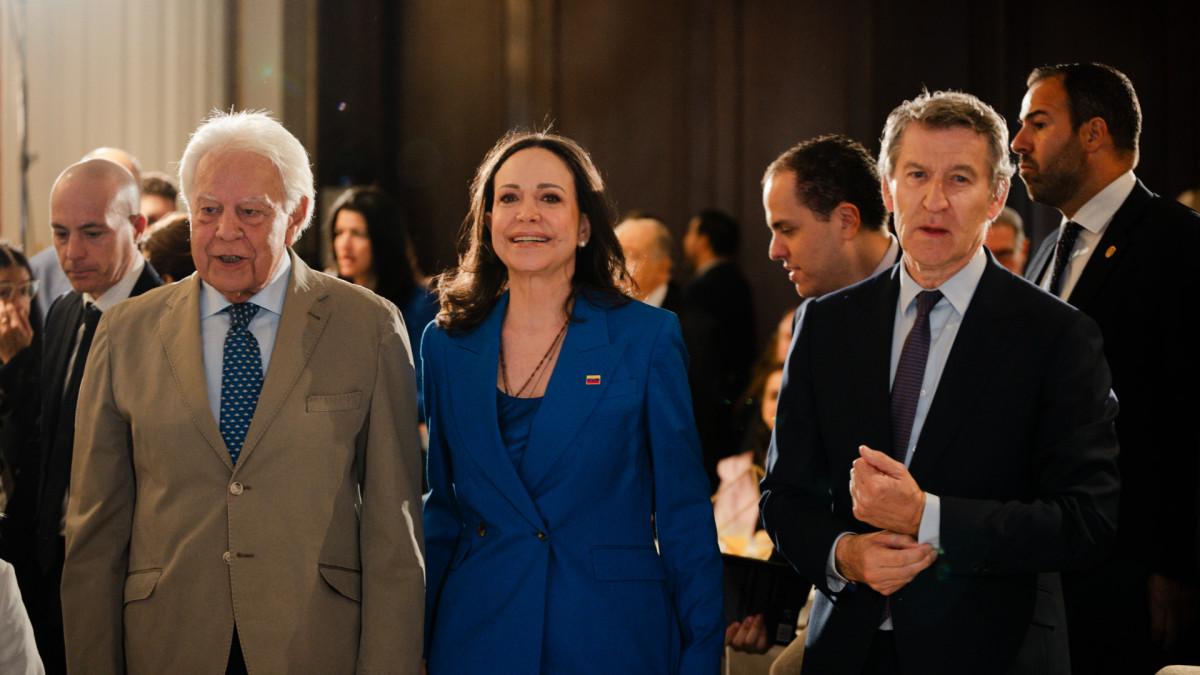
Venezuelan opposition leader María Corina Machado, former President of the Government, Felipe González (l), and PP president Alberto Núñez Feijóo (r).Mateo Lanzuela / Europa Press
por Marc López Plana23 de abril de 2026
In this week’s column, Marc López Plana, director and editor of 'Agenda Pública', admonishes Venezuelan opposition leader María Corina Machado for her "mistaken rejection of a meeting with President Sánchez during her visit to Madrid." Lamentably, Machado instead "used her cause like a projectile weapon within Spain’s domestic politics." López Plana also considers how Machado’s choice may have weakened her own prospects, especially from a European perspective.
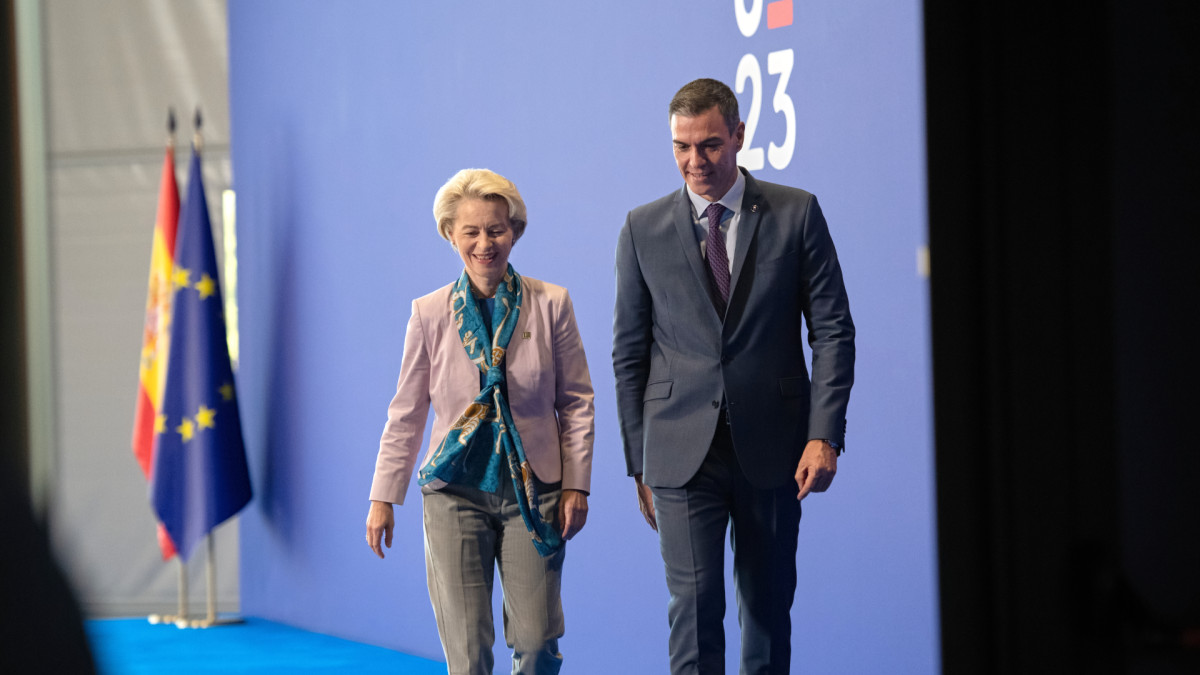
The President of the European Commission, Ursula von der Leyen, and the Prime Minister, Pedro Sánchez.European Commission Audiovisual Service
22 de abril de 2026
Spain and Italy are each trying, using different methods, to find the same solution to their demographic and labour market challenges. Whilst Brussels insists on a harmonisation policy that lacks widespread support, Member States retain decisive powers to admit, regularise or integrate migrant populations. The result is a European Union divided into three distinct camps and a pact that highlights the absence of a common plan across the EU-27.
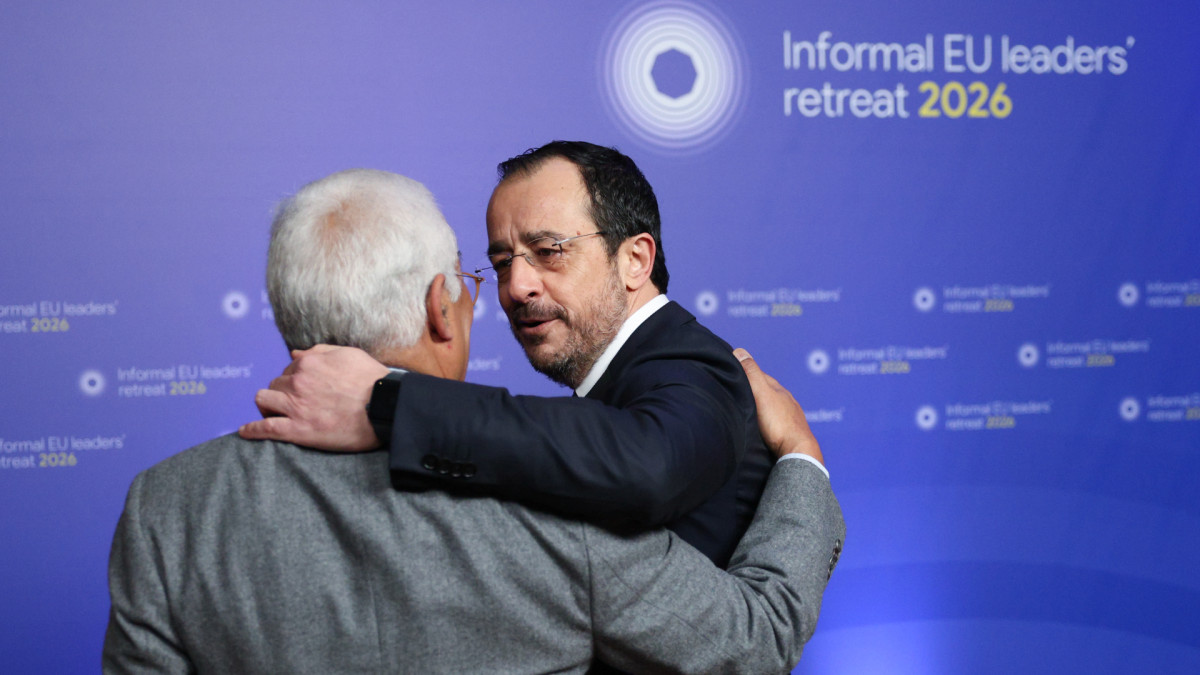
António Costa, President of the European Council (left) embraces Nikos Christodoulides, President of Cyprus.European Union (European Council)
por Nacho Alarcón21 de abril de 2026
.png)
Europe’s heads of government are set to meet in Cyprus to focus on energy prices, compelled by a sense of urgency on many fronts. Nacho Alarcón, correspondent in Brussels, reports on the energy outlook as well as the debates around EU Article 42.7, Hungary’s veto of credit for Ukraine, and the start of budget negotiations in a European Union that appears to be entering ‘emergency mode’.
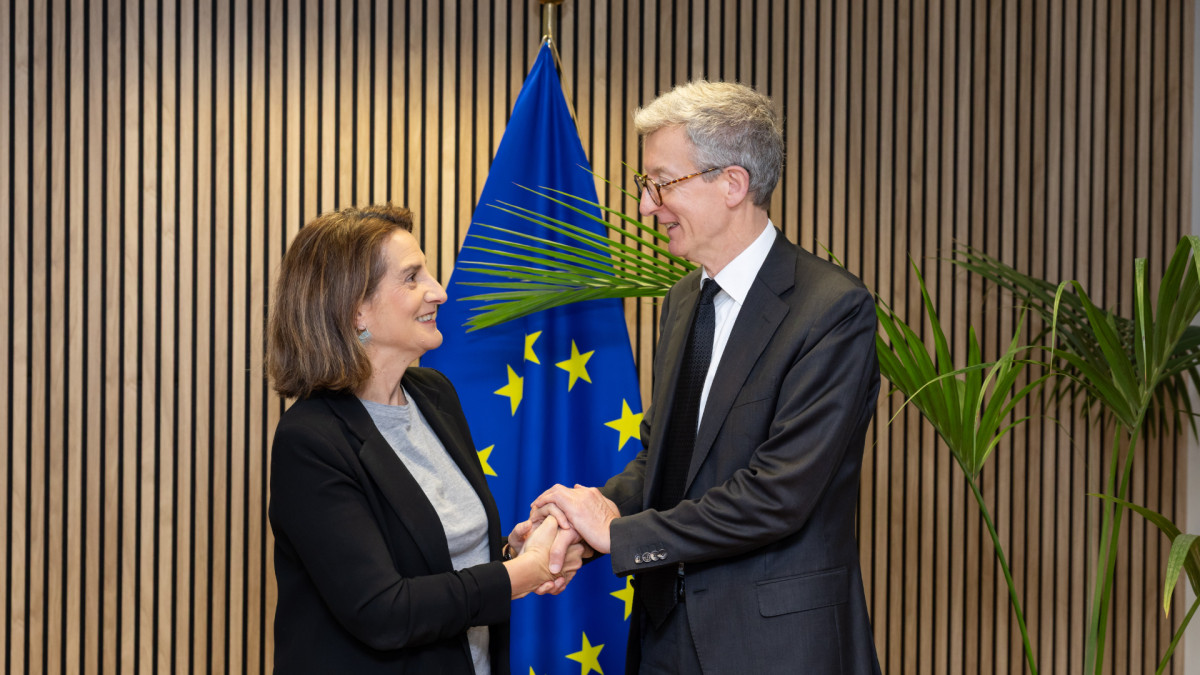
Anthony Whelan will work closely with European Commission Vice-President Teresa Ribera.Servicio audiovisual de la Comisión Europea / Bogdan Hoyaux
por Sandra Marco Colino21 de abril de 2026

Europe is recalibrating its approach to tech giants. Sandra Marco Colino, a professor at the University of Hong Kong and an expert on competition law, analyzes how, in her view, with the arrival of Anthony Whelan at the European Commission’s Directorate-General for Competition, the EU is seeking a balance between strict regulation and industrial growth.
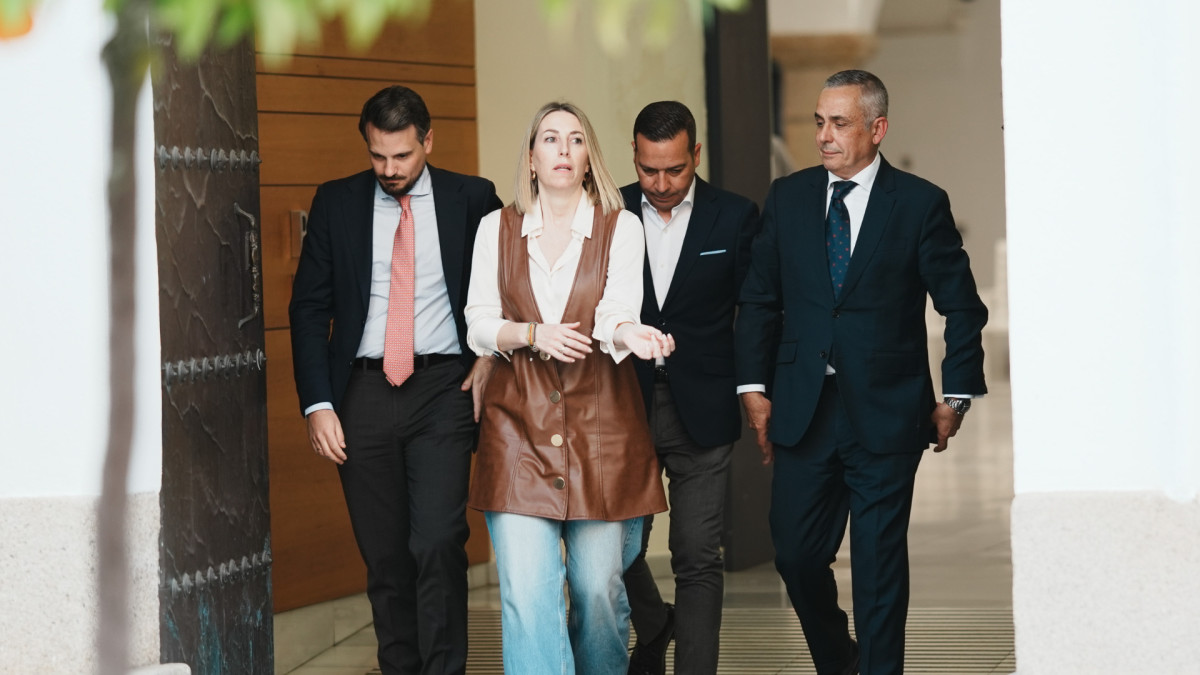
The acting president of the Regional Government of Extremadura, María Guardiola (second from the left), and the Vox candidate for president of the regional government, Óscar Fernández (second from the right), announce a governing agreement.Javier Cintas / Europa Press
por Anna López Ortega21 de abril de 2026

The Popular Party and Vox have signed the first governing agreement of this new political cycle in Extremadura. With the "national priority" as the core of the pact, for Anna López Ortega, PhD in Political Science, "it breaks with a fundamental pillar of the liberal state: equality before the law." In her analysis of the right-wing agreement, she highlights that "Iberian chauvinism" also extends to housing and energy and questions the ideological centrality of Génova.
-1920x1080.jpg)
: Jaume Collboni, Mayor of Barcelona, speaks at CIDOB’s ‘War and Peace’ seminarCIDOB
por Marc López Plana20 de abril de 2026
In this edition of his weekly column, 'Agenda Pública' editor and director Marc López Plana dissects the raw realism of the CIDOB’s recent ‘War and Peace’ seminar. Following the end of the U.S. protectorate and Berlin’s nuclear turn, Europe finds itself faced with a choice: abandon its strategic innocence, or languish in irrelevance.
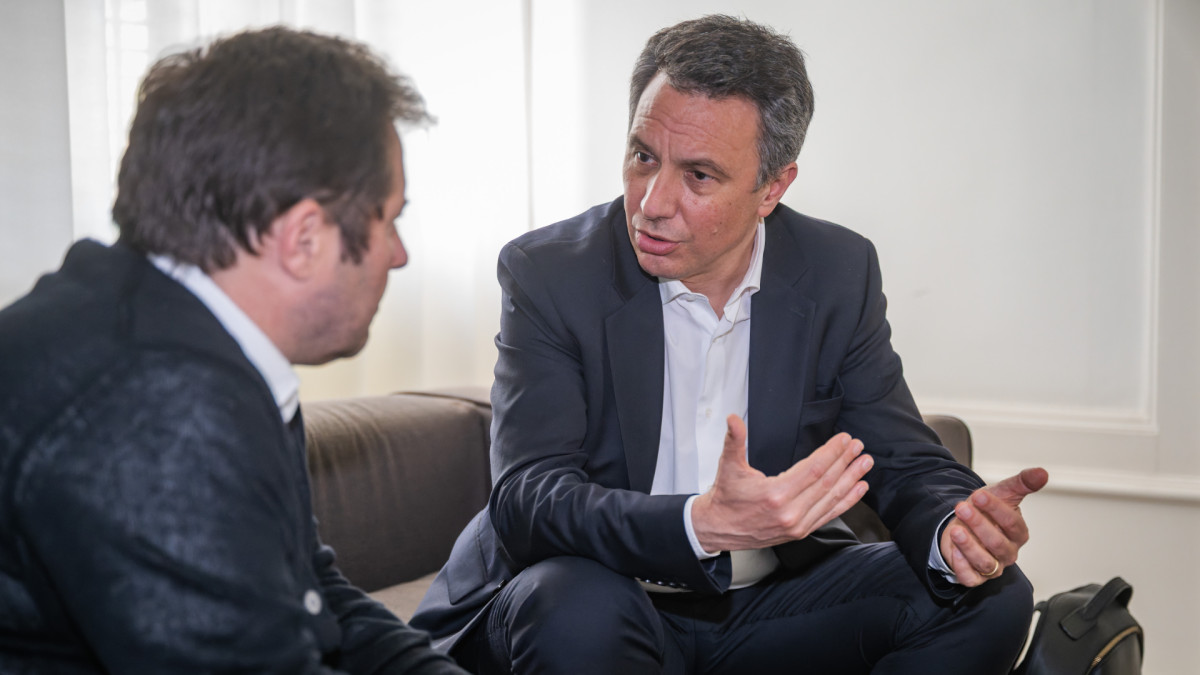
Camille Grand, secretary general of ASD (right), and Marc López Plana, editor and director of 'Agenda Pública' (left).CIDOB
por Marc López Plana19 de abril de 2026
In Barcelona, Camille Grand, who served as one of NATO’s top officials for defence investment, speaks with Marc López Plana, director and editor of 'Agenda Pública'. During CIDOB’s international conference War and Peace in the 21st century, Grand, who is secretary general of the European trade association for the aerospace, security and defence industries (ASD), highlights the turbulent moment the sector is going through, but qualifies part of the political narrative: "Nobody wants NATO to go away, or the alliance with the United States to disappear," he says.
-1920x1080.jpg)
Adrian Jofre Bosch, partner at the beBartlet consultancy, presents the main survey findings at the European Pulse ForumPOLITICO / Tsun Ho and Rocío Curia
15 de abril de 2026
While Europe still functions as an identity anchor for many of its citizens, that link seems not to translate into personal optimism for the future. Country-comparison data provided at the 'European Pulse Forum' suggests that one can defend and believe in the European way of life, but at the same time view the near future with pessimism. This political tension is among the most significant for Europe and will remain so for the short term. Here we examine a survey being closely read at the Commission, indicating a certain schism between EU citizens and institutions.
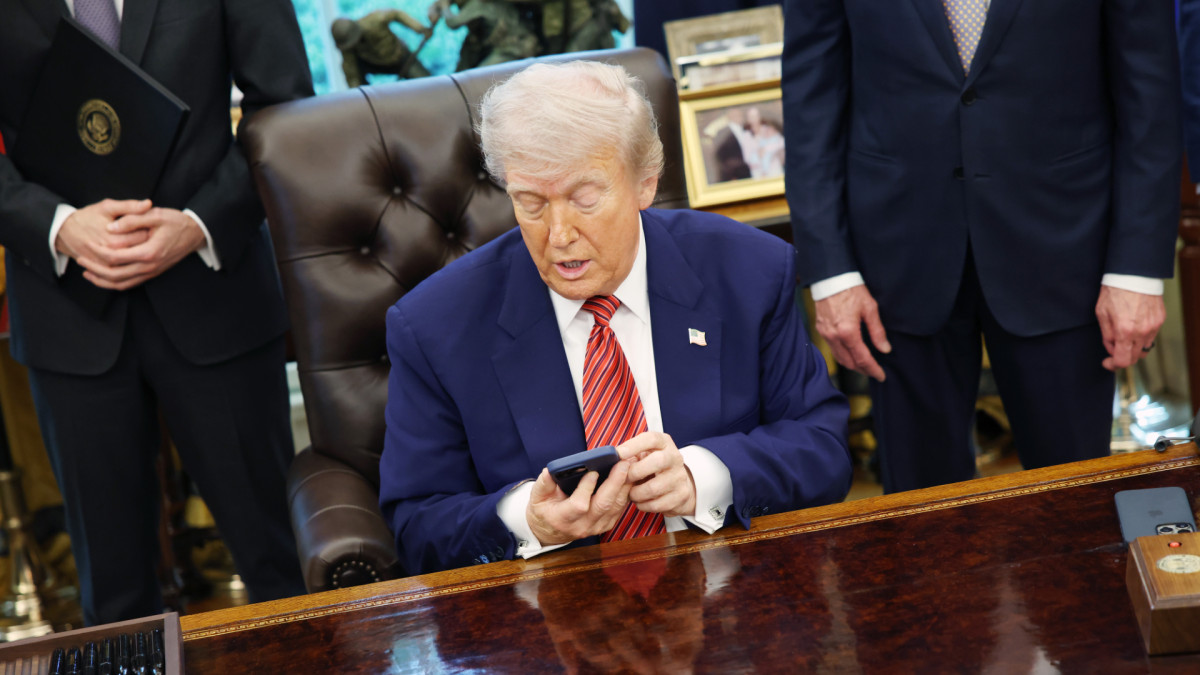
U.S. President Donald Trump uses his mobile phone in the Oval Office.Samuel Corum - Pool vía CNP / Zuma Press / Europa Press
por Adrián Vázquez Lázara15 de abril de 2026
From Kissinger’s secret visit to Beijing to the U.S. president threatening war via social network posts. Citing those two extremes, MEP Adrián Vázquez Lázara (EPP) sums up how diplomacy has changed. In his view, the 'immediacy', 'overexposure', and 'algorithmic logic' embodied in Donald Trump are transmuting diplomacy, weakening the rules-based international order, and forcing Europe to rethink its collective security, including in cognitive terms.
.jpg)
Prime Minister Pedro Sánchez and the leader of the opposition and president of the PP, Alberto Núñez Feijóo.POLITICO / Tsun Ho y Rocío Curia
por Marc López Plana13 de abril de 2026
In the corridors of Brussels and on Madrid’s chat shows, the preferred diagnosis for contemporary politics in Spain is 'affective polarization'; it is presumed that leaders are shouting at each other because they despise each other – not because they think differently. But if we read the small print in speeches recently delivered by Pedro Sánchez and Alberto Núñez Feijóo, that analytical bubble bursts: this isn’t a problem of decibels but of two distinct models of State in direct collision. That’s the perspective of this week’s 'Brújula Europea' from Marc López Plana, editor and director of 'Agenda Pública', which rises above the noise to understand Spain’s political course within Europe.
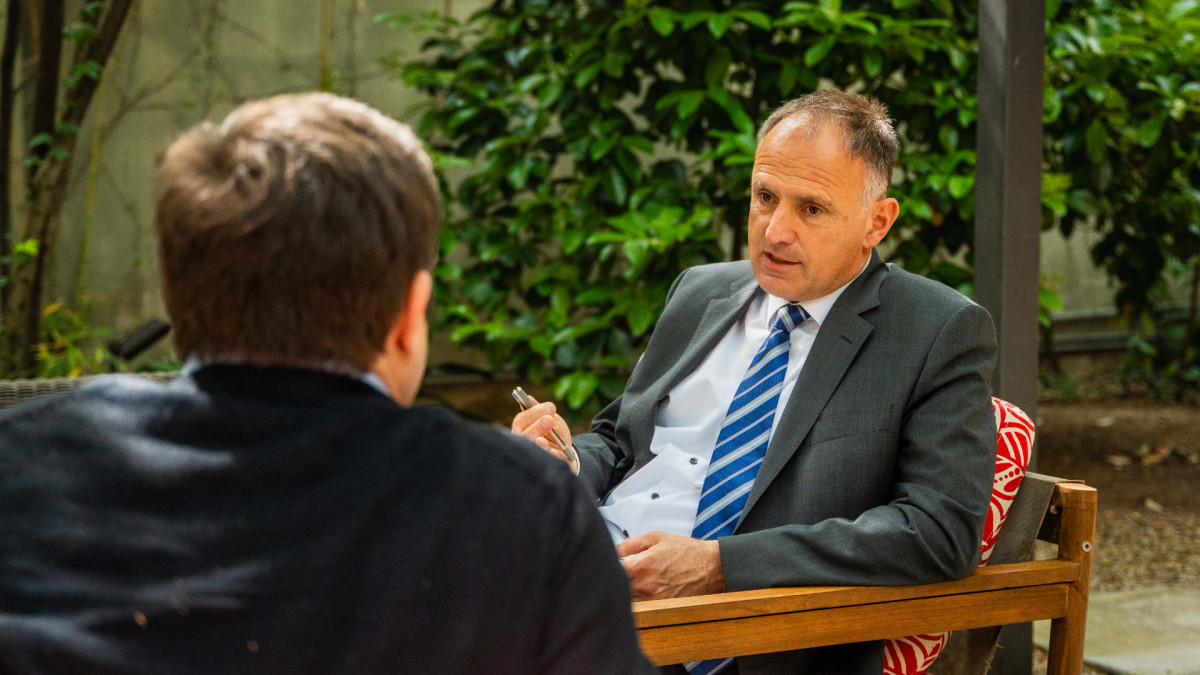
Denk speaks with Agenda Pública director and editor Marc López Plana.Agenda Pública / Tsun Ho
por Marc López Plana12 de abril de 2026
Faced with the threat of a US retreat on security, EDA director and general André Denk acknowledges Europe’s strategic dependence. In the face of such a scenario, he hopes that "it will not be necessary to plan without the Americans" but argues that "we have to be prepared as Europeans" if the time comes. In his conversation with Agenda Pública director and editor Marc López Plana, he also stresses that there is greater unity among member states, as "interest in joint action, in cooperating in an EU environment, has significantly risen."
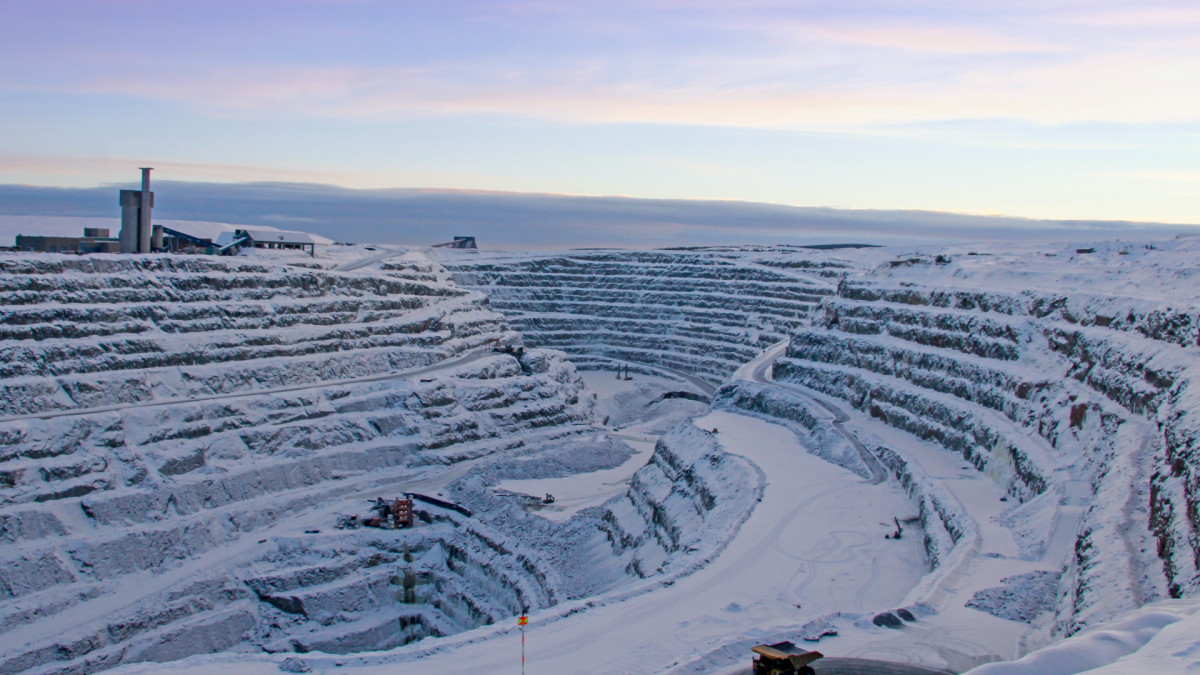
Open-pit mine in Aitik (Sweden), one of the largest in Europe.Boliden
por Jakob Hensing9 de abril de 2026
In its effort to reduce its dependence on China, Europe runs the risk of financing mining and projects that ultimately supply third countries. Jakob Hensing, Head of Political Economy at the Global Public Policy Institute, and Ricardo Soares de Oliveira, Full Professor of Political Science at CERI Sciences Po, argue that the EU must make it clear to its partners that these projects "are a matter of vital interest" to the continent, without going so far as to adopt the "callous approach of the Trump administration."
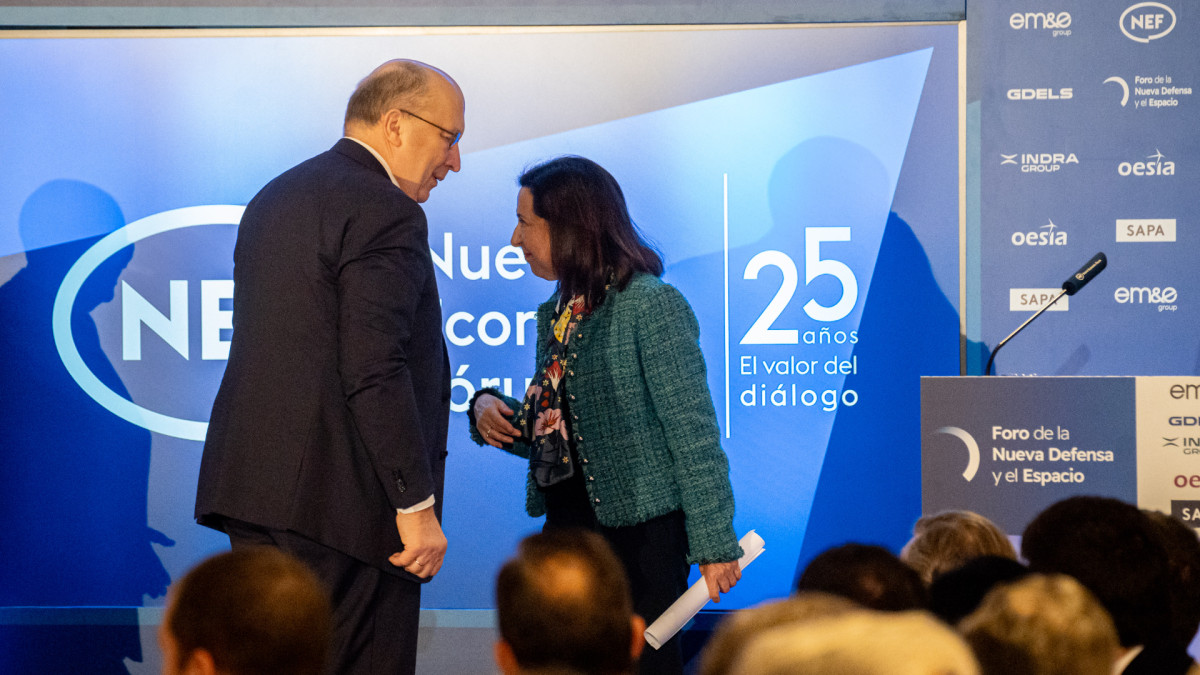
Minister of Defense Margarita Robles (right) and Andrius Kubilius, European Commissioner for Defense and Space, meeting in SpainGabriel Luengas / Europa Press / ContactoPhoto
por Alberto Bueno8 de abril de 2026

More spending does not by itself equal more power. Security expert Alberto Bueno explains that Spain is viewing the rise in European defense as an obvious opportunity, but with a risk of increasing investments without correcting industrial weaknesses. Between Spain’s commitment to Indra, tech pressures imposed by Ukraine, and U.S. dependence, the debate is no longer about how much to spend, but how to convert that effort into real capabilities.
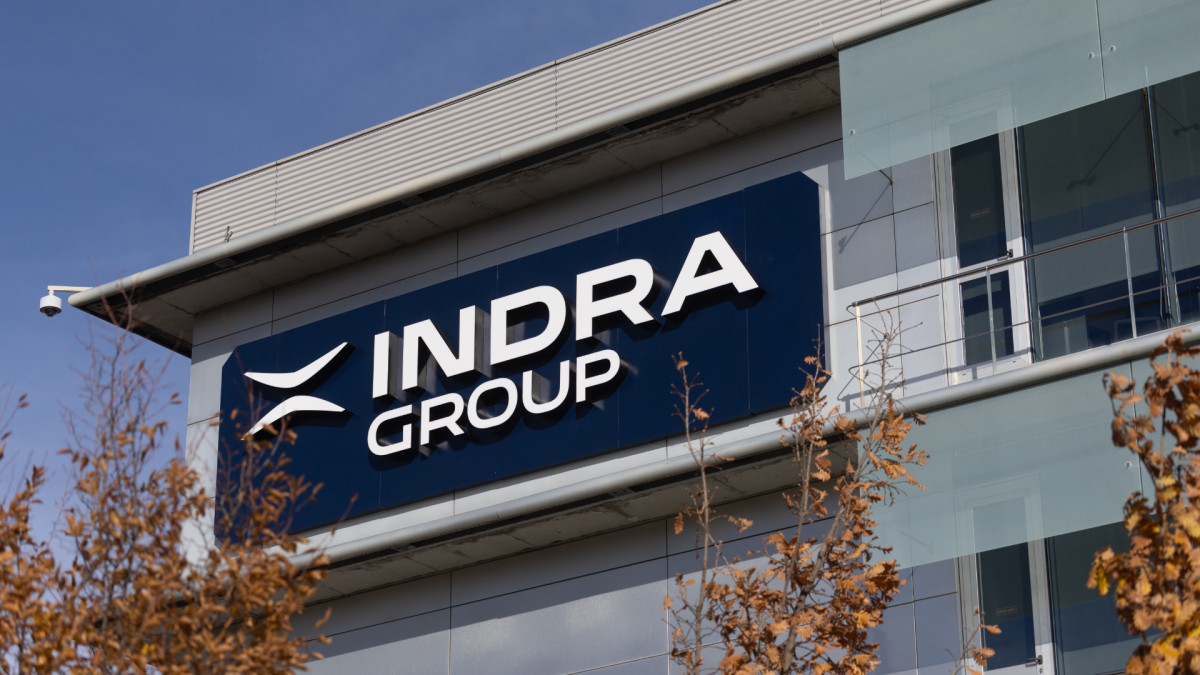
Indra Group’s headquarters in Alcobendas (Madrid).Eduardo Parra / Europa Press / ContactoPhoto
por Marc López Plana8 de abril de 2026
The recent clamor around Indra has focused on resignations, internal rebalancing, and power quotas, but the central question has scarcely been touched upon: What does it mean for a company to be 'strategic'? In this edition of 'Brújula Europea', the director and editor of 'Agenda Pública' contends that Spain has intentionally avoided significant debate in this matter; he explains that if the State wants to preserve sovereignty in defense, energy, or technology, it cannot allow politics to withdraw from corporate governance.
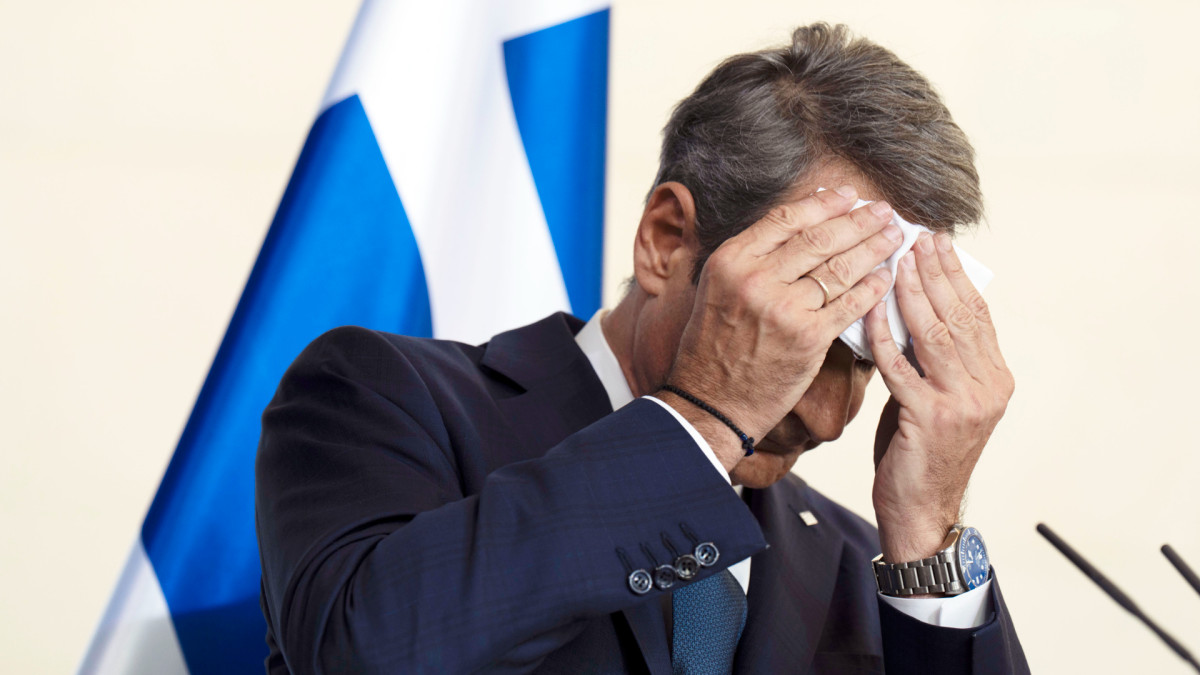
Greek Prime Minister and leader of the conservative New Democracy party, Kyriakos Mitsotakis.Bernd Elmenthaler / Zuma Press / ContactoPhoto
por Nick Malkoutzis8 de abril de 2026
Greece has left the worst of the crisis behind, but it has not resolved the issues that most undermine its political stability: an economy that distributes its benefits unevenly and an institutional system under scrutiny. This two-pronged challenge now haunts Prime Minister Kyriakos Mitsotakis. Greek journalist Nick Malkoutzis notes that, while macroeconomic indicators are holding up, social unrest and a string of scandals threaten to bring the Greek conservative leader’s tenure to an end.
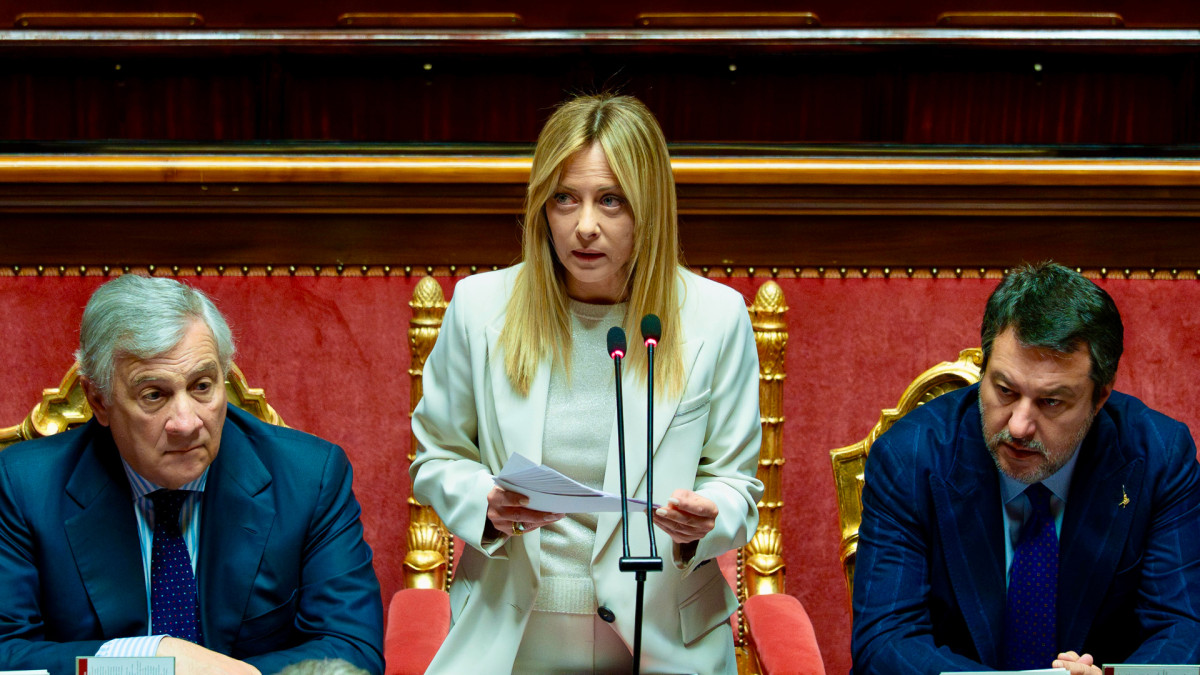
Italian Prime Minister Giorgia Meloni in the Senate.Government of Italy
por Cesáreo Rodríguez-Aguilera de Prat4 de abril de 2026
The turmoil in Italian politics points toward the polls. Prime Minister Giorgia Meloni, who until now had enjoyed a level of stability unusual for an Italian government, has lost the important constitutional referendum she herself spearheaded, and there are now doubts about the government’s future. Cesáreo Rodríguez-Aguilera de Prat, professor emeritus of political science, analyzes the scenarios facing the country, including an "unlikely" but "not impossible" early election.
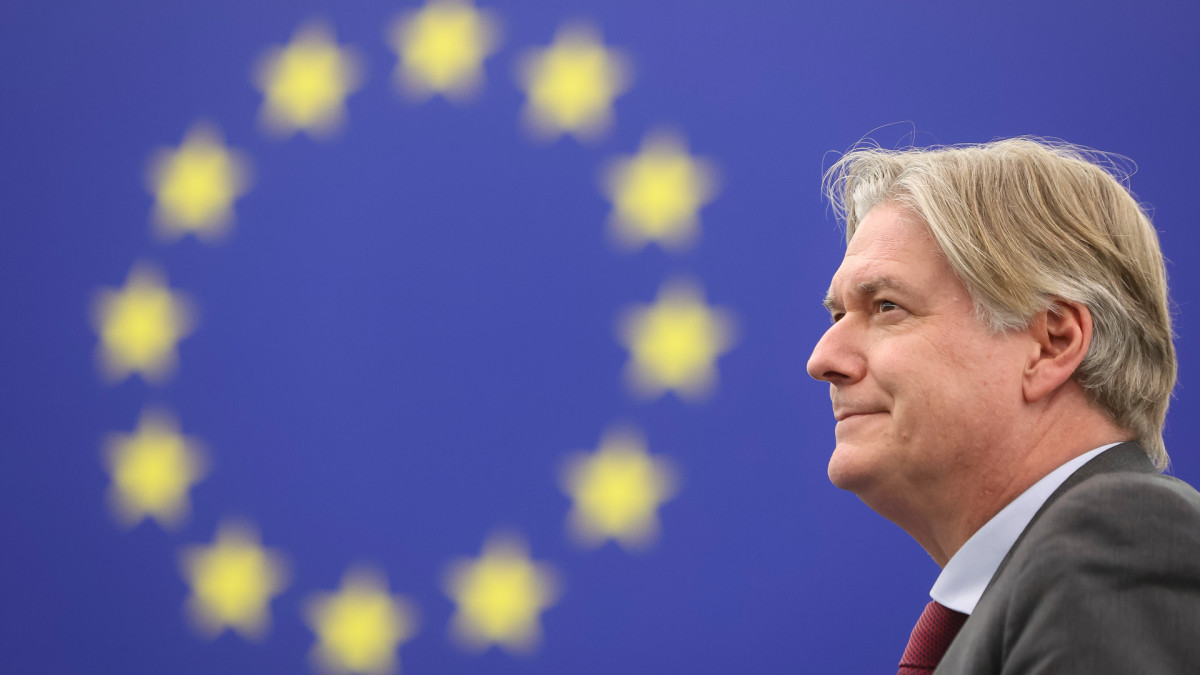
Antonio López-Istúriz White is an MEP for the Partido Popular and former secretary general of the European People’s Party.European Parliament, 2025
por Antonio López-Istúriz White2 de abril de 2026
.png)
In conversation with 'Agenda Pública', Antonio López-Istúriz talks about the Atlantic relationship and Spain’s role in it, the EU-Mercosur trade agreement, and Europe’s foreign activities. The experienced MEP calls for "formulas such as qualified majority" – which is faster than unanimity – to speed advances on key issues like defense. Also, he reminds us that the European project remains successful: "We’re still moving forward, and Europe is still part of the solution."
-1920x1080.jpg)
At a 'Agenda Pública' micro-seminar on defense.Agenda Pública / Tsun Ho
por Marc López Plana23 de marzo de 2026
This week’s column by Marc López Plana, editor and director of 'Agenda Pública', explores the internal logic of power following a conversation with Javier Colomina, Spain’s highest office-holder in the NATO alliance. Colomina’s insider perspective offers complex insights on the real costs of every strategic decision – the central question being whether Spain and Europe should enhance their roles within NATO or opt to pursue autonomous defense.
-1920x1080.jpg)
Marc López Plana (left) and Javier Colomina (right) chat at the Palau Macaya in Barcelona.Agenda Pública / Tsun Ho
por Marc López Plana22 de marzo de 2026
Global instability demands a military machine capable of responding at any latitude. In this conversation with Marc López Plana, director and editor of 'Agenda Pública', diplomat Javier Colomina defends NATO’s ‘360-degree’ vision. Colomina, Spain’s highest-positioned officer in the Alliance, maintains that NATO "doesn’t have the option of choosing between threats" and is committed to Europe taking fuller control of its own defense, toward the goal of achieving the "real capacity to produce what is needed."
-1920x1080.jpg)
ECFR editorial director Jeremy Cliffe (left) and senior fellow at the Carnegie Endowment for International Peace (CEIP), Oliver Stuenkel.Agenda Pública
por Jeremy Cliffe21 de marzo de 2026

The fracture in the relationship between the U.S. and Europe is having effects that go beyond the West. In this conversation between ECFR editorial director Jeremy Cliffe and German-Brazilian political scientist Oliver Stuenkel, they discuss the meaning of this space because "it is a concept that is not clearly defined even in Europe". They offer a review of geopolitical balances, Europe’s relationship with the Global South, and the future of European institutions in light of the positions adopted at the Munich Security Conference.
Página 3 de 13
Ahora en portada
1 de octubre de 2026