
Jueves, 1 de octubre de 2026



Agenda Pública in English
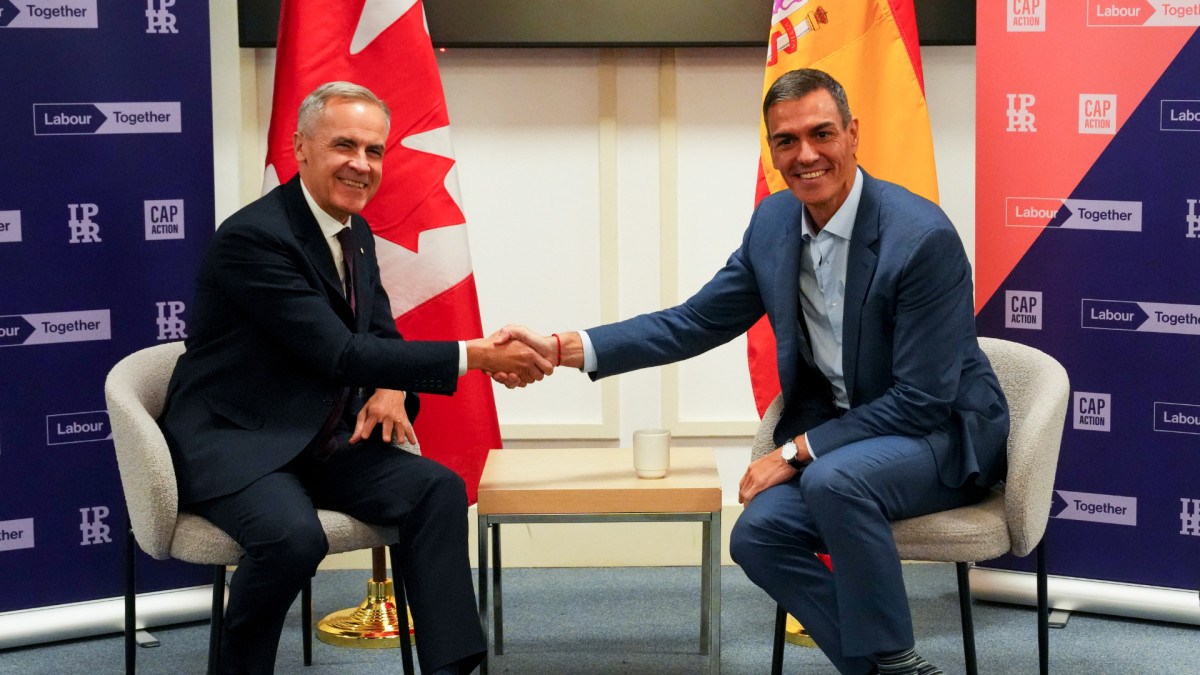
Canadian Prime Minister Mark Carney at a bilateral meeting with Spanish President Pedro Sánchez.Sean Kilpatrick / Zuma Press / ContactoPhoto
por Marc López Plana19 de enero de 2026
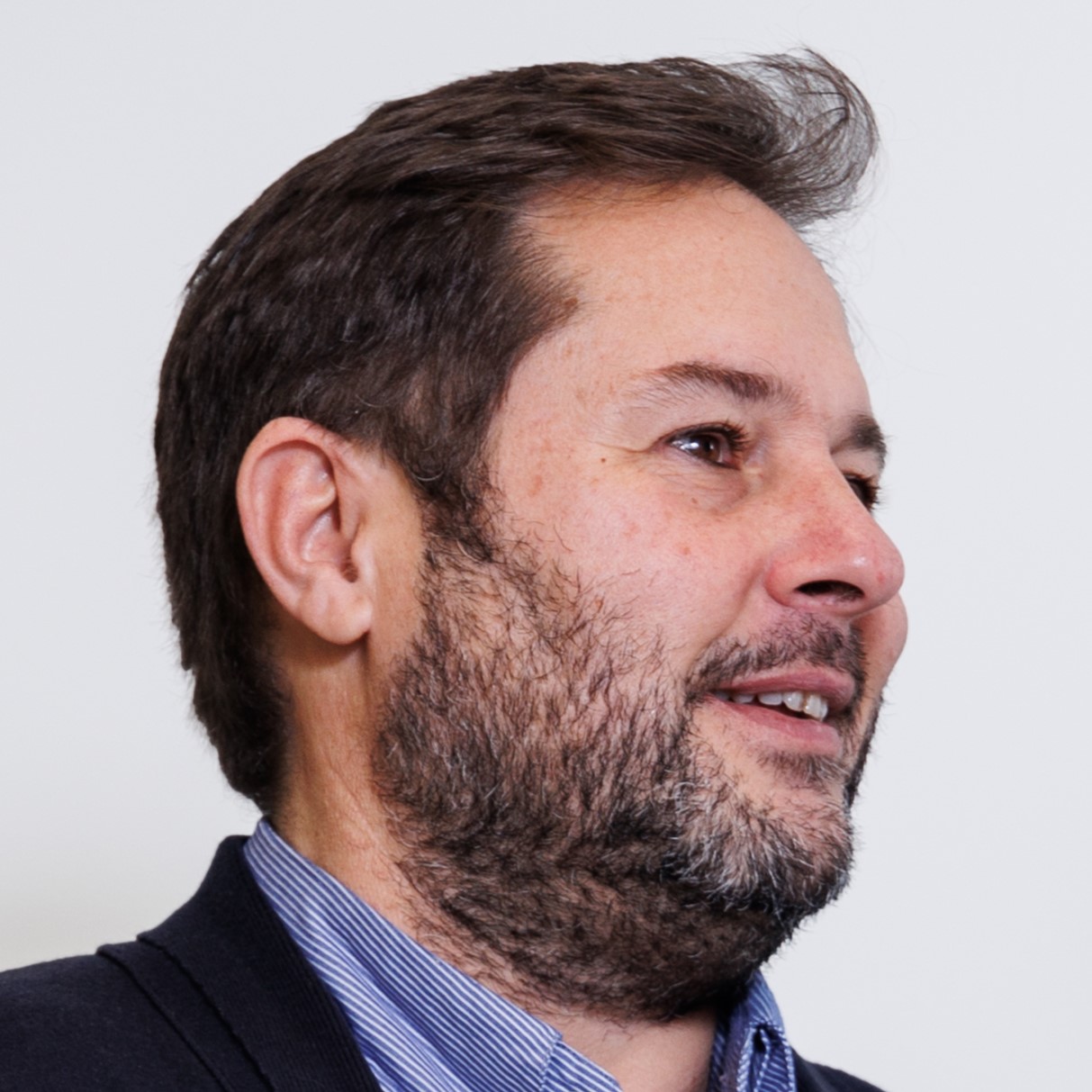
International crises have been known to generate "a temporary boost of confidence," opening "a unique strategic window" for leaders experiencing declines in domestic support. In this edition of Brújula Europea, Marc López Plana explores the extent to which Pedro Sánchez might use this ‘rally-round-the-leader’ effect to gain political advantage – precisely at a time when a new election might be called.
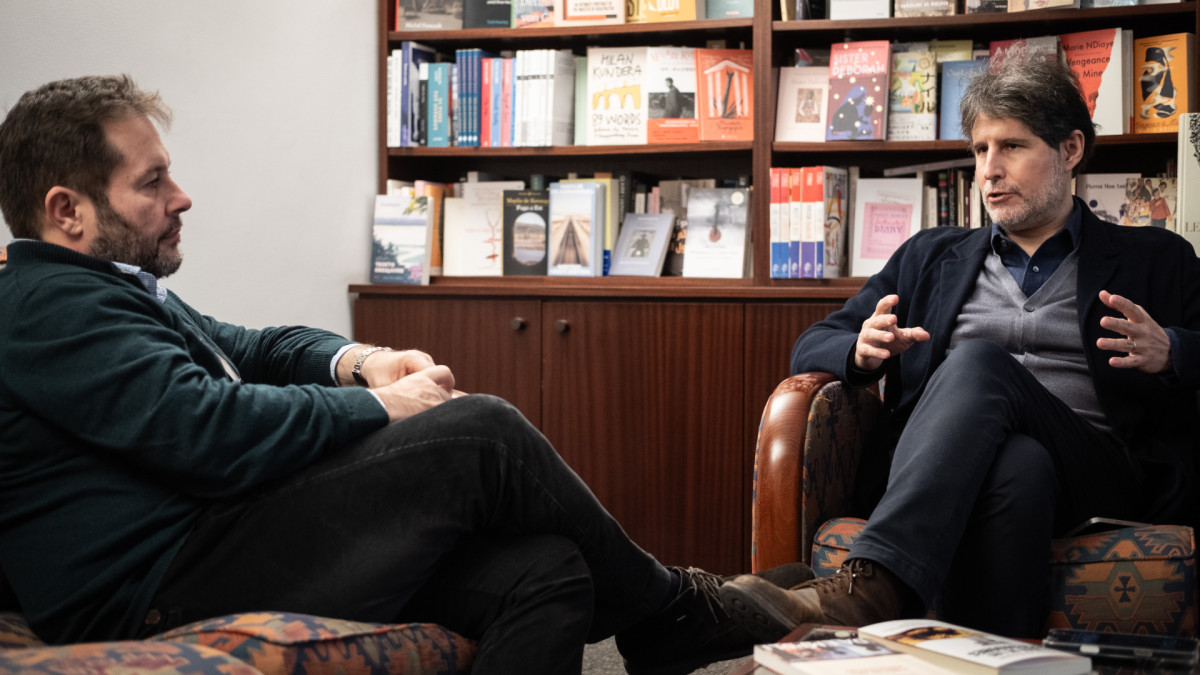
Marc López Plana, editor and director of 'Agenda Pública', talks with writer Giuliano Da Empoli.Agenda Pública / Bruno Arbesu
por Marc López Plana18 de enero de 2026
Why do European elites continue to believe they can manipulate leaders like Trump or Putin? Agenda Pública speaks in Paris with the Italo-Swiss thinker to examine the fusion of political authoritarianism and the major technological “predators.” Da Empoli issues an existential warning to the European Union: liberal democracy in the United States is facing a regime change in which “the use of force becomes a real possibility,” and Europe’s only way out, he argues, may be an open conflict over digital sovereignty.
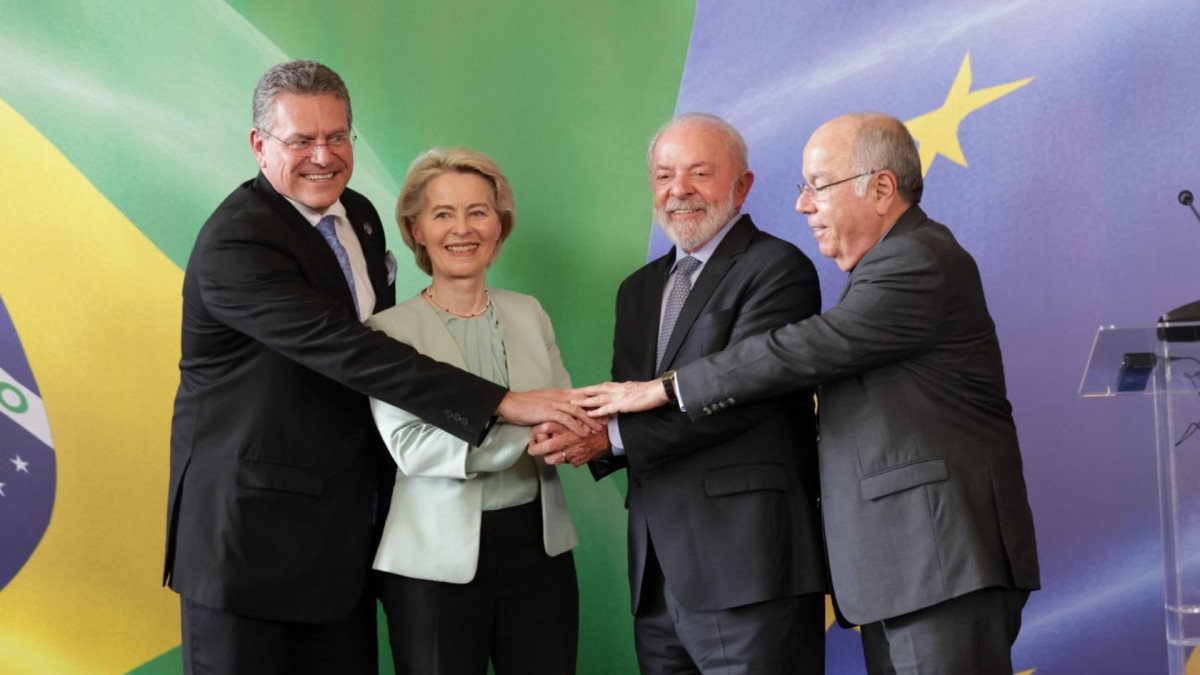
From left to right, European Commissioner for Trade and Economic Security Maroš Šefčovič, European Commission President Ursula von der Leyen, Brazilian President Luiz Inácio Lula da Silva, and Brazilian Foreign Minister Mauro Vieira.Social media of Ursula von der Leyen
por Javi López17 de enero de 2026
Javi López, Vice-President of the European Parliament, analyzes the implications of the agreement between the European Union and Mercosur and contends that "it has come at the right time." For Europe, the treaty is "an essential starting point if it wants to remain a relevant player." Looking at Spain, he finds "particular relevance" and stresses that, together with Germany, the country has served as "a driving force for approval."
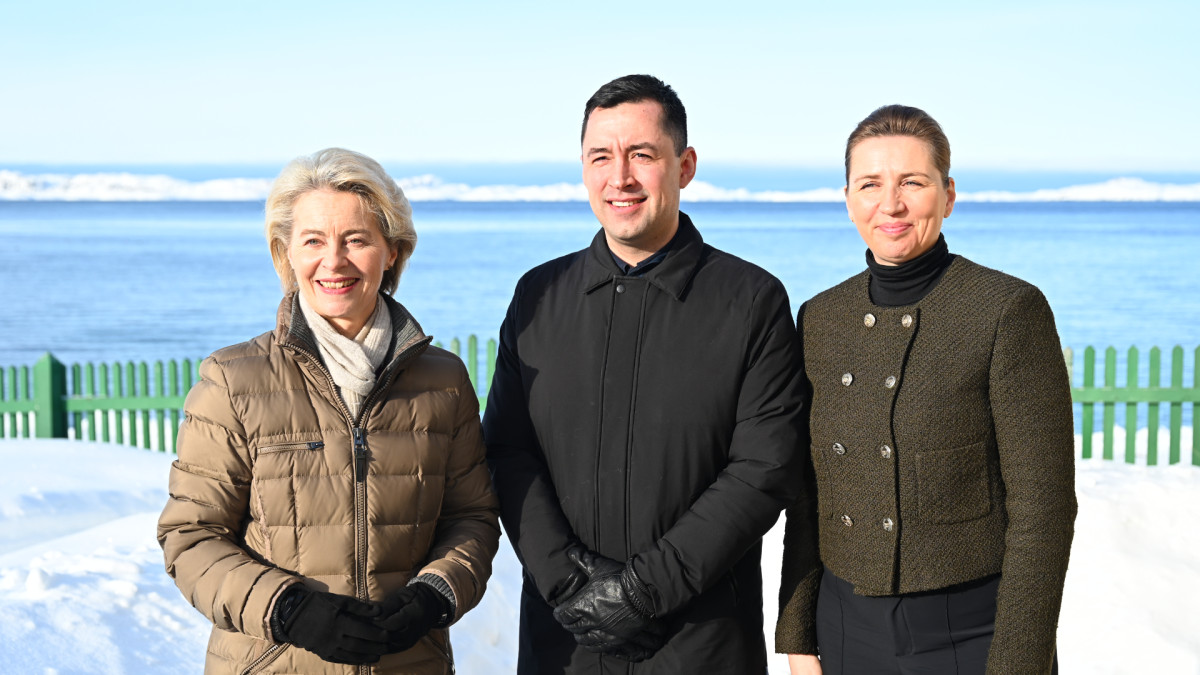
The president of the European Commission, Ursula von der Leyen, visited Greenland in 2024 together with the then prime minister of Greenland, Múte Bourup Egede, and the Danish prime minister, Mette Frederiksen.European Commission audiovisual service / Dati Bendo
por Alberto Alemanno14 de enero de 2026
.png)
"If Europe is not going to defend Denmark, then what exactly is the EU for?" asks Alberto Alemanno, Jean Monnet Professor of European Union Law at HEC Paris. As an expert in the Union's legal architecture, he considers Greenland to be "the most serious test of sovereignty for Europe since the Cold War." He proposes an EU that activates its strategic levers to defend its territory, but issues a final warning: deterrence "only works when the other party believes you will act."
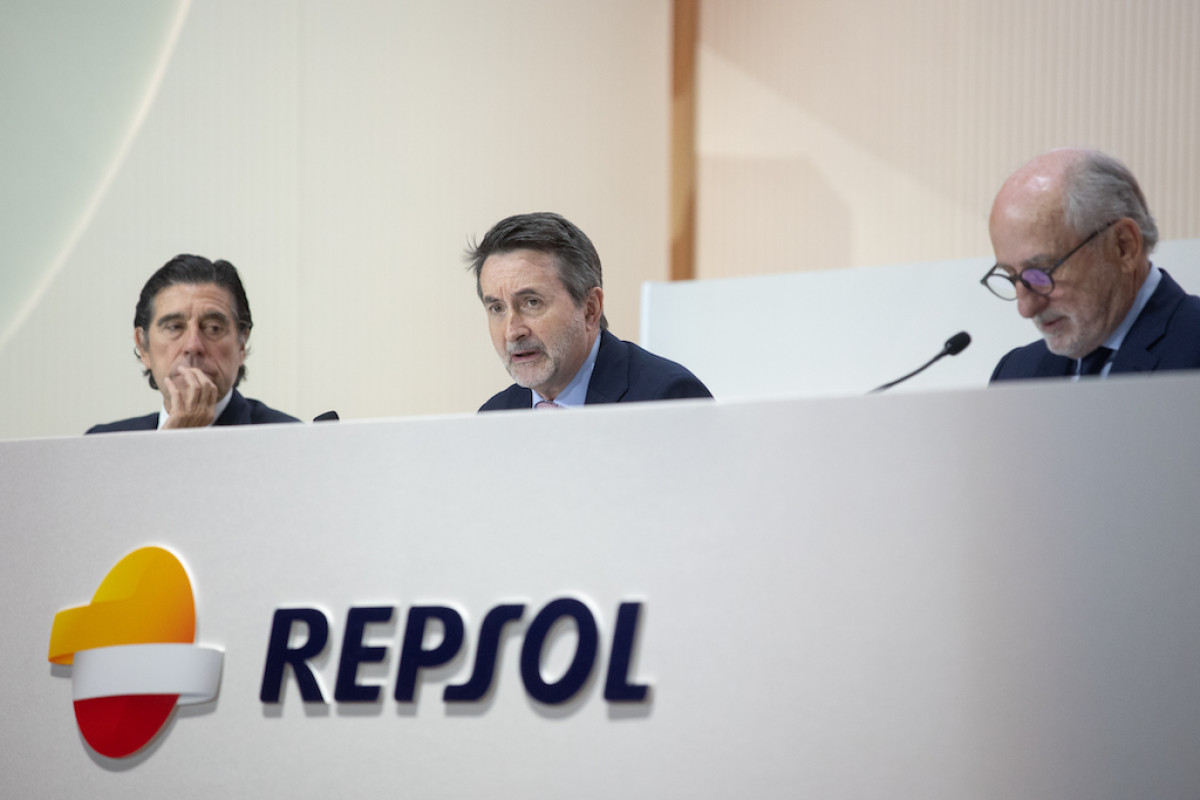
Repsol holds its Annual General Meeting of Shareholders.Alejandro Martínez Vélez / Europa Press / ContactoPhoto
por Marc López Plana13 de enero de 2026
"To understand Repsol’s presence in the White House," writes Marc López Plana, editor and director of 'Agenda Pública', "it must be recognized that Josu Jon Imaz is not seeking to validate an autocratic system for pleasure, but to operate within it, to prevent his shareholders and the company’s workers and investments from losing out in the transition to a new order." He argues that, "If we are unable to build a kind of governance that can compete with the extractive efficiency of neoroyalism, we will be reduced to moralistic spectators in a world that no longer listens to us.
por Darío Salinas Palacios9 de enero de 2026
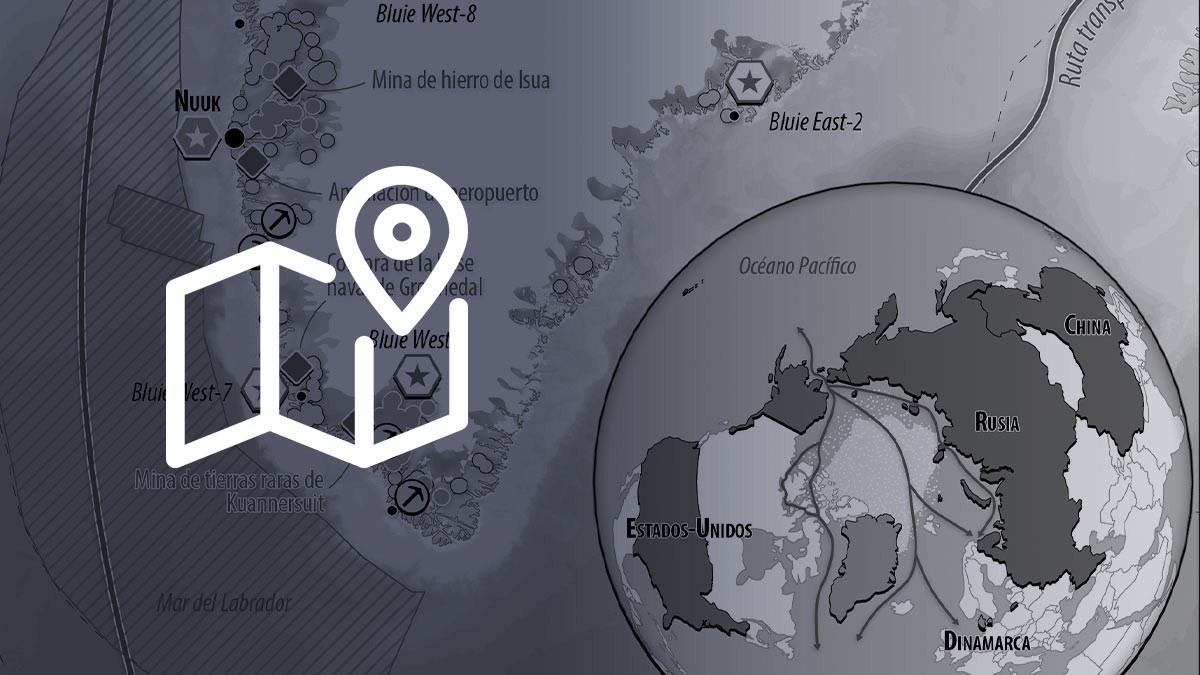
Donald Trump's insistence on acquiring Greenland, according to the White House, is driven by national security imperatives regarding China. However, a territorial analysis reveals that, beneath this security rhetoric, material factors – particularly access to critical minerals – more precisely explain American interest. While official discourse emphasises an alleged Chinese "omnipresence" in the Arctic, the data presents a more nuanced reality.
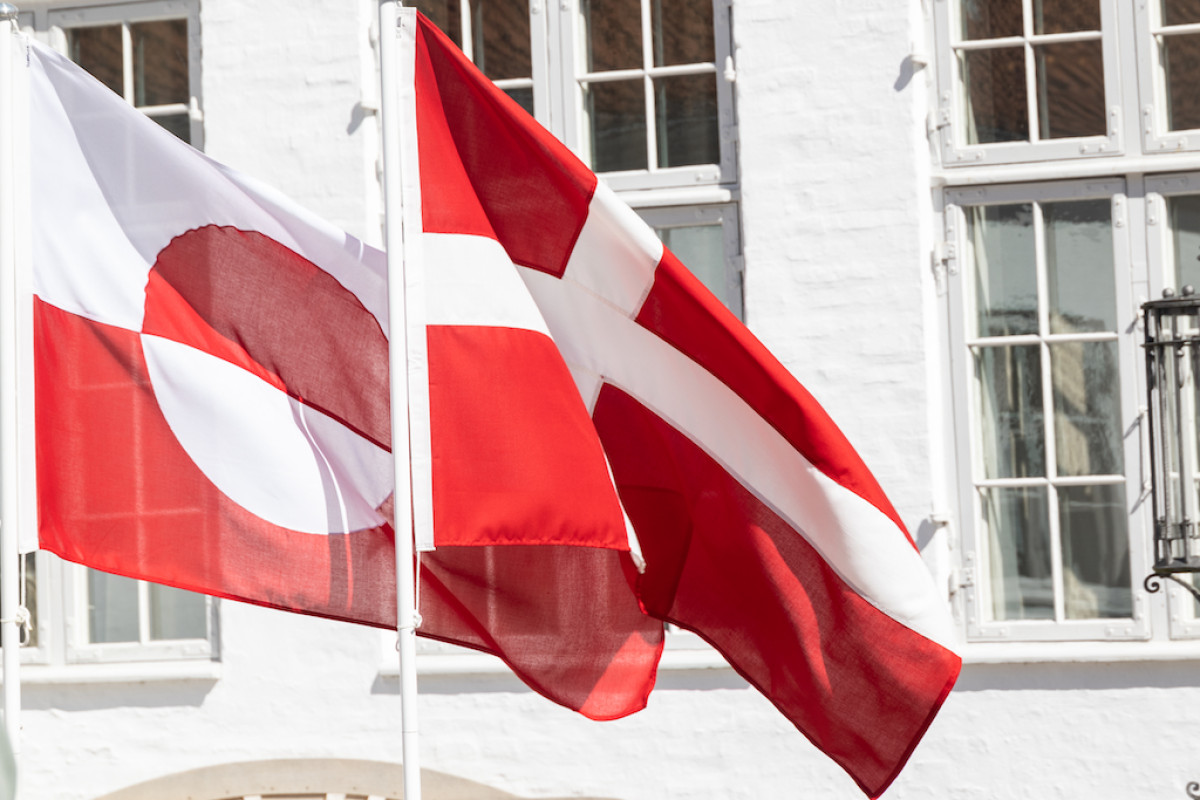
The flags of Greenland and Denmark fly at a joint press conference with Prime Ministers Jens-Frederik Nielsen and Mette Frederiksen.Kristian Tuxen Ladegaard Berg / Zuma Press / ContactoPhoto
8 de enero de 2026
No longer a remote island, Greenland is now a test of credibility for the European Union. Strategic designs by the United States on European territory are highlighting the extent to which the EU is capable of defending its sovereignty. Without a unified response, the notion of strategic autonomy will be rendered rhetorical. Spain should involve itself in this matter.
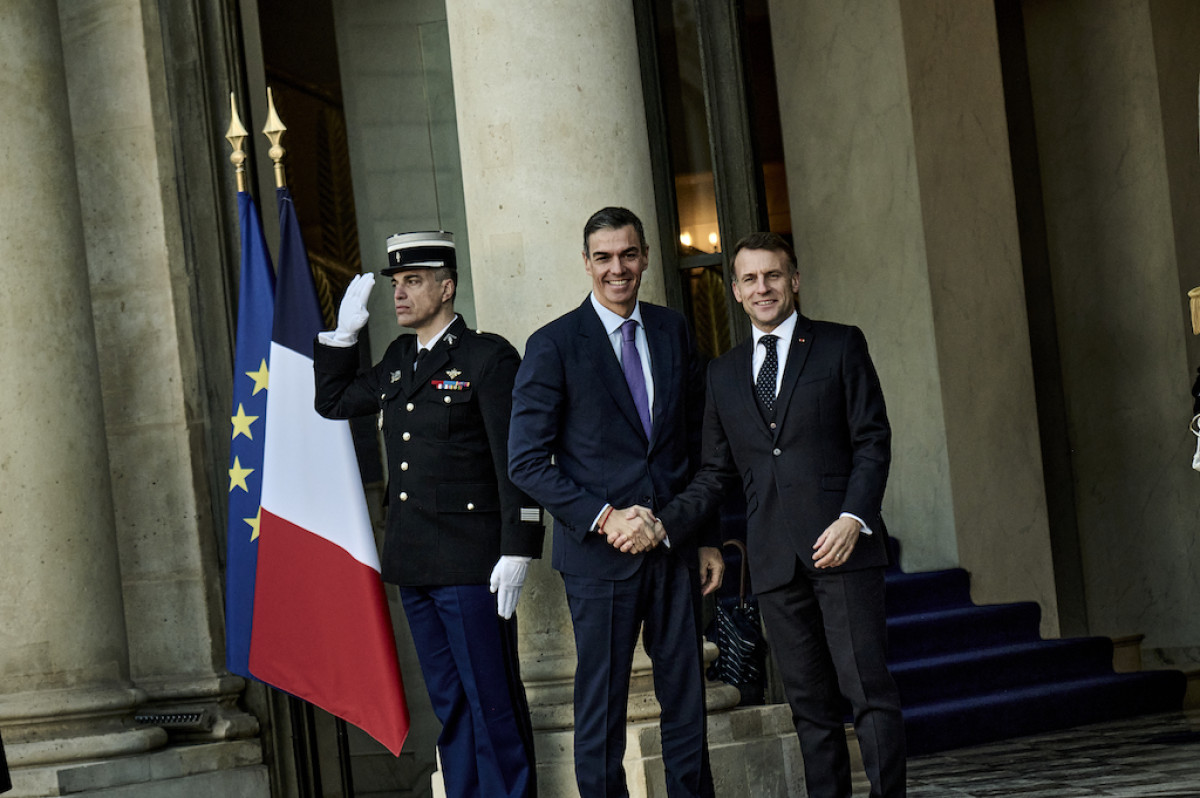
Summit of the coalition of the willing at Elysée PalaceAntonin Burat / Zuma Press / ContactoPhoto
por Marc López Plana7 de enero de 2026
For decades, Europe has delegated responsibility for its own security while confusing an absence of war with peace. Today, that convenient arrangement has become a strategic vulnerability. As Marc López Plana – editor and director of 'Agenda Pública' – points out, Spain suffers from "an incomplete strategic culture." The defense of multilateralism must be more than a declaration; Spain should promote the creation of a European army capable of sustaining the legal order that it claims to uphold.
.jpg)
Secretary of State Marco Rubio, following the operation to capture Nicolás Maduro alongside President Donald Trump.Official White House photo
por J. P. Carroll7 de enero de 2026

The arrest of Nicolás Maduro marks a turning point for Venezuela. Now, "there are concerns about how democracy will be restored," and U.S. analyst J. P. Carroll points to senior government officials and key players in the US private sector who will decide much of what happens in the South American country.
-1920x1080.jpg)
On the left, the Panamanian military leader Manuel Noriega, detained in 1989 by the U.S. On the right, the Venezuelan politician Nicolás Maduro, also detained by the U.S. in 2026.United States Air Force and DEA
por J. P. Carroll6 de enero de 2026
Donald Trump says that the United States will "run" Venezuela until a "proper transition" takes place. U.S. analyst J. P. Carroll speaks with Francis Rooney, former Vice Chair of the House Foreign Affairs Committee, and Max Meizlish, researcher at the Foundation for Defense of Democracies, to assess the democratic challenge of Trump’s move, the possibility of Venezuela becoming "a new Iraq," and the complicated situation of the opposition to Maduro.
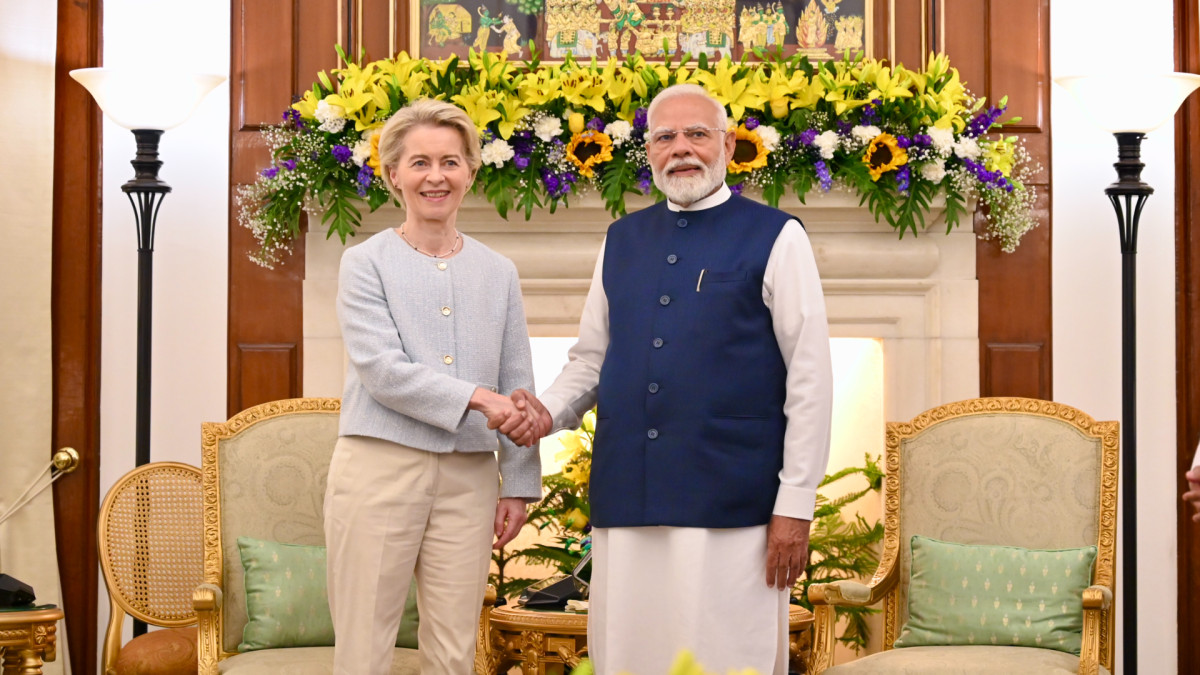
European Commission President Ursula von der Leyen with Indian Prime Minister Narendra Modi during her official visit to the country in February 2025.European Commission Audiovisual Service
por Jeremy Cliffe1 de enero de 2026

For Jeremy Cliffe, editorial director of the European Council on Foreign Relations (ECFR), 2026 looks set to be "much more than an in-between year" could be "the boundary between the early-21st century and mid-21st century Europe." In a year marked by the radical right's agenda, debates on European economic architecture and the EU's role in the world—and in which Spain celebrates 40 years since joining the European Union—2026 looks set to be much more than a time of transition.
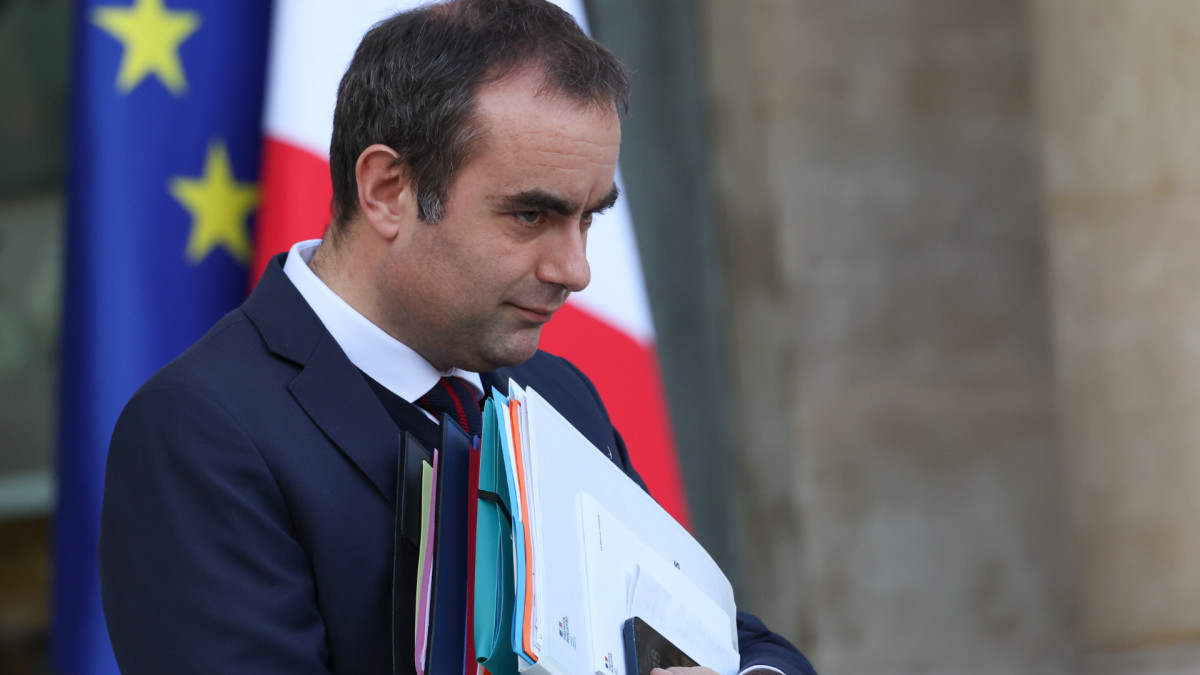
Prime Minister of France Sébastien Lecornu leaving the Elysée Palace after meeting with the Council of Ministers on 17 December.Michael Baucher / Zuma Press / ContactoPhoto
por Miguel Ángel Ortiz-Serrano29 de diciembre de 2025

Despite the urgent need to approve its economic budget, France remains in political deadlock. Miguel Ángel Ortiz-Serrano, PhD in Economic History and Professor of Economics, dissects the "partial victory" of Prime Minister Sébastien Lecornu, whom he sees as "the only figure capable of building bridges to both the left and the right" to prevent further economic declines.
_(1)_(1).jpg)
Milanovic speaks at the Cercle d'Economia meeting.David Zorrakino / Europa Press / ContactoPhoto
por Rodrigo Pinedo Texidor28 de diciembre de 2025
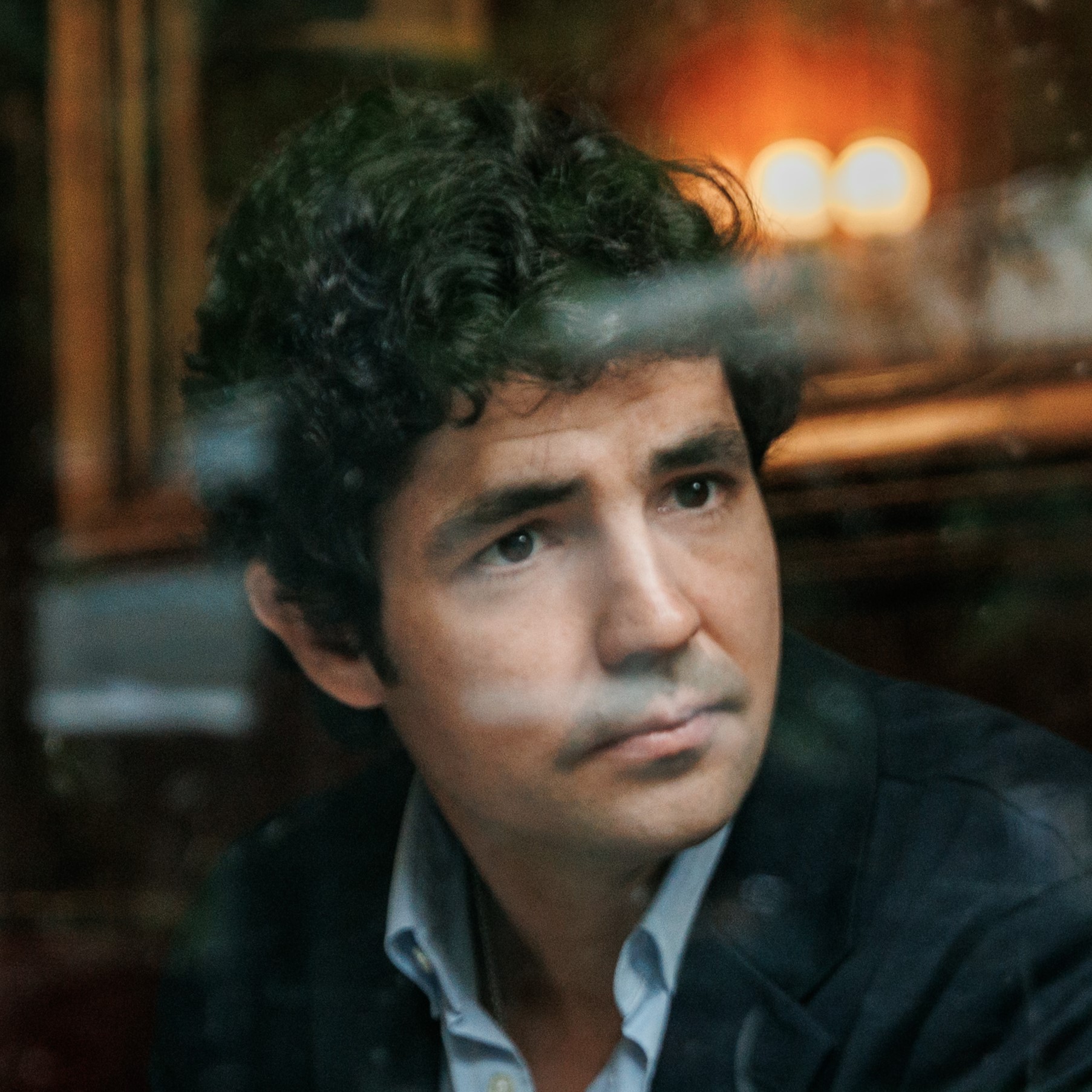
After devoting his career to analyzing inequality, the Serbo-American economist warns that "political power tends to move toward those who have money," and that democracy ends up being "ostensible." In a conversation with 'Agenda Pública' vice president Rodrigo Pinedo, he also emphasizes that "globalization has been coming to an end on the external front" since the first Trump administration, but that "neoliberalism is not ending domestically."
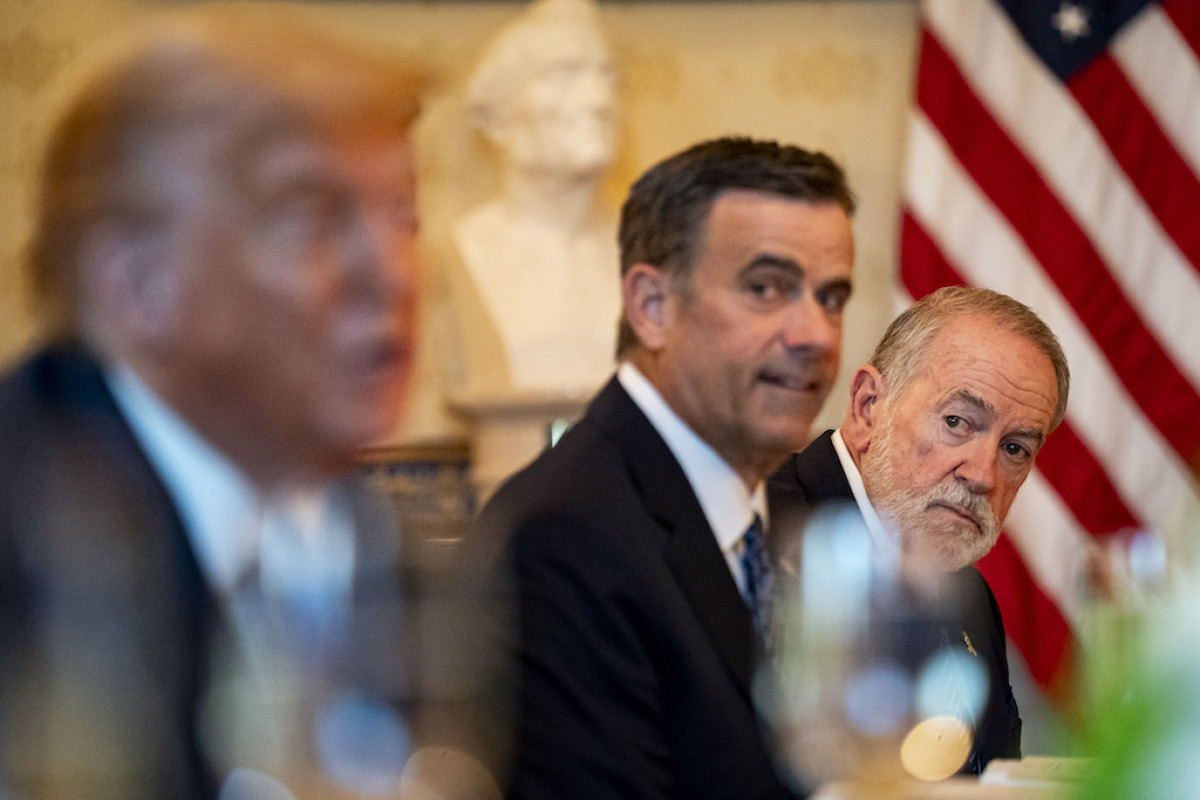
Mike Huckabee, US ambassador to Israel, right, John Ratcliffe, director of the Central Intelligence Agency (CIA), center, during a dinner with US President Donald Trump, left.Al Drago - Pool via CNP / Zuma Press / ContactoPhoto
por J. P. Carroll27 de diciembre de 2025
From Washington, D.C., security adviser J. P. Carroll speaks with former CIA officer and geostrategy expert Bjorn Beam. An adviser to several NATO partner countries, he argues that the current context is ideal for Europe to "take its security seriously" and reviews some of the most pressing items on the agenda, including Venezuela, the U.S. security strategy, and the conflict in Gaza.
-1920x1080.jpg)
Prepared by 'Agenda Pública' with its own images from the European Parliament, the European Commission, and the European Central Bank.
23 de diciembre de 2025
Everyone on this list deserves to be here, but not all who deserve to be mentioned are on the list. Spain is experiencing a moment of high global influence: the PP, the PSOE, and Vox all possess significant weight among Europe’s organizations. Spain has been fundamental to the stability of the European Commission, and a good number of Spanish officials occupy key posts at organizations such as NATO – distinctions that the Government of Spain is keen to maintain. Here are some of the most influential Spaniards in Europe in 2025.
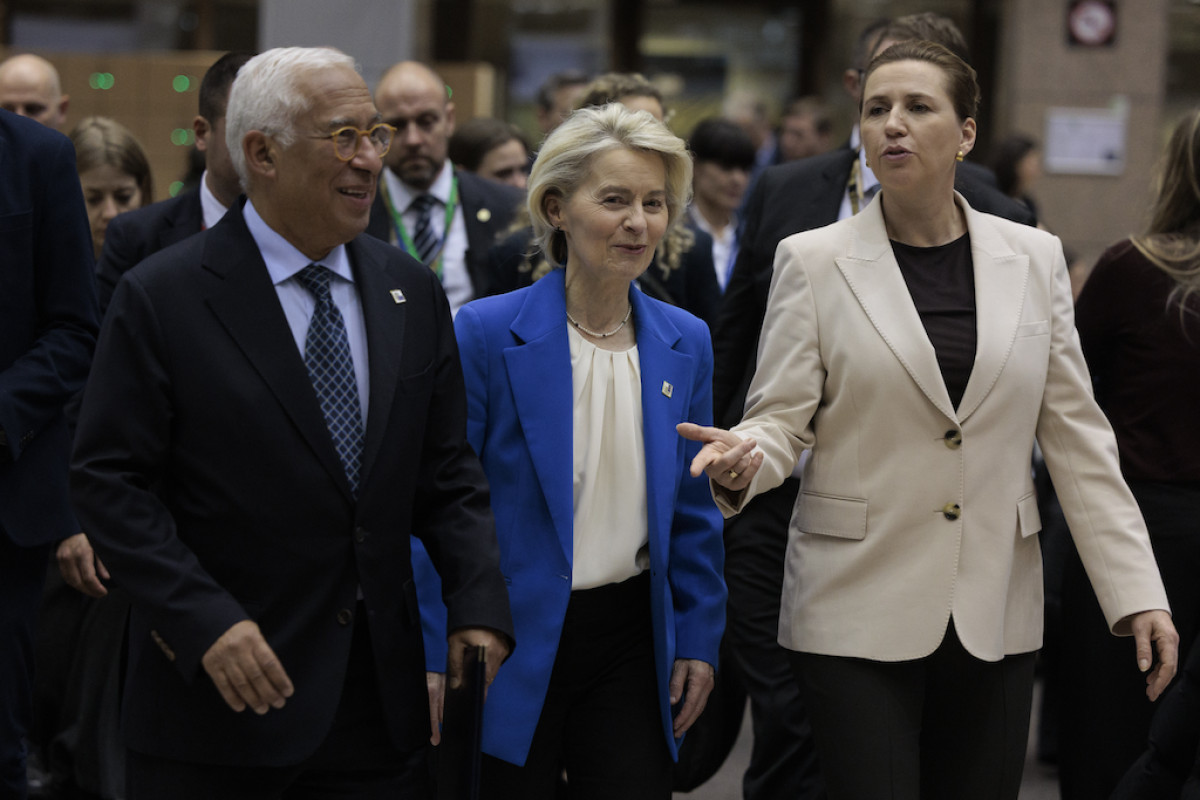
European Council summit meeting.NICOLAS MAETERLINCK / Belga Press / ContactoPhoto
por Marc López Plana22 de diciembre de 2025
"Today it’s necessary that we make our decisions through politics while also assuming collective responsibility." In this edition of Brújula Europea, Marc López Plana – director and editor of 'Agenda Pública' – reflects on how, after five years of global crises, the European Union is leaving behind its tradition of passive consensus and becoming a more political entity: more conflictive, more deliberative, and more capable of making strategic decisions.
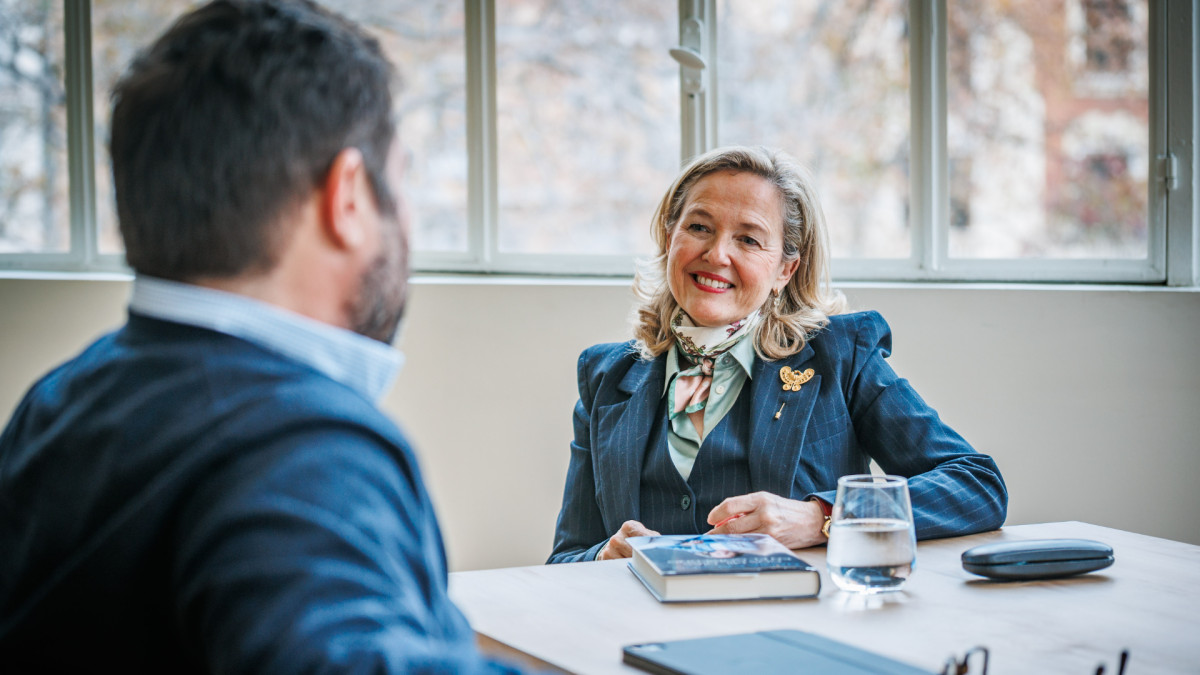
Nadia Calviño, President of the European Investment Bank, receives Marc López Plana, editor and director of 'Agenda Pública'.Agenda Pública / Tania Sieira
por Marc López Plana21 de diciembre de 2025
After two years at the helm of the European Investment Bank, Nadia Calviño speaks with Marc López Plana, editor and director of 'Agenda Pública'. Within the current context of "enormous volatility" the EIB President identifies key aspects of the international chessboard, describes our present challenges, and recalls the most complicated moments during her time as Spain’s Minister of the Economy.
-1920x1080.jpg)
From left to right: Ursula von der Leyen (President of the European Commission), António Costa (President of the European Council) and Kaja Kallas (High Representative of the European Union for Foreign Affairs and Security Policy).European Union (European Council)
por Luiza Bialasiewicz18 de diciembre de 2025
.png)
On the eve of one of the most significant European Council meetings in recent months, security experts Luiza Bialasiewicz and Monika Sus urge European leaders to recognise "the Europe we are currently living in". To ensure "economic and social protection", they argue that Europe must admit that "we are at war" and propose a package of measures that begins with understanding—and changing—the narrative around the issue.
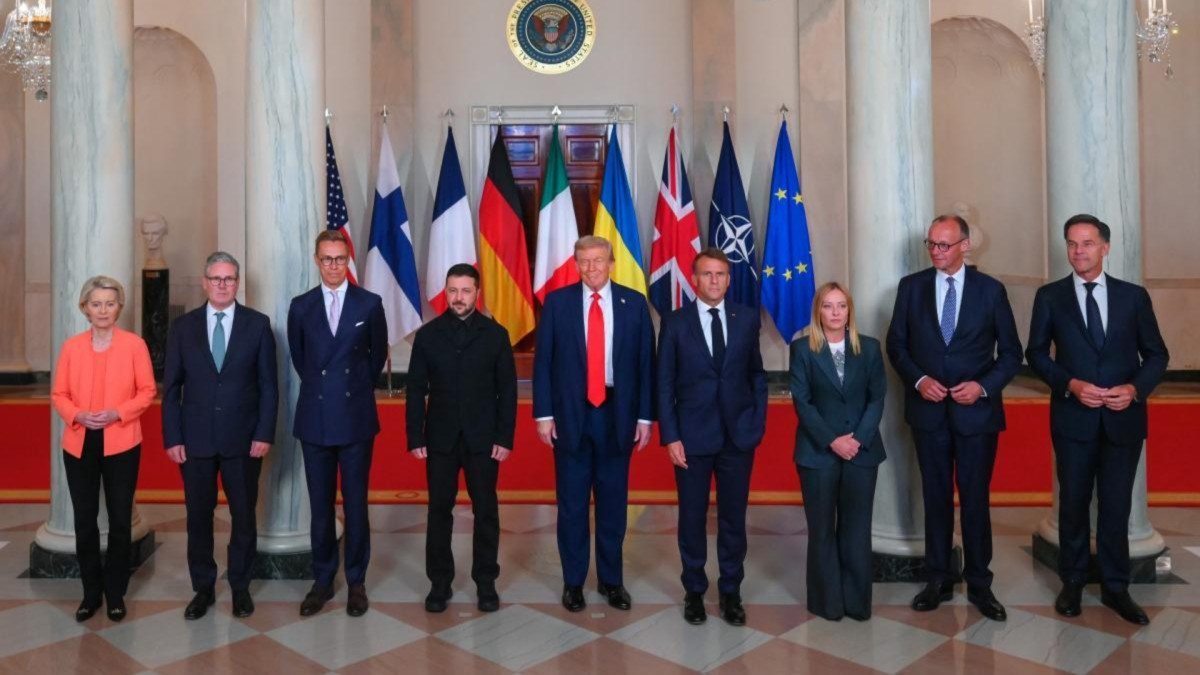
Last August, Donald Trump received some of Europe’s top leaders at the White House.European Commission Audiovisual Service.
por Marc López Plana15 de diciembre de 2025
Europe is reacting with surprise to Donald Trump’s new National Security Strategy, but perhaps it should examine itself first. As the editor and director of 'Agenda Pública' warns in this week’s European Compass, "Europe’s strategic weakness is not external, but internal – it’s born of the Union’s inability to act as a coherent political unit." This revelation of U.S. interventionist designs doesn’t signal a new era; it merely underlines a weakness that’s been developing for decades.
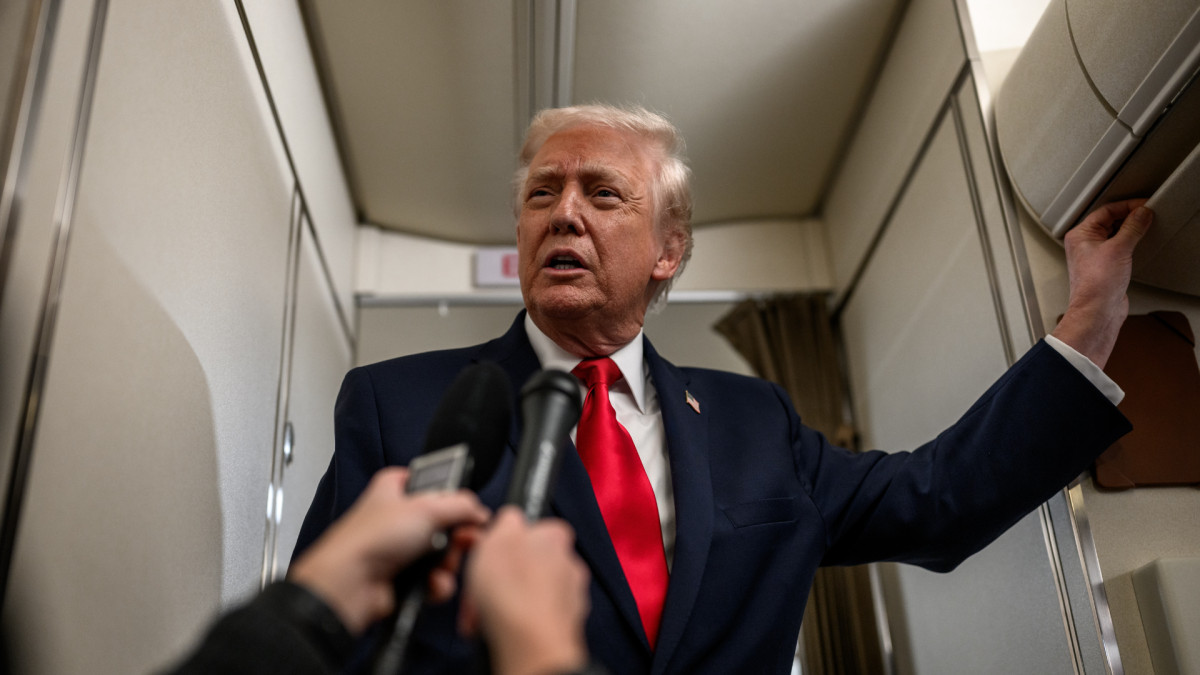
U.S. President Donald Trump aboard Air Force One.The White House / Molly Riley
por Jeremy Cliffe15 de diciembre de 2025
For Jeremy Cliffe, editorial director at the ECFR think tank, the administration’s National Security Strategy confirms that both Europe and Washington misunderstand their relationship. In his analysis, he argues that a "return to hard facts" is the only possible response for a Europe looking out for its own well-being.
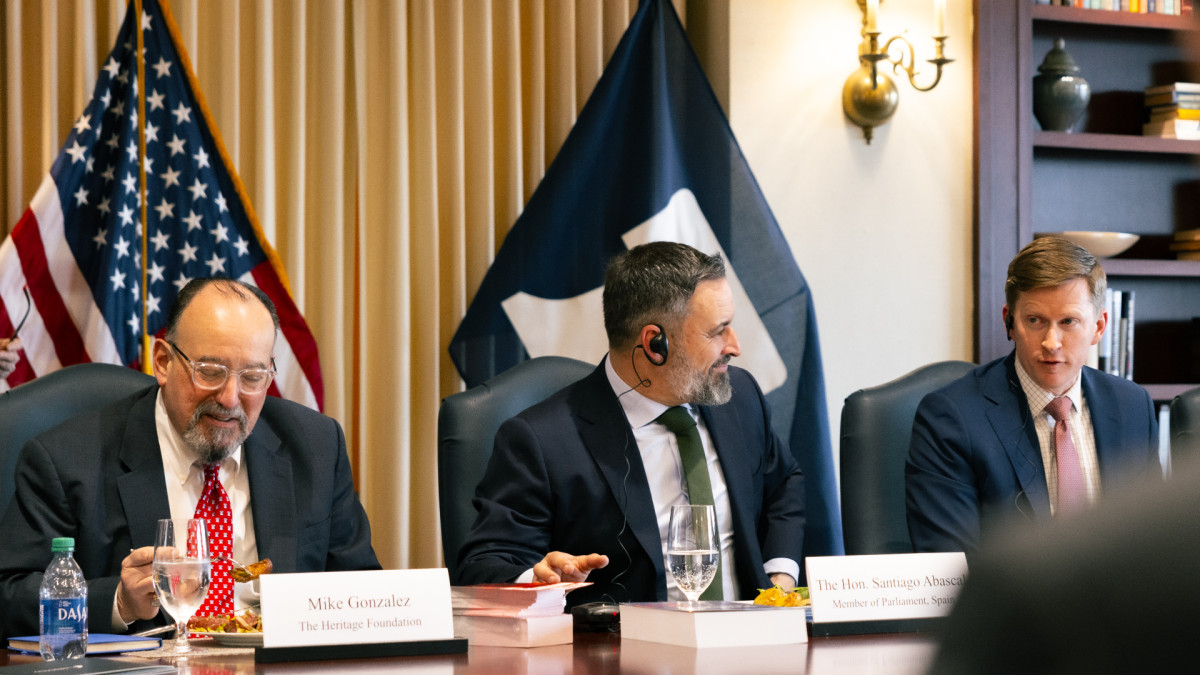
Vox's leader Santiago Abascal alongside Mike Gonzalez in a meeting at The Heritage Foundation.Vox Spain
por J. P. Carroll10 de diciembre de 2025
The field of "Transatlantic policy" is relatively new in Spain. For this reason, J. P. Carroll presents the views of one of the think tanks that work with the PP and Vox. In his conversation with Mike Gonzalez, a Senior Fellow at the Heritage Foundation, they discuss Spain as an important country within "Western civilization," explain the role of these think tanks in Europe, and assess the continent’s politics from the perspective of the Republican Party.
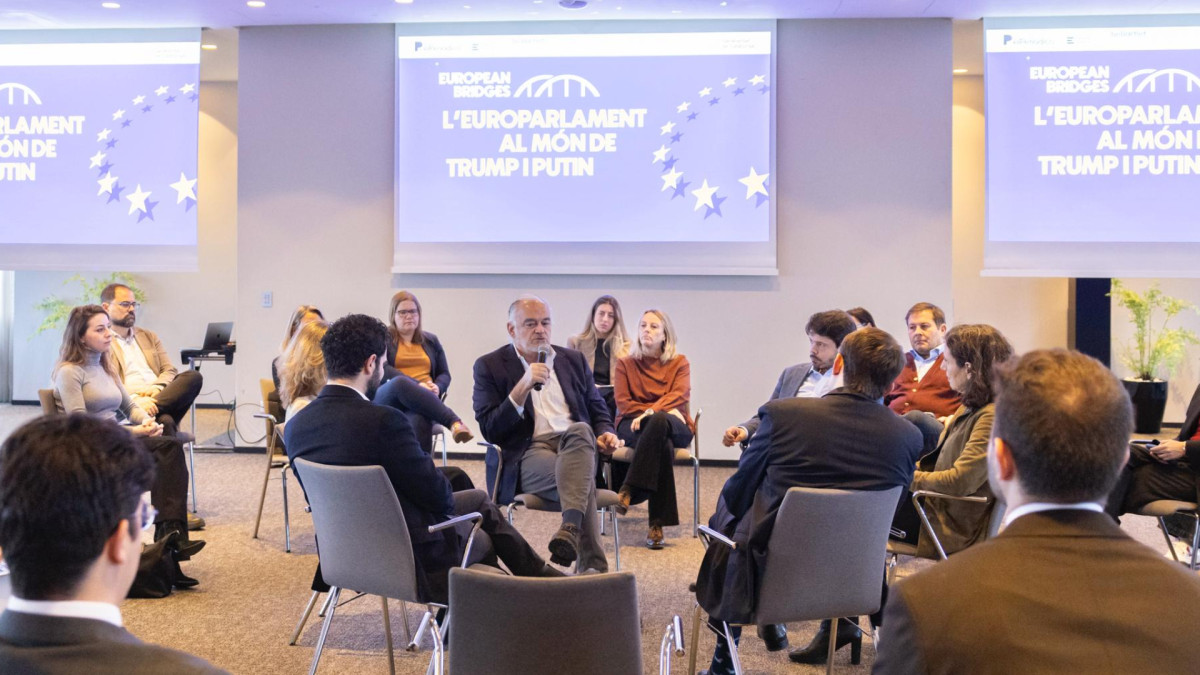
Marc López Plana, editor and director of 'Agenda Pública', at an event alongside MEPs Esteban González Pons and Javi López.Image courtesy
por Marc López Plana8 de diciembre de 2025
In this week’s European Compass, Marc López Plana — editor and director of 'Agenda Pública' — considers how constructive dialogues between Spanish Socialists and the Partido Popular within the European institutions are in contrast with the evident polarization of Spain’s national politics. He also warns of a growing risk of "Spanishization" in European politics, underscoring Spain’s strategic responsibility at a time when the consensus that has sustained the European project is showing signs of weakness.
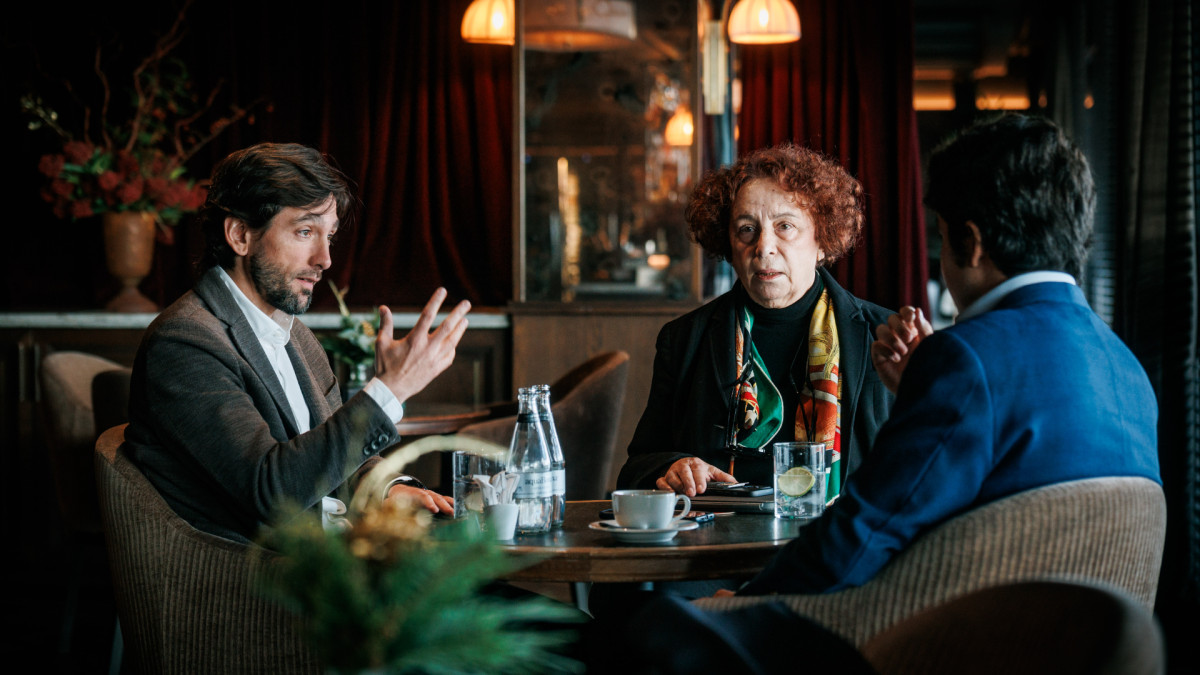
Vázquez and Palacio speak with Rodrigo Pinedo, vice president of 'Agenda Pública'.Agenda Pública / Tania Sieira
por Rodrigo Pinedo Texidor7 de diciembre de 2025
The world "has changed" and the European Union must adapt and step up, according to Ana Palacio – Spain’s Minister of Foreign Affairs from 2002 to 2004 – and MEP Adrián Vázquez of the Partido Popular. In this conversation with Rodrigo Pinedo, vice president of 'Agenda Pública', they spoke with regret of setbacks to the rule of law and advised that 'double standards' not be applied to individual Member States based on the 'color' of their government. "A Commission that is seeking to survive politically within the Council will always have an easier time acting in opposition to the ugly ducklings," Vázquez warned.
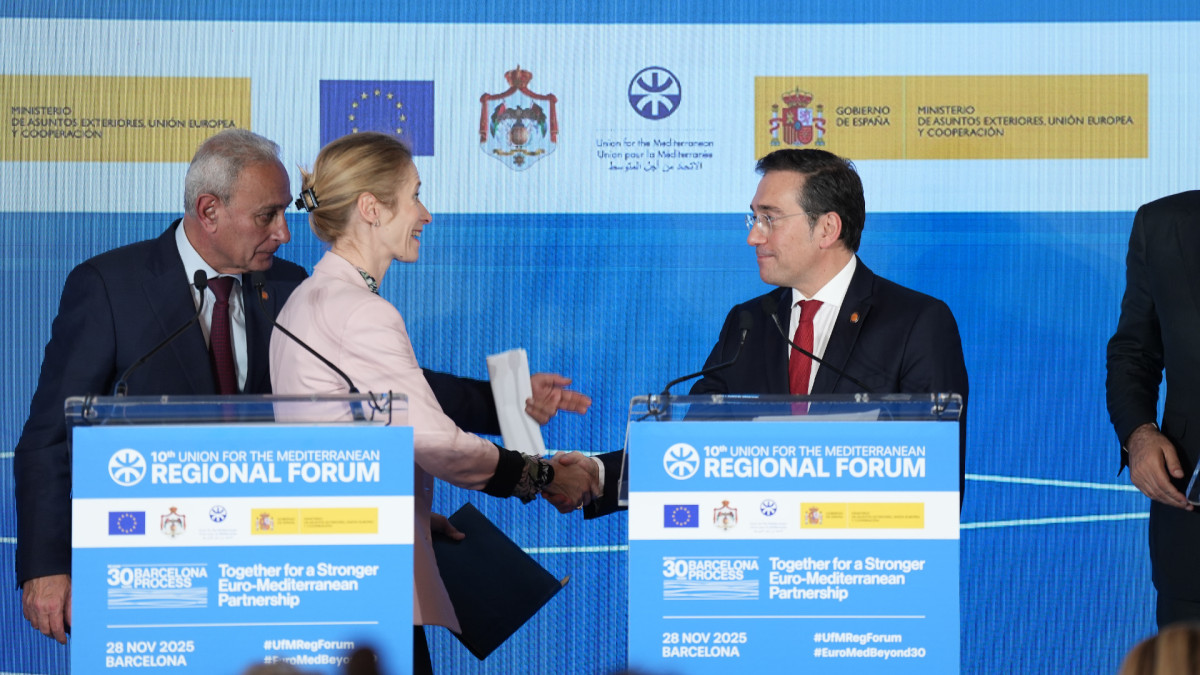
Left to right: Nasser Kamel, Secretary General of the Union for the Mediterranean; Kaja Kallas, High Representative of the EU for Foreign Affairs and Security Policy; José Manuel Albares, Spain’s Minister of Foreign AffairsDavid Zorrakino / Europa Press / ContactoPhoto
por Marc López Plana1 de diciembre de 2025
Spain is having "a hard time reading its own strategic map," claims Marc López Plana. In this edition of European Compass, the director and editor of 'Agenda Pública' underlines the economic and political importance of the Mediterranean region for Spain. Data indicate that relations with this region are even more relevant than those with Latin America; López maintains that Spain should draw inspiration from the integration of Eastern Europe to build new confluences with Morocco, Algeria, and Tunisia.
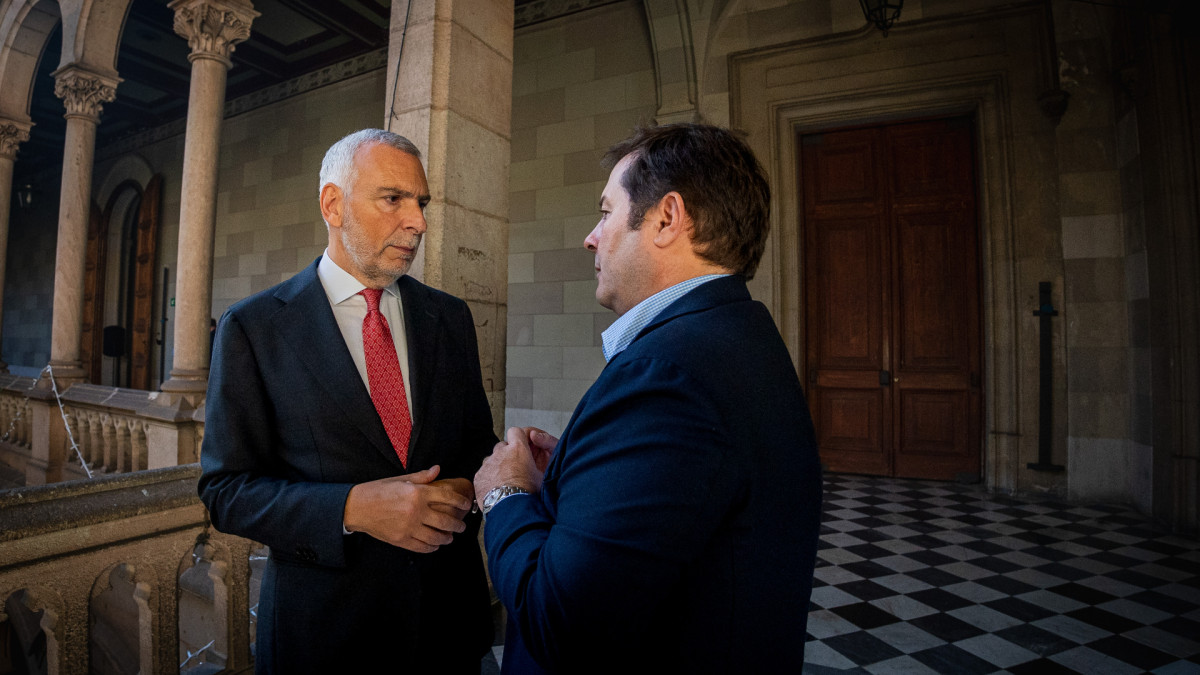
Stefano Sannino, director-general for the European Commission, with Marc López Plana, editor and director of 'Agenda Pública'.Agenda Pública / Tsun Ho
por Marc López Plana30 de noviembre de 2025
Stefano Sannino, director-general for the European Commission, argues that the EU needs to "regard the Mediterranean not merely as a problem but as an opportunity." In this interview, he explains why "the future of this region is also the future of the EU," and how the new Pact for the Mediterranean seeks to integrate security, economy, education, and mobility into a common space.
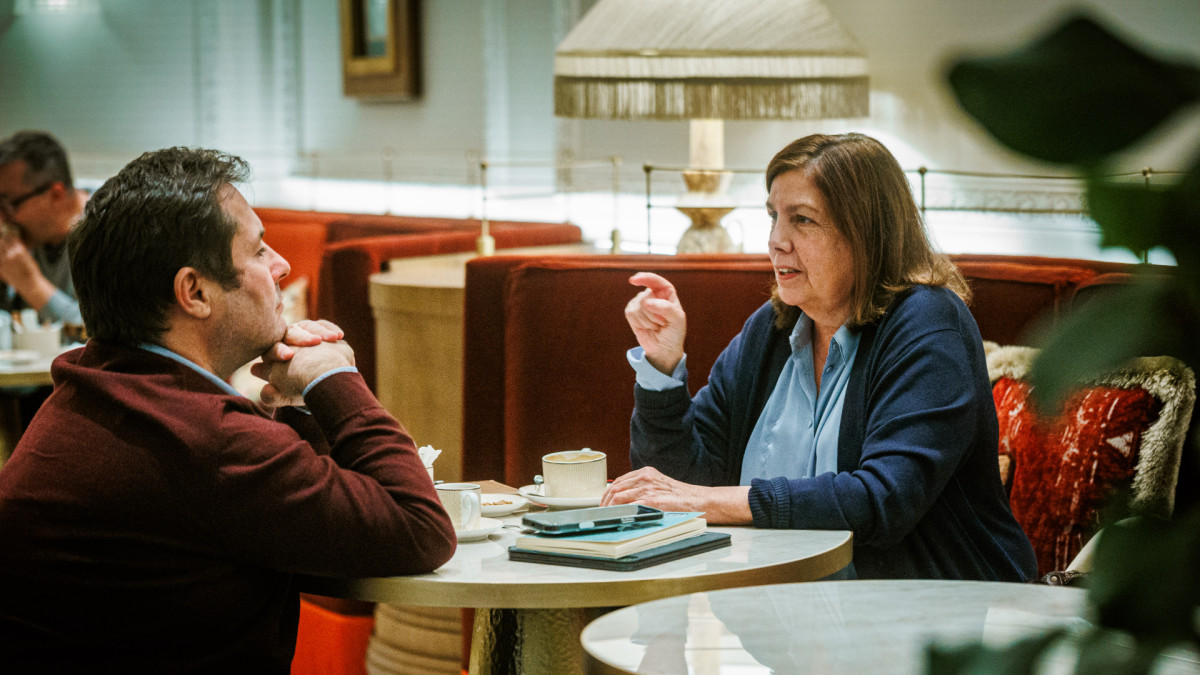
Marc López Plana and Beatriz Méndez de Vigo in conversation in a Madrid cafeteria.Agenda Pública / Tania Sieira
por Marc López Plana25 de noviembre de 2025
Beatriz Méndez de Vigo, former secretary general of the National Intelligence Center (CNI), with one of the longest internal careers in the service, spoke with Marc López, editor and director of 'Agenda Pública'. Their conversation covered such fundamental issues as the culture of defense in Spain, European cooperation, technological challenges, and how the threats faced by democracies have been evolving.
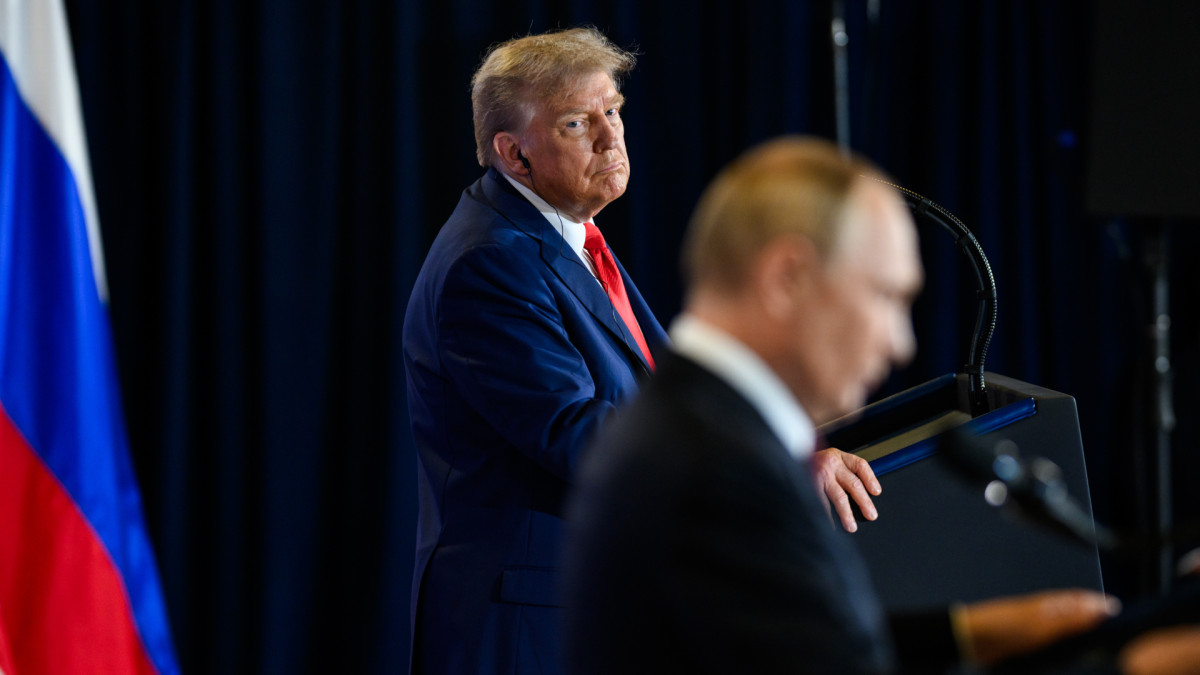
Donald Trump alongside Russian President Vladimir Putin during their latest meeting in Alaska (U.S.).The White House / Daniel Torok
por Egor Kuroptev25 de noviembre de 2025
.png)
Egor Kuroptev, a Russian analyst and director of the EK Strategic Communications Center, argues that the "peace plan" leaked in the United States is a document designed by Moscow to force Ukraine’s surrender. Kuroptev notes that Europe —and particularly Spain— despite facing the greatest threat since the Cold War, remains unprepared for the hybrid war that Russia is already waging on its territory.
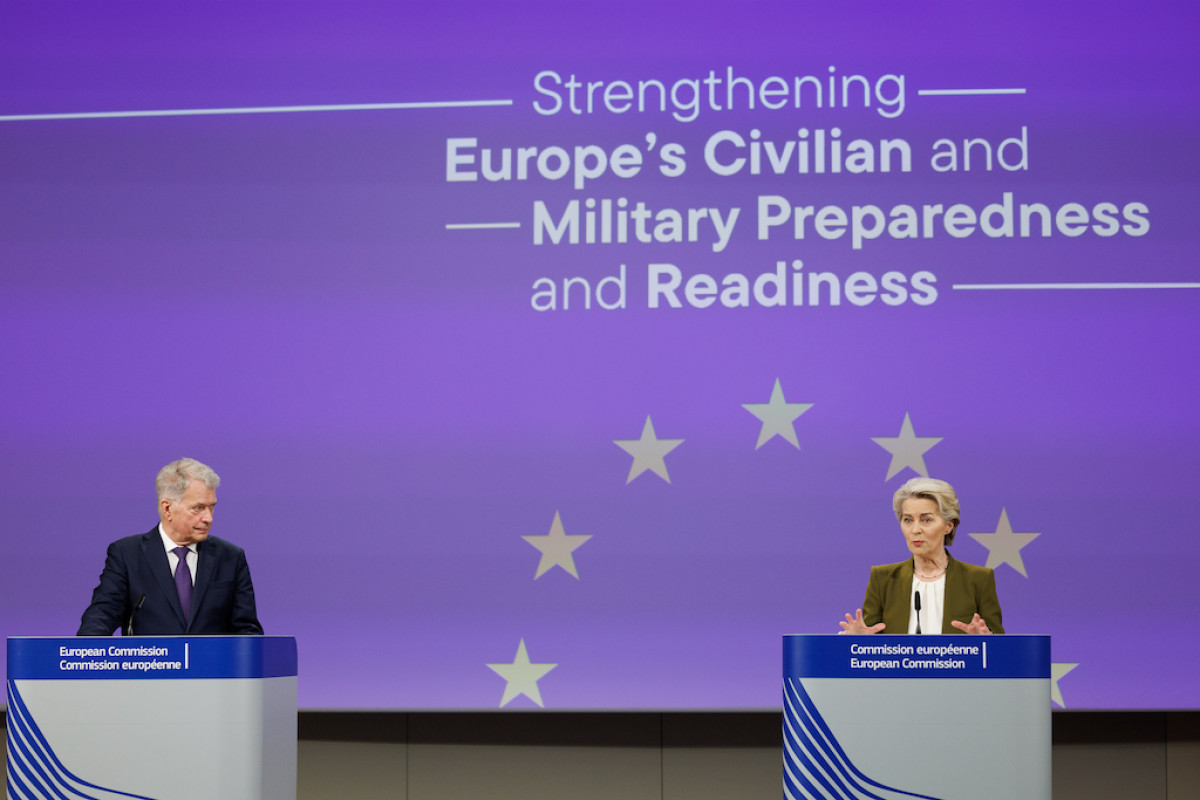
Ursula von der Leyen, President of the European Commission, takes part in a press conference where Sauli Niinistö, her special adviser, presents the report on strengthening Europe’s civil and military preparedness.Audiovisual Service of the European Commission
por Marc López Plana24 de noviembre de 2025
In his weekly column, Marc López Plana — director and editor of 'Agenda Pública' — examines how the EU’s weakness in counterintelligence opens space for foreign actors (from Russia to Morocco to Huawei) to influence its institutions. His central thesis: Europe exercises considerable power but lacks the strategic apparatus required to safeguard it. Without such defenses, the very autonomy of Europe will remain at risk.
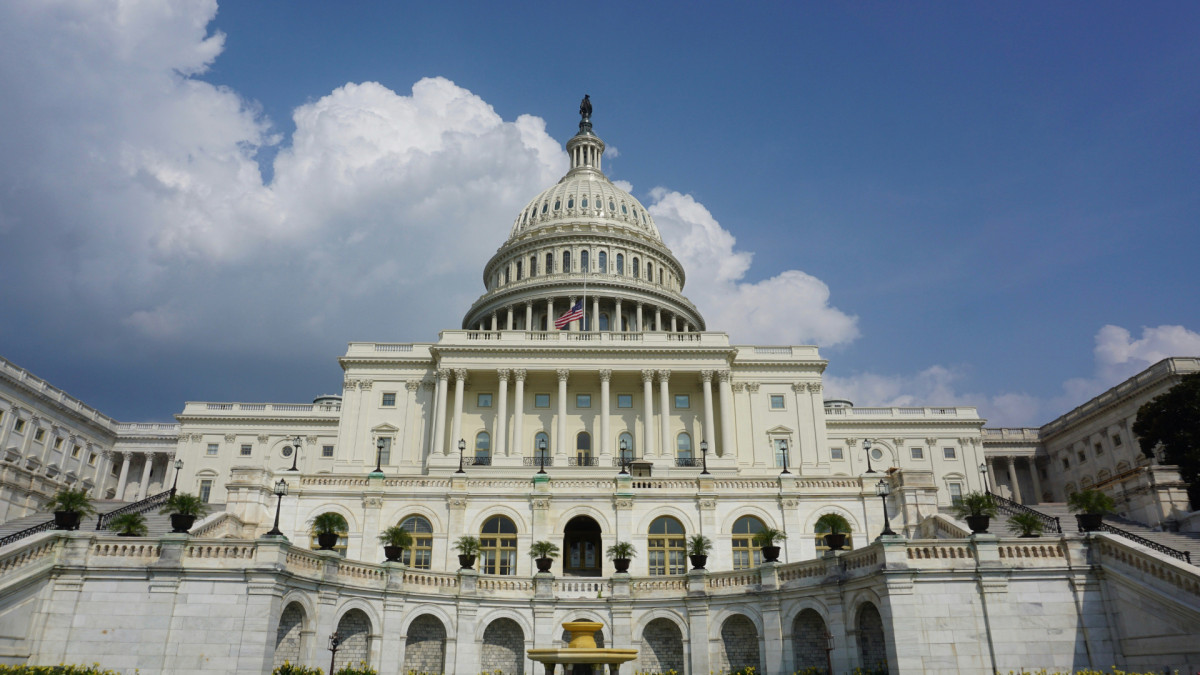
US Congress (Washington D. C.)Unsplash / Quick PS
por J. P. Carroll19 de noviembre de 2025
In the political heart of the United States, the conversation is about Spain, Europe and public policy. In a moment when the "end of the liberal order" is being debated and its challenges scrutinized, J. P. Carroll, Senior Fellow for National Security and Trade at the Rainey Center for Public Policy, offers an account of a series of events organized by the Spanish Public Policy Network (SPPN) in Washington, D.C., where Spain has acquired an unusually prominent role.
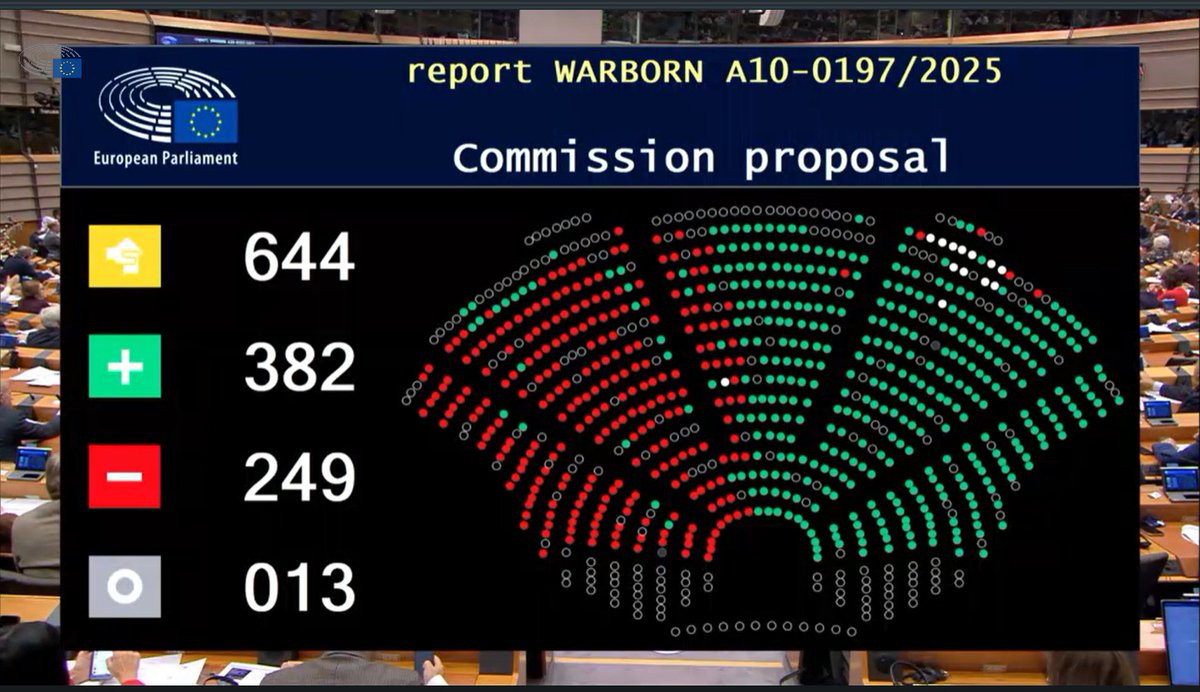
Parliamentary vote result.European Parliament
por Marc López Plana17 de noviembre de 2025
In this analysis, Marc López Plana, editor and director of 'Agenda Pública', argues that the recent adoption of the Omnibus Directive on administrative simplification – approved with broad support from the radical right, and without Social Democrats – “has become a political test” reflecting “a majority that no longer fits” in the new European legislature. According to López Plana, the EPP "is no longer willing to support the Commission’s agenda," signaling a silent leadership crisis that weakens Ursula von der Leyen.
Página 5 de 13
Ahora en portada
1 de octubre de 2026