Viernes, 16 de octubre de 2026




LÓPEZ PLANA'S EUROPEAN COMPASS
Why choosing Europe (and not Trump) is in the interest of tech platforms
Marc López Plana, director and editor of 'Agenda Pública', warns in his weekly column about Silicon Valley’s miscalculation: allying itself with Trumpism against EU regulation. Betting on political volatility rather than Europe’s institutional stability is strategic suicide. Tech companies need to understand that the regulatory predictability of Brussels offers something that Trump cannot: long-term legitimacy and legal certainty.

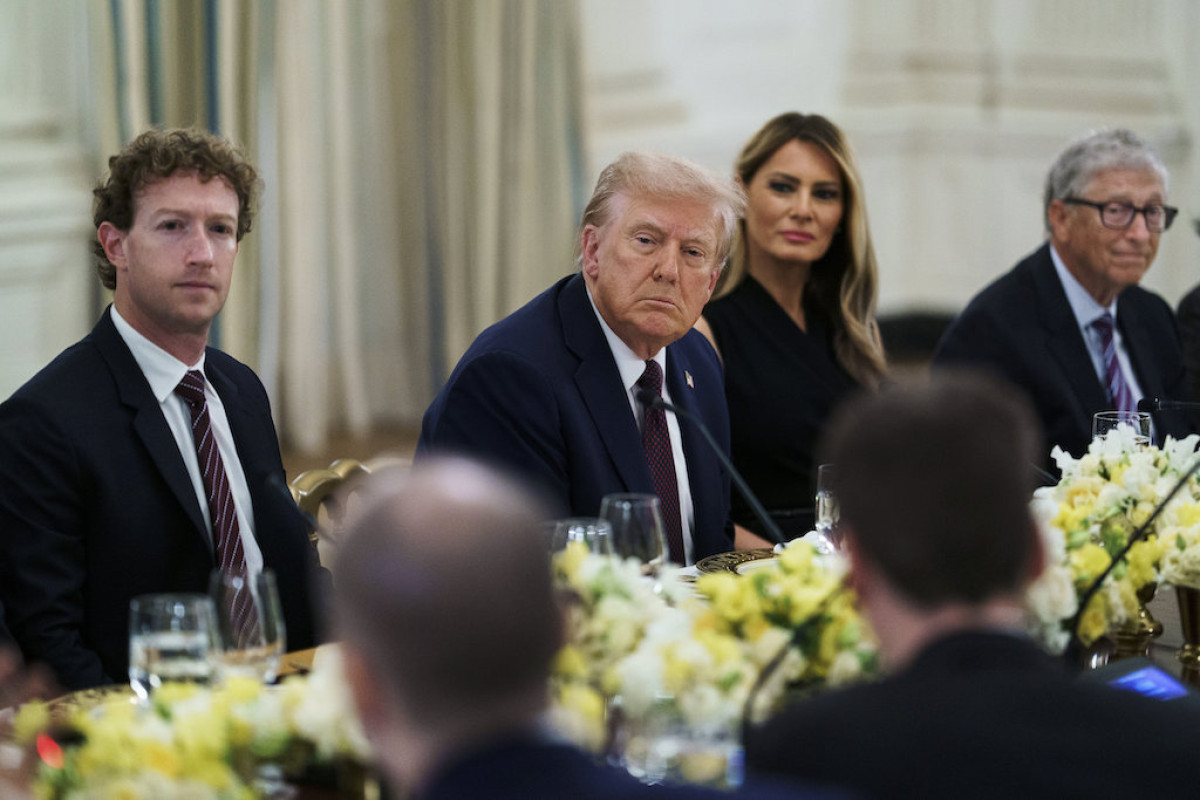
Trump hosts a White House dinner for executives of big tech companies.Will Oliver - Pool via CNP / Zuma Press / ContactoPhoto
The large U.S. tech platforms find themselves in a moment of strategic temptation. Faced with an increasingly assertive European Union that seeks to regulate digital power — as through the Digital Services Act (DSA) and Digital Markets Act (DMA) — some actors in Silicon Valley are flirting with the prospect of aligning themselves with Trump’s political offensive against Brussels, casting European regulation as a protectionist attack on American innovation. That’s a bad position to take, not least in strategic terms.
From that perspective, European regulation isn’t an historical anomaly. It’s the digital equivalent of financial regulation after a banking crisis, or regulation of utilities after a grid has become systemic.
Platforms can try to resist regulation, but they shouldn’t fool themselves: Europe won’t be retreating on this issue.
The precedent is clear: when politics enters into a platform’s governance, corporate independence goes out the window.
Europe concentrates on something less exciting but more valuable: it legislates. The EU establishes ex ante obligations, judicial supervision, rights for users, and foreseeable sanctions. For a global company, this constitutes an advantage, not a problem. Regulatory predictability is a strategic asset.
Within a few weeks, Trump went from threatening the demise of TikTok to presenting himself as the app’s political savior, trapping the platform in a disturbing logic: its survival no longer depended on clear rules, but on the will of an Executive and its usefulness in political terms.
It’s not forbidden to speak, and yet visibility might be modulated. The algorithm doesn’t silence voices; it renders them irrelevant. As various analysts have pointed out, this form of control is more effective than classic censorship: it’s invisible, difficult to prove, and easily justifiable as a technical decision.
For any global platform, this precedent should be alarming. When politics enters the room, business independence departs.
For companies used to negotiating with American political power, the EU’s approach might seem rigid. In reality, its chief characteristic is predictability, and in global markets, predictability is a strategic asset.
Moreover, the narrative of confrontation with the EU erodes the reputation of platforms vis-à-vis regulators, courts, and public opinion in other democratic countries. No company that aspires to be part of the global infrastructure can afford to be seen as a biased political actor.
The acceptance of European regulation involves certain costs: the redesign of products, the separation of data, the opening of systems, and an explanation of how algorithms operate. But it also offers something currently in short supply in the digital economy: legitimacy.
Trump will pass into history, but the EU will remain — regulating, purchasing, litigating, and exporting standards. Companies that understand this will find that accepting limits today is the price of staying relevant tomorrow.
Those that don’t comply will end up being something worse than regulated companies: they’ll be political pawns in battles that they don’t control.
"Betting on Trump against Europe means choosing volatility over stability, politicization over institutionality, and dependence over business autonomy"In the short run, Trump’s rhetoric may seem comforting: promises of deregulation, political backing, and the illusion that geopolitical pressure can ostensibly bring the EU to its knees. Nonetheless, over the medium and long term, betting on Trump against Europe means choosing volatility over stability, politicization over institutionality, and dependence over business autonomy.
Europe doesn’t regulate on a whim: it regulates power
Worth mentioning is a fact that many platforms find uncomfortable: European regulation doesn’t amount to a cultural misunderstanding or an anti-technological reaction. It’s a deliberate response to the structural power accumulated and held by a few private companies over markets, data, and the public debate."European regulation doesn’t amount to a cultural misunderstanding or an anti-technological reaction. It’s a deliberate response to the structural power accumulated and held by a few private companies over markets, data, and the public debate"The EU doesn’t want to determine what can or can’t be said on the internet. Instead, it aims to regulate which actors have the ability to decide what might be seen, under what conditions and with what incentives. The EU is focused on the tendency of major players toward algorithmic opacity, self-preferential strategies, cross-exploitation of data, and a lack of responsibility proportional to a platform’s social impact.
From that perspective, European regulation isn’t an historical anomaly. It’s the digital equivalent of financial regulation after a banking crisis, or regulation of utilities after a grid has become systemic.
Platforms can try to resist regulation, but they shouldn’t fool themselves: Europe won’t be retreating on this issue.
Trump offers noise; Europe offers rules
Donald Trump understands technology the way he understands international trade: as a battleground for identity. In Trump’s narrative, platforms are the victims of European bureaucrats."The problem for tech companies is that Trump doesn’t offer rules, but only political alignment"The problem for tech companies is that Trump doesn’t offer rules, but only political alignment. Today he promises protection; tomorrow he might demand loyalty. Today he denounces European regulation; tomorrow he might use a platform as an instrument of pressure, or indirect censorship, or propaganda — as demonstrated in recent U.S. debates around TikTok.
The precedent is clear: when politics enters into a platform’s governance, corporate independence goes out the window.
Europe concentrates on something less exciting but more valuable: it legislates. The EU establishes ex ante obligations, judicial supervision, rights for users, and foreseeable sanctions. For a global company, this constitutes an advantage, not a problem. Regulatory predictability is a strategic asset.
Trump and the replacement of rules with politics
The case of TikTok in the United States clearly illustrates the risk of confusing political support for strategic security. For years, TikTok was scrutinized by Washington under the umbrella of ‘national security’. In 2024, Congress passed a law demanding the sale or prohibition of TikTok should the platform continue its association with ByteDance. In the end, the app was effectively blocked for several hours, only to be ‘rescued’ through direct intervention by the new president.Within a few weeks, Trump went from threatening the demise of TikTok to presenting himself as the app’s political savior, trapping the platform in a disturbing logic: its survival no longer depended on clear rules, but on the will of an Executive and its usefulness in political terms.
"When politics enters into a platform’s governance, corporate independence goes out the window"This hard turn heralded the arrival of instrumental relations between political power and the digital architecture. The message was implicit but clear: a platform can persist for so long as its operation remains politically convenient. The consequences haven’t included greater legal certainty; instead, they’ve brought uncertainty, suspicions of interference, and complaints of indirect algorithmic censorship.
It’s not forbidden to speak, and yet visibility might be modulated. The algorithm doesn’t silence voices; it renders them irrelevant. As various analysts have pointed out, this form of control is more effective than classic censorship: it’s invisible, difficult to prove, and easily justifiable as a technical decision.
For any global platform, this precedent should be alarming. When politics enters the room, business independence departs.
What European government can’t (and doesn’t want to) do
None of this would be possible in Europe, and that very difference presents a competitive advantage. The European Union doesn’t operate by personal decree, or with 180-degree turns at every change of leadership. Instead, decisions are made in a collegial manner, through ex ante legislation, subject to judicial control and with explicit protections of fundamental rights."The EU regulates behavior, not political alignment; market architecture, not ideological loyalty"The EU cannot and will not seek to use platforms as partisan instruments, or as an improvised geopolitical bargaining chips. The EU regulates behavior, not political alignment; market architecture, not ideological loyalty. Any intervention must pass through tests of proportionality, due process, and judicial review.
For companies used to negotiating with American political power, the EU’s approach might seem rigid. In reality, its chief characteristic is predictability, and in global markets, predictability is a strategic asset.
The European market is not expendable
Beyond the politics are the numbers. Europe accounts for between one-fifth and one-third of the global revenues for the large platforms. The continent offers a wealthy, sophisticated, stable market with a strong capacity for regulatory pull. What’s regulated in Brussels tends to be replicated — formally or informally — by other jurisdictions."Europe accounts for between one-fifth and one-third of the global revenues for the large platforms"Losing influence in Europe means more than a loss of revenue; it means losing the ability to define global standards.
Moreover, the narrative of confrontation with the EU erodes the reputation of platforms vis-à-vis regulators, courts, and public opinion in other democratic countries. No company that aspires to be part of the global infrastructure can afford to be seen as a biased political actor.
The acceptance of European regulation involves certain costs: the redesign of products, the separation of data, the opening of systems, and an explanation of how algorithms operate. But it also offers something currently in short supply in the digital economy: legitimacy.
"The acceptance of European regulation involves certain costs, but it also offers something in short supply in today’s digital economy: legitimacy"Platforms that internalize Europe’s demands will be better prepared for a future where the question isn’t whether to regulate digital power, but how to do so. The DSA and DMA aren’t the end of the road; they’re the beginning of a new normal. Turning Europe into a laboratory for compliance, transparency, and algorithmic governance isn’t a capitulation but an industrial strategy.
Choosing the right side of history
The real dilemma for platforms isn’t Europe versus the United States. The choice is between institutions and caudillismo, between rules and loyalties, between regulated democracy and the politics of force.Trump will pass into history, but the EU will remain — regulating, purchasing, litigating, and exporting standards. Companies that understand this will find that accepting limits today is the price of staying relevant tomorrow.
Those that don’t comply will end up being something worse than regulated companies: they’ll be political pawns in battles that they don’t control.
Ahora en portada
16 de octubre de 2026
16 de octubre de 2026
16 de octubre de 2026
Noticias relacionadas
Hace 35 semanas
Por qué a las plataformas tecnológicas les conviene Europa (y no Trump)
Hace 36 semanas
¿Por qué ataca Musk a Sánchez? La restricción de menores en redes busca frenar el poder de Silicon Valley
Lo más leído