Sábado, 17 de octubre de 2026




LÓPEZ PLANA'S EUROPEAN COMPASS
Open letter to Spain’s first female President of the Government
'Agenda Pública' and TALEÑTO ESPAÑA teamed up to organize the first 'Next Gen Forum', an annual meeting of leaders from the Millennial and Z generations, held in Granada. Many political and business leaders born under democracy met for two days to advance diagnoses and to highlight discrepancies. At the opening session, Marc López Plana, editor and director of Agenda Pública, noted that "within this room are people who will lead Spain into the future, across diverse fields; so far as we know, the first woman President of the Government might be among us today." The following letter is addressed to that woman.
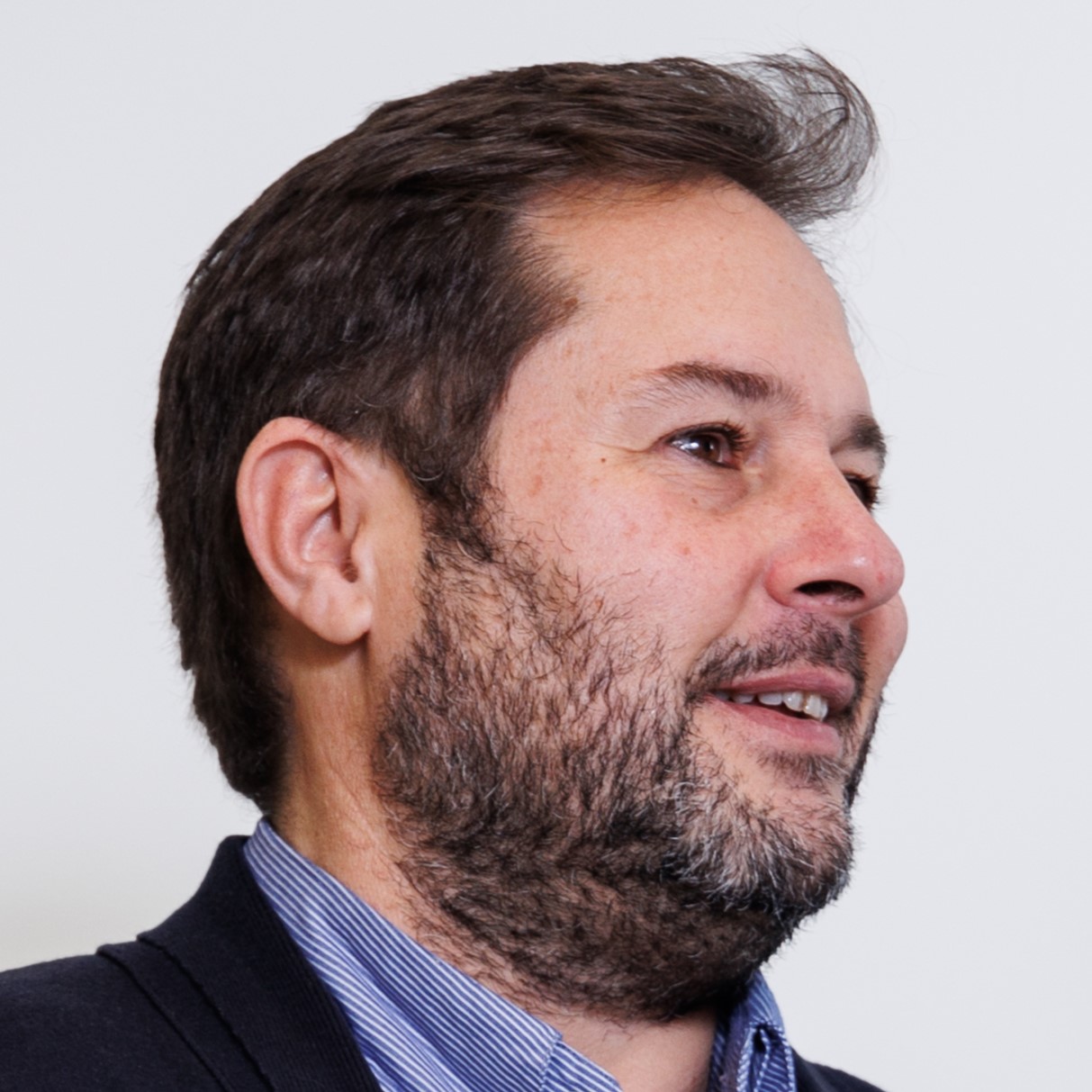
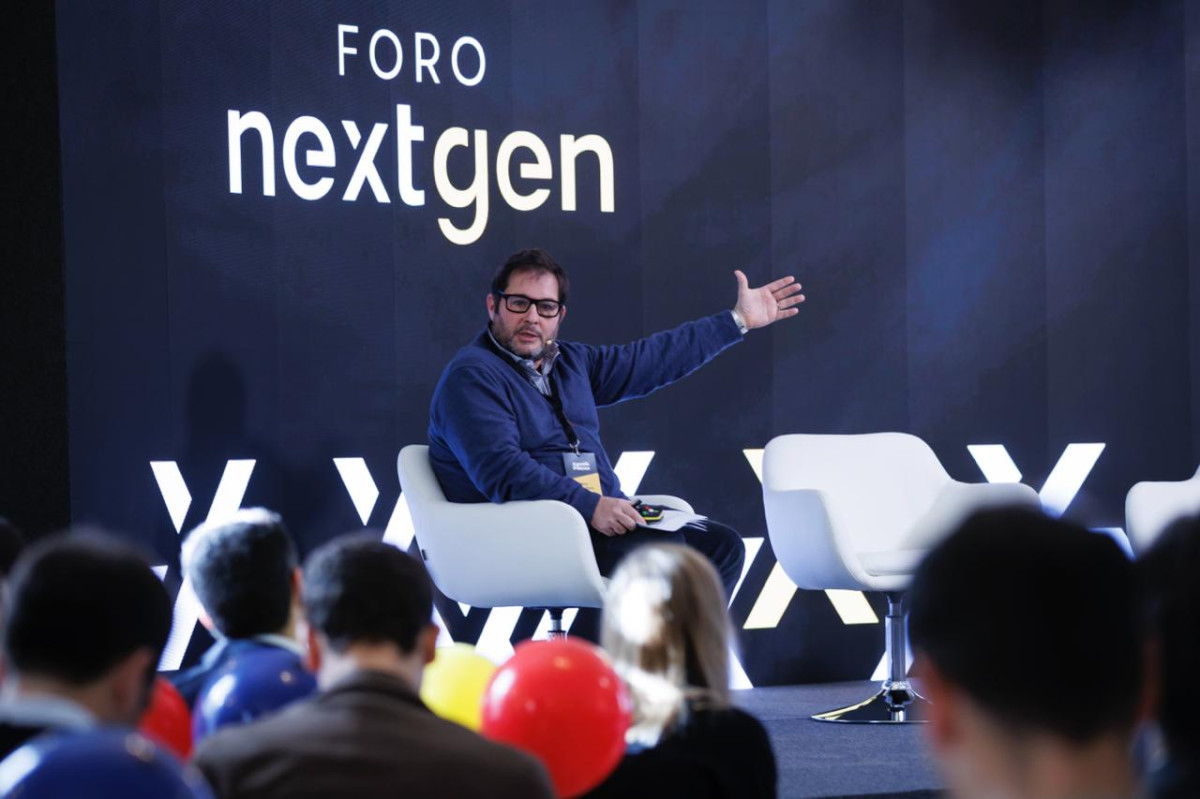
Marc López Plana, editor and director of 'Agenda Pública', during his speech at the Next Gen Forum.Agenda Pública / Álex Cámara
Dear Madam President:
I write this letter from a strategic conviction: the future of Spain will be decided in the context of Europe, and the future of Europe will be decided by the quality of its political leadership.
It seems to me that changes now underway in the international order are here to stay, so you’re coming into office at a decisive moment. As one New York Times columnist wrote on the day of U.S. President Trump’s second inauguration, in an analysis published by Agenda Pública, "Much of what we took for granted for the past 50 years is crumbling; current movements and technologies are aiming to turn the next 50 years upside down."
Europe is leaving behind the comfort of passive consensus. For years, the European Union made gains through broad formal agreements that, in many cases, served to avoid open political conflict. That model provided stability. It made possible the expansion of the single market, consolidation of the common currency, and the management of complex enlargements of the Union itself. And it worked. But that consensus is no longer sufficient.
And here’s the first mistake that Spain can’t afford to make: continuing to treat European concerns as foreign policy. Europe isn’t external – it’s an expansion of domestic policy. Europe is our regulatory framework, our market, our currency, our security and, increasingly, our political battleground. Decisions made at the European Central Bank directly affect our families. Regulation of European industry defines the competitiveness of our companies. Energy policies condition our cost of living. Decisions around immigration shape our cities and our social cohesion.
Furthermore, electoral dynamics in other countries influence our own internal pacts. In coming months, elections will be held in two very important German Länder. What happens there – if certain formulas for alliance are normalized; if the political center is reconfigured; if the center-right’s cooperation with radical right-wing forces is consolidated or limited – won’t be a matter for Germany alone. It will be a mirror for Spain. Europe functions as a shared political laboratory. Formulas travel, as do limits.
Today, the creation of ambitious and durable policies has become much more difficult. The search for majorities has become an exercise in variable geometry, and major reforms – as required in areas like housing policy – have been watered down to fragile pacts and short-term horizons.
Madam President, political economists have long observed a pattern not easily dealt with: societies that are more fragmented – by ethnicity, by class, by ideology – tend to invest less in durable public goods, from infrastructure to social housing. When voters exhibit widely divergent preferences, governments find less consensus on how to allocate resources and who to benefit. What results is lower spending on collective policies and a sharper orientation toward visible and immediate benefits.
This is where the debate between consensus and agreement will prove decisive. For too long, we’ve confused consensus with stability. Consensus, understood as broad and comfortable unanimity, tends to dilute responsibility, to postpone conflict, and to reduce ambition. Agreement, on the other hand, recognizes differences, assumes disagreement, and establishes order through operational decisions.
Europe can no longer live on abstract consensus. It needs concrete, demanding, imperfect but effective agreements that allow for governance within plural societies.
The question, Madam President, is no longer merely how to govern Spain, but how to govern Spain within Europe.
Because Europe is entering a phase that is both more political and more strategic. Competition with China isn’t only commercial – it’s technological, industrial, and regulatory. Meanwhile, the transatlantic relationship is undergoing core adjustments. Autonomy in defense is no longer a theoretical discussion. The energy transition demands decisions that will affect generations of citizens. Management of immigration is far from a circumstantial challenge.
In all these areas, Spain cannot limit itself to reaction. It must act.
Our geographical location puts us on the Mediterranean axis. Our history connects us to Latin America. Our economic size positions us among the Union’s major economies. We have the capacity to influence energy policy, the industrial agenda, and the design of European immigration policy.
But influence isn’t an automatic outcome. It’s the result of internal coherence, institutional credibility, and vision sustained over time.
If Spain projects an image of structural division, its bargaining power decreases. If Spain demonstrates stability around its basic agreements, then its weight increases. More and more, European politics hinges on the correlation of forces and on credibility accumulated over time.
For those reasons, your administration will be judged not only through macroeconomic indicators but for your ability to situate Spain at the very center of European decision-making. You will be evaluated on your ability to explain to the citizenry that events in Berlin, Rome, or Warsaw aren’t just international anecdotes, but part of our own democratic conversation.
Europe needs more politics, and Spain needs more agreements. Not agreements that obscure disputes, but that establish order. Not consensus that dilutes conflict, but decisions that manage conflict responsibly.
The generations now beginning to assume responsibility – those born and raised under democracy – cannot afford to treat the Union as background scenery. The Union is center stage. It is the space where competitiveness, security, and cohesion will be defined across the coming decades.
Madam President, European history is written by decisions. And decisions require leadership.
Hopefully, your administration will consolidate that political culture. Hopefully, you’ll help Spain stop reacting to Europe, so it can take a position within Europe. I hope you understand that, inevitably, the governance of contemporary Spain must be conducted in a European key.
Europe is our shared political destiny.
Sincerely,
I write this letter from a strategic conviction: the future of Spain will be decided in the context of Europe, and the future of Europe will be decided by the quality of its political leadership.
It seems to me that changes now underway in the international order are here to stay, so you’re coming into office at a decisive moment. As one New York Times columnist wrote on the day of U.S. President Trump’s second inauguration, in an analysis published by Agenda Pública, "Much of what we took for granted for the past 50 years is crumbling; current movements and technologies are aiming to turn the next 50 years upside down."
Europe is leaving behind the comfort of passive consensus. For years, the European Union made gains through broad formal agreements that, in many cases, served to avoid open political conflict. That model provided stability. It made possible the expansion of the single market, consolidation of the common currency, and the management of complex enlargements of the Union itself. And it worked. But that consensus is no longer sufficient.
"Today, Europe needs political leadership. It needs to account for democratic conflict, rather hiding it behind technocratic formulas"Accumulated crises – financial, health, energy, geopolitical – have shown that the Union can’t limit itself to the administration of balances. Today, Europe needs political leadership. It needs to account for democratic conflict, rather trying to hide it behind technocratic formulas. Europe needs to decide.
And here’s the first mistake that Spain can’t afford to make: continuing to treat European concerns as foreign policy. Europe isn’t external – it’s an expansion of domestic policy. Europe is our regulatory framework, our market, our currency, our security and, increasingly, our political battleground. Decisions made at the European Central Bank directly affect our families. Regulation of European industry defines the competitiveness of our companies. Energy policies condition our cost of living. Decisions around immigration shape our cities and our social cohesion.
Furthermore, electoral dynamics in other countries influence our own internal pacts. In coming months, elections will be held in two very important German Länder. What happens there – if certain formulas for alliance are normalized; if the political center is reconfigured; if the center-right’s cooperation with radical right-wing forces is consolidated or limited – won’t be a matter for Germany alone. It will be a mirror for Spain. Europe functions as a shared political laboratory. Formulas travel, as do limits.
"In order to be influential in Europe, we must be strong internally. Without internal structural agreements we are weak"This is fundamental and must be understood. In order to be influential in Europe, we must be strong internally. Without internal structural agreements – on housing, territorial financing, immigration, foreign policy, the energy transition – we are weak, and an unstable political architecture will end up eroding public confidence.
Today, the creation of ambitious and durable policies has become much more difficult. The search for majorities has become an exercise in variable geometry, and major reforms – as required in areas like housing policy – have been watered down to fragile pacts and short-term horizons.
Madam President, political economists have long observed a pattern not easily dealt with: societies that are more fragmented – by ethnicity, by class, by ideology – tend to invest less in durable public goods, from infrastructure to social housing. When voters exhibit widely divergent preferences, governments find less consensus on how to allocate resources and who to benefit. What results is lower spending on collective policies and a sharper orientation toward visible and immediate benefits.
This is where the debate between consensus and agreement will prove decisive. For too long, we’ve confused consensus with stability. Consensus, understood as broad and comfortable unanimity, tends to dilute responsibility, to postpone conflict, and to reduce ambition. Agreement, on the other hand, recognizes differences, assumes disagreement, and establishes order through operational decisions.
Europe can no longer live on abstract consensus. It needs concrete, demanding, imperfect but effective agreements that allow for governance within plural societies.
"Spain shouldn’t aspire to permanent unanimity, but it does need a culture of agreement"Spain shouldn’t aspire to permanent unanimity, but it does need a culture of agreement. Not the sort of short-term agreement needed to resolve a specific vote, but a structural agreement that puts in place stable frameworks for investment, social policy, and international projection.
The question, Madam President, is no longer merely how to govern Spain, but how to govern Spain within Europe.
Because Europe is entering a phase that is both more political and more strategic. Competition with China isn’t only commercial – it’s technological, industrial, and regulatory. Meanwhile, the transatlantic relationship is undergoing core adjustments. Autonomy in defense is no longer a theoretical discussion. The energy transition demands decisions that will affect generations of citizens. Management of immigration is far from a circumstantial challenge.
In all these areas, Spain cannot limit itself to reaction. It must act.
Our geographical location puts us on the Mediterranean axis. Our history connects us to Latin America. Our economic size positions us among the Union’s major economies. We have the capacity to influence energy policy, the industrial agenda, and the design of European immigration policy.
But influence isn’t an automatic outcome. It’s the result of internal coherence, institutional credibility, and vision sustained over time.
"Your administration will be judged not only through macroeconomic indicators but for your ability to situate Spain at the very center of European decision-making"Europe is watching. The markets are watching. Our partners are watching.
If Spain projects an image of structural division, its bargaining power decreases. If Spain demonstrates stability around its basic agreements, then its weight increases. More and more, European politics hinges on the correlation of forces and on credibility accumulated over time.
For those reasons, your administration will be judged not only through macroeconomic indicators but for your ability to situate Spain at the very center of European decision-making. You will be evaluated on your ability to explain to the citizenry that events in Berlin, Rome, or Warsaw aren’t just international anecdotes, but part of our own democratic conversation.
Europe needs more politics, and Spain needs more agreements. Not agreements that obscure disputes, but that establish order. Not consensus that dilutes conflict, but decisions that manage conflict responsibly.
The generations now beginning to assume responsibility – those born and raised under democracy – cannot afford to treat the Union as background scenery. The Union is center stage. It is the space where competitiveness, security, and cohesion will be defined across the coming decades.
Madam President, European history is written by decisions. And decisions require leadership.
"The generations now beginning to assume responsibility – those born and raised under democracy – cannot afford to treat the Union as background scenery. The Union is center stage"The question isn’t whether Europe will change – it’s already changing. The question is whether Spain will influence that change or observe it from the sidelines.
Hopefully, your administration will consolidate that political culture. Hopefully, you’ll help Spain stop reacting to Europe, so it can take a position within Europe. I hope you understand that, inevitably, the governance of contemporary Spain must be conducted in a European key.
Europe is our shared political destiny.
Sincerely,
Ahora en portada
17 de octubre de 2026
16 de octubre de 2026
Noticias relacionadas
Hace 33 semanas
Open letter to Spain’s first female President of the Government
Hace 33 semanas
¿Cómo sería el manifiesto de la generación nacida en democracia?
Lo más leído