
Miércoles, 21 de octubre de 2026



Agenda Pública in English
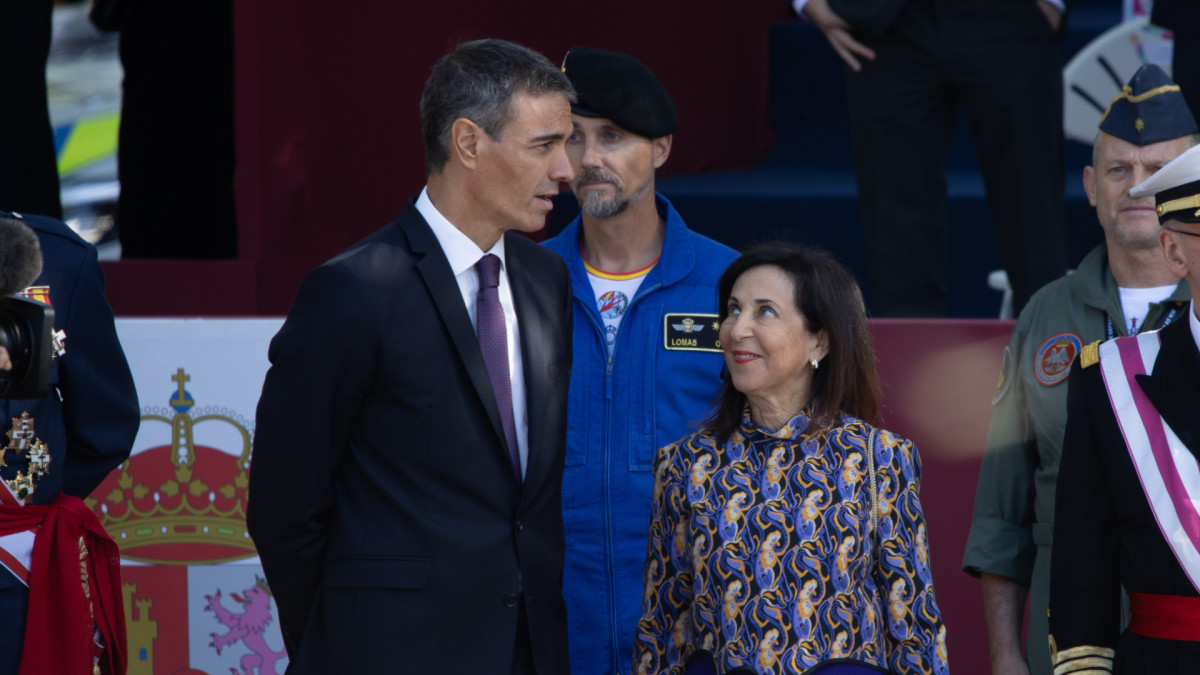
Pedro Sánchez and defence minister Margarita RoblesDavid Canales / Zuma Press / Europa Press
por Marc López Plana19 de octubre de 2026
Moroccan naval vessels entered Spanish waters during the Ceuta crisis, raising questions that go beyond government transparency. Pedro Sánchez opted for discretion to avoid an escalation with Morocco, but took a considerable political risk. Marc López Plana, editor and director of 'Agenda Pública', draws on the Perejil Island crisis and the Cuban Missile Crisis to explore the limits of shows of force.
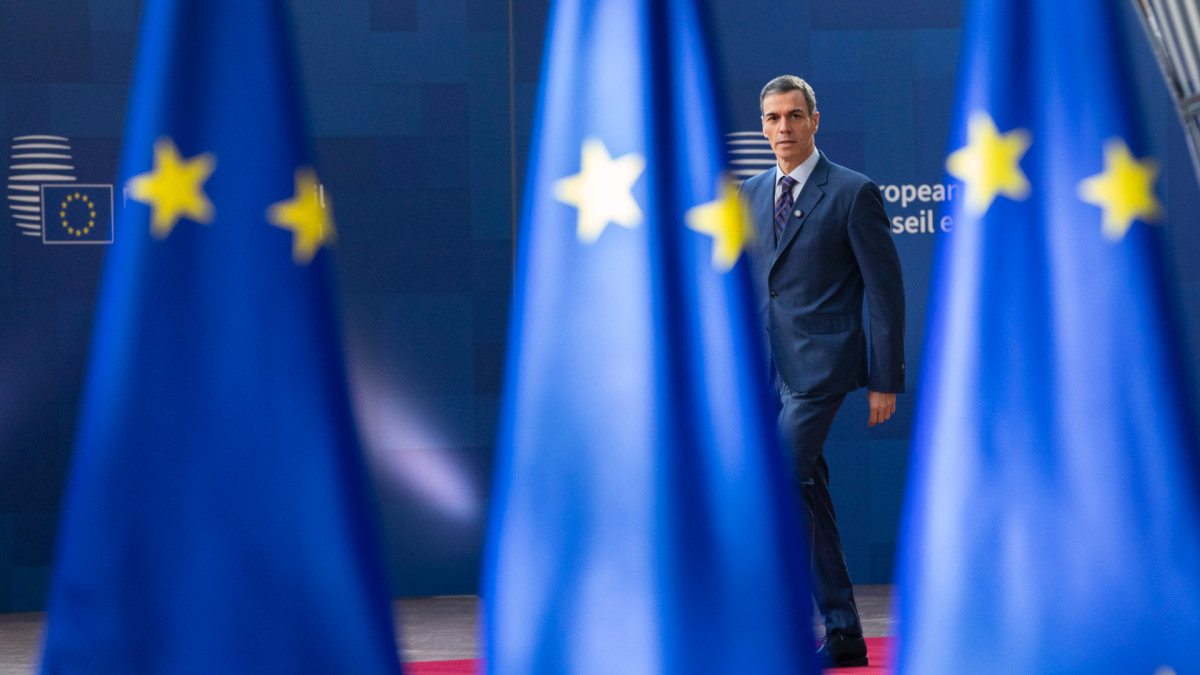
Pedro Sánchez arriving at a European Council meeting.Nicolas Landemard / Zuma Press / Europa Press
por Dave Keating15 de octubre de 2026
For Dave Keating, the departure of Pedro Sánchez, the last European leader to firmly defend the centre-left, could lead to the collapse of the European Union's historic centrist grand coalition and pave the way, for the first time, for a governing majority that includes the far right. The Brussels-based writer and journalist warns that the Spanish prime minister's downfall could trigger a crisis in the EU capital unlike anything seen this century.
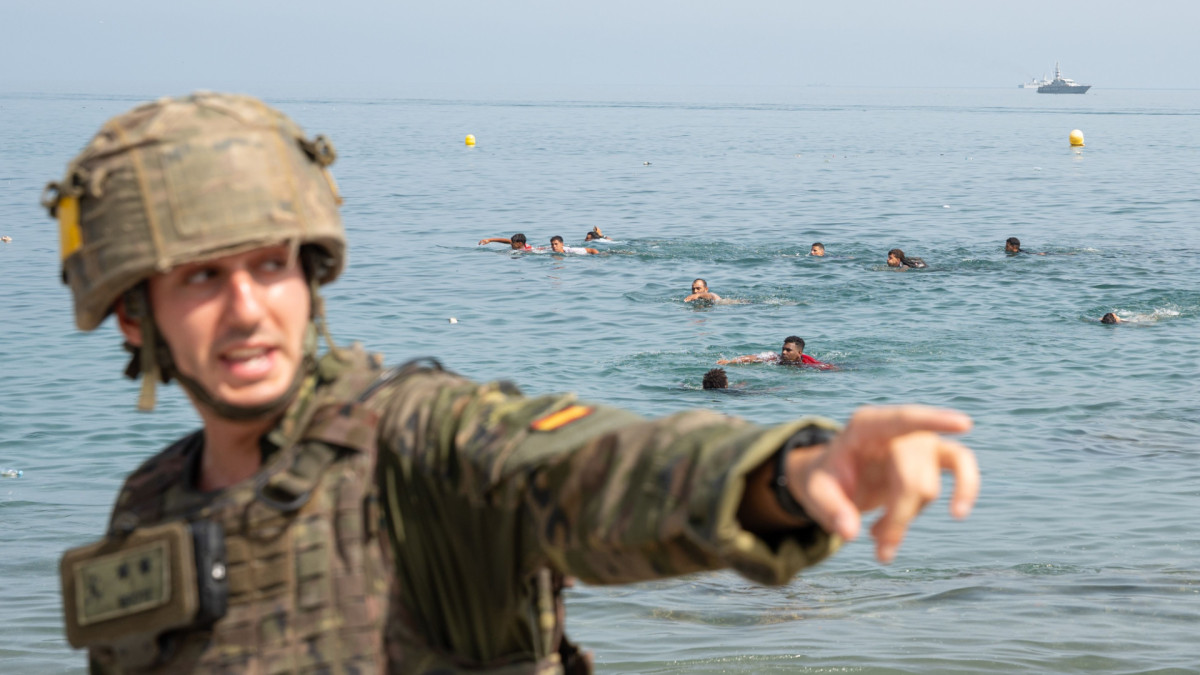
A soldier on the shoreline during the mass arrival of migrants on 31 July.Mario Morón / Zuma Press / Europa Press
por Nicolás Fernández de Bobadilla Albert12 de octubre de 2026
With the Alliance focused on Russia and its eastern flank, the migration crisis in Ceuta is testing NATO's solidarity with Spain. Nicolás Fernández de Bobadilla, a specialist in EU diplomatic relations, argues that "part of the solution to the situation in Ceuta must and will come from Brussels" and explains why a more European NATO would have reasons to support Ceuta and Melilla.
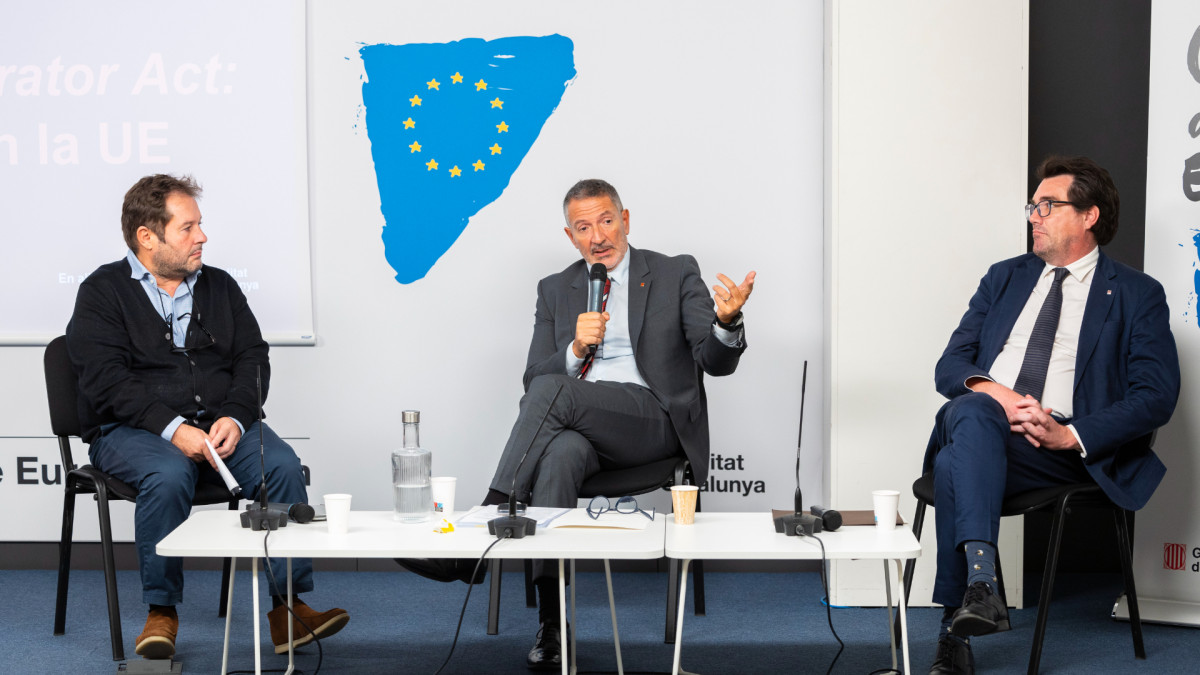
Marc López Plana, Miquel Sàmper and Jaume Baró at the Generalitat de Catalunya's Delegation to the European Union.Agenda Pública / BR&U Agency
por Agenda Pública Corp11 de octubre de 2026
Reindustrialisation is back at the heart of the European agenda. But Europe's ability to compete will depend not only on the rules adopted in Brussels, but also on how they are put into practice on the ground. Our latest Microspace event in Brussels, focusing on the Industrial Accelerator Act, highlighted the role of regions in developing specialised industries, attracting investment and implementing an industrial policy that can also serve as a tool for territorial cohesion.

Svetlana Tijanóvskaya and Marc López Plana at Foro La Toja.Agenda Pública / Yanka Soto
por Marc López Plana3 de octubre de 2026
She is considered the elected leader of Belarus. Svetlana Tsikhanouskaya, a speaker at the La Toja Forum, speaks with the director and editor of 'Agenda Pública', Marc López Plana. Familiar with the Kremlin’s methods of pressure, she analyses tools such as migration pressure. Domestically, she explains the obstacles Alexander Lukashenko’s government places in the opposition’s way and praises Spain’s role: "When democracy eventually prevails in Belarus, Spain will have been part of that story", she says.
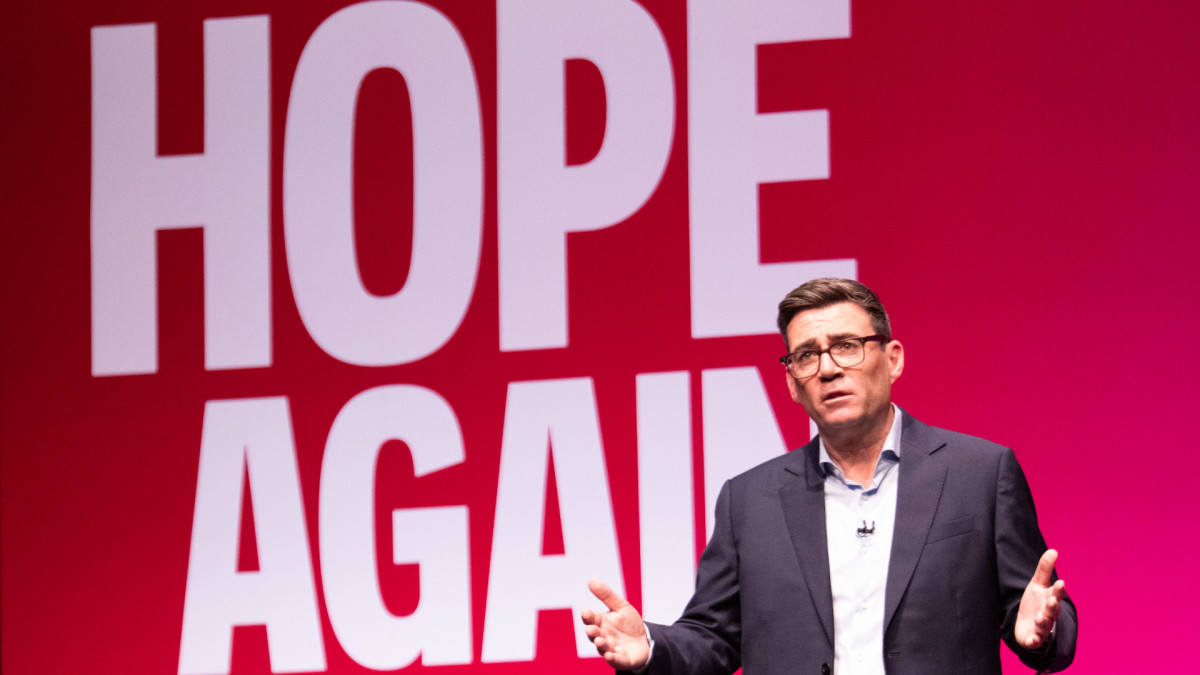
Prime Minister Andy Burnham during his speech at the 2026 Labour Party Conference.Gary Roberts / Zuma Press / Europa Press
por Nick Malkoutzis1 de octubre de 2026
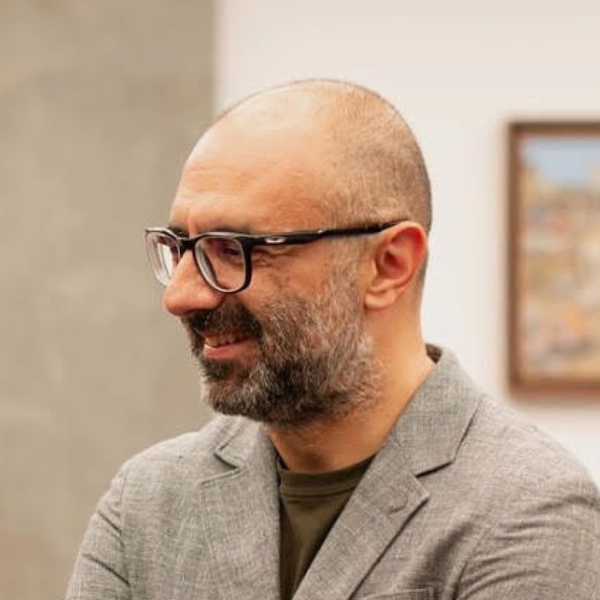
Journalist Nick Malkoutzis analyses Andy Burnham’s political shift. In his first Labour conference speech as prime minister, Burnham argued that "Brexit has done more harm than good" and set out far-reaching changes on social care, pensions, electoral reform and the UK’s relationship with the European Union.
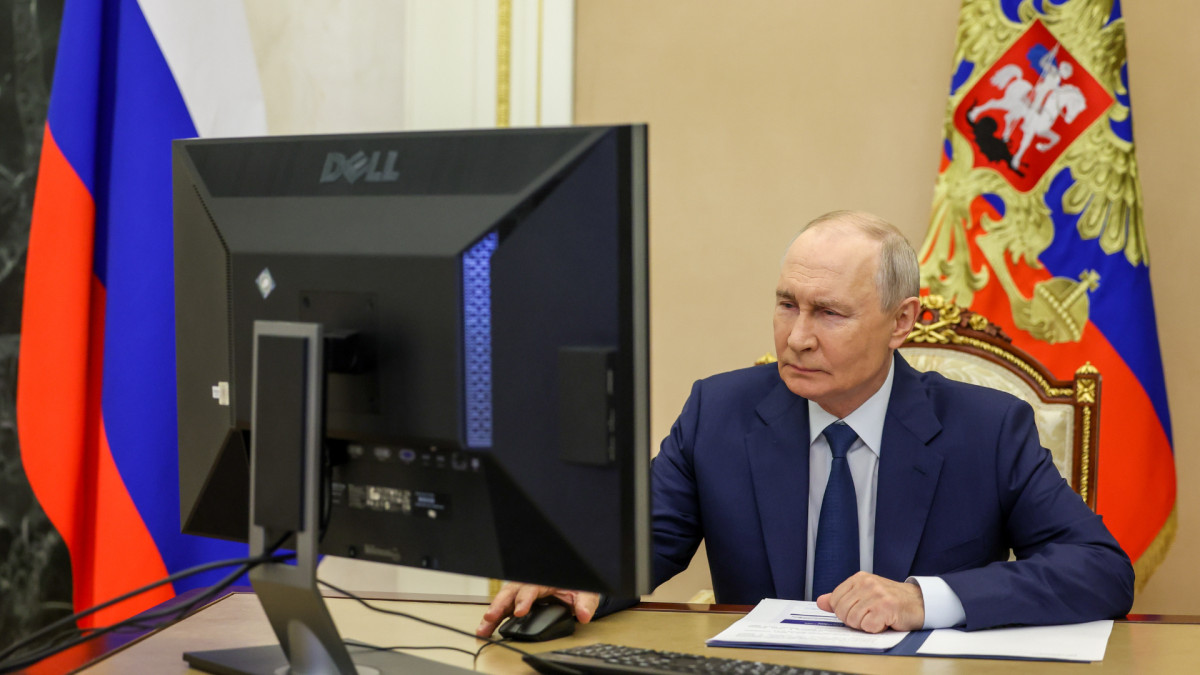
The Russian president demonstrated the possibility of online voting in front of the cameras.Прокофьев Вячеслав / Zuma Press / Europa Press
por Egor Kuroptev21 de septiembre de 2026
.png)
Yabloko's exclusion leaves Russia's elections without the only nationwide list advocating a ceasefire. Egor Kuroptev, director of the EK Strategic Communications Center, examines how a majority is manufactured for Putin and warns Europe: interpreting a result obtained through coercion and fraud as evidence that Russians support the war "turns the Kremlin's domestic coercion into international legitimacy".
.jpg)
Claude, from Anthropic, and ChatGPT, from OpenAI.Andre M. Chang / Zuma Press / Europa Press
por Adrián Vázquez Lázara21 de septiembre de 2026
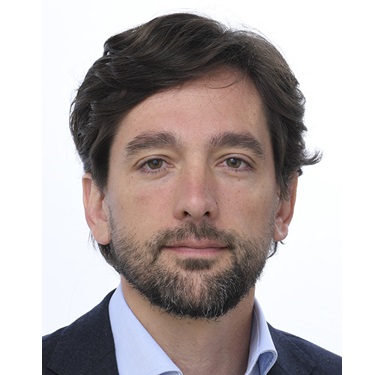
Artificial intelligence is advancing at a pace that is multiplying both its applications and the questions surrounding its effects. European People's Party MEP Adrián Vázquez brings the debate opened this September by Dario Amodei into broader concerns about employment, the concentration of power, global security and the erosion of attention.
.jpg)
The director of the Research Division at the NATO Defense College at the 2026 EuropeFuture Forum.Courtesy photo.
Florence Gaub (NATO): "If you remain too focused on the present, you will pay a price in the future"
por Marc López Plana20 de septiembre de 2026
Can a democracy think long term when politics is focused on the next crisis? Florence Gaub, director of the Research Division at the NATO Defense College, explains how the Alliance works with future scenarios, why biases matter as much as data and what risks she sees in the relationship with Russia. "Wars begin before the first shot," she warns in this conversation with 'Agenda Pública's' director and editor, Marc López Plana.
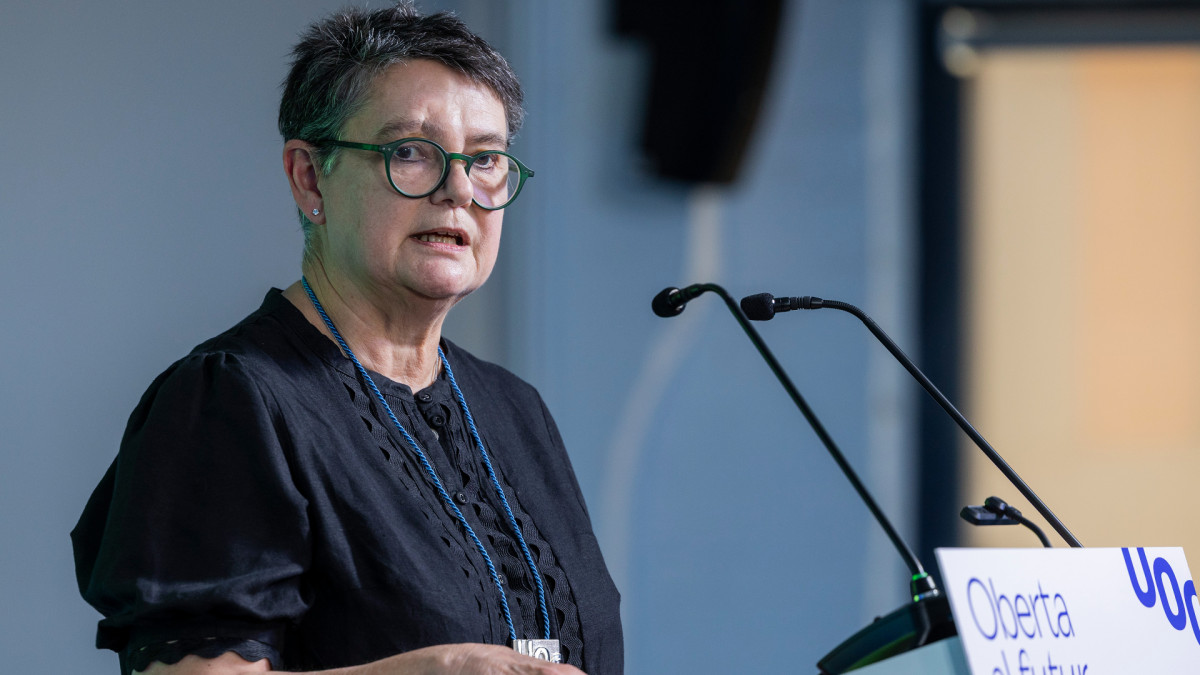
Diane Coyle is an economist, journalist and author. Her latest book is titled 'The Measure of Progress: Counting What Really Matters'.UOC
por Jorge de Diego Hurtado19 de septiembre de 2026
.png)
Economist Diane Coyle, Bennett Professor of Public Policy at the University of Cambridge and a confirmed speaker at La Toja Forum 2026, rejects the most extreme forecasts about employment: "I don't myself think it will be a job apocalypse of the kind that some of the AI leaders have been talking about." In this conversation with 'Agenda Pública', she offers an in-depth analysis of the future of artificial intelligence and argues that the challenge will be how to distribute the productivity gains it generates.
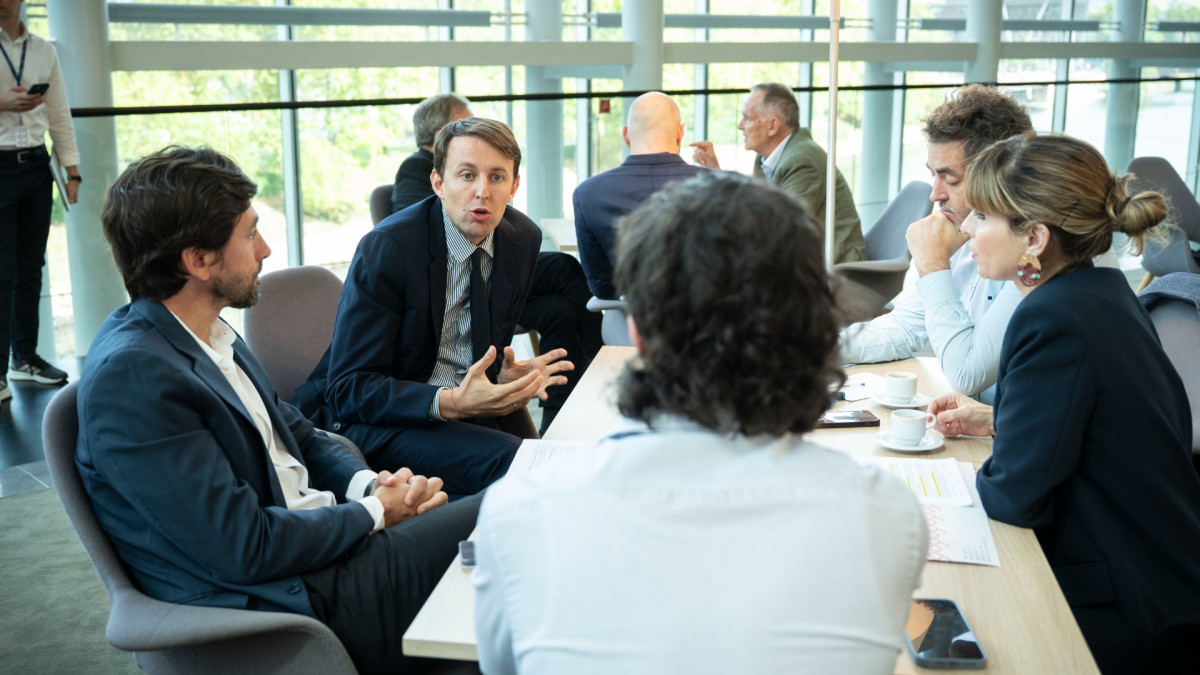
The MEPs speak with 'Agenda Pública' at the European Parliament in Strasbourg.Agenda Pública / Dorothée Parent
por Jorge de Diego Hurtado18 de septiembre de 2026
Jorge de Diego, a staff writer at 'Agenda Pública', speaks in Strasbourg with EPP MEP Adrián Vázquez and S&D MEPs Hana Jalloul, Javi López and Jonás Fernández about Ursula von der Leyen's State of the Union address and the future of the European parliamentary term. Representatives of the European Parliament's two largest political groups highlight the importance of the EU's next budget and analyse the Ceuta crisis.
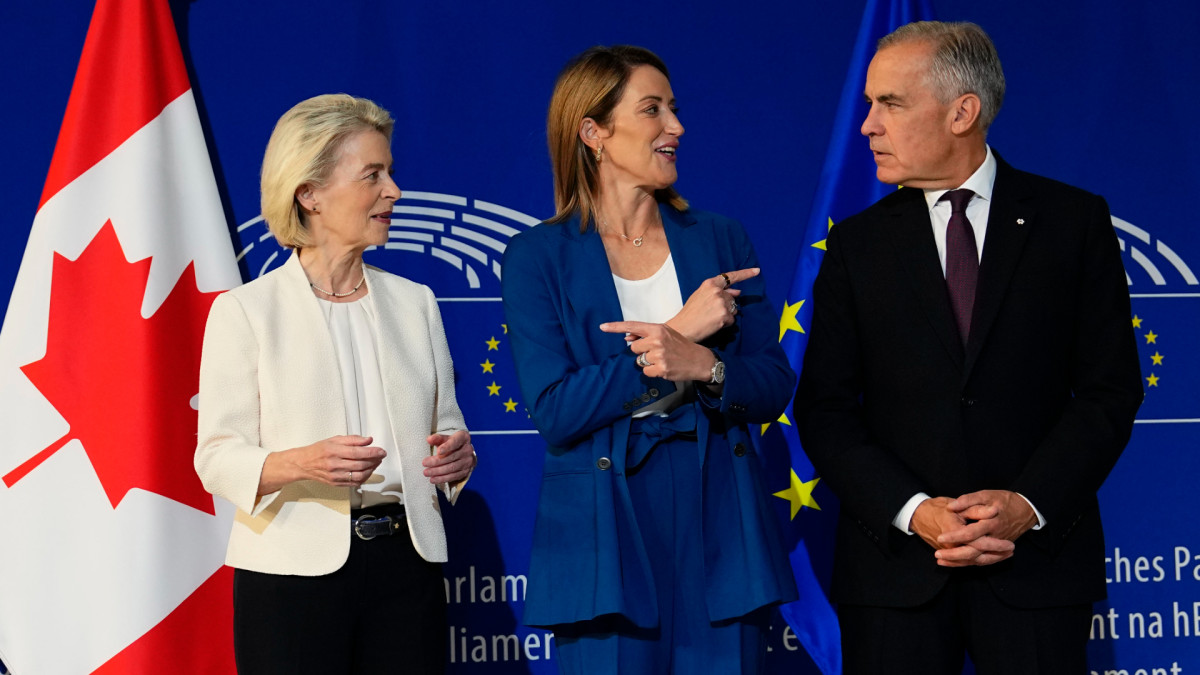
Ursula von der Leyen, Roberta Metsola y Mark Carney en la sede del Parlamento Europeo en Estrasburgo.Justin Tang / Zuma Press / Europa Press
por Nicolás Fernández de Bobadilla Albert18 de septiembre de 2026
Ursula von der Leyen wants to bring the relationship with Canada "to the highest level possible" and has opened the door to making the country the European Union's first "associate member". Nicolás Fernández de Bobadilla, a specialist in European Union diplomatic relations, analyses the scope and obstacles of a proposal that has yet to be defined.

Dario Amodei is the co-founder and chief executive of Anthropic, the company behind Claude.TechCrunch
por Marc López Plana14 de septiembre de 2026
An Anthropic report documents the use of Claude for surveillance, espionage, propaganda and weapons development. Marc López Plana, editor and director of 'Agenda Pública, examines in his weekly column how this private power is transforming the intelligence cycle and warns: "Europe must prevent dependence on these technologies from ultimately limiting its political autonomy as well."

Two beams of light mark the site of the Twin Towers in New York on the 25th anniversary of the terrorist attack.Jess Stiles / Zuma Press / Europa Press
por J. P. Carroll11 de septiembre de 2026

9/11 caught J.P. Carroll when he was eight years old and attending school in McLean, Virginia, just a few miles from the Pentagon. Twenty-five years later, the 'Agenda Pública' columnist looks back on a day marked by silence, fear and loss, but also by one conviction: it was "an attack on love, hope, and on dreams". "And that’s why it failed," he writes.
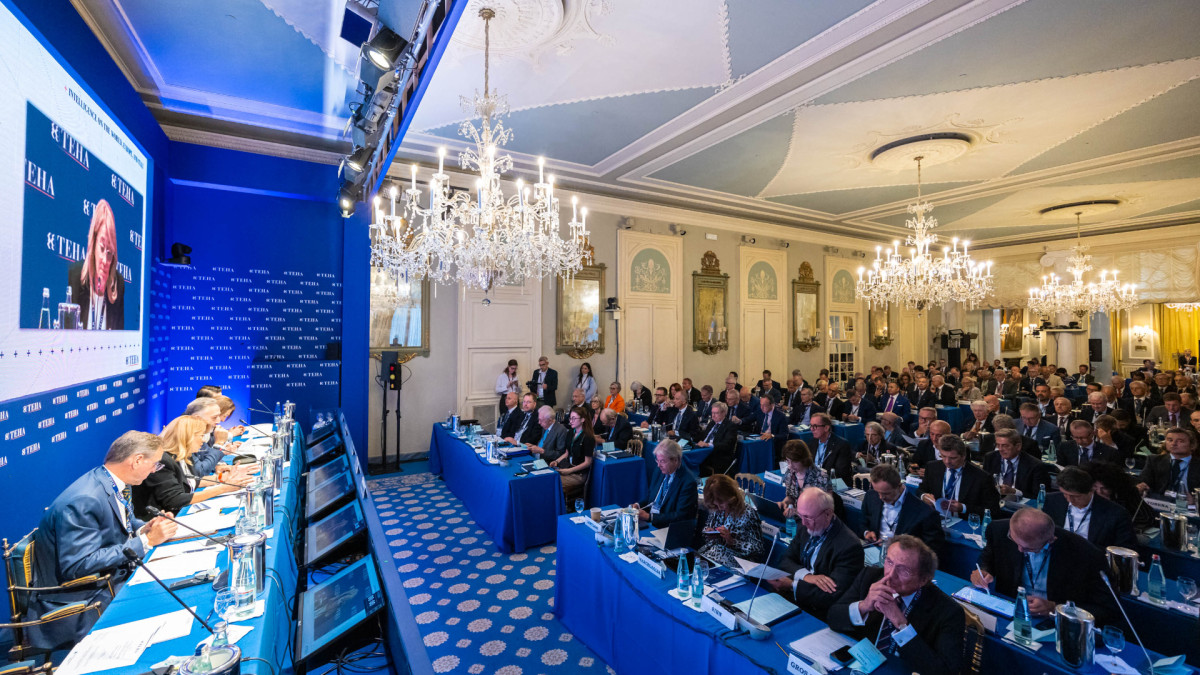
The Cernobbio Forum took place from September 4 to 6. It has been held since 1975.TEHA-Ambrosetti
por Nacho Corredor Sola7 de septiembre de 2026

The 52nd edition of the Cernobbio Forum brought together over 200 business executives, academics, diplomats, ministers, and prime ministers from six states; the President of the European Council Antonio Costa; European Commissioner Jessika Roswal; former minister Arancha González Laya; European Union rapporteur Enrico Letta; Valerio di Molli, CEO of Ambrosetti; and other attendees from China, Saudi Arabia, Turkey, Europe, and the United States for three days. Nacho Corredor, Vicechairman of beBartlet, was one of a dozen Spaniards who participated in a new edition marked by global uncertainty: "We are a superpower despite the victimhood that we Europeans have woven over our own public debate," he points out.
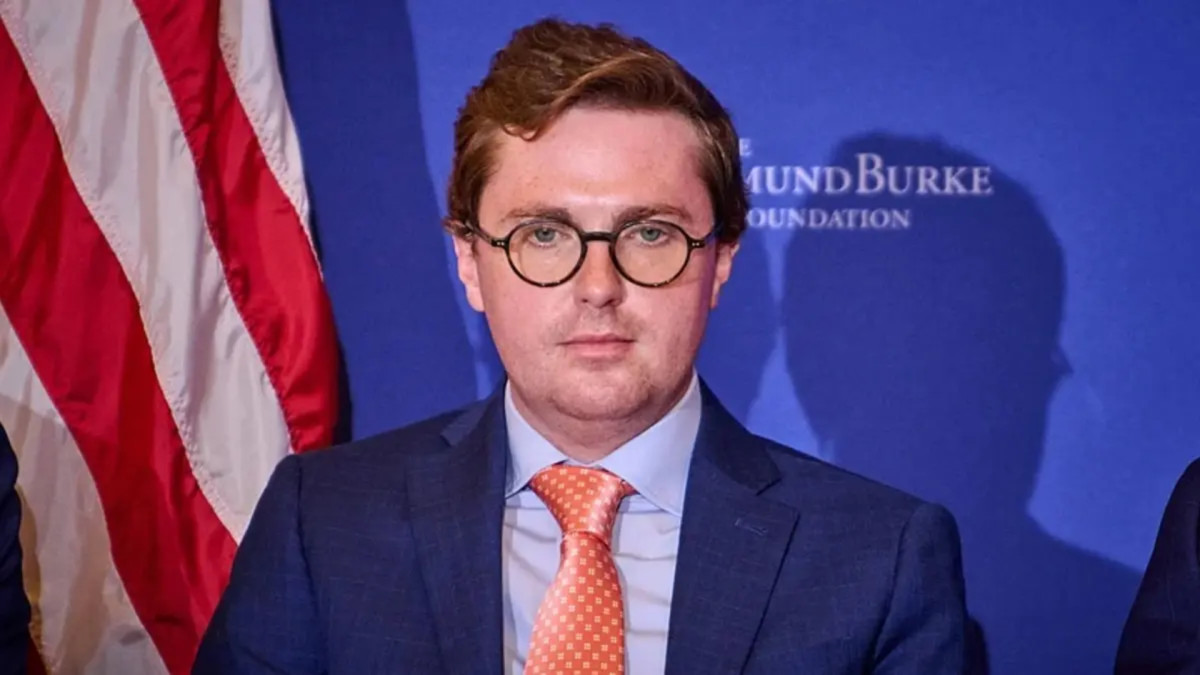
Prior to joining OpenAI, Dean Ball served as Senior Policy Advisor for Artificial Intelligence and Emerging Technology at the White House Office of Science and Technology Policy.Archive
por Marc Berruezo6 de septiembre de 2026
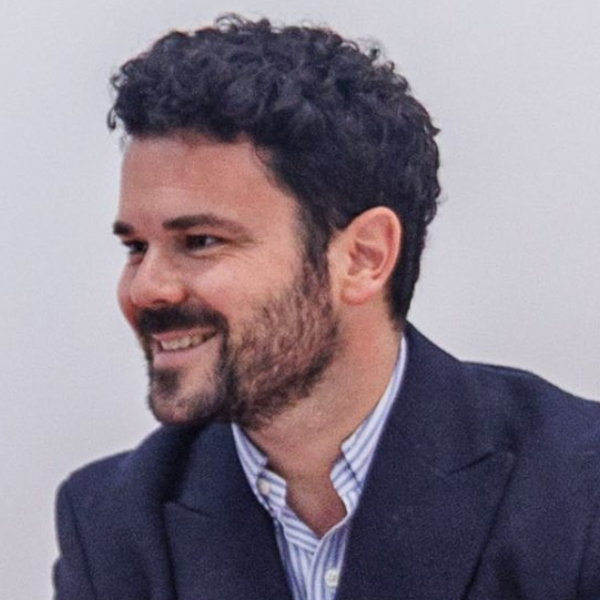
OpenAI's Head of Strategic Futures and one of the confirmed speakers at the Foro La Toja 2026 speaks with Marc Berruezo, director of beBartlet Intelligence, about the future of work, power, geopolitics and the risks posed by increasingly capable artificial intelligence. Among the scenarios he considers, Ball suggests that "perhaps it becomes a luxury to interact with another human being".
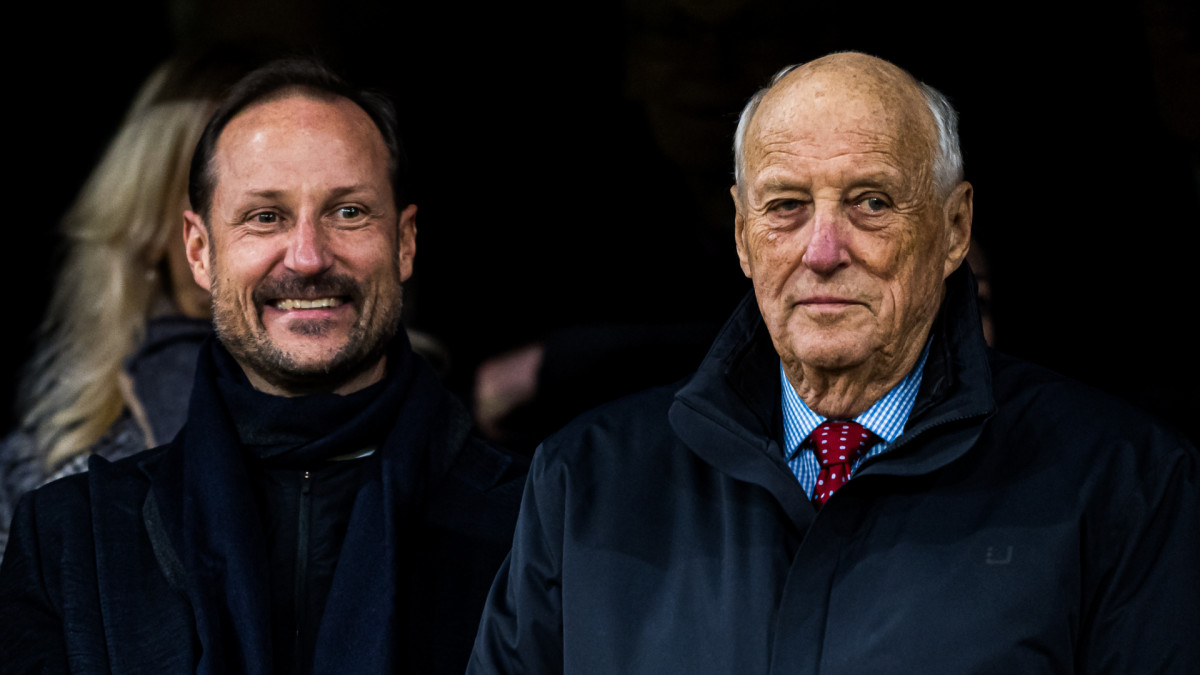
Haakon VII (left), prince at the time, with his father, King Harald V of Norway.Marius Simensen / Zuma Press / Europa Press
por J. P. Carroll4 de septiembre de 2026
J.P. Carroll, an 'Agenda Pública' columnist, looks back from Washington, D.C., on Harald V's life, shaped from childhood by his ties to the United States, and reflects on his approach to leadership during some of Norway's most difficult moments. "Hopefully this new generation of royals will continue to lead as he did: with heart, humility, and trust in their people."
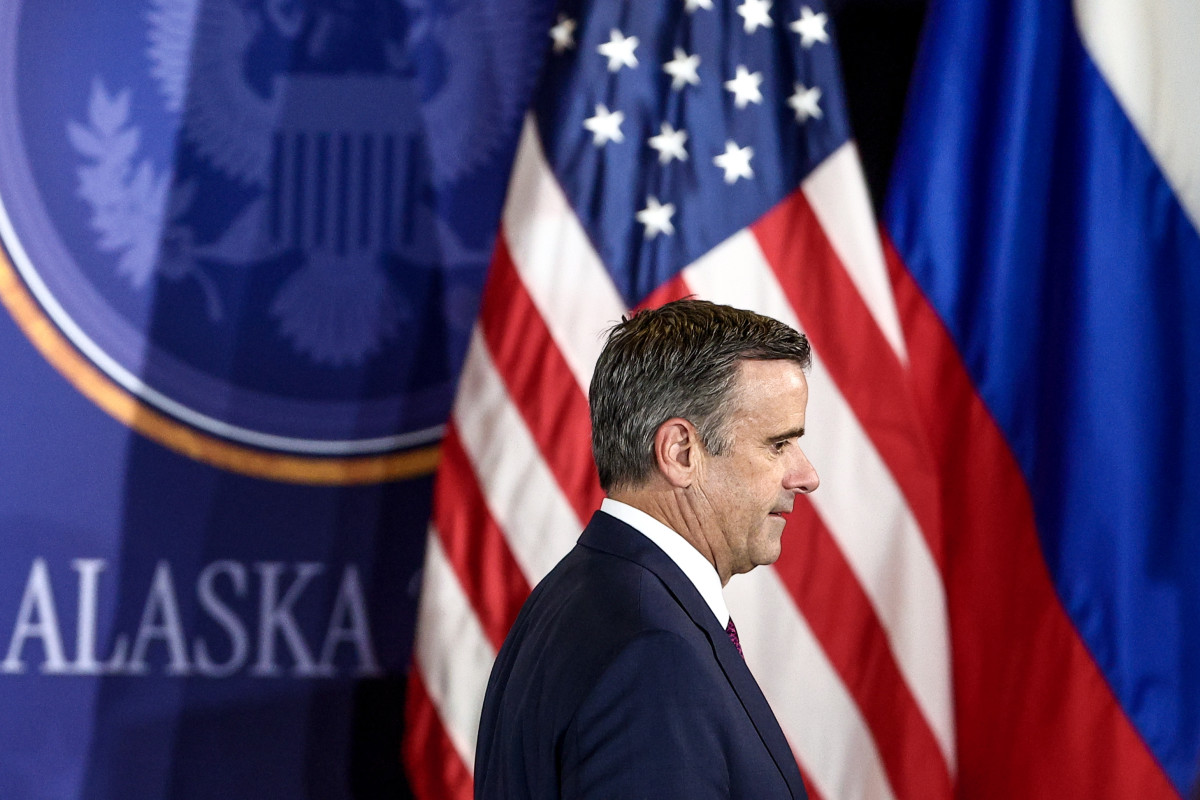
CIA Director John Ratcliffe, pictured in Alaska during the latest official meeting between U.S. President Donald Trump and his Russian counterpart, Vladimir Putin.Sergei Bulkin / Zuma Press / Europa Press
por Egor Kuroptev1 de septiembre de 2026
Egor Kuroptev, a Russian analyst and director of the EK Strategic Communications Center, examines the current state of Russia’s invasion of Ukraine from Moscow’s perspective. Following John Ratcliffe’s visit to the Kremlin, he argues that "the Kremlin's domestic logic connects directly with the risk of military escalation in Europe" and adds that the Russian government "increasingly needs the war not to end".
U.S. flag at the U.S. Consulate in Barcelona.David Zorrakino / Europa Press
por J. P. Carroll11 de agosto de 2026
The United States marks 250 years of an idea that has never fully matched its own reality. From the Founding Fathers to the struggle for civil rights, J. P. Carroll, analyst in Washington, D.C., explores the contradictions of that promise and asks what the anniversary means for Spain. His answer shifts the focus away from governments and diplomats towards a relationship also built by citizens, students, businesses, writers, and artists.
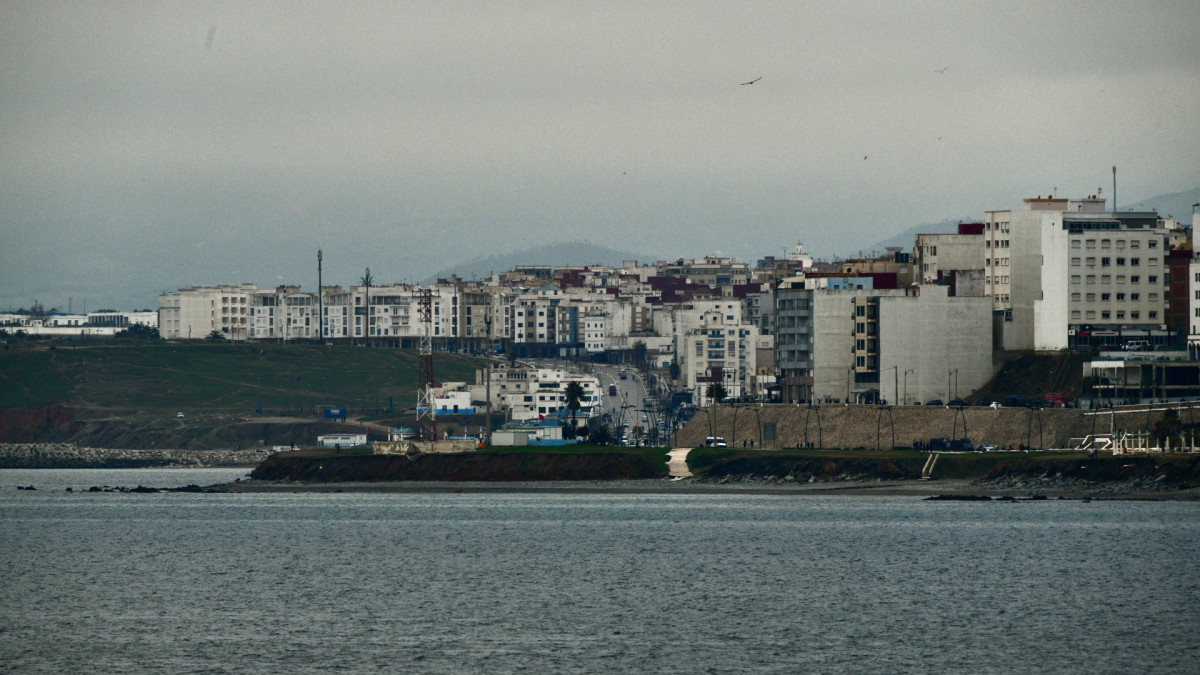
View of Castillejos, Morocco.Antonio Sempere / Europa Press
por Hana Jalloul Muro10 de agosto de 2026
The Ceuta crisis has turned disinformation, border control and the European response into a single political battle. Hana Jalloul, a PSOE MEP, Vice-Chair of the Committee on Foreign Affairs (AFET) and a member of the S&D Group, argues that the answer is not to pit security against human rights, but to strengthen cooperation, anticipate disinformation and build a genuinely common migration policy in the European Union.
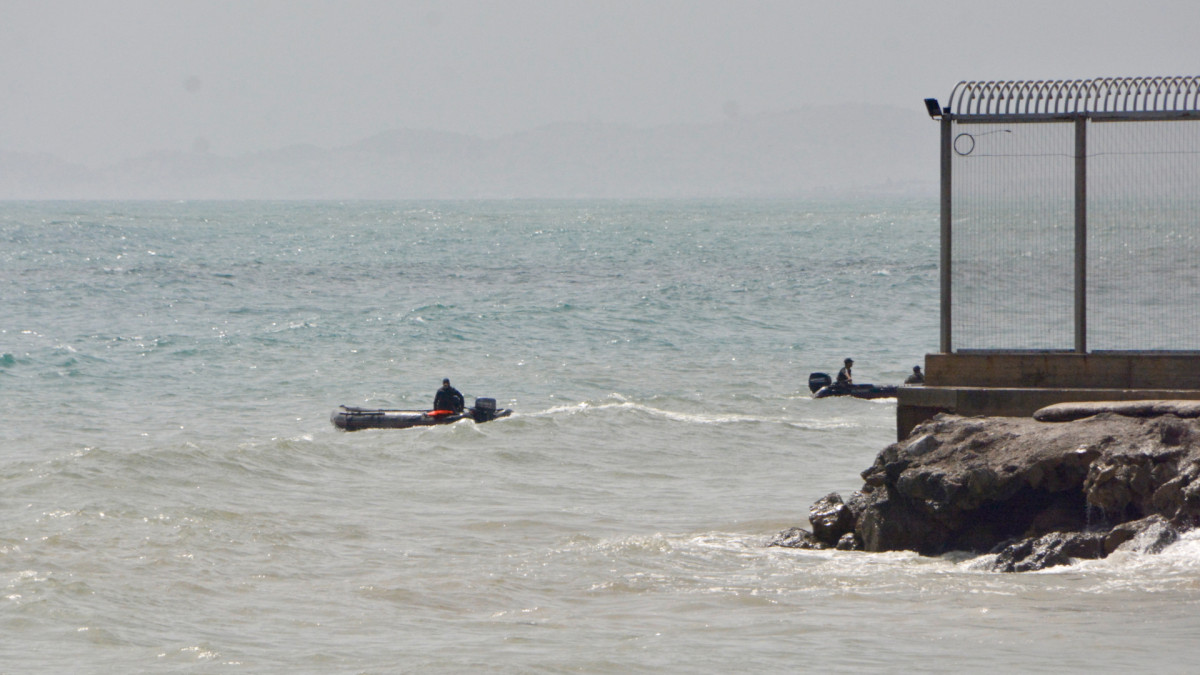
A maritime patrol at the Tarajal border in Ceuta.Antonio Sempere / Europa Press
por J. P. Carroll10 de agosto de 2026
From the International Crisis Group to Eurasia Group, Washington, D.C.-based analyst J. P. Carroll brings together the assessments of five experts to unpack what happened during the mass crossing into Ceuta and what role Morocco may have played. While their interpretations differ over whether Rabat deliberately facilitated the crisis or was simply overwhelmed, they agree on the central role migration plays in the bilateral relationship and on the part misinformation played in fueling the conspiracy theories that emerged in its aftermath.
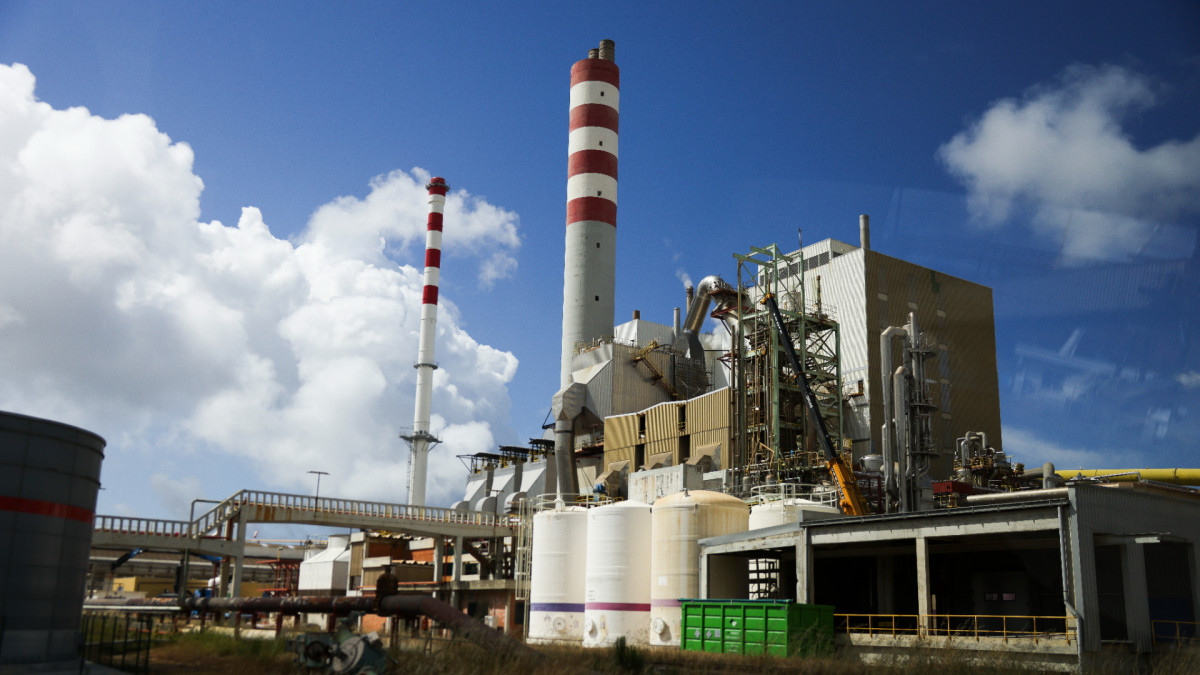
European Commission-funded projects, such as this factory in Setúbal, Portugal, are backing industrial investment to reduce greenhouse gas emissions.Comisión Europea
por Linda Kalcher28 de julio de 2026
The European Commission is proposing to give industry an additional ten years to complete its decarbonisation. Linda Kalcher and Andrés Pelayo, from Strategic Perspectives, a European think tank specialising in energy policy, warn that this relief may ease immediate pressures, but could also weaken the incentives that turned the European carbon market into a global benchmark. Jobs, investment and technological leadership —an area in which China already holds a considerable advantage— are at stake.
.jpg)
Pedro Sánchez at Moncloa with Alastair Campbell (l) and Rory Stewart (r), co-hosts of the podcast 'The Rest is Politics'Alastair Campbell
por Marc López Plana27 de julio de 2026
While the debate in Spain remains mired in speculation over Pedro Sánchez’s political survival, the conversation abroad is centered on a very different question: How did Spain become one of the most influential voices in a fragmented Europe? In this installment of 'Brújula Europea', Marc López Plana examines this phenomenon in the wake of his conversation with British journalist Alastair Campbell, former communications director for Tony Blair.
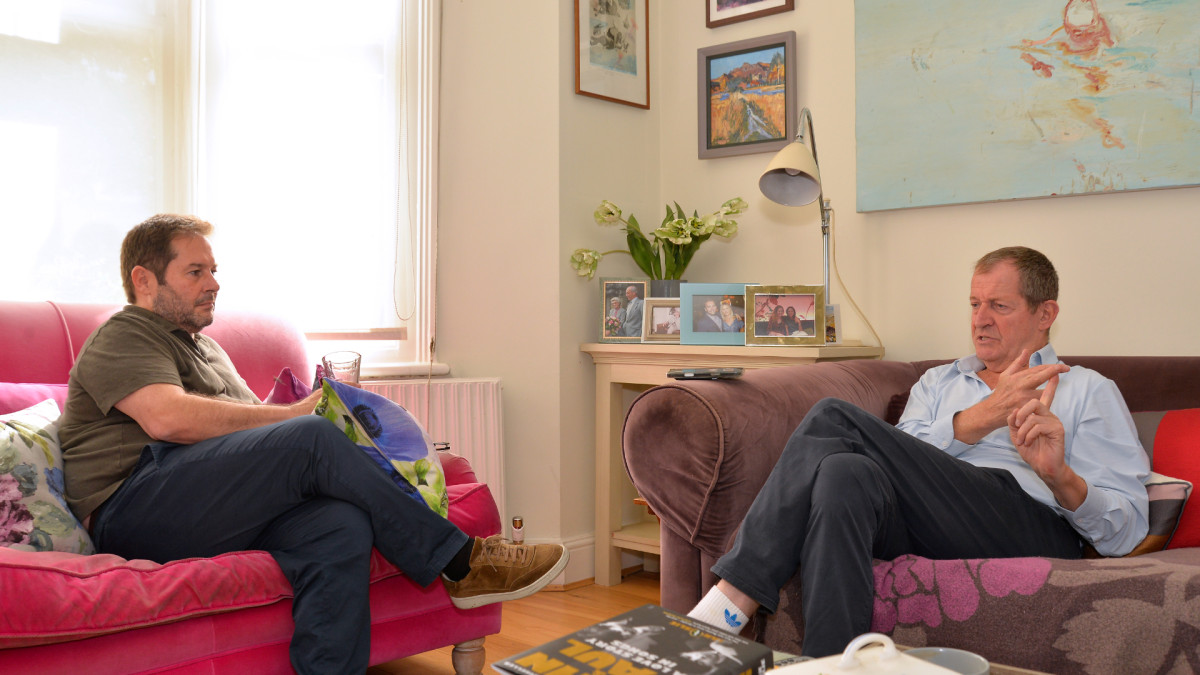
Marc López Plana (left) alongside Alastair Campbell (right) in London.Agenda Pública / Mark York
por Marc López Plana26 de julio de 2026
Marc López Plana, Editor and Director of Agenda Pública, travelled to London to speak with Alastair Campbell, former Director of Communications for Tony Blair and political commentator, about the arrival of the new Prime Minister, Andy Burnham, the challenges facing an increasingly unstable United Kingdom, and the public’s growing appetite for serious political content. The co-host of The Rest Is Politics podcast says the aim of the programme is simply "to help people understand that politics is complicated, but also fascinating."
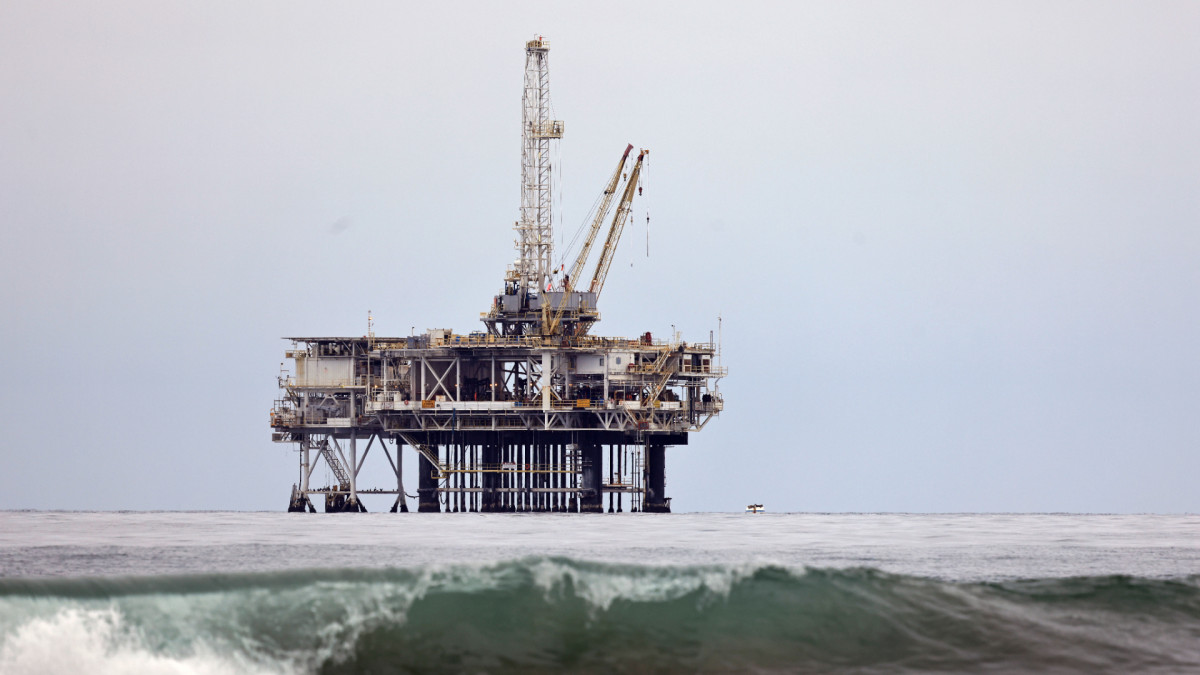
The oil industry is one of the sectors in which 'windfall profits' have been the subject of the most debate.Ruaridh Stewart / Zuma Press / Europa Press
por Marc López Plana24 de julio de 2026
At a time when Iberdrola and Repsol have announced semi-annual profits of €4.336 billion and €2.201 billion, respectively, the debate over "windfall profits" is back. In his weekly column, Marc López Plana, editor and director of 'Agenda Pública,' asks whether it is legitimate for governments to tax extraordinary profits when the circumstances that produced them also meant significant costs for citizens.
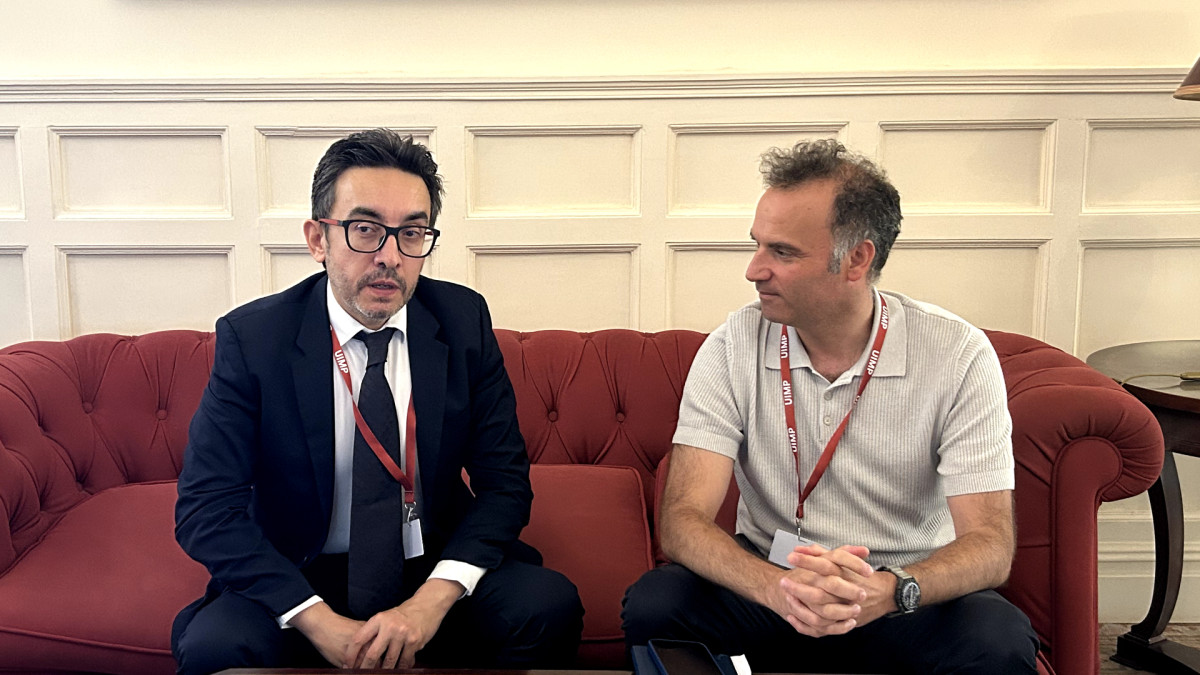
Bruno Maçães and Pol Morillas talk to 'Agenda Pública' in Santander.Agenda Pública
por Jorge de Diego Hurtado23 de julio de 2026
Bruno Maçães, senior adviser at Flint Global and writer, and Pol Morillas, director of the Barcelona Centre for International Affairs (CIDOB), speak with Agenda Pública journalist Jorge de Diego Hurtado about the transformation of the international landscape. Both take it for granted that change is under way and that the system of Western hegemony will not return, but argue that the shape of this new system, its principles and its advantages are still taking form.
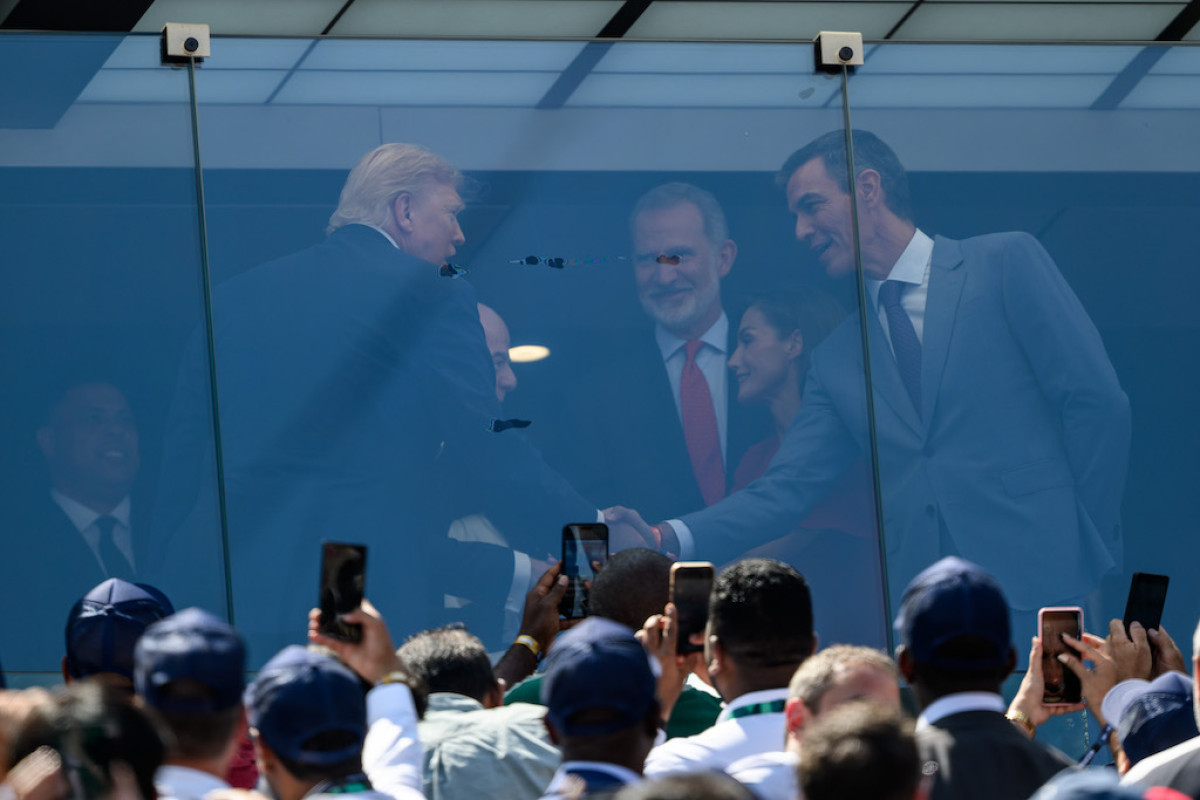
Donald Trump, President of the United States, and Pedro Sánchez, President of the Government of SpainJoel Marklund / Zuma Press / Europa Press
por Francesc Trillas Jané20 de julio de 2026
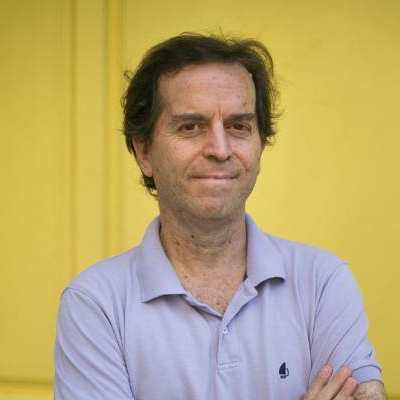
While Donald Trump tried to make the World Cup into a showcase for his nationalism, Spain seized the trophy with a team that tells a very different story: diversity, mobility, proper institutions, and collective play. Football doesn’t solve a country’s problems, but sometimes it reveals which model of society works best. According to Francesc Trillas, economist and author of 'Bread and Football,' the world football champion offers a global lesson that transcends sport.
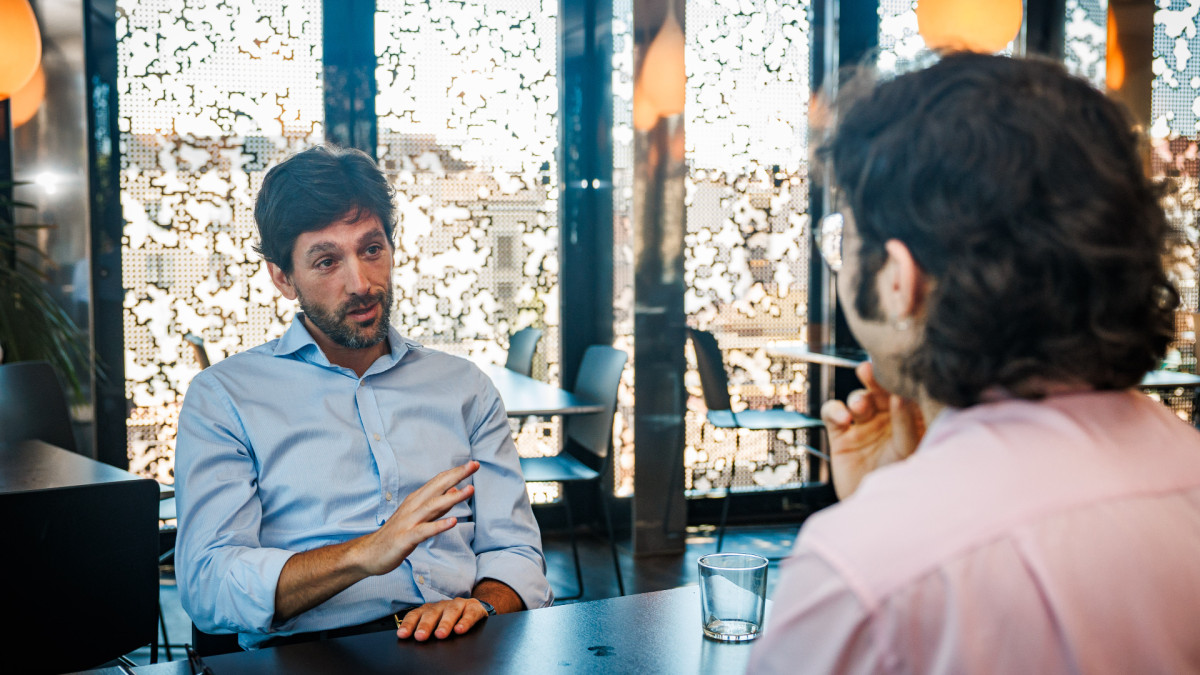
MEP Adrián Vázquez Lázara of the European People’s Party speaks in Madrid with 'Agenda Pública' staff writer Jorge de Diego HurtadoAgenda Pública / Tania Sieira
por Adrián Vázquez Lázara19 de julio de 2026
After the publication of the European Commission’s ‘Report on the Rule of Law’, Adrián Vázquez Lázara – European People’s Party MEP and former chair of the Parliament’s Committee on Legal Affairs – considers that Spain has failed "the exam" and stresses that Brussels has used "very strong terms" in assessing matters of corruption and reforms to the CGPJ. As regards two judgments from the EU Court of Justice related to amnesty, he explains in this conversation with 'Agenda Pública' that "the national courts still have the power to apply national law."
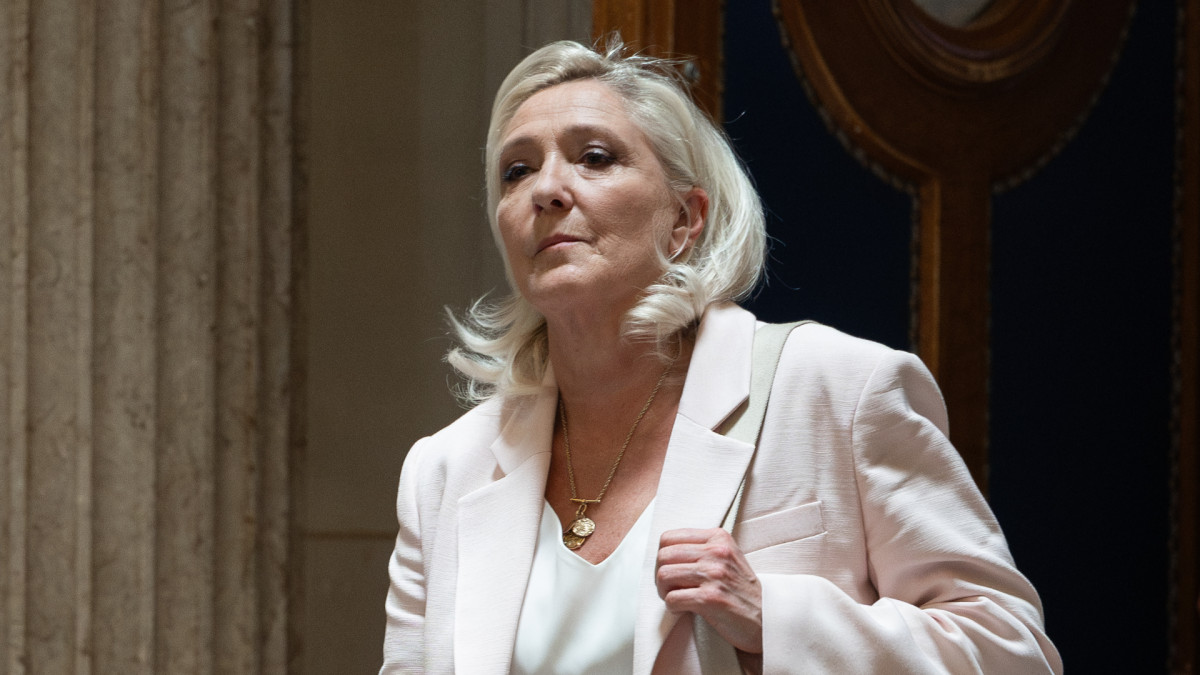
President of Rassemblement National parliamentary group Marine Le Pen leaves after the verdict in the appeal trial.Alexis Sciard / Zuma Press / Europa Press
por Giovanni Capoccia15 de julio de 2026
Marine Le Pen has turned her criminal conviction into a presidential gambit. Oxford political scientist Giovanni Capoccia explains how her appeal to the Court of Cassation suspends enforcement of the judgment and allows her to campaign, while placing the judiciary under unprecedented political pressure. "Never before has a leading presidential candidate made judicial accountability a central issue of a presidential campaign," he writes.
.jpg)
Sánchez and Feijóo face off in Parliament amid a full-blown clash over corruption and calls for an election.Gustavo Valiente / Europa Press
por Marc López Plana13 de julio de 2026
Spain’s upcoming 2027 elections are being read as a duel between the PSOE and PP, but the real story isn’t so simple. To what degree are politics in Spain still following rules imposed by the 2008 financial crisis? In this edition of 'Brújula Europea', Marc López Plana, editor and director of 'Agenda Pública', explores how fragmentation, coalitions, and the rise of new forces are not exclusive to Spain but reflect a broader transformation currently running through all of Europe’s democracies.
Página 1 de 14
Ahora en portada
21 de octubre de 2026
20 de octubre de 2026
21 de octubre de 2026