Martes, 13 de octubre de 2026



LÓPEZ PLANA'S EUROPEAN COMPASS
Goodbye passive consensus, hello political Europe
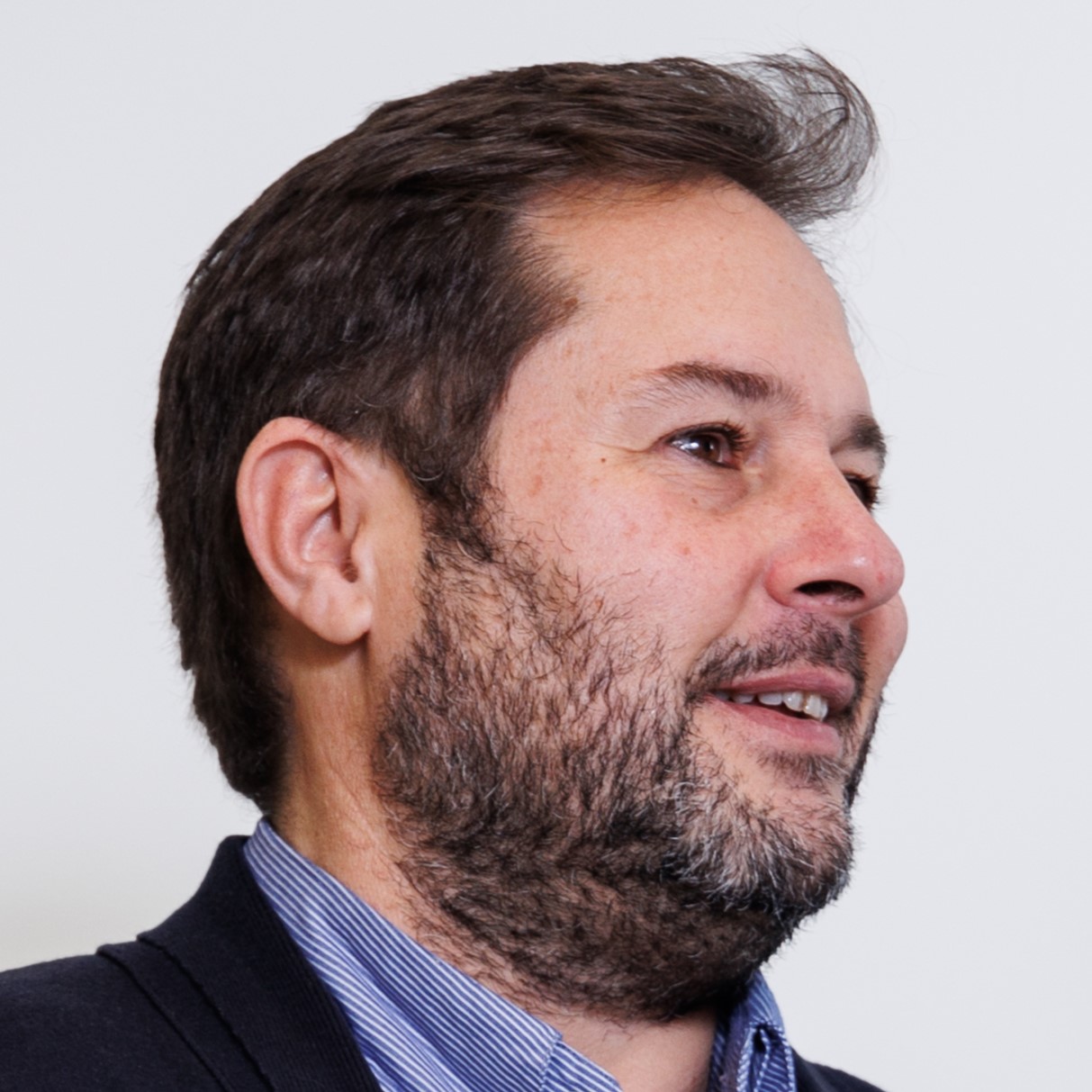
"Today it’s necessary that we make our decisions through politics while also assuming collective responsibility." In this edition of Brújula Europea, Marc López Plana – director and editor of 'Agenda Pública' – reflects on how, after five years of global crises, the European Union is leaving behind its tradition of passive consensus and becoming a more political entity: more conflictive, more deliberative, and more capable of making strategic decisions.
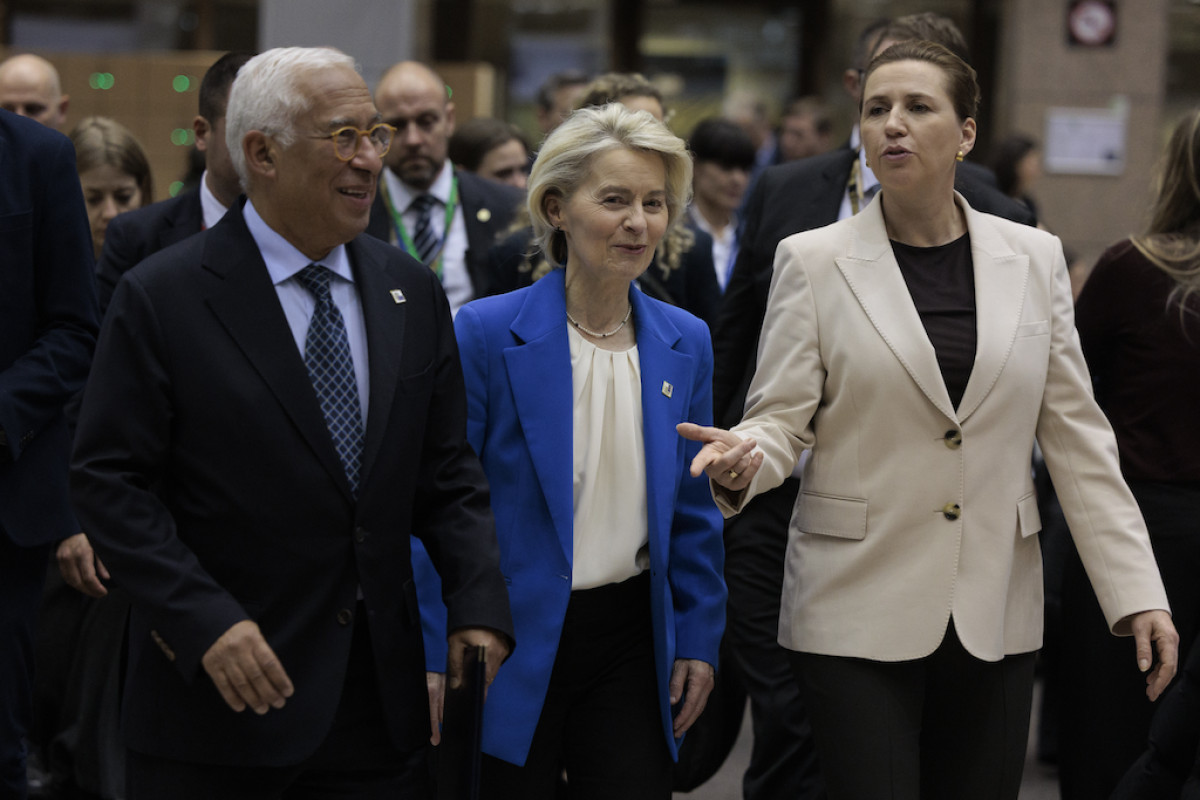
European Council summit meeting.NICOLAS MAETERLINCK / Belga Press / ContactoPhoto
Jean Monnet once said that when everyone shares the same problem and the same need to solve it, divisions and suspicions vanish. António Costa, President of the European Council, recalled those words in his ‘X’ feed last Thursday – before launching one of the most complicated gatherings of European leaders in recent times.
Amid the rivers of ink that have flowed on the ‘winners and losers’ at the latest EUCO meeting – or on the EU’s inability to be a world power – I’d like to contribute a few necessary comments. I think we need to raise our sights and overcome the ‘clickbait’ strategy of those who want to speak about winners and losers, then analyze the steps that the European Union has taken since everything took a drastic turn with Russia’s invasion of Ukraine, before the WHO had yet declared that the public health emergency of COVID-19 was no longer a global concern (which it finally did on May 5th, 2023).
And while we’re in a self-critical vein, we should recall the assessment of the Kiel Institute, not often raised in the European public debate: the EU and its Member States have now equaled or exceeded the total U.S. aid to Ukraine by several measures, especially when the various types of assistance are considered: military, financial, and humanitarian.
In less than five years, a pandemic and a war have flipped Europe and the world as we knew it upside down. How could such challenges not be difficult for European leaders to manage?
For decades, the European Union moved forward thanks to a unique combination of pragmatism, institutional inertia, and the near-tacit expectation that the integration process alone would engender both stability and prosperity. The project was never entirely free of conflict, but it was marked by a passive consensus: the Member States accepted decisions without intense political debate, trusting that the EU machinery (rules, treaties, procedures) would carry on working. Today, that model has proven itself exhausted, and Europe is poised to enter a political phase.
Franco-German leadership operated less as an imposition than a point of reference. Whenever Paris and Berlin coincided, the rest of the Union tended to fall in line, not by submission but by calculation: the cost of disagreement was usually greater than that of going along. The result was a European Union that managed economic integration efficiently, all the while remaining relatively depoliticized, where conflicts were buffered and deep strategic deliberations were postponed.
That model worked well, so long as the world did the same. Globalization, the U.S. security umbrella, sustained economic growth and the relative stability of the international order permitted Europe to advance without raising too many questions about power, security, or strategic autonomy. Passive consensus was possible because the risks appeared distant and the benefits were obvious.
The longstanding balance broke down across several phases: first the financial crisis, then the pandemic, and finally the war in Ukraine, marking the end of ‘automatic’ Europe. Suddenly, decisions were no longer technical in nature, or second-priority: they involved the mutualization of debt, the financing of massive economic shutdowns, support for a neighboring country at war, and a serious rethinking of defense and energy security.
It’s no longer enough to follow the great leading States. Moreover, Germany has taken certain big decisions with a short-term perspective – as in the case of its dependence on Russian gas – and those decisions haven’t always been the right ones. Despite the fact that such calculations affected us all, the rest of the Member States were scarcely heard to raise our voices.
Today it’s necessary that we make our decisions through politics while also assuming collective responsibility. We can view that as a problem – an inability inherent to the EU – or as a way of dissolving national interests and converting them into common will.
And that trust remains Europe’s true political capital. Decisions made slowly frequently prove more solid in the medium term. The Next Generation program – unthinkable a few years back – would not have been possible without weeks of negotiation and open friction. The same can be said for the use of common debt to finance strategic priorities and sustained support for Ukraine. Europe takes its time, but when it finally decides, its decisions are credible and lasting.
Permanent self-critique needs to evolve toward a permanent interpretation of how the EU really functions. Europe questions itself even when acting successfully; it reviews procedures, raises doubts in public fora, and openly expresses disagreements. Indeed, a political aspect has been emerging in EU decisions. Unlike in autocratic systems, European leaders need to justify their every step to multiple audiences: parliaments, markets, and citizens. If they don't – although this may seem contradictory – extreme factions will continue to grow. In reality, Europe’s tradition of passive consensus may have been perceived by some segments of society as the non-existence of differences, which as we know can lead to the notion that ‘everyone is equal’.
This also explains why passive consensus is no longer enough. When decisions affect fiscal sovereignty, security, or the social model, then automatic acceptance becomes politically unsustainable. Today, small and medium Member States aren’t satisfied with just going along; they demand to participate. And the larger States are no longer permitted to lead without having first to persuade. The result is a noisier, more conflictive, and (paradoxically) more political Europe.
The transition is not without its risks. A politicized Europe is also more exposed to blockades, vetoes, and internal tensions. But the alternative – a return to the inertia of passive consensus – is no longer possible. The outside world is too volatile, and decisions are too important to hide.
Everything is now in question, which forces us to deliberate. We can no longer take for granted open markets, the transatlantic military alliance, the welfare state, or even democratic stability. Passive consensus was helpful when history seemed linear. But now that history has taken a turn, political Europe is necessary – as is the acceptance by Merz of collective European borrowing to finance Ukraine, as well as enactment by the European Commission of Article 122 of the TFEU treaty, without Hungary’s support, to freeze Russian assets in conditions of emergency and extraordinary necessity. And as the diplomat Pablo García-Berdoy has proposed, we need something like a "European royal decree" that would allow the provisional approval of legislation, with subsequent ratification.
The European Union is learning, sometimes clumsily, to wield its own power, not through grandiloquent gestures but through decisions that are as collective as possible, slow in the making and discussed to the point of exhaustion. In today’s impatient world, that might be Europe’s greatest advantage.
Bonus: A political Europe seeking to leave behind passive consensus must also accept that Italians can have a say in the decisions of German leaders, or that an American newspaper with German capital might intervene in European debates. Above all, Spain must remain an active part of this newly political Europe, and our parties and media need to show great responsibility.
Amid the rivers of ink that have flowed on the ‘winners and losers’ at the latest EUCO meeting – or on the EU’s inability to be a world power – I’d like to contribute a few necessary comments. I think we need to raise our sights and overcome the ‘clickbait’ strategy of those who want to speak about winners and losers, then analyze the steps that the European Union has taken since everything took a drastic turn with Russia’s invasion of Ukraine, before the WHO had yet declared that the public health emergency of COVID-19 was no longer a global concern (which it finally did on May 5th, 2023).
"We need to raise our sights and overcome the ‘clickbait’ strategy of those who want to speak about ‘winners and losers’, then analyze the steps that the EU has taken since everything took a drastic turn with Russia’s invasion of Ukraine"I’m left with a pertinent remark by Nadia Calviño, President of the EIB, whom I interviewed last Friday: "The President of the Government spoke of the need for a Marshall Plan, which took the form of the Next Generation funds. It was vital that we could count on Ursula von der Leyen as President of the Commission, as well as Olaf Scholz, who was then the German Minister of Finance, which allowed for a social democratic response." The quantities of economic support received during the pandemic by the most affected countries were beyond imagining, but today we can affirm that, were it not for that support, our economies wouldn’t be functioning the way they do.
And while we’re in a self-critical vein, we should recall the assessment of the Kiel Institute, not often raised in the European public debate: the EU and its Member States have now equaled or exceeded the total U.S. aid to Ukraine by several measures, especially when the various types of assistance are considered: military, financial, and humanitarian.
In less than five years, a pandemic and a war have flipped Europe and the world as we knew it upside down. How could such challenges not be difficult for European leaders to manage?
For decades, the European Union moved forward thanks to a unique combination of pragmatism, institutional inertia, and the near-tacit expectation that the integration process alone would engender both stability and prosperity. The project was never entirely free of conflict, but it was marked by a passive consensus: the Member States accepted decisions without intense political debate, trusting that the EU machinery (rules, treaties, procedures) would carry on working. Today, that model has proven itself exhausted, and Europe is poised to enter a political phase.
"Passive consensus was no anomaly but a functional solution for a specific time, through much of the second half of the 20th century and the early years of the 21st"Passive consensus was no anomaly but a functional solution for a specific time. Through much of the second half of the 20th century and the early years of the 21st, the issues dominating the European agenda were chiefly technical: harmonization of markets, gradual enlargement, regulation, structural funds. Except for milestones like the creation of the Euro, few decisions were immediately existential or geopolitical in nature. In that context, it was reasonable enough for many Members to accept proposals from the great founding States – especially France and Germany, whose leadership served to stabilize the overall system.
Franco-German leadership operated less as an imposition than a point of reference. Whenever Paris and Berlin coincided, the rest of the Union tended to fall in line, not by submission but by calculation: the cost of disagreement was usually greater than that of going along. The result was a European Union that managed economic integration efficiently, all the while remaining relatively depoliticized, where conflicts were buffered and deep strategic deliberations were postponed.
That model worked well, so long as the world did the same. Globalization, the U.S. security umbrella, sustained economic growth and the relative stability of the international order permitted Europe to advance without raising too many questions about power, security, or strategic autonomy. Passive consensus was possible because the risks appeared distant and the benefits were obvious.
The longstanding balance broke down across several phases: first the financial crisis, then the pandemic, and finally the war in Ukraine, marking the end of ‘automatic’ Europe. Suddenly, decisions were no longer technical in nature, or second-priority: they involved the mutualization of debt, the financing of massive economic shutdowns, support for a neighboring country at war, and a serious rethinking of defense and energy security.
It’s no longer enough to follow the great leading States. Moreover, Germany has taken certain big decisions with a short-term perspective – as in the case of its dependence on Russian gas – and those decisions haven’t always been the right ones. Despite the fact that such calculations affected us all, the rest of the Member States were scarcely heard to raise our voices.
Today it’s necessary that we make our decisions through politics while also assuming collective responsibility. We can view that as a problem – an inability inherent to the EU – or as a way of dissolving national interests and converting them into common will.
"Unlike in autocratic systems, European leaders need to justify their every step to multiple audiences: parliaments, markets, and citizens"Here emerges one of the most criticized – and least understood – paradoxes of the European Union: its slow-moving nature. In a time of strong and fashionable leaders inclined toward rapid and spectacular decisions, the EU remains hesitant, trapped in its own endless processes. But this slowness isn’t only bureaucratic; it’s the reflection of a system designed for building active consensus, not passive acceptance. European decisions take time because they require the alignment of diverse national interests, the sharing of costs and benefits (and legitimization of the same), and the generation of trust between States and institutions.
And that trust remains Europe’s true political capital. Decisions made slowly frequently prove more solid in the medium term. The Next Generation program – unthinkable a few years back – would not have been possible without weeks of negotiation and open friction. The same can be said for the use of common debt to finance strategic priorities and sustained support for Ukraine. Europe takes its time, but when it finally decides, its decisions are credible and lasting.
Permanent self-critique needs to evolve toward a permanent interpretation of how the EU really functions. Europe questions itself even when acting successfully; it reviews procedures, raises doubts in public fora, and openly expresses disagreements. Indeed, a political aspect has been emerging in EU decisions. Unlike in autocratic systems, European leaders need to justify their every step to multiple audiences: parliaments, markets, and citizens. If they don't – although this may seem contradictory – extreme factions will continue to grow. In reality, Europe’s tradition of passive consensus may have been perceived by some segments of society as the non-existence of differences, which as we know can lead to the notion that ‘everyone is equal’.
This also explains why passive consensus is no longer enough. When decisions affect fiscal sovereignty, security, or the social model, then automatic acceptance becomes politically unsustainable. Today, small and medium Member States aren’t satisfied with just going along; they demand to participate. And the larger States are no longer permitted to lead without having first to persuade. The result is a noisier, more conflictive, and (paradoxically) more political Europe.
The transition is not without its risks. A politicized Europe is also more exposed to blockades, vetoes, and internal tensions. But the alternative – a return to the inertia of passive consensus – is no longer possible. The outside world is too volatile, and decisions are too important to hide.
"Political Europe is necessary, as is the acceptance by Merz of collective European borrowing to finance Ukraine, as well as enactment by the European Commission of Article 122 of the TFEU treaty, without Hungary’s support"In that sense, the slowness of Europe is a kind of strategic prudence, and here I return to my recent conversation with Nadia Calviño. Faced with sudden shifts and the uncertainties they bring, the EU is committed to processes that, while at times exasperating, weave relationships of trust between people and institutions. That trust explains why European decisions, once adopted, tend to stand the test of time better than policies that are adopted quickly.
Everything is now in question, which forces us to deliberate. We can no longer take for granted open markets, the transatlantic military alliance, the welfare state, or even democratic stability. Passive consensus was helpful when history seemed linear. But now that history has taken a turn, political Europe is necessary – as is the acceptance by Merz of collective European borrowing to finance Ukraine, as well as enactment by the European Commission of Article 122 of the TFEU treaty, without Hungary’s support, to freeze Russian assets in conditions of emergency and extraordinary necessity. And as the diplomat Pablo García-Berdoy has proposed, we need something like a "European royal decree" that would allow the provisional approval of legislation, with subsequent ratification.
The European Union is learning, sometimes clumsily, to wield its own power, not through grandiloquent gestures but through decisions that are as collective as possible, slow in the making and discussed to the point of exhaustion. In today’s impatient world, that might be Europe’s greatest advantage.
Bonus: A political Europe seeking to leave behind passive consensus must also accept that Italians can have a say in the decisions of German leaders, or that an American newspaper with German capital might intervene in European debates. Above all, Spain must remain an active part of this newly political Europe, and our parties and media need to show great responsibility.
Ahora en portada
13 de octubre de 2026
13 de octubre de 2026
Noticias relacionadas
Hace 42 semanas
Adiós al consenso pasivo, hola a la Europa política
Hace 44 semanas
Por qué no se están usando (aún) los activos rusos congelados para financiar a Ucrania
Lo más leído