Sábado, 17 de octubre de 2026



CONVERSATIONS
Nadia Calviño: "The future lies in the joint financing of European priorities"
After two years at the helm of the European Investment Bank, Nadia Calviño speaks with Marc López Plana, editor and director of 'Agenda Pública'. Within the current context of "enormous volatility" the EIB President identifies key aspects of the international chessboard, describes our present challenges, and recalls the most complicated moments during her time as Spain’s Minister of the Economy.
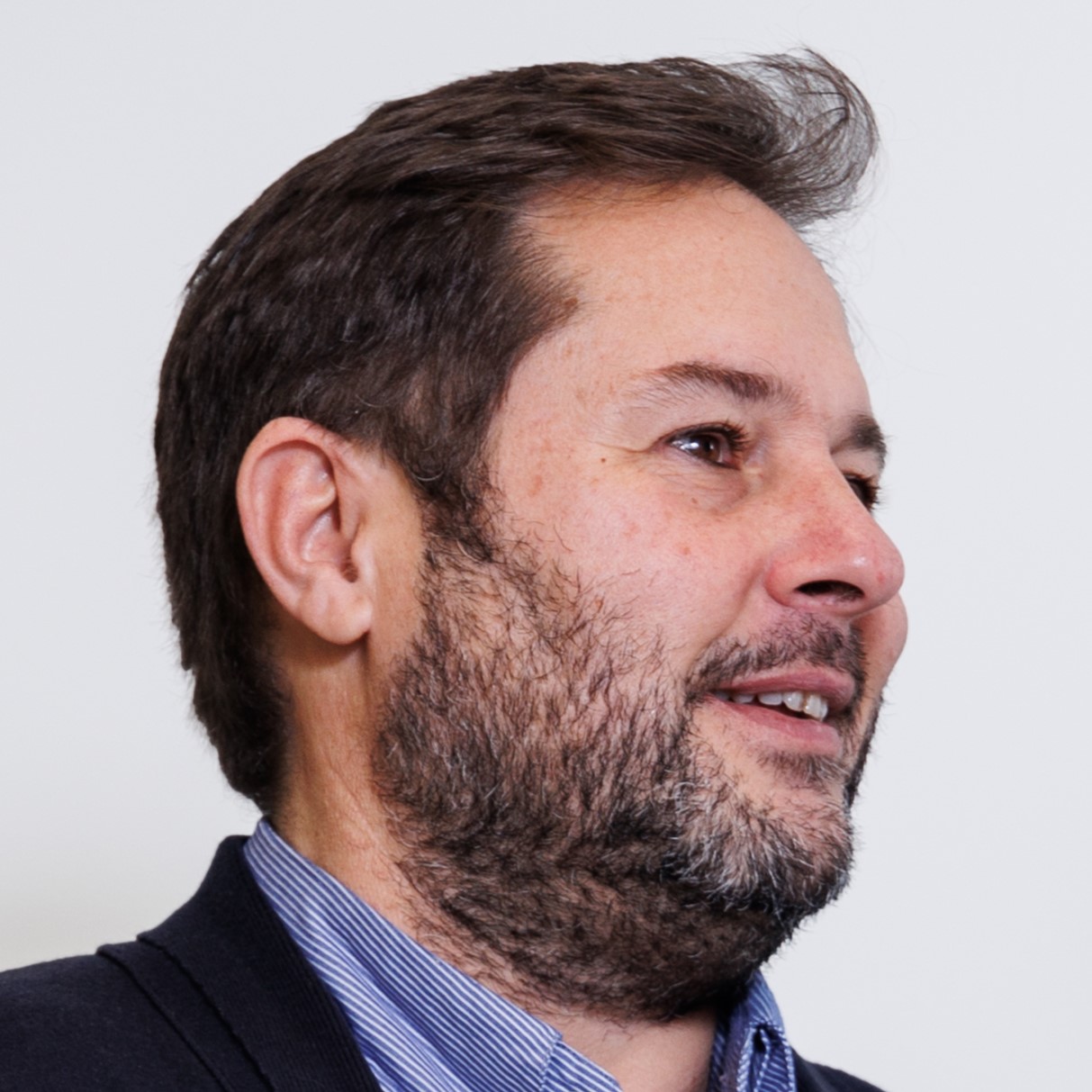
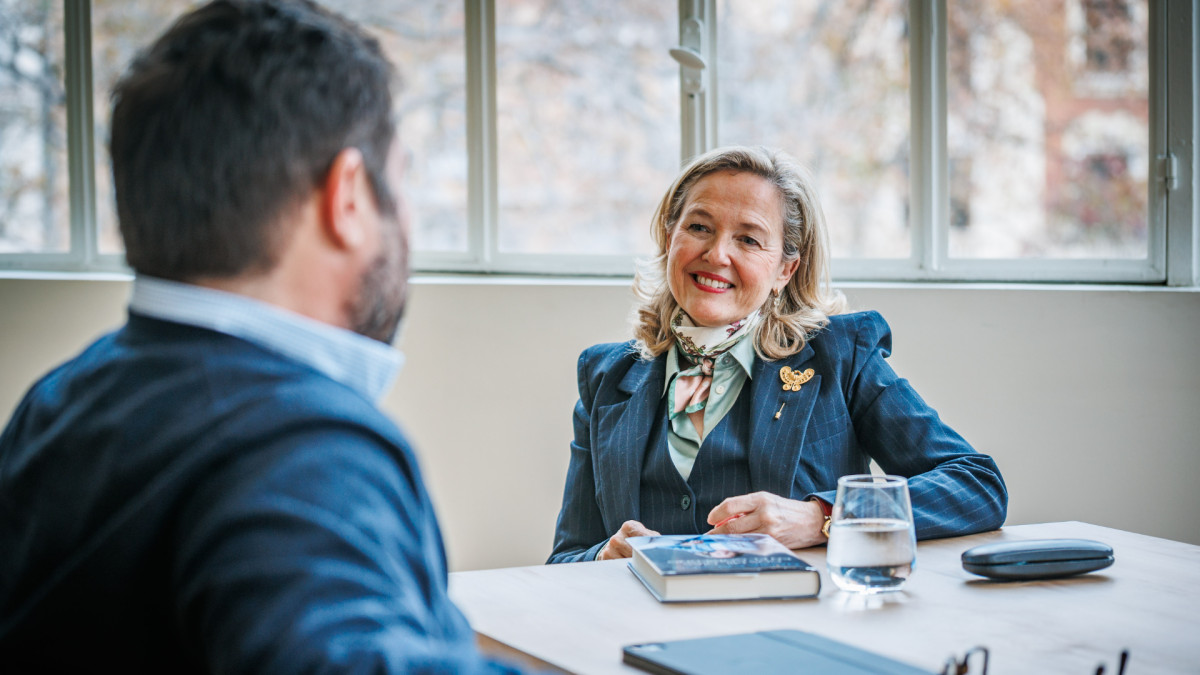
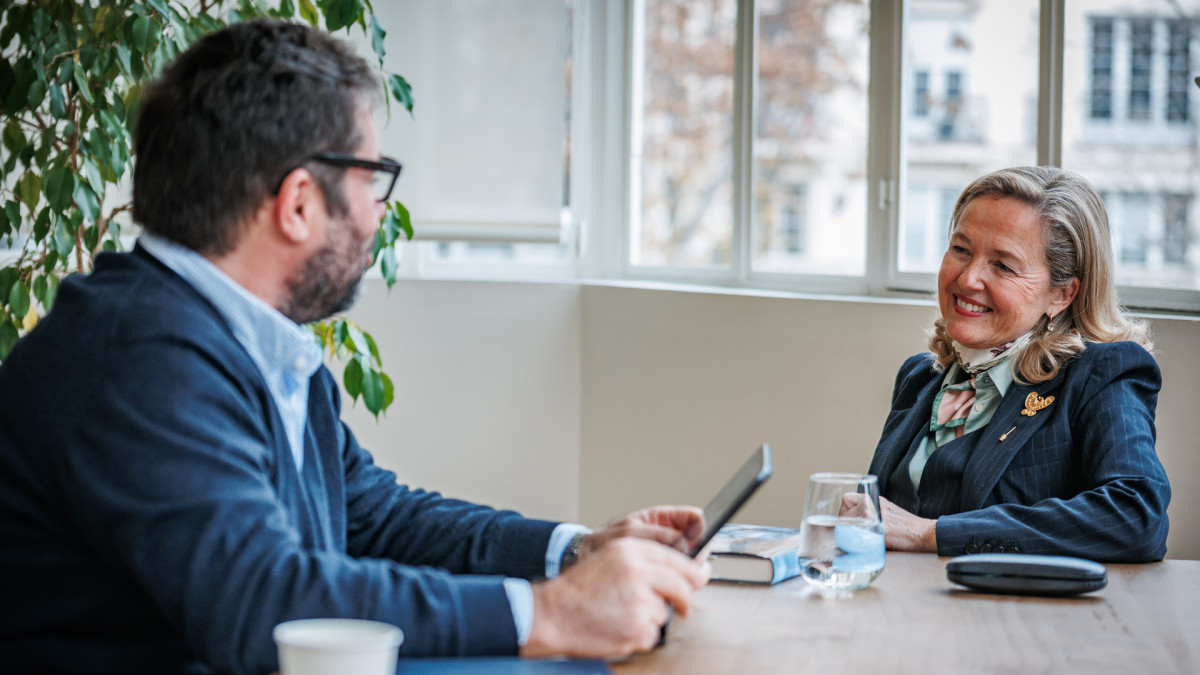
Nadia Calviño, President of the European Investment Bank, receives Marc López Plana, editor and director of 'Agenda Pública'.Agenda Pública / Tania Sieira
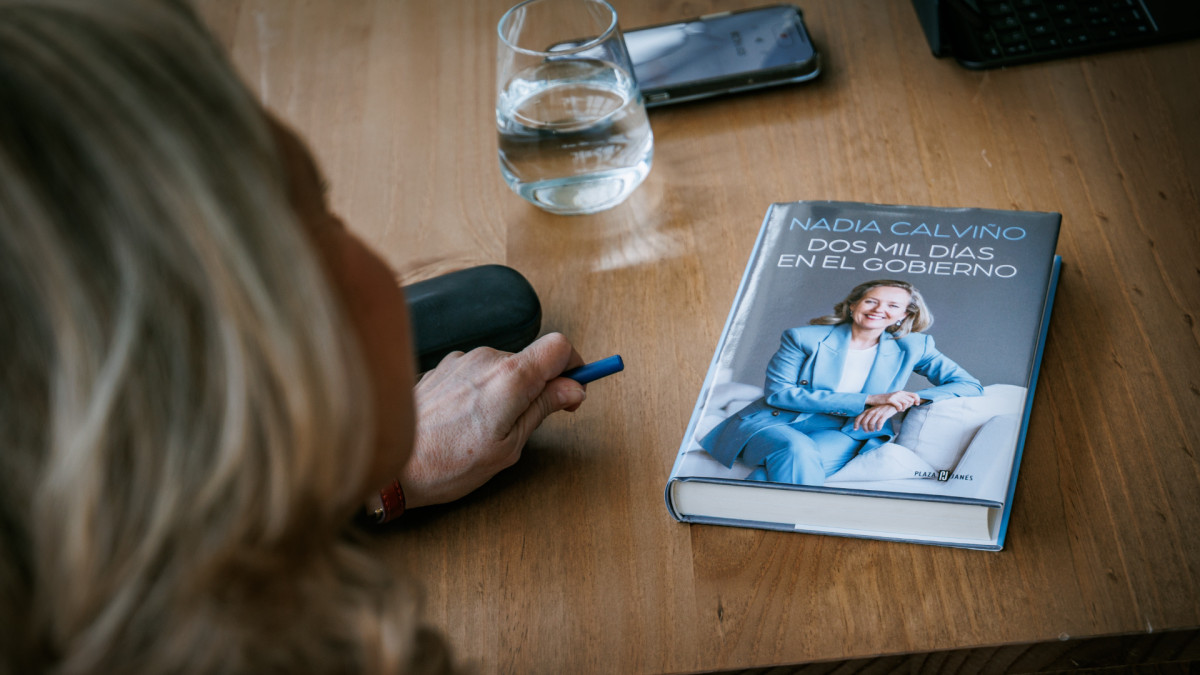
I interviewed Nadia Calviño for the first time in December of 2024, when her departure from Spanish politics was still relatively recent – she had taken the reins at the European Investment Bank (EIB) just one year prior. Now, two years after having left Spain’s Ministry of the Economy in the hands of Carlos Cuerpo, our second conversation coincided with the launch of her book ‘Dos mil días en el Gobierno’ (‘Two Thousand Days in Government’, Plaza & Janés, 2025). As the title suggests, in that book she describes her tenure in the Spanish government from 2018 to 2023 – a very complicated time for Calviño as well as for Spain. I also inquired as to international developments with special interest, given that together with Teresa Ribera she’s perhaps the most influential Spaniard in Europe.
Calviño calls for progress toward joint financing in Europe, and she proclaims that "the future lies in the joint financing of European priorities, whether in support for Ukraine, security and defense policy, or large investments in infrastructure." She reconfirms the growing weight of Spain within the EU as a nation with "a highly respected and influential voice at the EU level." Having been part of Spain’s first coalition government, she defends the culture of coalition, characterizing many reported conflicts as "artificial or exaggerated," and she highlights the strategic relationship between Government and Business, which proved key to overcoming "so brilliantly" the challenges raised by the pandemic. Calviño further explains the importance of market confidence, which is achieved through clarity and coherence: "we told them what we would do, then we did what we said we would do." As regards the management of COVID-19, she acknowledges that, being without a roadmap, they were right to act "early, quickly, on a large scale, and with flexibility." Finally, she concludes that in a global context of volatility, the winning value will be trust: "Slow processes of decision-making help weave relationships of trust between people and institutions."
What do you think of the fact that European leaders have decided for the second time to use Eurobonds as a mechanism, in this case to finance Ukraine?
The decision by Europe’s leaders to show unwavering support for Ukraine is extremely important. The priority is to ensure that Ukraine remains supported at this key moment for the future of Europe – indeed, for the future of the world. This is truly a defining moment.
You experienced European politics before Spanish politics, and now you’re back in European politics again. What links one to the other? One debate for the future is the influence that Spain should exert on decision-making.
Spain is one of the largest Member States and among those countries at the heart of both the Eurozone and the European Union. At the moment, after seven years of consolidating itself as a reliable partner, Spain’s voice in the community is highly respected and influential. The stability of Spain from a political perspective and its economic growth and prosperity are very important factors for Europe, particularly when other countries are undergoing serious political instability or a relatively delicate economic situation.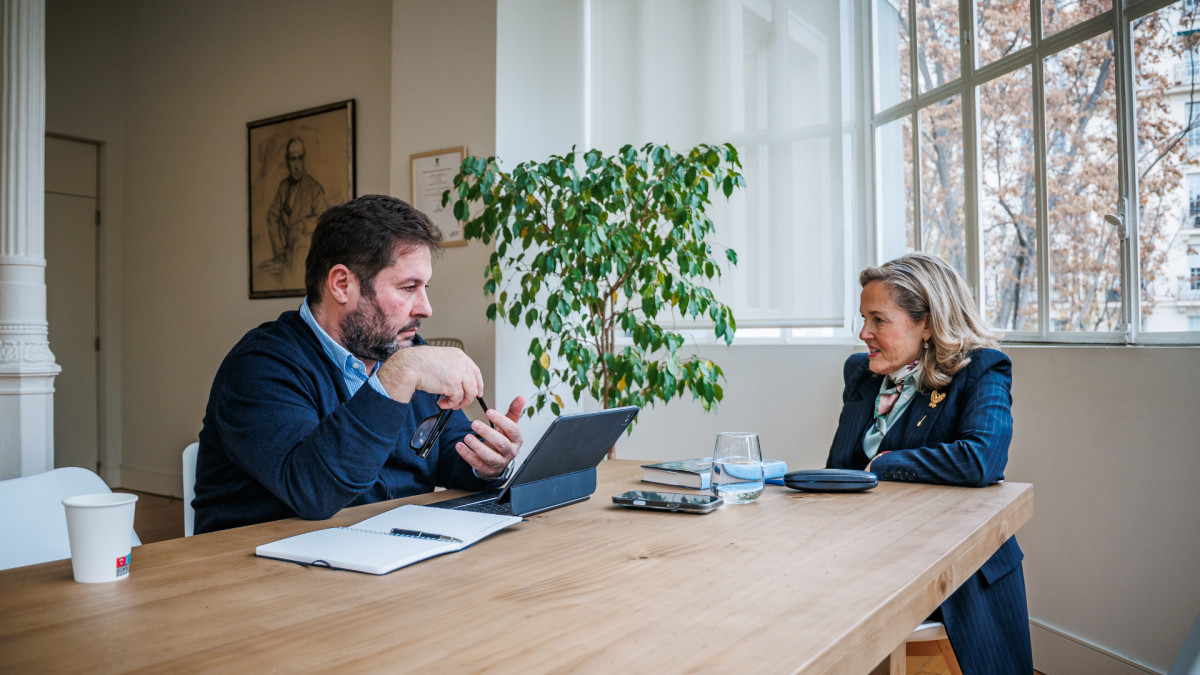 During your time in Spain, you formed part of the country’s first coalition government. How would you describe that experience?
It’s necessary in all governments to combine diverse points of view, because each ministry has its own priorities and perspectives. In all governments, there are channels and instruments to articulate those positions, and coalition governments exist in almost all of the countries around us.
Do we lack a coalition culture?
Those were the first coalition governments since the advent of democracy. We keep learning, but in the future we’ll be seeing that same reality more often in European countries, as a response to the fragmentation of our societies and democratic systems.
In your book ‘Two Thousand Days in Government’ you recall speaking to the President about labor reform, where he insisted that any such reform had to have the support of both employers and markets. What’s especially significant about the relationship between the Minister of the Economy and the President of the Government?
In recent times, it’s been absolutely essential that the President and First Vice-President of the Government, the Minister of the Economy, and the Minister of Finance remain fully aligned. That relationship has been crucial to the success of Spain’s economic policy.
In the book I explain in detail the keys to success in economic policy, in my opinion and given my experience. Among those key factors is precisely that those two ministries and the presidency be in total alignment.
 What is the role of business in the definition of public policies?
Companies are first-rate economic and social agents in Spain. During my time as Minister, I spent a lot of time travelling around Spain, meeting with businesspeople, getting to know the reality on the ground and listening first-hand to their points of view.
You’ve referred to the importance of financial markets having trust in a country. What does it really mean for markets to trust (or trust in) Spain?
Together with the Public Treasury, the Ministry of the Economy plays a vital role in guaranteeing stability as well as confidence within financial markets. That’s what allows us to finance ourselves on beneficial terms, and to pay the lowest interest rates possible. At the moment, interest rates on Spanish debt are at historic lows, which gives Spain the capacity for both action and financial sustainability.
From the outset of my tenure in 2018, one decisive factor was the confidence expressed by markets in Spain’s government. To foster that confidence, I personally spent a lot of time communicating and articulating a clear strategy, so investors knew that we’d tell them what we planned to do, then do what we said we’d do – which is the key to trust.
There’s a moment in the book where you express a certain feeling of helplessness when describing how a pandemic can affect an economy. There hasn’t been a lot written about this point. How can politics coexist with uncertainty?
In previous decades, we’d experienced financial crises, episodes of inflation, crises in debt markets, and structural reforms, but nothing had prepared us for a pandemic, and there was no roadmap. We were faced with a situation with no recipe for response. I looked through all the available documents and economic analyses, taking care above all not to make mistakes that might prove irreversible. The reports that I found referred to wars, where the impacts are different from those of a pandemic. It was important to me that I estimate the potential impacts and identify agile yet large-scale measures that could enable us to avoid any worst-case scenarios. In retrospect, we were right to act early, quickly, on a large scale, and with flexibility.
Next Generation funds played a fundamental role in the economic recovery. Can you explain the behind-the-scenes action and when you decided "we have to do this"?
Since the spring of 2020, we’ve been acting at the European level to establish a financial safety net, to prevent economic catastrophe. We had learned from the great financial crisis, so from April of 2020 we already had the liquidity necessary to sustain the productive fabric, and we began to work on structural measures to promote a strong recovery. The President of the Government spoke of the need for a Marshall Plan, which took the form of the Next Generation funds. The key aspects were speed, scale, and the need for Europe to react coherently, with determination and solidarity.
Was Germany important?
Yes, it was vital that we could count on Ursula von der Leyen as President of the Commission and Olaf Scholz, who was then the German Minister of Finance, which allowed for a Social Democratic response. In the spring of 2020 we established a system of guarantees for companies, liquidity for banks through the ECB, and the SURE program, which provided financing for ERTEs in Spain for the first time, creating a nascent unemployment insurance for Europe. Scholz played a crucial role.
My final question. You dedicate a chapter to geopolitics and recount "the battles, paragraph by paragraph." How do we convince citizens that such battles, while perhaps slow in nature, have a greater and more beneficial impact on problem resolution, given that today we have strong leaders who tend toward quick and spectacular decisions that might be less effective in the medium term?
This current scenario of enormous volatility and major swings should precisely reinforce the value of stability and confidence. Slow processes of decision-making help weave relationships of trust between people and institutions, which has allowed the world to move forward in peace, compatibility, and cooperation for 80 years. It’s imperative that those values and principles inspire the future world order.
Thank you very much, President Calviño
Calviño calls for progress toward joint financing in Europe, and she proclaims that "the future lies in the joint financing of European priorities, whether in support for Ukraine, security and defense policy, or large investments in infrastructure." She reconfirms the growing weight of Spain within the EU as a nation with "a highly respected and influential voice at the EU level." Having been part of Spain’s first coalition government, she defends the culture of coalition, characterizing many reported conflicts as "artificial or exaggerated," and she highlights the strategic relationship between Government and Business, which proved key to overcoming "so brilliantly" the challenges raised by the pandemic. Calviño further explains the importance of market confidence, which is achieved through clarity and coherence: "we told them what we would do, then we did what we said we would do." As regards the management of COVID-19, she acknowledges that, being without a roadmap, they were right to act "early, quickly, on a large scale, and with flexibility." Finally, she concludes that in a global context of volatility, the winning value will be trust: "Slow processes of decision-making help weave relationships of trust between people and institutions."
What do you think of the fact that European leaders have decided for the second time to use Eurobonds as a mechanism, in this case to finance Ukraine?
The decision by Europe’s leaders to show unwavering support for Ukraine is extremely important. The priority is to ensure that Ukraine remains supported at this key moment for the future of Europe – indeed, for the future of the world. This is truly a defining moment.
"It’s clear that the future lies in the joint financing of European priorities, whether in support for Ukraine, security and defense policy, or large investments in infrastructure"It’s foreseeable that, once the European bonds have been issued by the Commission to finance the Next Generation program, that will be among the issues most discussed during the negotiation phase of the new multiannual community budget from 2028. It’s clear that the future lies in the joint financing of European priorities, whether in support for Ukraine, security and defense policy, or necessary large investments in infrastructure.
You experienced European politics before Spanish politics, and now you’re back in European politics again. What links one to the other? One debate for the future is the influence that Spain should exert on decision-making.
Spain is one of the largest Member States and among those countries at the heart of both the Eurozone and the European Union. At the moment, after seven years of consolidating itself as a reliable partner, Spain’s voice in the community is highly respected and influential. The stability of Spain from a political perspective and its economic growth and prosperity are very important factors for Europe, particularly when other countries are undergoing serious political instability or a relatively delicate economic situation.
López Plana asks Calviño about Spain’s role in the European institutional apparatus. Photo: Agenda Pública / Tania Sieira
It’s necessary in all governments to combine diverse points of view, because each ministry has its own priorities and perspectives. In all governments, there are channels and instruments to articulate those positions, and coalition governments exist in almost all of the countries around us.
"The difference between the internal functioning of the administration and what was amplified in the media was a little peculiar"Perhaps what made Spain’s coalition government a little peculiar in those years was the difference between the internal functioning of the administration and what was amplified in the media, including conflicts that were in most cases artificial – which I don’t see happening in other European countries with coalition governments.
Do we lack a coalition culture?
Those were the first coalition governments since the advent of democracy. We keep learning, but in the future we’ll be seeing that same reality more often in European countries, as a response to the fragmentation of our societies and democratic systems.
In your book ‘Two Thousand Days in Government’ you recall speaking to the President about labor reform, where he insisted that any such reform had to have the support of both employers and markets. What’s especially significant about the relationship between the Minister of the Economy and the President of the Government?
In recent times, it’s been absolutely essential that the President and First Vice-President of the Government, the Minister of the Economy, and the Minister of Finance remain fully aligned. That relationship has been crucial to the success of Spain’s economic policy.
In the book I explain in detail the keys to success in economic policy, in my opinion and given my experience. Among those key factors is precisely that those two ministries and the presidency be in total alignment.
The former Minister of the Economy talks about her latest book, 'Two Thousand Days in Government'. Photo: Agenda Pública / Tania Sieira
Companies are first-rate economic and social agents in Spain. During my time as Minister, I spent a lot of time travelling around Spain, meeting with businesspeople, getting to know the reality on the ground and listening first-hand to their points of view.
"During the pandemic, mutual understanding with representatives from business and the trade unions proved pivotal for Spain in overcoming that unique and extraordinary challenge so brilliantly"I also think it’s essential to listen to all those who represent workers and civil society. Those of us with public responsibilities must keep our eyes and ears open to the needs and concerns of citizens. During the pandemic, mutual understanding with representatives from business and the trade unions proved pivotal for Spain in overcoming that unique and extraordinary challenge so brilliantly.
You’ve referred to the importance of financial markets having trust in a country. What does it really mean for markets to trust (or trust in) Spain?
Together with the Public Treasury, the Ministry of the Economy plays a vital role in guaranteeing stability as well as confidence within financial markets. That’s what allows us to finance ourselves on beneficial terms, and to pay the lowest interest rates possible. At the moment, interest rates on Spanish debt are at historic lows, which gives Spain the capacity for both action and financial sustainability.
From the outset of my tenure in 2018, one decisive factor was the confidence expressed by markets in Spain’s government. To foster that confidence, I personally spent a lot of time communicating and articulating a clear strategy, so investors knew that we’d tell them what we planned to do, then do what we said we’d do – which is the key to trust.
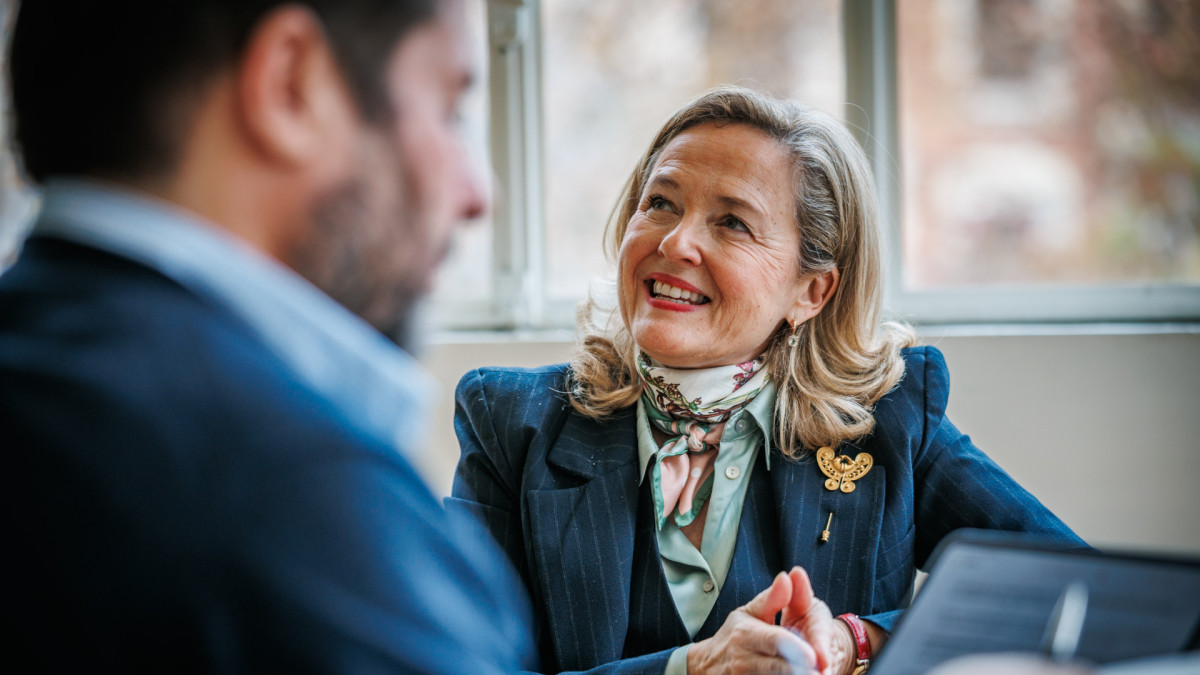
Calviño underlines the importance of coordinating a dialogue with all actors in society. Photo: Agenda Pública / Tania Sieira
There’s a moment in the book where you express a certain feeling of helplessness when describing how a pandemic can affect an economy. There hasn’t been a lot written about this point. How can politics coexist with uncertainty?
In previous decades, we’d experienced financial crises, episodes of inflation, crises in debt markets, and structural reforms, but nothing had prepared us for a pandemic, and there was no roadmap. We were faced with a situation with no recipe for response. I looked through all the available documents and economic analyses, taking care above all not to make mistakes that might prove irreversible. The reports that I found referred to wars, where the impacts are different from those of a pandemic. It was important to me that I estimate the potential impacts and identify agile yet large-scale measures that could enable us to avoid any worst-case scenarios. In retrospect, we were right to act early, quickly, on a large scale, and with flexibility.
"It was important to me that I estimate the potential impacts and identify agile yet large-scale measures that could enable us to avoid any worst-case scenarios"At a deeper level, I was struck when Carmen Iglesias, president of the Royal Academy of History, told me that throughout history, "whenever pandemics have emerged, there have also been wars and changes in regime." Perhaps that explains how the pandemic accelerated global processes where the effects are only now being fully felt.
Next Generation funds played a fundamental role in the economic recovery. Can you explain the behind-the-scenes action and when you decided "we have to do this"?
Since the spring of 2020, we’ve been acting at the European level to establish a financial safety net, to prevent economic catastrophe. We had learned from the great financial crisis, so from April of 2020 we already had the liquidity necessary to sustain the productive fabric, and we began to work on structural measures to promote a strong recovery. The President of the Government spoke of the need for a Marshall Plan, which took the form of the Next Generation funds. The key aspects were speed, scale, and the need for Europe to react coherently, with determination and solidarity.
López Plana inquires as to the ‘ins and outs’ of coordinating the COVID-19 crisis. Photo: Agenda Pública / Tania Sieira
Was Germany important?
Yes, it was vital that we could count on Ursula von der Leyen as President of the Commission and Olaf Scholz, who was then the German Minister of Finance, which allowed for a Social Democratic response. In the spring of 2020 we established a system of guarantees for companies, liquidity for banks through the ECB, and the SURE program, which provided financing for ERTEs in Spain for the first time, creating a nascent unemployment insurance for Europe. Scholz played a crucial role.
My final question. You dedicate a chapter to geopolitics and recount "the battles, paragraph by paragraph." How do we convince citizens that such battles, while perhaps slow in nature, have a greater and more beneficial impact on problem resolution, given that today we have strong leaders who tend toward quick and spectacular decisions that might be less effective in the medium term?
This current scenario of enormous volatility and major swings should precisely reinforce the value of stability and confidence. Slow processes of decision-making help weave relationships of trust between people and institutions, which has allowed the world to move forward in peace, compatibility, and cooperation for 80 years. It’s imperative that those values and principles inspire the future world order.
"This current scenario of enormous volatility and major swings should precisely reinforce the value of stability and confidence"Europe is facing challenges and attacks on the very elements that have enabled its extraordinary success since the end of the Second World War: elements like open markets, multilateral rules and institutions, the transatlantic military alliance, peace on our borders, the welfare state, and democratic values. It’s essential to defend those values every day. We must protect our unity, strengthen ourselves in areas like defense, and continue to guarantee decent quality of life, well-being, and freedom. At the European Investment Bank, I’m determined to contribute to meeting those goals.
Thank you very much, President Calviño
Ahora en portada
17 de octubre de 2026
16 de octubre de 2026
Noticias relacionadas
Hace 44 semanas
El día después de que se acaben los fondos europeos, la economía los seguirá exprimiendo
Hace 43 semanas
El mapa del poder económico global en 2025 y el reto para Europa
Hace 96 semanas
Nadia Calviño: "Hay que lograr que las ideas, tecnologías y empresas nacidas en Europa se queden"
Lo más leído