Sábado, 17 de octubre de 2026




CONVERSATIONS
André Denk, director of the European Defence Agency: "There is no way to oppose the EU and NATO"
Faced with the threat of a US retreat on security, EDA director and general André Denk acknowledges Europe’s strategic dependence. In the face of such a scenario, he hopes that "it will not be necessary to plan without the Americans" but argues that "we have to be prepared as Europeans" if the time comes. In his conversation with Agenda Pública director and editor Marc López Plana, he also stresses that there is greater unity among member states, as "interest in joint action, in cooperating in an EU environment, has significantly risen."
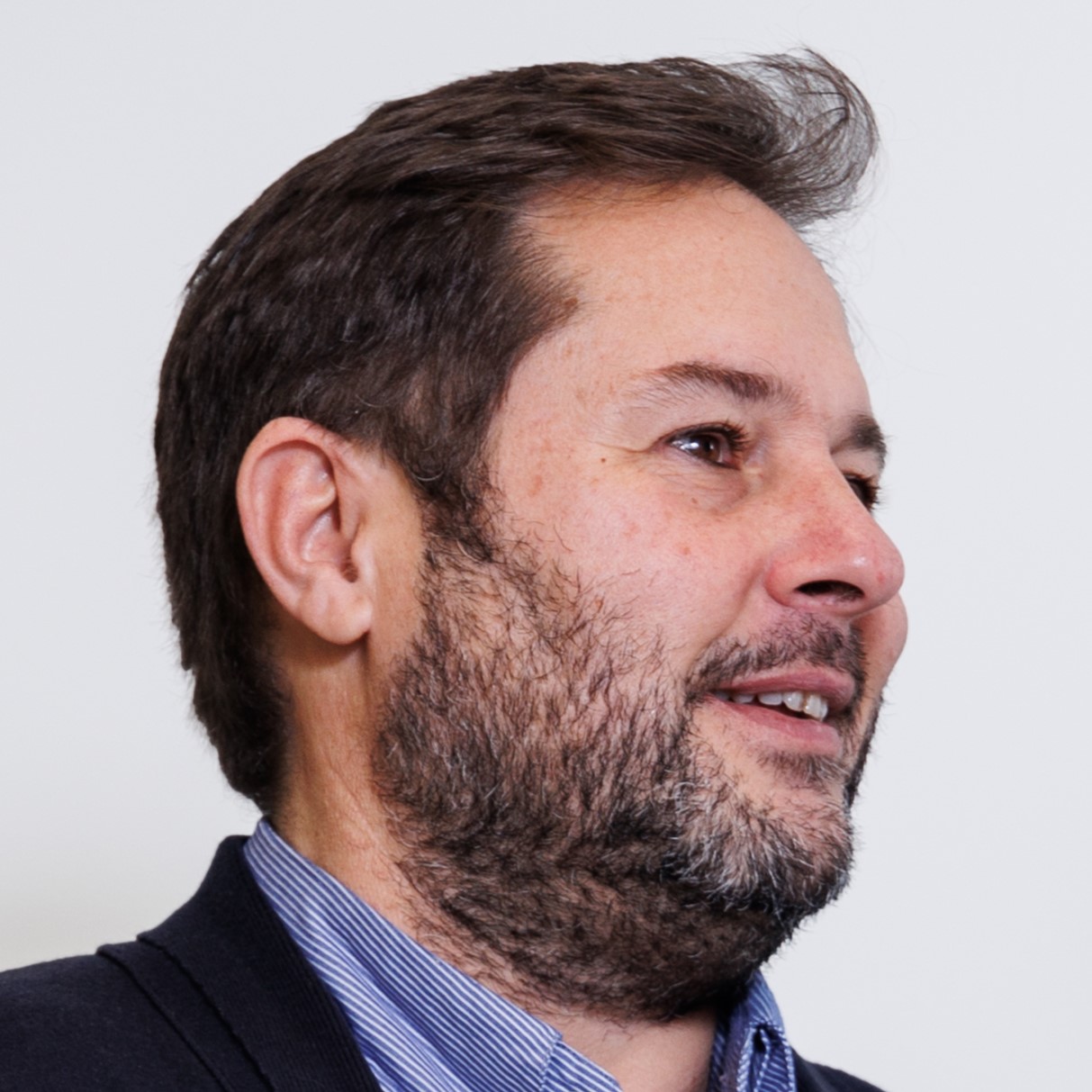
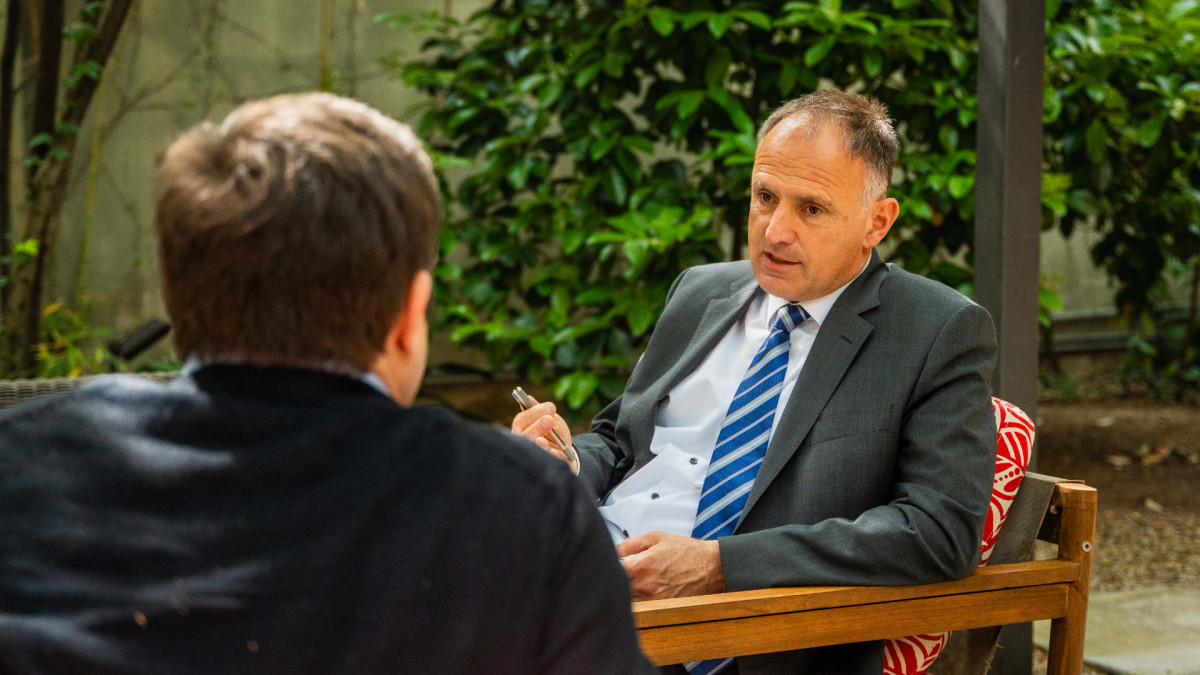
Denk speaks with Agenda Pública director and editor Marc López Plana.Agenda Pública / Tsun Ho
Europe’s rearmament drive runs up against the absence of a genuine single defence market. In this conversation, the director of the European Defence Agency (EDA), German general André Denk, dissects the complex puzzle of coordinating twenty-seven member states acting as exclusive customers. Against those calling for full and immediate integration, his analysis warns of the dangers of monopolies and reminds us that "some fragmentation even strengthens European security of supply".
In this context, Russia’s invasion of Ukraine has shattered long-standing taboos around arms procurement, boosting intergovernmental cooperation platforms. Although national procurement still prevails for reasons of industrial protection and employment, Denk stresses that "interest in joint action, in cooperating in an EU environment, has significantly risen". This new political will is essential to maximise efficiency and guarantee the interoperability of allied troops on the ground.
Yet true strategic autonomy remains elusive as long as Europe’s serious technological and logistical vulnerabilities persist. European capitals are forced to buy equipment from the United States or South Korea because local industry cannot meet delivery deadlines. If, in order to deter Moscow, "we have to significantly strengthen our military capabilities as a strong European pillar in NATO", will Europe’s defence industry be ready before the next geopolitical crisis? That is the horizon facing European defence.

What is the role of the European Defence Agency?
Established in 2004, the European Defence Agency formally figures in the Treaty on European Union (TEU). It is an EU Agency that has an intergovernmental way of working designed to support EU member states in developing their military capabilities.
It is a cooperation platform for EU member states, and it is steered by the ministries of defence of the EU member states. At the same time, the head of the agency is the High Representative and Vice-President, Kaja Kallas.
What are the main challenges in building a truly integrated European defence market?
First, we must acknowledge that there is no such thing as a defence market, strictly speaking. Only states acquire defence equipment, so, at best, in the EU there are 27 customers. States, and more specifically ministries of defence, are also the ones that define the requirements of military capabilities.
Harmonising requirements is one of EDA's core tasks, but it is not always possible to design equipment matching the needs of all member states. In a nutshell, defence policies, including acquisition, are a national prerogative, not an EU one.
Some member states, as you rightly pointed out, also have defence industries, large or niche ones. They will understandably want to promote or defend their industries and the employment they provide. Others do not, which means they buy off the shelf, including sometimes from outside the EU — the US, for instance, or South Korea — based on cost, military specifications or political reasons.
With joint procurement, you buy interoperability. Conversely, fragmentation of the market is not only a bad thing. Some fragmentation even strengthens European security of supply. The more suppliers you have, the more resilient you are.
Bottom line, we certainly need more cooperation among member states to develop and field next-generation major systems together, especially for strategic enablers, and EDA can support such research and technology and capability development efforts. But we also need more joint acquisition now of existing, off-the-shelf equipment, which is happening. Here as well, EDA supports its Member States: we created a government-to-government platform to support them in preparing the so-called SAFE loans.
What is critical is to improve cooperation between member states – integration into a single defence market is a more distance objective.
Since the invasion of Ukraine, have you seen a stronger level of engagement or cooperation from EU member states with the Agency?
The agency is steered and owned by the member states, so to speak. They pay our budget. We are always in touch with the member states because they are our shareholders. But interest in joint action, in cooperating in an EU environment, has significantly risen. That means there is a clear understanding among the member states that they wish to do more together.
How do you see the relationship between NATO and European defence evolving?
One thing is clear: NATO is responsible for the collective defence of Europe. It is in charge of defence planning and operations, while the EU supports its member states in ramping up their military capabilities, in defining and developing capabilities — that is the EDA — and in regulating and offering financial incentives through the EU budget administered by the European Commission.
Twenty-three member states are also NATO Allies, so there is no way to oppose the EU and NATO. They complement each other.
The real question is that of burden shifting as requested by the US. Specifically, EU member states — or let us call them EU Allies, those member states that are at the same time Allies — must take greater responsibility for the collective defence of Europe both in NATO and in the European Union.
This is already happening, with a significant increase in defence spending across the EU. We have 2.2% of GDP in 2025, and the projection is 2.4% of GDP in 2026, including for investment. Some of that is happening in cooperation, thanks also to EU support and incentives like the SAFE and EDIP regulations. There will be more coming with the European Competitiveness Fund in the future. More efforts and cooperation between EU member states are still needed, however.
In a nutshell, the EU and NATO have to work in a complementary way, not superseding or duplicating each other. That is exactly what we see now. EU efforts serve to fulfil NATO capability targets.
Do you think Europe currently has the industrial capacity to absorb the recent increase in defence spending?
On the production capacity of the European defence industry, I do not have concrete figures. What we see is a significant ramp-up in the European defence industry. That is a very promising sign, but there is still a lot to do on the industrial side to accommodate all needs, not only in terms of volume but also in terms of delivery time.
We have to reach a point where orders for “simple” equipment result, in the best case, in immediate or very fast deliveries. We are not there yet, but that is exactly the objective we have to strive for.
What is your view on state involvement in defence companies?
There are different approaches and different traditions, and I am completely agnostic as long as these defence companies deliver what is necessary.
The European Defence Agency is specifically focused, when launching activities, on the European defence industry, not beyond. This is our main focus.
Whether the state is involved or it is a privately organised entity is something that is up to the companies and the states to decide.

When do you think the European Union could reach a level of capability that allows it to be less dependent on the United States?
This is difficult to measure. Currently, we, as Allies, stick together and defend our NATO territory together.
I hope it will not be necessary to plan without the Americans, but we have to be prepared as Europeans. We have to significantly strengthen our military capabilities as a strong European pillar in NATO. This is also expected by the Americans.
That is what we are working on: supporting the member states in creating capabilities that can then credibly deter a potential adversary, in this instance, Russia.
Thanks.

In this context, Russia’s invasion of Ukraine has shattered long-standing taboos around arms procurement, boosting intergovernmental cooperation platforms. Although national procurement still prevails for reasons of industrial protection and employment, Denk stresses that "interest in joint action, in cooperating in an EU environment, has significantly risen". This new political will is essential to maximise efficiency and guarantee the interoperability of allied troops on the ground.
Yet true strategic autonomy remains elusive as long as Europe’s serious technological and logistical vulnerabilities persist. European capitals are forced to buy equipment from the United States or South Korea because local industry cannot meet delivery deadlines. If, in order to deter Moscow, "we have to significantly strengthen our military capabilities as a strong European pillar in NATO", will Europe’s defence industry be ready before the next geopolitical crisis? That is the horizon facing European defence.
André Denk, Director of the European Defense Agency, in Barcelona. Photo: Agenda Pública / Tsun Ho
What is the role of the European Defence Agency?
Established in 2004, the European Defence Agency formally figures in the Treaty on European Union (TEU). It is an EU Agency that has an intergovernmental way of working designed to support EU member states in developing their military capabilities.
It is a cooperation platform for EU member states, and it is steered by the ministries of defence of the EU member states. At the same time, the head of the agency is the High Representative and Vice-President, Kaja Kallas.
What are the main challenges in building a truly integrated European defence market?
First, we must acknowledge that there is no such thing as a defence market, strictly speaking. Only states acquire defence equipment, so, at best, in the EU there are 27 customers. States, and more specifically ministries of defence, are also the ones that define the requirements of military capabilities.
Harmonising requirements is one of EDA's core tasks, but it is not always possible to design equipment matching the needs of all member states. In a nutshell, defence policies, including acquisition, are a national prerogative, not an EU one.
Some member states, as you rightly pointed out, also have defence industries, large or niche ones. They will understandably want to promote or defend their industries and the employment they provide. Others do not, which means they buy off the shelf, including sometimes from outside the EU — the US, for instance, or South Korea — based on cost, military specifications or political reasons.
"While national procurement is not optimal in terms of cost savings, common procurement can maximise efficiency and also reduce interoperability challenges"In addition to Europe's fragmented supply of defence products, we also need to address fragmentation of demand, keeping in mind that member states decide. While national procurement is not optimal in terms of cost savings, common procurement can maximise efficiency and also reduce interoperability challenges.
With joint procurement, you buy interoperability. Conversely, fragmentation of the market is not only a bad thing. Some fragmentation even strengthens European security of supply. The more suppliers you have, the more resilient you are.
Bottom line, we certainly need more cooperation among member states to develop and field next-generation major systems together, especially for strategic enablers, and EDA can support such research and technology and capability development efforts. But we also need more joint acquisition now of existing, off-the-shelf equipment, which is happening. Here as well, EDA supports its Member States: we created a government-to-government platform to support them in preparing the so-called SAFE loans.
What is critical is to improve cooperation between member states – integration into a single defence market is a more distance objective.
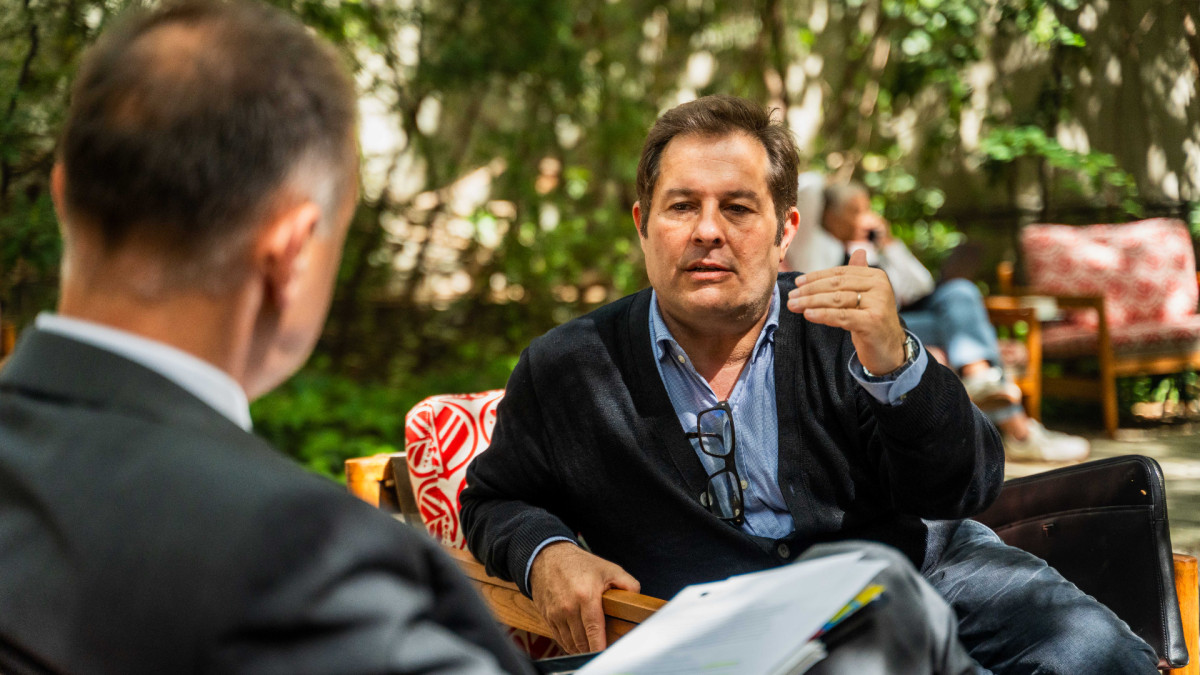
López Plana asks Denk about the European single defence market. Photo: Agenda Pública / Tsun Ho
Since the invasion of Ukraine, have you seen a stronger level of engagement or cooperation from EU member states with the Agency?
The agency is steered and owned by the member states, so to speak. They pay our budget. We are always in touch with the member states because they are our shareholders. But interest in joint action, in cooperating in an EU environment, has significantly risen. That means there is a clear understanding among the member states that they wish to do more together.
"That is the purpose of EDA: to act as a cooperation platform for the member states to acquire military capabilities that are much needed for the security of our continent, our countries, and our citizens"That is the purpose of EDA: to act as a cooperation platform for the member states to acquire military capabilities that are much needed for the security of our continent, our countries, and our citizens.
How do you see the relationship between NATO and European defence evolving?
One thing is clear: NATO is responsible for the collective defence of Europe. It is in charge of defence planning and operations, while the EU supports its member states in ramping up their military capabilities, in defining and developing capabilities — that is the EDA — and in regulating and offering financial incentives through the EU budget administered by the European Commission.
Twenty-three member states are also NATO Allies, so there is no way to oppose the EU and NATO. They complement each other.
The real question is that of burden shifting as requested by the US. Specifically, EU member states — or let us call them EU Allies, those member states that are at the same time Allies — must take greater responsibility for the collective defence of Europe both in NATO and in the European Union.
This is already happening, with a significant increase in defence spending across the EU. We have 2.2% of GDP in 2025, and the projection is 2.4% of GDP in 2026, including for investment. Some of that is happening in cooperation, thanks also to EU support and incentives like the SAFE and EDIP regulations. There will be more coming with the European Competitiveness Fund in the future. More efforts and cooperation between EU member states are still needed, however.
"The EU and NATO have to work in a complementary way, not superseding or duplicating each other. That is exactly what we see now"This applies upstream, to reduce dependencies in EU supply chains and mitigate bottlenecks like raw materials or components, and downstream, on specific capabilities where EU collective dependence on US capabilities is high. For instance, strategic enablers such as ISR — intelligence, surveillance and reconnaissance — air-to-air refuelling, or suppression of enemy air defence.
In a nutshell, the EU and NATO have to work in a complementary way, not superseding or duplicating each other. That is exactly what we see now. EU efforts serve to fulfil NATO capability targets.
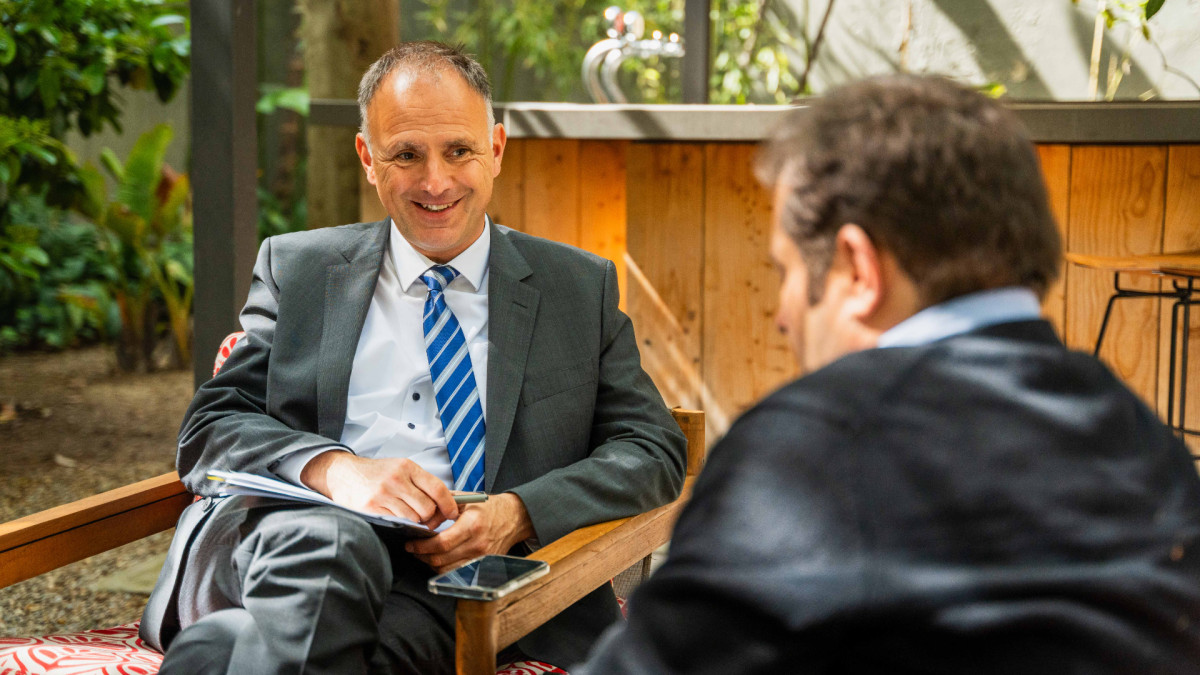
The head of the EDA assesses the relationship between the European Union and NATO. Photo: Agenda Pública / Tsun Ho
Do you think Europe currently has the industrial capacity to absorb the recent increase in defence spending?
On the production capacity of the European defence industry, I do not have concrete figures. What we see is a significant ramp-up in the European defence industry. That is a very promising sign, but there is still a lot to do on the industrial side to accommodate all needs, not only in terms of volume but also in terms of delivery time.
We have to reach a point where orders for “simple” equipment result, in the best case, in immediate or very fast deliveries. We are not there yet, but that is exactly the objective we have to strive for.
What is your view on state involvement in defence companies?
There are different approaches and different traditions, and I am completely agnostic as long as these defence companies deliver what is necessary.
The European Defence Agency is specifically focused, when launching activities, on the European defence industry, not beyond. This is our main focus.
Whether the state is involved or it is a privately organised entity is something that is up to the companies and the states to decide.
The senior German military official also analyses the context of the relationship between the US and Europe. Photo: Agenda Pública / Tsun Ho
When do you think the European Union could reach a level of capability that allows it to be less dependent on the United States?
This is difficult to measure. Currently, we, as Allies, stick together and defend our NATO territory together.
"It all depends on the level of defence spending EU member states will sustain, the investments they will make"But if you look at the question of when the European Union could become completely independent of the United States, this is very difficult to say. It all depends on the level of defence spending EU member states will sustain, the investments they will make, not only in fulfilling their NATO capability targets, but also in terms of strategic enablers that are currently provided by the Americans.
I hope it will not be necessary to plan without the Americans, but we have to be prepared as Europeans. We have to significantly strengthen our military capabilities as a strong European pillar in NATO. This is also expected by the Americans.
That is what we are working on: supporting the member states in creating capabilities that can then credibly deter a potential adversary, in this instance, Russia.
Thanks.
En alianza con
Ahora en portada
17 de octubre de 2026
16 de octubre de 2026
Noticias relacionadas
Hace 26 semanas
André Denk, director de la Agencia Europea de Defensa: "No tiene sentido oponer la UE a la OTAN"
Lo más leído