Domingo, 18 de octubre de 2026




AGENDA PÚBLICA EU
The Role of the European Union in Gaza: What Now?
"The genocide in Gaza is a collective crime facilitated by the states that support Israel." With this quote from the UN report as a starting point, Hana Jalloul, Vice-Chair of the European Parliament’s Committee on Foreign Affairs, analyzes the role of the European Union in the fragile peace agreement in Gaza and the ethical challenges of its external action.
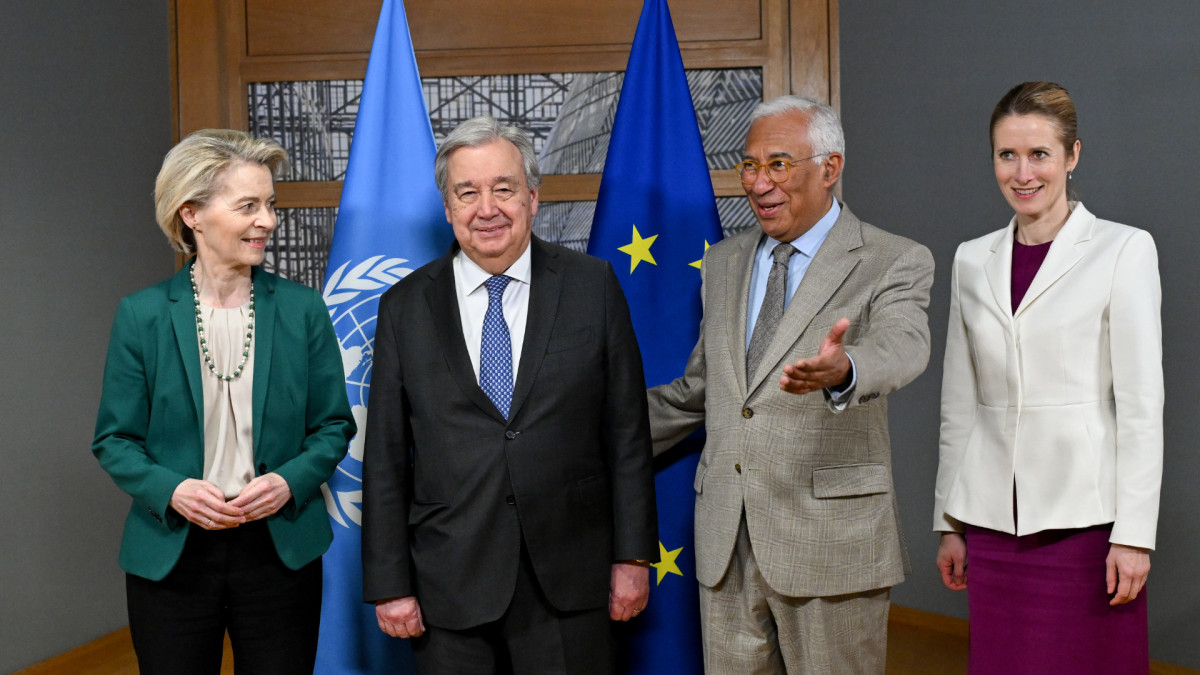
Ursula von der Leyen, António Guterres (NU), António Costa and Kaja Kallas past March 2025.European Council
The month of September and the start of a new political year were roiled by unprecedented social pressures on Benjamin Netanyahu’s government, with international mobilizations mounting in response to nearly two years of brutal attacks in Gaza. August had seen the United Nations delivering its first declaration of (human-driven) famine in the Middle East as well as a qualification of Israel’s military operations as genocidal. Additional resistance was evident in mass demonstrations in cities worldwide (including Tel Aviv, led by families of Israeli hostages and civilians), in the Sumud Flotilla for humanitarian assistance, and in a boycott of Israel at the Vuelta Ciclista a España sporting event, which moved FIFA, UEFA, and Eurovision to announce reconsideration of Israel’s participation in their own competitions.
The European Parliament likewise experienced a few unprecedented turns. First, after two years of refusal by conservative forces, a joint resolution was adopted by a majority of MEPs (including members of the European People’s Party) that condemned both the terrorist attacks by Hamas and the humanitarian crisis in Gaza, also voicing support for UNRWA and calling for suspension of the Association Agreement between the EU and Israel, among other considerations. Second, during a debate on the State of the Union, Ursula von der Leyen acknowledged criticism of the Commission for its position on Gaza and — contradicting a speech the day before by High Representative Kaja Kallas — announced a package of measures directed at Israel’s government for later submission to the Council. These measures included sanctions on Israeli settlers and on government actors under arrest-warrant from the International Criminal Court (ICC), as well as partial suspension of the Association Agreement and suspension of bilateral payments to Israel.
Thus, international mobilizations by society at large and by the families of hostages managed to weaken Netanyahu, who will face new elections in 2026 and whose leadership before 7 October had only been questioned for his reforms to Israel’s judiciary and for cases of alleged corruption (where he remains under investigation).
On 13 October, the international community welcomed with hope (and caution) the Peace Conference held in Sharm el-Sheikh, where the United States, Egypt, Turkey, and Qatar signed a second agreement for Gaza, this time led by Donald Trump. The meeting was attended by representatives from 20 countries including Saudi Arabia, Jordan, Japan, Indonesia, Bahrain, and Canada. Also in attendance were Pedro Sánchez, Emmanuel Macron, Giorgia Meloni, and Kyriakos Mitsotakis. Nonetheless, the institutional absence of the European Union was noteworthy, indicating the bloc’s exclusion from the peace process.
The agreement represented a first step and unveiled a provisional agenda: to schedule tangible objectives and move toward a real two-State solution. Subsequent negotiations would focus on ending the occupation of Gaza (and potentially the West Bank), Israeli withdrawal, the disarmament of Hamas, the return of displaced Palestinians, and a democratic transition process in Palestine that would ensure the participation of its population.
After the agreement was signed, the world witnessed long-awaited and emotional family reunions for the 20 living Israeli hostages captured on 7 October by Hamas, as well as for 2,000 Palestinians imprisoned by Israel for decades without fair trial. However, the truce proved to be short-lived.
Two weeks later, following the death of an Israeli soldier, Netanyahu’s government announced new attacks on Gaza, alleging that Hamas had violated the truce and killing 104 people in one night. Moreover, since the beginning of the ceasefire, Israeli forces had killed an additional 93 Palestinians and wounded 324, according to data from the Office of the Prime Minister of the State of Palestine. As of today, 241 Palestinians have been killed since the agreement.
Thus, the political impact of social pressure has been reduced, proving less than sufficient to affect Netanyahu’s policies, while at the same time the ceasefire has not translated to a cessation of violence.
In contrast, the Government of Spain has defended enforcement of the measures of Royal Decree-Law 10/2025 against genocide, reemphasizing the obligation of any State to prevent international crimes. This responsibility was also underlined in the report 'Gaza Genocide: a collective crime' by Special Rapporteur to the UN Francesca Albanese, which concludes that the genocide in Gaza constitutes a "collective crime facilitated by States that have provided military, economic, political, and humanitarian support to Israel."
Meanwhile, European citizens are demanding that their institutions act to make the Union a 'good player' in this context. The EU remains the largest donor to Palestine through its Comprehensive Support Programme for Palestine 2025–2027, with an endowment of €1.6 billion in coordination with the European Investment Bank, and with the creation of a new Donor Group for the Reconstruction of Palestine, the first meeting of which is scheduled for 20 November.
The EU’s forthcoming Middle East strategy, announced in the Commission’s 2025 Work Programme, provides an opportunity to demonstrate genuine commitment to peace. Financing the reconstruction of Gaza is not enough; unyielding defense must be made of an international system based on legality and universal security. Any other option will be insufficient in the minds of those still wondering what really gets done in Brussels.
The European Parliament likewise experienced a few unprecedented turns. First, after two years of refusal by conservative forces, a joint resolution was adopted by a majority of MEPs (including members of the European People’s Party) that condemned both the terrorist attacks by Hamas and the humanitarian crisis in Gaza, also voicing support for UNRWA and calling for suspension of the Association Agreement between the EU and Israel, among other considerations. Second, during a debate on the State of the Union, Ursula von der Leyen acknowledged criticism of the Commission for its position on Gaza and — contradicting a speech the day before by High Representative Kaja Kallas — announced a package of measures directed at Israel’s government for later submission to the Council. These measures included sanctions on Israeli settlers and on government actors under arrest-warrant from the International Criminal Court (ICC), as well as partial suspension of the Association Agreement and suspension of bilateral payments to Israel.
"The political season began with the President of the European Commission announcing the same measures on Israel that the Spanish government had requested months earlier"The Commission had never of its own volition proposed a package of this nature, having always alleged ‘a lack of consensus among the Member States’ — despite the prior actions taken against Russia’s government due to the invasion of Ukraine. This change in political course amounted to the president of the European Commission announcing the same measures that Spain’s government had requested months earlier (following the approval of nine measures against genocide by its Council of Ministers, later ratified by its Congress of Deputies).
Thus, international mobilizations by society at large and by the families of hostages managed to weaken Netanyahu, who will face new elections in 2026 and whose leadership before 7 October had only been questioned for his reforms to Israel’s judiciary and for cases of alleged corruption (where he remains under investigation).
The peace agreement
Since the terrorist attack of 7 October 2023 — in which 1,200 Israelis were killed — Israel’s reprisal has resulted in a minimum of 69,176 deaths in Gaza, including 20,179 children, more than 170,000 wounded, and some 680,000 displacements. In the West Bank, 1,065 have died, 11,100 have been arrested, and 50,000 have been displaced.On 13 October, the international community welcomed with hope (and caution) the Peace Conference held in Sharm el-Sheikh, where the United States, Egypt, Turkey, and Qatar signed a second agreement for Gaza, this time led by Donald Trump. The meeting was attended by representatives from 20 countries including Saudi Arabia, Jordan, Japan, Indonesia, Bahrain, and Canada. Also in attendance were Pedro Sánchez, Emmanuel Macron, Giorgia Meloni, and Kyriakos Mitsotakis. Nonetheless, the institutional absence of the European Union was noteworthy, indicating the bloc’s exclusion from the peace process.
The agreement represented a first step and unveiled a provisional agenda: to schedule tangible objectives and move toward a real two-State solution. Subsequent negotiations would focus on ending the occupation of Gaza (and potentially the West Bank), Israeli withdrawal, the disarmament of Hamas, the return of displaced Palestinians, and a democratic transition process in Palestine that would ensure the participation of its population.
After the agreement was signed, the world witnessed long-awaited and emotional family reunions for the 20 living Israeli hostages captured on 7 October by Hamas, as well as for 2,000 Palestinians imprisoned by Israel for decades without fair trial. However, the truce proved to be short-lived.
Two weeks later, following the death of an Israeli soldier, Netanyahu’s government announced new attacks on Gaza, alleging that Hamas had violated the truce and killing 104 people in one night. Moreover, since the beginning of the ceasefire, Israeli forces had killed an additional 93 Palestinians and wounded 324, according to data from the Office of the Prime Minister of the State of Palestine. As of today, 241 Palestinians have been killed since the agreement.
Thus, the political impact of social pressure has been reduced, proving less than sufficient to affect Netanyahu’s policies, while at the same time the ceasefire has not translated to a cessation of violence.
The role of the EU and international responsibility
The fragility of the agreement has slowed efforts to hold Netanyahu’s government accountable. Sports organizations considering sanctions have delayed final decisions, and the package proposed by Von der Leyen failed to reach the European Council’s agenda, despite months of demands.In contrast, the Government of Spain has defended enforcement of the measures of Royal Decree-Law 10/2025 against genocide, reemphasizing the obligation of any State to prevent international crimes. This responsibility was also underlined in the report 'Gaza Genocide: a collective crime' by Special Rapporteur to the UN Francesca Albanese, which concludes that the genocide in Gaza constitutes a "collective crime facilitated by States that have provided military, economic, political, and humanitarian support to Israel."
Meanwhile, European citizens are demanding that their institutions act to make the Union a 'good player' in this context. The EU remains the largest donor to Palestine through its Comprehensive Support Programme for Palestine 2025–2027, with an endowment of €1.6 billion in coordination with the European Investment Bank, and with the creation of a new Donor Group for the Reconstruction of Palestine, the first meeting of which is scheduled for 20 November.
"The EU must take on an active political role in defending international law, humanitarian law, its courts, and the values that underpin it"The EU must take an active political role in upholding international law, humanitarian law, rulings by its own courts, and the values that underpin the Union. On 22 October, the ICC reiterated Israel’s obligations as an occupying power; yet this same court has received both pressure and sanctions from the U.S., even as Israel continues its policy of annexation in the West Bank and the protection of violent settlers. This scenario requires a collective and democratic response to breaches of the international order, and response should begin with a cessation of EU trade with illegal Israeli settlements.
The EU’s forthcoming Middle East strategy, announced in the Commission’s 2025 Work Programme, provides an opportunity to demonstrate genuine commitment to peace. Financing the reconstruction of Gaza is not enough; unyielding defense must be made of an international system based on legality and universal security. Any other option will be insufficient in the minds of those still wondering what really gets done in Brussels.
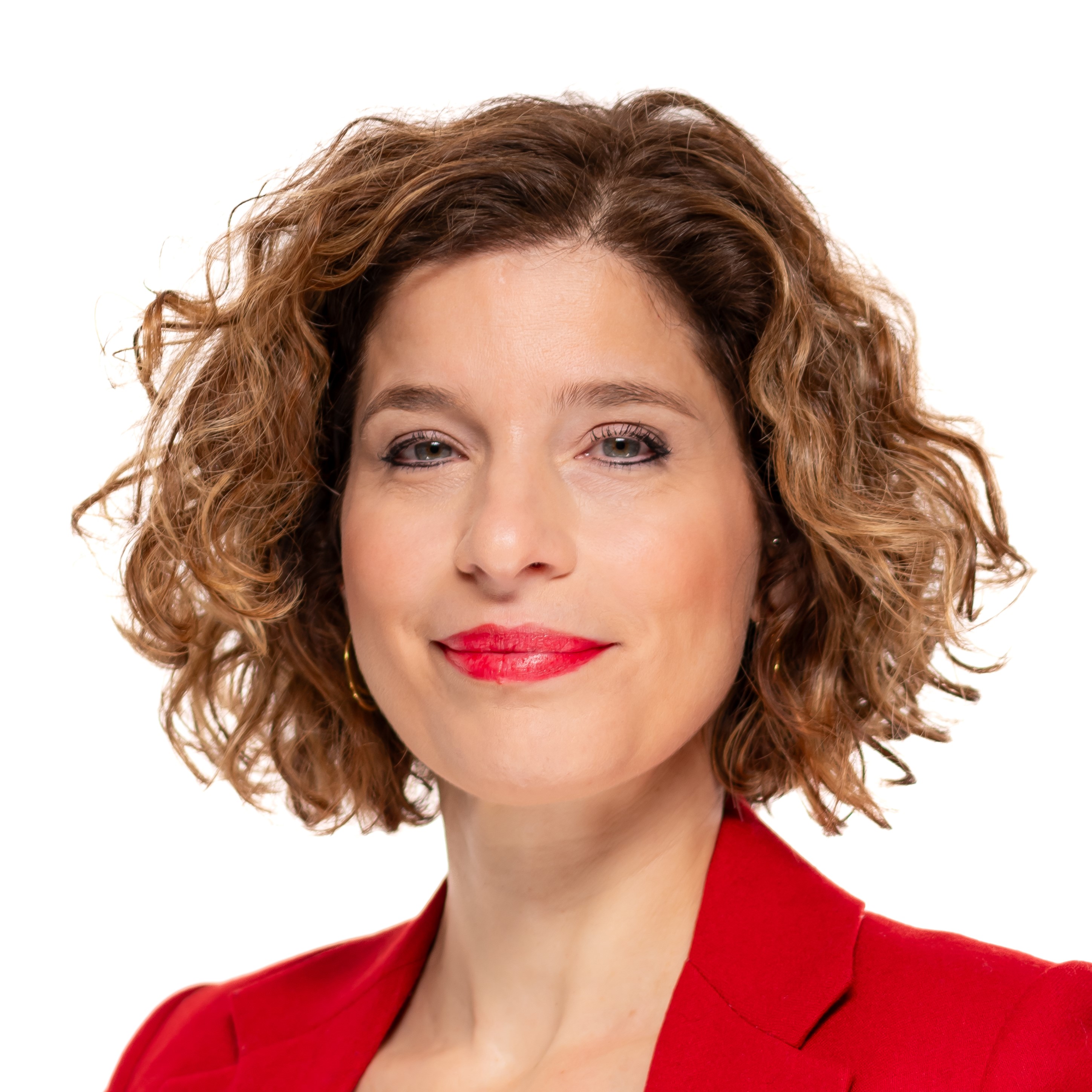
Hana Jalloul Muro
Eurodiputada del PSOE
Es eurodiputada del S&D, vicepresidenta de la Comisión de Asuntos Exteriores (AFET) y ponente para Arabia Saudí en el Parlamento Europeo.
Ahora en portada
18 de octubre de 2026
18 de octubre de 2026
17 de octubre de 2026
Noticias relacionadas
Hace 48 semanas
El papel de la Unión Europea en Gaza: ¿y ahora qué?
Hace 54 semanas
El diálogo entre Gaza e Israel: "El día de la paz está más cerca de lo que se piensa"
Lo más leído