Sábado, 17 de octubre de 2026




CONVERSATIONS
The mayor of Guadalajara (MX): "We want to be the 'Silicon Valley' of Latin America"
Verónica Delgadillo, mayor of Guadalajara, Mexico, converses with 'Agenda Pública' during her tour of Europe. In an international scenario marked by geopolitical uncertainty, she defends a vision of international cooperation in which cities take on a leading role: building bridges, innovating and leading.
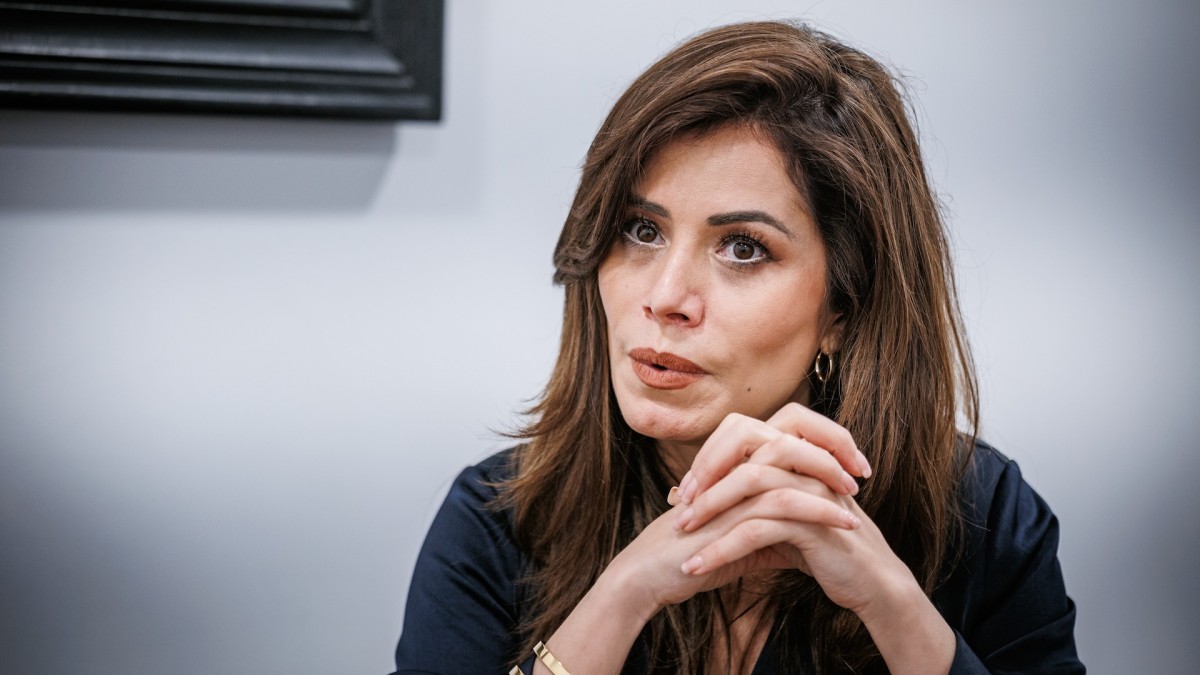
Verónica Delgadillo, Guadalajara's mayor, during her European tour in Madrid.Agenda Pública / Tania Sieira
Verónica Delgadillo, Mayor of Guadalajara, is touring Europe to establish collaborative partnerships with Paris and Barcelona. During her European city tour, the Jalisco mayor champions a model of urban diplomacy that enables cities to respond more nimbly than nation-states to global challenges.
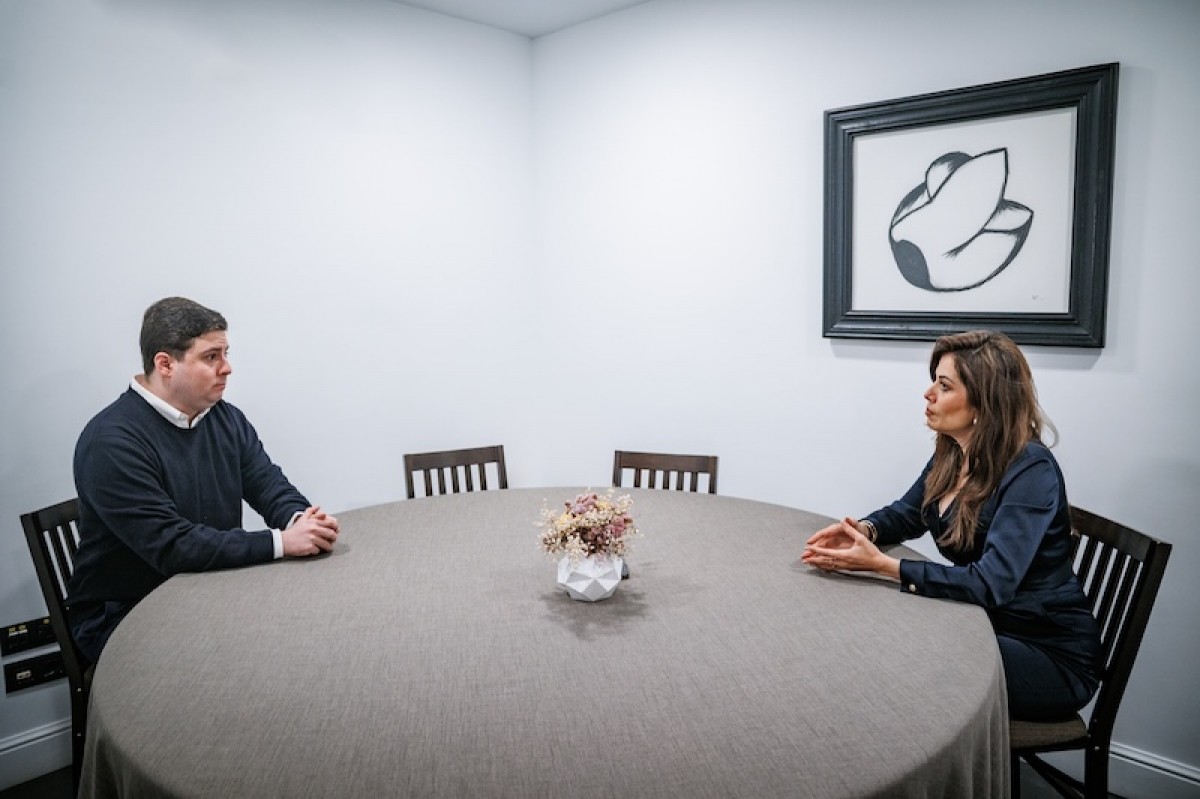
Speaking from the Spanish capital, where she's in conversation with J. P. Carroll, Principal Research Fellow at the Rainey Centre for Public Policy, for Agenda Pública, Delgadillo explains how Guadalajara is positioning itself as Mexico's Silicon Valley whilst seeking to establish itself as Latin America's creative industries capital, all while navigating the geopolitical uncertainties arising from political changes in the United States.
You've been in Paris and Barcelona, establishing cooperative ties. What have been the main themes of those conversations?
We've come to strengthen collaborative partnerships with the governments of Barcelona and Paris, with the aim of exchanging best practices, information, and methodology on issues we share.
As for Barcelona, it will be the guest city at the International Book Fair, which is the largest Spanish-language fair and the second-largest in the world. Being the guest city, we recognise the opportunity this opens for much closer collaboration between Barcelona and Guadalajara, understanding that we both serve as cultural epicentres of our respective countries.
How do you see the future of relations with the United States following the change of administration, and how does this affect Guadalajara?
We have several well-established sister cities with the United States, and we continue to maintain open channels for dialogue and cooperation. We understand that the international scene has shifted due to the results of the American elections. Not only that, but we know that the new president's policies will have tariff and migration implications that will have some effect on our territory.
I hope we can reach the best possible agreements where the impact is as controlled as possible and that in practical terms it can be positive for both nations and their citizens. Let's hope that the negotiations carried out by the federal government can yield the best results.
What unique opportunities does Guadalajara offer the world, particularly for international investors and companies?
Guadalajara is an epicentre for many things. On one hand, it's a city that embodies the symbols of Mexican identity—when we speak of Guadalajara, we're speaking of Mexico, and it serves as our calling card to the entire world.
Over recent decades, Guadalajara has been building a Mexican Silicon Valley, where there's substantial investment and development around technology. There's significant investment from transnational and multinational companies in our territory. Through nearshoring, which presents an opportunity for Mexico, Guadalajara has capitalised on decisions made decades ago to work across private initiative, government, and education to train people capable of working in this industry.
It's also home to notable events like the International Film Festival and the International Book Fair, which serve as spaces for meeting, reconnection and creation.
Logistically, Guadalajara is a hub where major companies have distribution centres for their goods. We're expanding the airport, making it one of the most important in western Mexico. We have Expo Guadalajara, one of the largest exhibition venues in Latin America.
In a context of global political instability, how can Guadalajara ensure its success, regardless of what happens in Washington or Europe?
The city's success lies in its ability to foster cooperation between different sectors: society, private enterprise and government. Guadalajara's future depends largely on the team we can consolidate across these different spheres.
What projects do you have in artificial intelligence and environmental sustainability?
We have a climate action plan that was recognised by the United Nations in 2021. It's one of the three best climate action plans, alongside Paris's. In our city we're committed to rigorously monitoring the implementation of this plan.
Part of the vision is to make Guadalajara one of Mexico's greenest cities, with shared responsibility for caring for our natural resources. The Paris agreements are made between nation-states, but those who end up implementing these agreements in practice and can set targets that materialise in the short term are cities—subnational governments.
And since you've just come from a book fair, what's your favourite book?
One of my favourite books is The Unbearable Lightness of Being by Milan Kundera. I read it in my teens and then again in my more mature years. I'm also very fond of Julio Cortázar's books, which have a great history with these European territories. I love his short stories, Hopscotch, Cronopios and Famas.
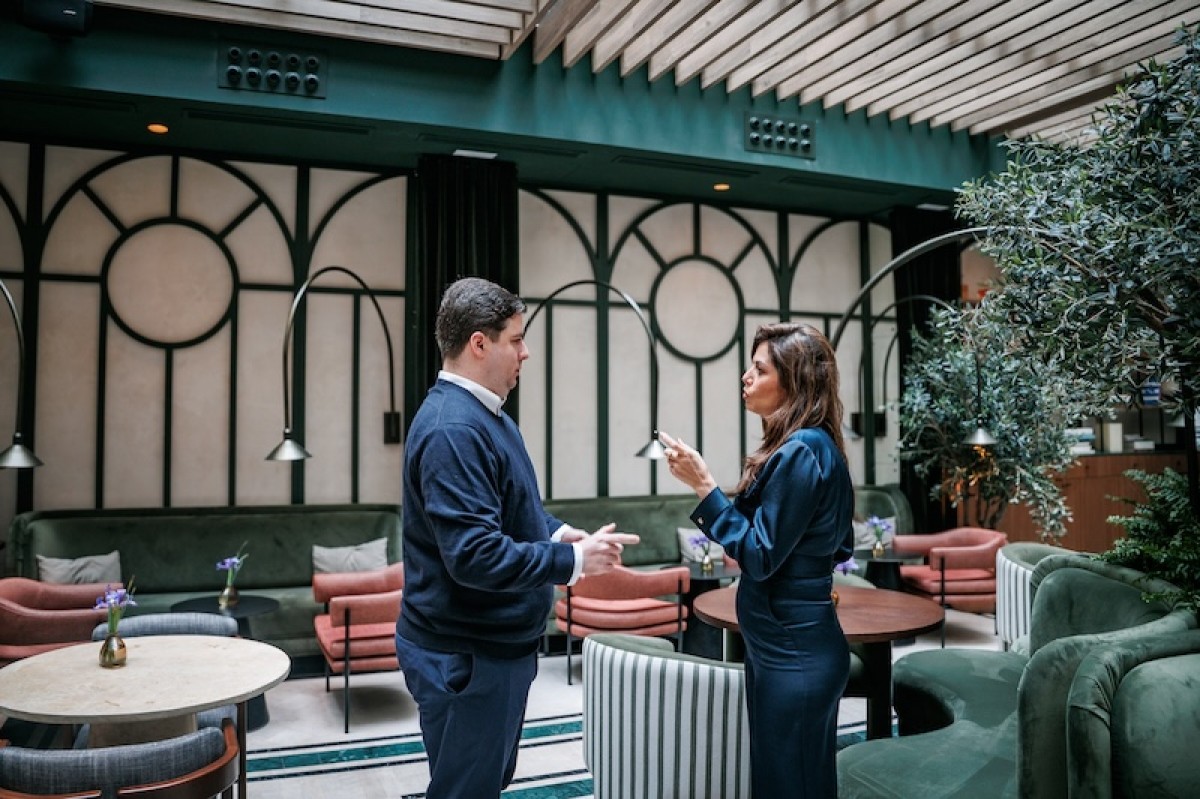
Speaking from the Spanish capital, where she's in conversation with J. P. Carroll, Principal Research Fellow at the Rainey Centre for Public Policy, for Agenda Pública, Delgadillo explains how Guadalajara is positioning itself as Mexico's Silicon Valley whilst seeking to establish itself as Latin America's creative industries capital, all while navigating the geopolitical uncertainties arising from political changes in the United States.
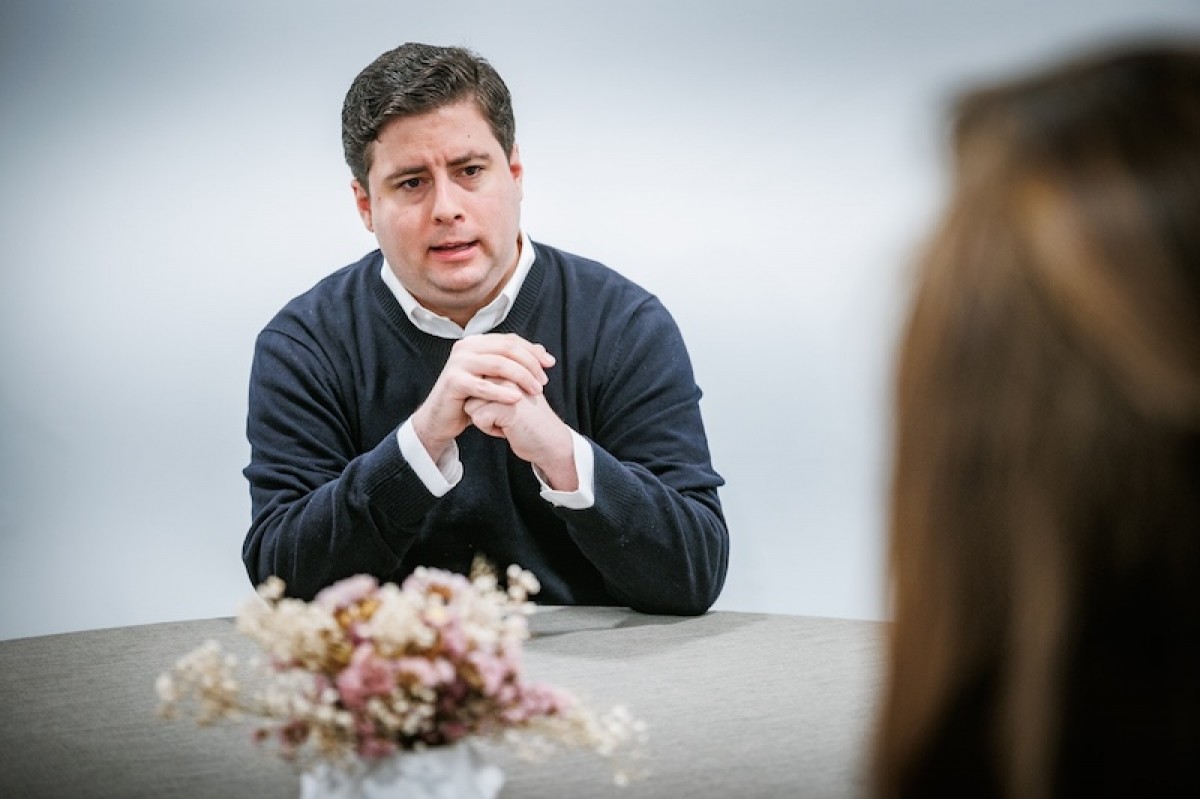
Delgadillo spoke with J. P. Carroll, Principal Research Fellow in National Security and Inclusive Governance at the Rainey Centre for Public Policy, for Agenda Pública. Photo: Agenda Pública / Tania Sieira
You've been in Paris and Barcelona, establishing cooperative ties. What have been the main themes of those conversations?
We've come to strengthen collaborative partnerships with the governments of Barcelona and Paris, with the aim of exchanging best practices, information, and methodology on issues we share.
"Cities must become the new protagonists of international cooperation. Nation-states have important mechanisms, but cities can address these matters far more effectively, promptly, and materialise agreements much faster"In Paris's case, Guadalajara will host the FIFA Fan Fest next year, which presents an organisational challenge for the city, much as Paris faced with the Olympics. We also share the vision of building a fifteen-minute city. We're developing a project called Communities of Care, and we're linking this work with what Paris has achieved. We've been working closely with Anne Hidalgo's administration to learn from their methodology and see how we can apply it in Guadalajara.
As for Barcelona, it will be the guest city at the International Book Fair, which is the largest Spanish-language fair and the second-largest in the world. Being the guest city, we recognise the opportunity this opens for much closer collaboration between Barcelona and Guadalajara, understanding that we both serve as cultural epicentres of our respective countries.
How do you see the future of relations with the United States following the change of administration, and how does this affect Guadalajara?
We have several well-established sister cities with the United States, and we continue to maintain open channels for dialogue and cooperation. We understand that the international scene has shifted due to the results of the American elections. Not only that, but we know that the new president's policies will have tariff and migration implications that will have some effect on our territory.
I hope we can reach the best possible agreements where the impact is as controlled as possible and that in practical terms it can be positive for both nations and their citizens. Let's hope that the negotiations carried out by the federal government can yield the best results.
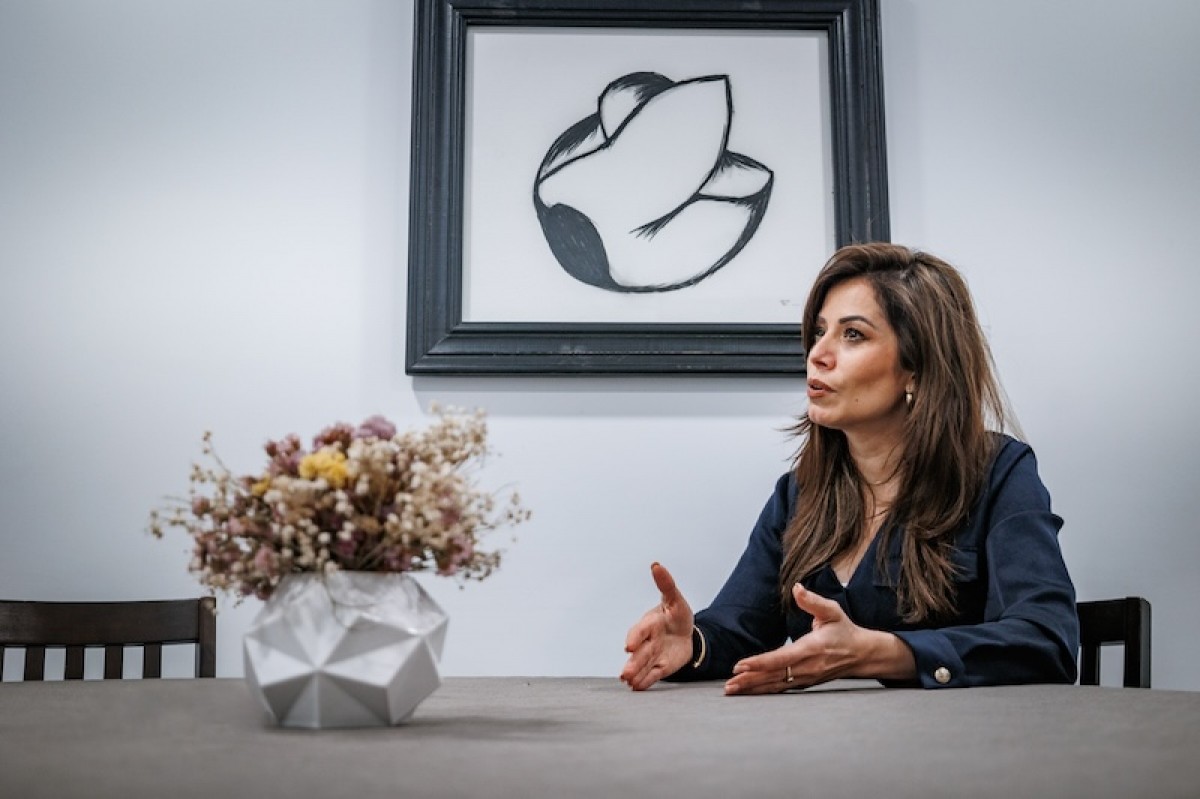
Mayor Delgadillo champions a model of 'urban diplomacy' where cities, not nation-states, lead international cooperation. Photo: Agenda Pública / Tania Sieira
What unique opportunities does Guadalajara offer the world, particularly for international investors and companies?
Guadalajara is an epicentre for many things. On one hand, it's a city that embodies the symbols of Mexican identity—when we speak of Guadalajara, we're speaking of Mexico, and it serves as our calling card to the entire world.
Over recent decades, Guadalajara has been building a Mexican Silicon Valley, where there's substantial investment and development around technology. There's significant investment from transnational and multinational companies in our territory. Through nearshoring, which presents an opportunity for Mexico, Guadalajara has capitalised on decisions made decades ago to work across private initiative, government, and education to train people capable of working in this industry.
"Guadalajara is pushing to become the capital of creative industries production in Latin America"We have programmes driven by Jalisco state government for anyone interested in audiovisual production—whether commercials, series or films—so they can find production facilities within our territory. Creative developers can find skilled labour, production resources and government support in Guadalajara.
It's also home to notable events like the International Film Festival and the International Book Fair, which serve as spaces for meeting, reconnection and creation.
Logistically, Guadalajara is a hub where major companies have distribution centres for their goods. We're expanding the airport, making it one of the most important in western Mexico. We have Expo Guadalajara, one of the largest exhibition venues in Latin America.
In a context of global political instability, how can Guadalajara ensure its success, regardless of what happens in Washington or Europe?
The city's success lies in its ability to foster cooperation between different sectors: society, private enterprise and government. Guadalajara's future depends largely on the team we can consolidate across these different spheres.
"If we walk together towards the same horizon, I see that Guadalajara has ample possibilities to continue establishing itself as one of Latin America's most important cities"What we've discussed with other mayors is consolidating this cooperation between subnational governments, sharing agendas and common causes. Continuing to build alliances in Latin America and Europe is an opportunity that opens up as a result of decisions by countries besides our own, but which can become an opportunity to strengthen ties with other territories.
Faced with geopolitical uncertainty, Delgadillo is betting on diversifying alliances. Photo: Agenda Pública / Tania Sieira
What projects do you have in artificial intelligence and environmental sustainability?
We have a climate action plan that was recognised by the United Nations in 2021. It's one of the three best climate action plans, alongside Paris's. In our city we're committed to rigorously monitoring the implementation of this plan.
Part of the vision is to make Guadalajara one of Mexico's greenest cities, with shared responsibility for caring for our natural resources. The Paris agreements are made between nation-states, but those who end up implementing these agreements in practice and can set targets that materialise in the short term are cities—subnational governments.
And since you've just come from a book fair, what's your favourite book?
One of my favourite books is The Unbearable Lightness of Being by Milan Kundera. I read it in my teens and then again in my more mature years. I'm also very fond of Julio Cortázar's books, which have a great history with these European territories. I love his short stories, Hopscotch, Cronopios and Famas.
Guadalajara seeks to position itself as 'the capital of creative industries in Latin America' by offering audiovisual production facilities and skilled labour. Photo: Agenda Pública / Tania Sieira
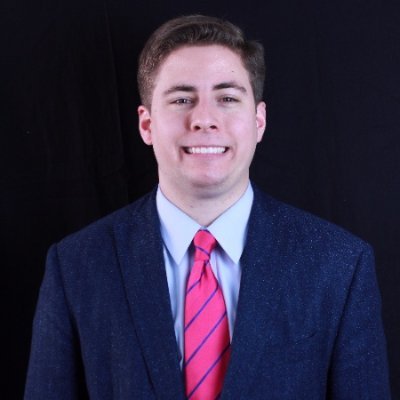
J. P. Carroll
Analista en Washington D. C. y columinsta de 'Agenda Pública'
MBA Internacional de IE Business School. Máster en Estudios Profesionales (MPS) en Relaciones Públicas y Comunicaciones Corporativas de la Universidad de Georgetown. Es el exdirector adjunto de Medios Hispanos del Comité Nacional Republicano (RNC). J.P. vive en el área de Washington, D. C.
Ahora en portada
17 de octubre de 2026
16 de octubre de 2026
Noticias relacionadas
Hace 101 semanas
Mirar hacia España: la gran oportunidad de México frente a su dependencia de Estados Unidos
Hace 95 semanas
Relaciones entre España y América Latina: el motor empresarial escondido
Lo más leído