Viernes, 16 de octubre de 2026




AGENDA PÚBLICA EU
Mercosur: a crucial test for a grown-up Europe
In what seem the final steps toward approval of a trade agreement between the European Union and Mercosur, Socialist MEP Javi López sees a chance to "demonstrate whether (the EU) can act as an autonomous player… or else resign itself to being a minor power." López, who serves as vice-president of the European Parliament, believes that the trade alliance – in which "Spain has played a key role" – will mean "resilience and reliability" for Europe and "opportunities and modernization" for Mercosur.
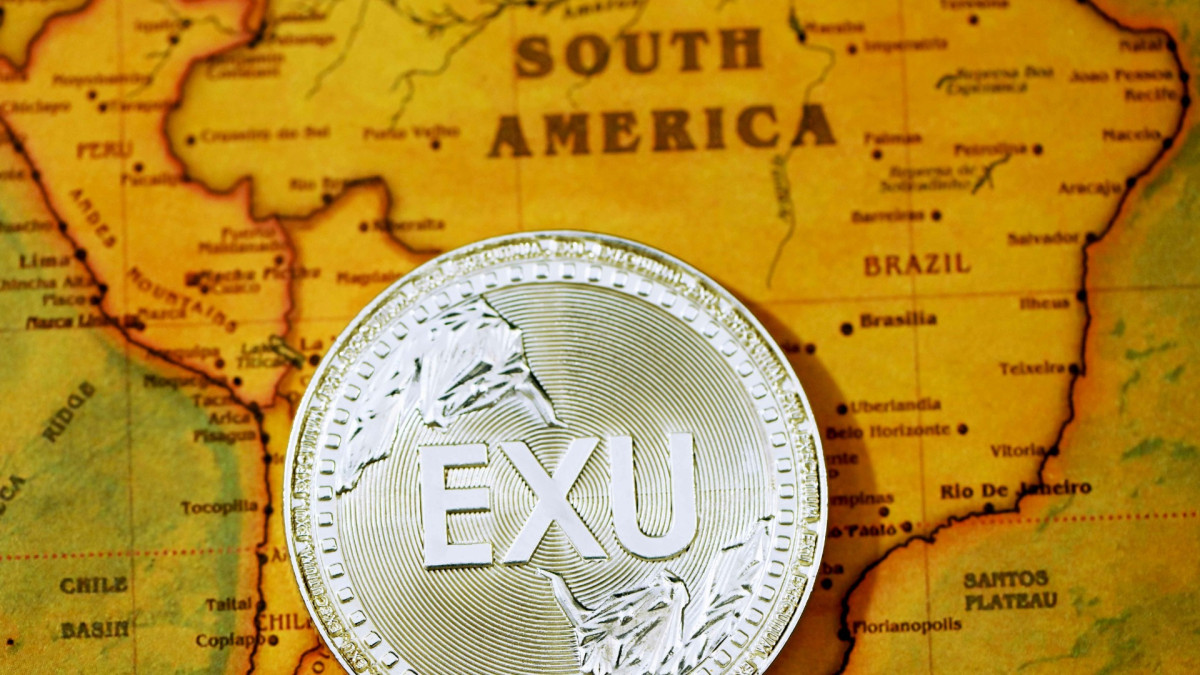
This trade agreement has the potential to improve the economies of both regions.Unsplash / Kanchanara
After a stormy summer, Europe is wagering its credibility on final approval of the EU-Mercosur Association Agreement. For too long, European policy vis-à-vis the Latin American region has wavered between empty rhetoric and amiable fraternity, as if this were a mere sub-chapter in the foreign agenda. But in the midst of today’s geopolitical storms, confirmation of that relationship now seems a test of the EU’s strategic maturity, giving Europe a chance to demonstrate whether it can act as an autonomous player (capable of handling the costs of its own decisions) or else resign itself to being a minor power carried along by the actions of others.
Recently approved by the European Commission, the agreement with Mercosur is waiting for a green light from the Council and Parliament. More than just a long-delayed trade deal, it bears a political message: Europe and Latin America do not accept the peripheral roles assigned to them while U.S. competition and Chinese ambition dominate the center-stage. The agreement represents a shared affirmation of autonomy – a refusal to play vassal to foreign powers on the international game-board.
The complementarity between these two regions reinforces that same sense of commitment. Europe needs stable access to critical raw materials and rare earths, essential for its digital and green transitions; Latin America needs technology transfer, productive diversification, and investments that allow for relatively balanced development. The interchange is based not on paternalism or imposition but on the confluence of strategic interests: Europe gains resilience and reliability, Mercosur gains opportunities and modernization.
Moreover, the trade pact is part of an elegant procession: the new Association Agreement with Mercosur comes in the wake of Europe’s modernization of the Global Agreement with Mexico, which promises reinforced partnership within a Latin American G-20, as well as the EU-CELAC summit in November, held in Santa Marta, Colombia. These aren’t isolated milestones but tools for elevating the bi-regional relationship to another level, providing a stable institutional framework and building a common front that can further the autonomy of both regions.
In short, the EU-Mercosur agreement is a metaphor for this European moment: accepting turbulence today in order to gain autonomy tomorrow, abandoning the comfort of submission in favor of an adult relationship capable of challenging the binary logic that the major powers seek to impose. In a world that oscillates between brute force and rules, between imposition and accord, Europe must take a clear position. This time, there can be no excuses: either we prove ourselves capable of thinking and acting strategically, or Europe will be revealed as an old and dependent continent incapable of steering its own destiny.
Recently approved by the European Commission, the agreement with Mercosur is waiting for a green light from the Council and Parliament. More than just a long-delayed trade deal, it bears a political message: Europe and Latin America do not accept the peripheral roles assigned to them while U.S. competition and Chinese ambition dominate the center-stage. The agreement represents a shared affirmation of autonomy – a refusal to play vassal to foreign powers on the international game-board.
"This agreement helps push the world away from the prevailing ‘might equals right’ logic and toward regulated, mutually beneficial trade"At stake are much more than quotas and tariffs. This is an attempt push the world away from the prevailing ‘might equals right’ logic and toward regulated, mutually beneficial, predictable trade – without absolute winners or unilateral decrees disguised as agreements. Even as temptation mounts to devolve to the law of the jungle, Europe and Latin America are proposing an order guided by norms, institutions, and a notion of interdependence that doesn’t humiliate either party but strengthens both.
The complementarity between these two regions reinforces that same sense of commitment. Europe needs stable access to critical raw materials and rare earths, essential for its digital and green transitions; Latin America needs technology transfer, productive diversification, and investments that allow for relatively balanced development. The interchange is based not on paternalism or imposition but on the confluence of strategic interests: Europe gains resilience and reliability, Mercosur gains opportunities and modernization.
"Spain’s role has been little mentioned in the national debate, eclipsed by day-to-day tensions – as if the country weren’t aware of its capacity for international influence or the first-rate economic opportunity at hand"We would never have reached this final mile without Spain’s proactive involvement. It should be recalled without false modesty that, time and again, Spain has rallied the Union in favor of this agreement, building bridges and lowering resistance that once seemed unshakable. Without that commitment, negotiations would still be stuck in the European labyrinth. Yet Spain’s role has been little mentioned in the national debate, eclipsed by day-to-day tensions – as if the country weren’t aware of its capacity for international influence or the first-rate economic opportunity at hand. Spain has played a key role, and going forward, it has a chance to prove that its significant clout isn’t limited to the Mediterranean but can help to shape the EU’s global agenda.
Moreover, the trade pact is part of an elegant procession: the new Association Agreement with Mercosur comes in the wake of Europe’s modernization of the Global Agreement with Mexico, which promises reinforced partnership within a Latin American G-20, as well as the EU-CELAC summit in November, held in Santa Marta, Colombia. These aren’t isolated milestones but tools for elevating the bi-regional relationship to another level, providing a stable institutional framework and building a common front that can further the autonomy of both regions.
In short, the EU-Mercosur agreement is a metaphor for this European moment: accepting turbulence today in order to gain autonomy tomorrow, abandoning the comfort of submission in favor of an adult relationship capable of challenging the binary logic that the major powers seek to impose. In a world that oscillates between brute force and rules, between imposition and accord, Europe must take a clear position. This time, there can be no excuses: either we prove ourselves capable of thinking and acting strategically, or Europe will be revealed as an old and dependent continent incapable of steering its own destiny.
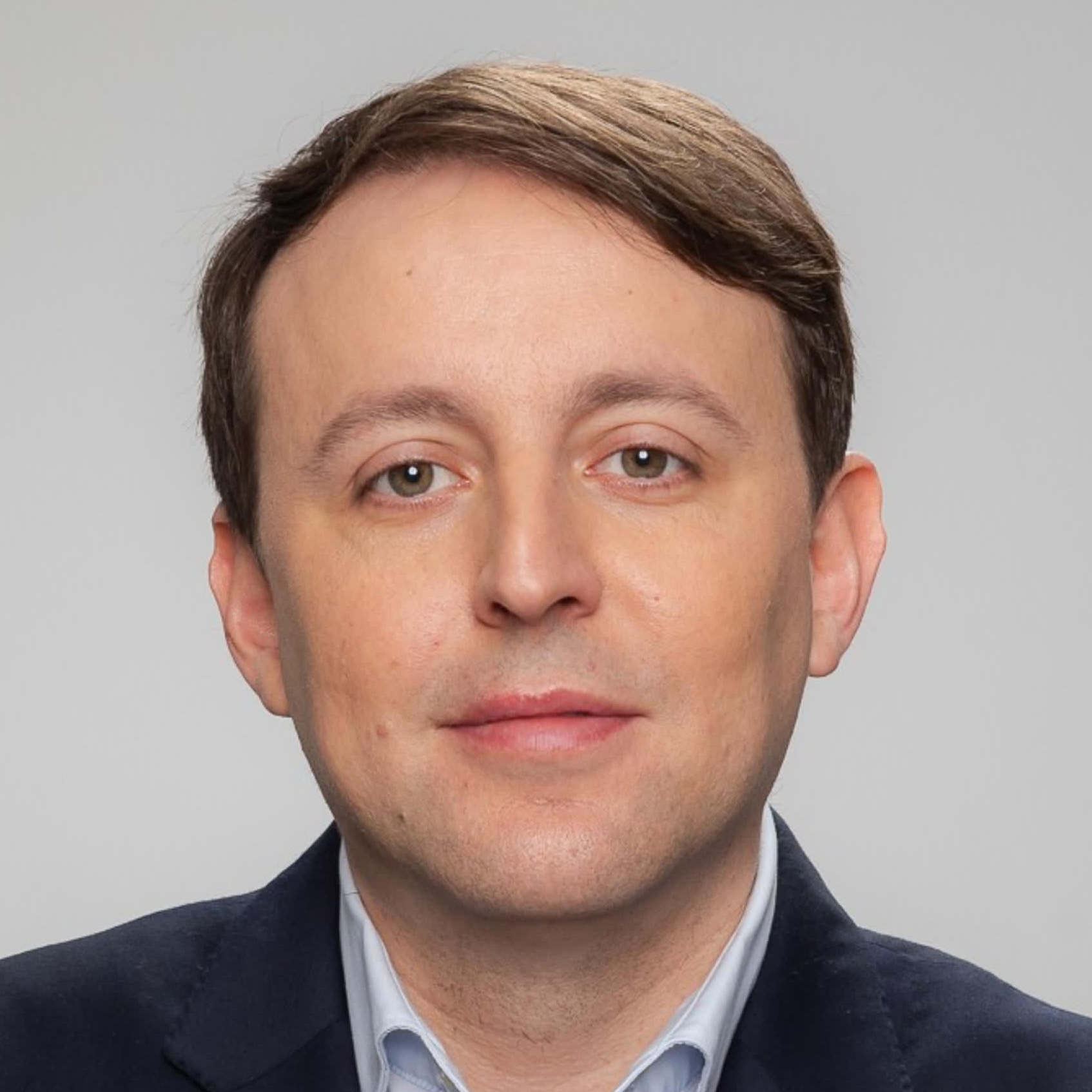
Javi López
Vicepresidente del Parlamento Europeo
Eurodiputado del PSC - PSOE desde el 2014, hoy, ejerce como vicepresidente del Parlamento Europeo. Es Licenciado en Derecho y ha sido Profesor Visitante de Historia de la UE en Blanquerna - Universitat Ramon Llull.
Ahora en portada
16 de octubre de 2026
16 de octubre de 2026
16 de octubre de 2026
Lo más leído