Sábado, 17 de octubre de 2026




AGENDA PÚBLICA EU
Javi Lopez, Vice President of the European Parliament: the moment of truth is now
The Vice President of the European Parliament Javi López warns that the withdrawal of the US from the transatlantic consensuses makes the "strategic emancipation of Europe" undelayable. He proposes a new global axis of stability with Europe, Canada, Australia, Japan, and Latin American democracies.
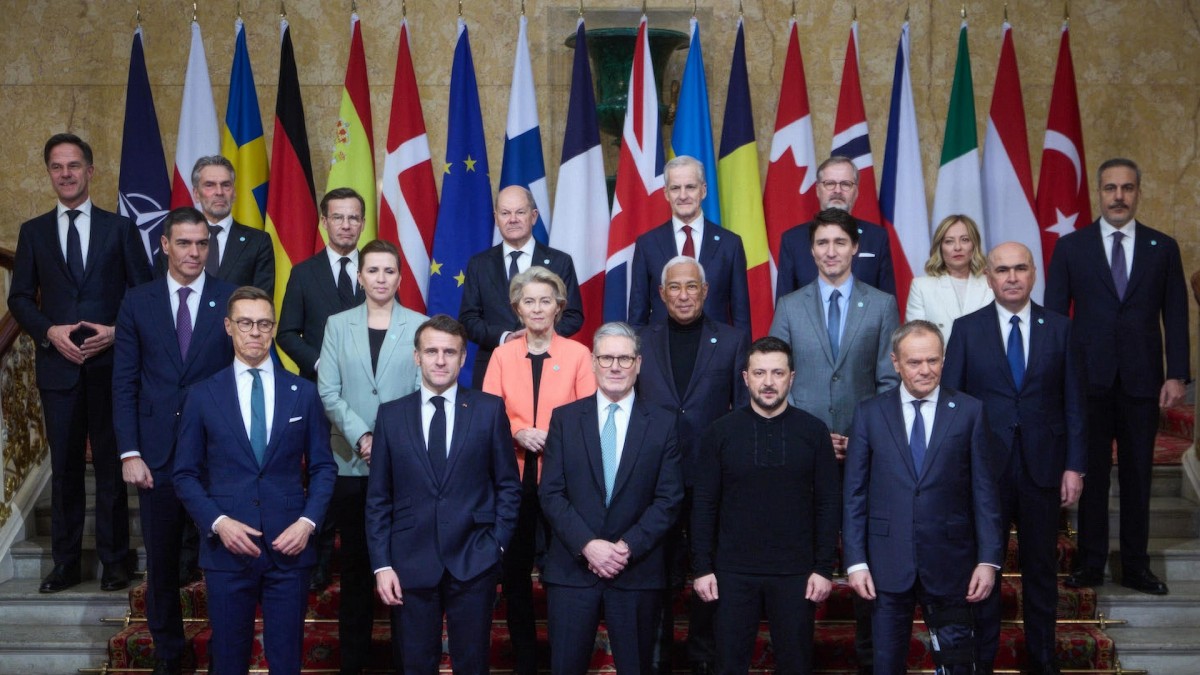
Commission President Ursula von der Leyen and EU leaders met in London with allies to reinforce their support for Ukraine.Pool /Ukrainian Presidentia / Zuma Press / ContactoPhoto
The world is shedding its skin. We are witnessing the fall of the Berlin Wall of our generation: the fracture of the West and the end of the pillars that have shaped the world since the end of the Second World War. We find ourselves compelled to revisit our fundamental assumptions about the international system and our place as Europeans within it. The transformation of the global order is accelerating and, consequently, its effects are irreversible for Europe.
Unlike during the Cold War, when the continent was a strategic priority for the United States, its attention is now focused on the Indo-Pacific and the containment of China. But more relevantly, the ideological extremism of Trump's new administration is virulently attacking the democratic principles upon which European integration is founded. The United States has become the most disruptive actor in the international system that it helped to forge and which it now threatens to dismantle. Its consequences are already being felt in Ukraine and in American international cooperation (USAID), but could soon affect NATO itself and the United Nations system.
Consequently, Europe must take full responsibility for its security independently and immediately. Until now, the fragmentation of its defence capabilities and the lack of necessity have prevented an autonomous response to the growing hostilities projected upon us. It is imperative to coordinate efforts and integrate capabilities, develop a competitive industrial and technological defence base, and increase spending in proportion to the threats we face. But this effort cannot come at the expense of the welfare state. Damaging the European social model in the name of security would be political and electoral suicide. There are solutions to finance this transformation without compromising the EU's fundamental principles, such as greater fiscal margin for national budgets or a pan-European financial mechanism based on mutualised debt. The conclusions of the London conference are a political encouragement in this direction, and we will surely see more financial steps from the European Union soon.
Diversifying alliances: autonomy in a multipolar world
Europe's strategic autonomy cannot be built in a vacuum. The EU must strengthen and diversify its global alliances with actors who share its commitment to stability, democracy or multilateralism. Latin America and the Caribbean is a region with which Europe maintains historical ties and common values, but that relationship remains underutilised. The ratification of the EU-Mercosur Agreement and the modernisation of the EU-Mexico Global Agreement are essential steps to consolidate a political-economic space with high social and environmental standards. Additionally, institutional and security cooperation is crucial in the face of challenges from organised crime, disinformation and foreign interference. In the technological and energy spheres, Latin America possesses strategic resources essential for the ecological transition and digitalisation, making the region a key partner in avoiding new dependencies. A relationship that should strengthen the voice of both in the world and take advantage of our economic complementarity, avoiding extractivist logics that perpetuate our asymmetries through technological transfer.
Europe will also need to recalibrate its relationship with China. Europe's relationship with Beijing must be pragmatic, constructive and oriented towards mutual interests, without naivety or confrontation. China is an essential trading partner and a central actor in the stability of the global system. Europe must ensure conditions of reciprocity in its exchanges, avoiding dependencies in critical sectors. At the same time, it is crucial to maintain a constructive dialogue on issues such as the fight against climate change, the regulation of global trade or multilateral governance. The EU must not be trapped in a simplistic and dangerous bipolar vision of the world, but rather develop its own foreign policy that prioritises its strategic autonomy.
The decline of American leadership has left several advanced democracies in a position of strategic orphanhood. Countries such as Canada, Australia and Japan, traditionally aligned with Washington, are facing a scenario of uncertainty exposed to the elements. Europe must strengthen its ties, consolidating a structured cooperation network in defence, governance and economy. A strong partnership in security matters would allow for the sharing of intelligence, strategic technologies and military capabilities. In the multilateral sphere, a democratic power bloc capable of influencing global governance must be coordinated.
The implications of this great transformation are profound and far-reaching. Europe must accept that the structural dependence that has defined its relationship with the United States since 1945 is coming to an end. This represents a turning point for the EU and its role in the international system.
As Thucydides warned:
"Justice only prevails between equals in power; otherwise, the strong do what they can and the weak suffer what they must".
This stark principle returns with force in a world marked by rivalry between great powers and the use of brute force. History demonstrates that power and autonomy are prerequisites of sovereignty, and that those who depend on the benevolence of others are doomed to suffer the consequences of their arbitrariness. Europe's strategic emancipation has become an urgent necessity. It is the moment of truth.
"The transformation of the global order is accelerating and, consequently, its effects are irreversible for Europe"In just a few weeks, Trump has treated Ukraine as a nuisance that must be subjugated, Vance has questioned the basic principles of European democracy from the Munich Conference, and the United States has voted in the United Nations General Assembly against a resolution promoted by the EU to condemn the Russian invasion of Ukraine. Washington is distancing itself from the values shared with Europe and shows absolute indifference towards its interests.
Unlike during the Cold War, when the continent was a strategic priority for the United States, its attention is now focused on the Indo-Pacific and the containment of China. But more relevantly, the ideological extremism of Trump's new administration is virulently attacking the democratic principles upon which European integration is founded. The United States has become the most disruptive actor in the international system that it helped to forge and which it now threatens to dismantle. Its consequences are already being felt in Ukraine and in American international cooperation (USAID), but could soon affect NATO itself and the United Nations system.
Consequently, Europe must take full responsibility for its security independently and immediately. Until now, the fragmentation of its defence capabilities and the lack of necessity have prevented an autonomous response to the growing hostilities projected upon us. It is imperative to coordinate efforts and integrate capabilities, develop a competitive industrial and technological defence base, and increase spending in proportion to the threats we face. But this effort cannot come at the expense of the welfare state. Damaging the European social model in the name of security would be political and electoral suicide. There are solutions to finance this transformation without compromising the EU's fundamental principles, such as greater fiscal margin for national budgets or a pan-European financial mechanism based on mutualised debt. The conclusions of the London conference are a political encouragement in this direction, and we will surely see more financial steps from the European Union soon.
Diversifying alliances: autonomy in a multipolar world
Europe's strategic autonomy cannot be built in a vacuum. The EU must strengthen and diversify its global alliances with actors who share its commitment to stability, democracy or multilateralism. Latin America and the Caribbean is a region with which Europe maintains historical ties and common values, but that relationship remains underutilised. The ratification of the EU-Mercosur Agreement and the modernisation of the EU-Mexico Global Agreement are essential steps to consolidate a political-economic space with high social and environmental standards. Additionally, institutional and security cooperation is crucial in the face of challenges from organised crime, disinformation and foreign interference. In the technological and energy spheres, Latin America possesses strategic resources essential for the ecological transition and digitalisation, making the region a key partner in avoiding new dependencies. A relationship that should strengthen the voice of both in the world and take advantage of our economic complementarity, avoiding extractivist logics that perpetuate our asymmetries through technological transfer.
"The EU must strengthen and diversify its global alliances with actors who share its commitment to stability, democracy or multilateralism"India is another fundamental pillar in the reconfiguration of the global order. It is the most populous democracy in the world and one of the fastest-growing economies, with rising geopolitical weight and a key role in the Indo-Pacific. The EU has decided to strengthen ties with New Delhi in trade, technology and security through a Partnership and Security Cooperation Agreement, recently announced by the President of the European Commission, Ursula von der Leyen, during her visit to India, which also prepares the ground for the imminent trade war.
Europe will also need to recalibrate its relationship with China. Europe's relationship with Beijing must be pragmatic, constructive and oriented towards mutual interests, without naivety or confrontation. China is an essential trading partner and a central actor in the stability of the global system. Europe must ensure conditions of reciprocity in its exchanges, avoiding dependencies in critical sectors. At the same time, it is crucial to maintain a constructive dialogue on issues such as the fight against climate change, the regulation of global trade or multilateral governance. The EU must not be trapped in a simplistic and dangerous bipolar vision of the world, but rather develop its own foreign policy that prioritises its strategic autonomy.
The decline of American leadership has left several advanced democracies in a position of strategic orphanhood. Countries such as Canada, Australia and Japan, traditionally aligned with Washington, are facing a scenario of uncertainty exposed to the elements. Europe must strengthen its ties, consolidating a structured cooperation network in defence, governance and economy. A strong partnership in security matters would allow for the sharing of intelligence, strategic technologies and military capabilities. In the multilateral sphere, a democratic power bloc capable of influencing global governance must be coordinated.
"Europe, Canada, Australia and Japan, together with the democracies of Latin America, can consolidate a new axis of stability in the international system"Europe, Canada, Australia and Japan, together with the democracies of Latin America, can consolidate a new axis of stability in the international system. It is not about replacing the United States, but about building a complementary power pole, capable of guaranteeing its own autonomy and projecting influence on the global stage to defend a rules-based international order.
The implications of this great transformation are profound and far-reaching. Europe must accept that the structural dependence that has defined its relationship with the United States since 1945 is coming to an end. This represents a turning point for the EU and its role in the international system.
As Thucydides warned:
"Justice only prevails between equals in power; otherwise, the strong do what they can and the weak suffer what they must".
This stark principle returns with force in a world marked by rivalry between great powers and the use of brute force. History demonstrates that power and autonomy are prerequisites of sovereignty, and that those who depend on the benevolence of others are doomed to suffer the consequences of their arbitrariness. Europe's strategic emancipation has become an urgent necessity. It is the moment of truth.
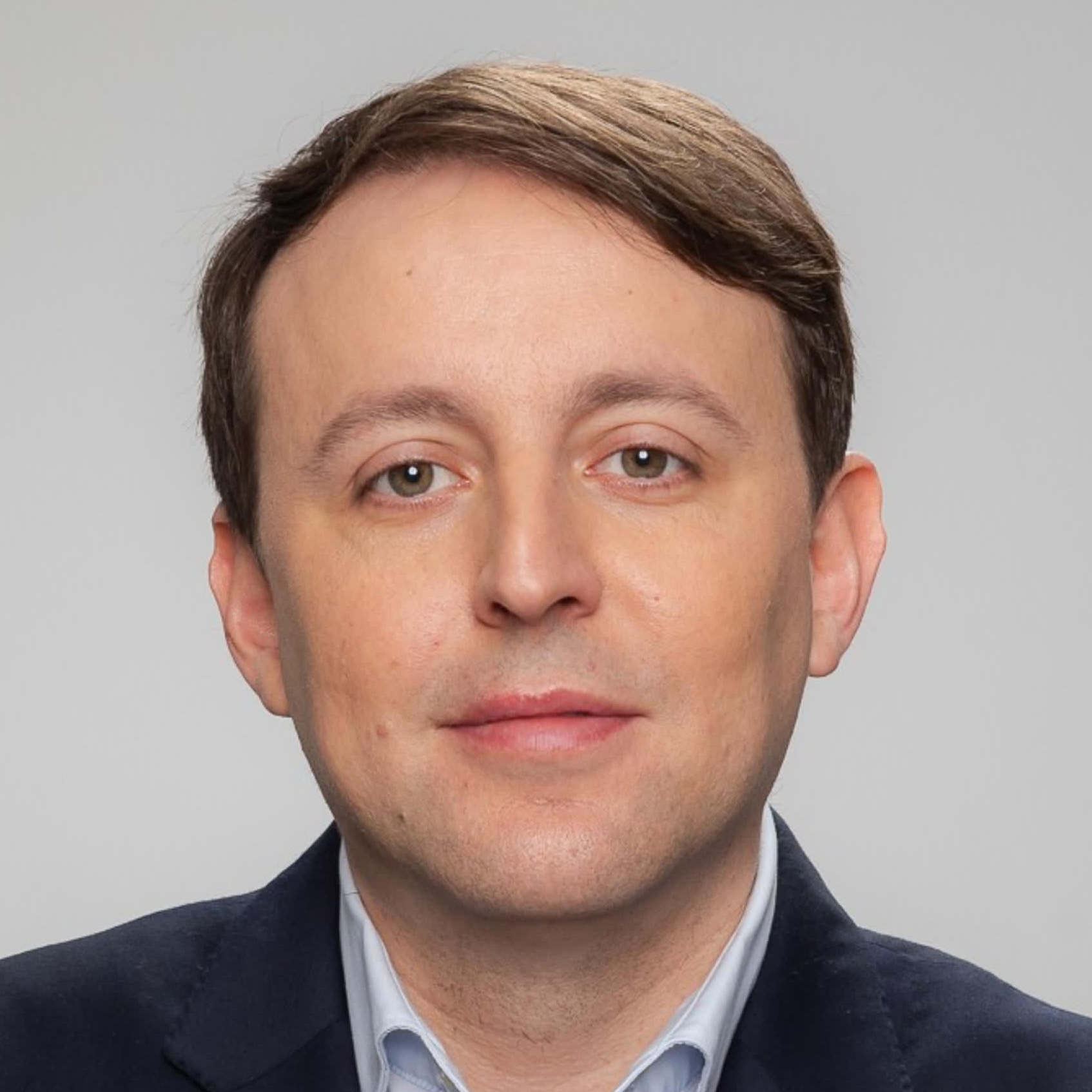
Javi López
Vicepresidente del Parlamento Europeo
Eurodiputado del PSC - PSOE desde el 2014, hoy, ejerce como vicepresidente del Parlamento Europeo. Es Licenciado en Derecho y ha sido Profesor Visitante de Historia de la UE en Blanquerna - Universitat Ramon Llull.
Ahora en portada
16 de octubre de 2026
16 de octubre de 2026
16 de octubre de 2026
Lo más leído