Martes, 29 de septiembre de 2026




"The Man Who Didn’t Want to be King"
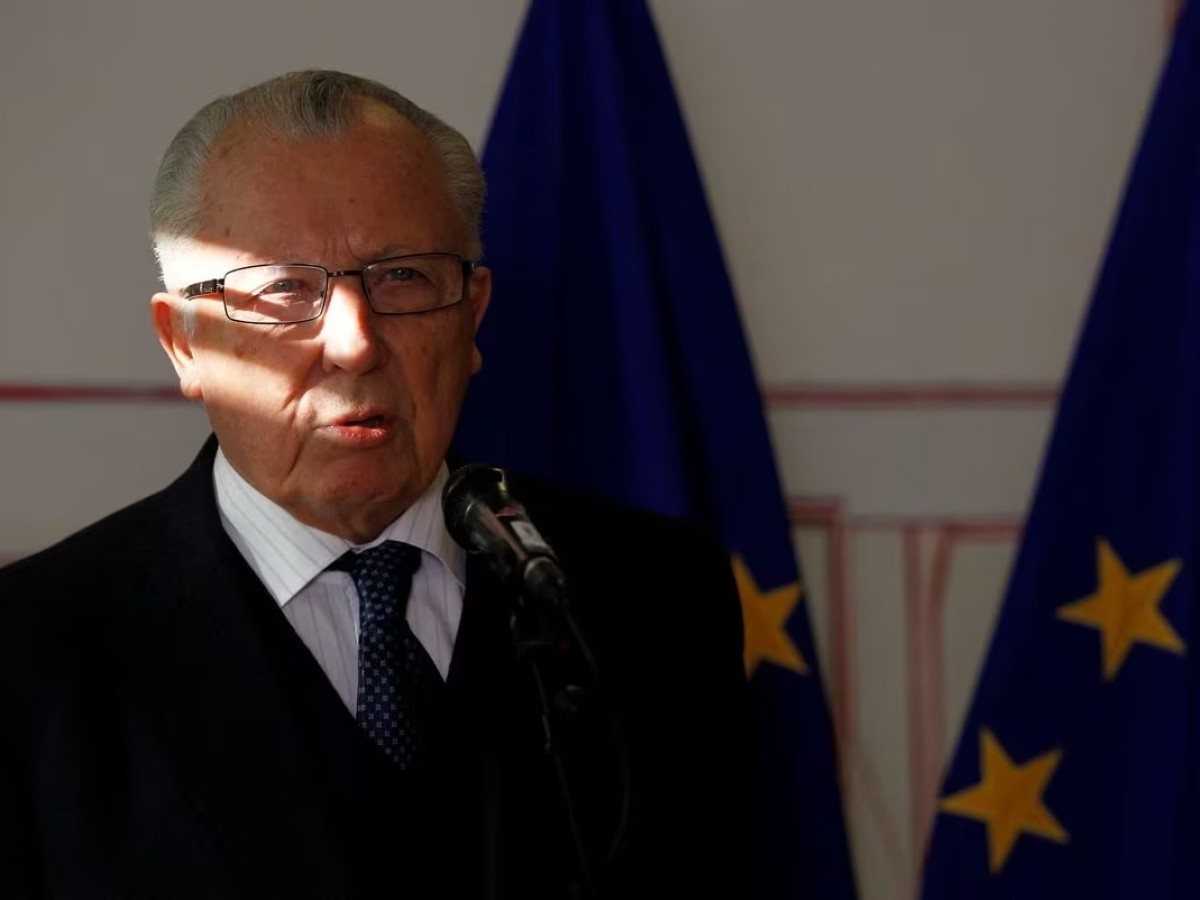
FRANCOIS LENOIR (REUTERS)
This is the title of one of the last books devoted to the political work of Jacques Delors. This phrase applies to his decision not to stand as a candidate in the French presidential elections in 1995, when he appeared to be the overwhelming favourite. One of the explanations for this surprising decision lies, in my opinion, in the understanding of Jacques Delors’ complex personality.
Discreet and measured, he was faithful to his modest social origins and committed from his youth to a humanist political vision. I had the opportunity to observe on many occasions that what he particularly detested was the boasting and superficiality, the empire of money, and the devastating attraction of power. I was also able to see that he maintained his rebellious character and his indignation in the face of injustice to the very end, as the permanent contestation of the established order was one of the driving forces of his reflection and action.
What mattered most to him as a politician was to contribute with intelligence and dedication to the transformation of society towards greater economic efficiency as a condition for prosperity, but also for solidarity and sharing, which is indispensable for reducing inequalities. The priority was social cohesion, which could only be achieved through the functioning of an open and efficient economy. It is also worth mentioning that later, at the beginning of the 1990s, he added the environmental dimension. His participation in the Earth Summit in Rio de Janeiro in 1992 convinced him, before many politicians of the time, of the urgent need to propose strong measures to protect the environment, as well as those dedicated to social and territorial cohesion.
The success of the Delors decade from 1985 to 1995 can also be explained by the solidity of the values defended, the relevance of the project and his ability to mobilise both within the European institutions and the political staff of the Member States and, more generally, civil society. We owe him the legacy of his active role in the creation of the single market, the Euro, Schengen, the enlargements, the cohesion funds, and the social dialogue, as well as the Erasmus programmes. All of these are very important and historic achievements of European integration.
Despite this impressive balance sheet, the Delorian project developed with a major political fragility and a major weakness. The fragility was the fact that it rested politically on a subtle balance between Christian democracy and social democracy, which meant that these two forces remained dominant and of comparable weight, as was the case in the European Parliament for a long time. When this balance was broken, it was also broken between the economic, the social, and the environmental. At that time, the efficiency of the markets was accentuated without further regulation and with less pressure to cushion the social consequences. A neo-liberal Europe was imposed, which was not the Europe of Frère Jacques. The Delorian construction also suffered from a serious weakness, that of a Europe in project without means in the face of the growing forces of globalisation. As we saw during the 2008 financial crisis, European regulations were not strong enough. While it is true that Delors had identified this weakness at the origin of the economic and monetary union, denouncing a Europe that was too monetary and not economic enough, he did not succeed in convincing European leaders of this imbalance.
But fundamentally we failed in those years of perspective by believing, like the founding fathers, that economic integration would automatically lead to political integration. A grave error, as subsequent events will show us that the economy influences but does not determine the political future of peoples. Jean Monnet’s post-Westphalian vision, shared by Delors, was undoubtedly premature as the predominance of states was strongly reaffirmed.
In recent years, faced with the profound economic and geopolitical transformations of our world and the dangers they represent for Europeans, Delors called for the deepening of European integration. For him, it was time to take into account the necessary development of a more consistent and forceful foreign and defence policy. At the same time, he recognised that this would require a great deal of intellectual work and a common will on the part of the member states, which would be difficult to achieve. But he was clear and summed it up in a formula “la survie ou le déclin” (survival or decline).
Today’s scenario has changed radically from that of Delors’ time in Brussels. The new challenges have made the task today more difficult, tougher, and more demanding, as Delors himself acknowledged. However, as Felipe González pointed out a few days ago, “Following his legacy is our obligation”.
Discreet and measured, he was faithful to his modest social origins and committed from his youth to a humanist political vision. I had the opportunity to observe on many occasions that what he particularly detested was the boasting and superficiality, the empire of money, and the devastating attraction of power. I was also able to see that he maintained his rebellious character and his indignation in the face of injustice to the very end, as the permanent contestation of the established order was one of the driving forces of his reflection and action.
[Recibe los análisis de más actualidad en tu correo electrónico o en tu teléfono a través de nuestro canal de Telegram]
These facets of his personality did not lead to a revolutionary political attitude. This was largely because he shared humanist values that rejected all forms of violence, adhering to the virtues of dialogue, negotiation and progressive transformations, an indispensable foundation for “Vivre ensemble” in society. This obsession with living together in peace was most visibly and effectively transferred to the European level in order to develop its social democratic concept of European identity. The Single European Act, the European treaty that came into force in 1987, remains Jacques Delors’ masterpiece in which the three elements of the Delorian doctrine are to be found: competition that stimulates, cooperation that strengthens, and solidarity that unites.What mattered most to him as a politician was to contribute with intelligence and dedication to the transformation of society towards greater economic efficiency as a condition for prosperity, but also for solidarity and sharing, which is indispensable for reducing inequalities. The priority was social cohesion, which could only be achieved through the functioning of an open and efficient economy. It is also worth mentioning that later, at the beginning of the 1990s, he added the environmental dimension. His participation in the Earth Summit in Rio de Janeiro in 1992 convinced him, before many politicians of the time, of the urgent need to propose strong measures to protect the environment, as well as those dedicated to social and territorial cohesion.
The success of the Delors decade from 1985 to 1995 can also be explained by the solidity of the values defended, the relevance of the project and his ability to mobilise both within the European institutions and the political staff of the Member States and, more generally, civil society. We owe him the legacy of his active role in the creation of the single market, the Euro, Schengen, the enlargements, the cohesion funds, and the social dialogue, as well as the Erasmus programmes. All of these are very important and historic achievements of European integration.
Despite this impressive balance sheet, the Delorian project developed with a major political fragility and a major weakness. The fragility was the fact that it rested politically on a subtle balance between Christian democracy and social democracy, which meant that these two forces remained dominant and of comparable weight, as was the case in the European Parliament for a long time. When this balance was broken, it was also broken between the economic, the social, and the environmental. At that time, the efficiency of the markets was accentuated without further regulation and with less pressure to cushion the social consequences. A neo-liberal Europe was imposed, which was not the Europe of Frère Jacques. The Delorian construction also suffered from a serious weakness, that of a Europe in project without means in the face of the growing forces of globalisation. As we saw during the 2008 financial crisis, European regulations were not strong enough. While it is true that Delors had identified this weakness at the origin of the economic and monetary union, denouncing a Europe that was too monetary and not economic enough, he did not succeed in convincing European leaders of this imbalance.
But fundamentally we failed in those years of perspective by believing, like the founding fathers, that economic integration would automatically lead to political integration. A grave error, as subsequent events will show us that the economy influences but does not determine the political future of peoples. Jean Monnet’s post-Westphalian vision, shared by Delors, was undoubtedly premature as the predominance of states was strongly reaffirmed.
In recent years, faced with the profound economic and geopolitical transformations of our world and the dangers they represent for Europeans, Delors called for the deepening of European integration. For him, it was time to take into account the necessary development of a more consistent and forceful foreign and defence policy. At the same time, he recognised that this would require a great deal of intellectual work and a common will on the part of the member states, which would be difficult to achieve. But he was clear and summed it up in a formula “la survie ou le déclin” (survival or decline).
Today’s scenario has changed radically from that of Delors’ time in Brussels. The new challenges have made the task today more difficult, tougher, and more demanding, as Delors himself acknowledged. However, as Felipe González pointed out a few days ago, “Following his legacy is our obligation”.
Se puede leer el artículo original en español
ARTÍCULOS RELACIONADOS
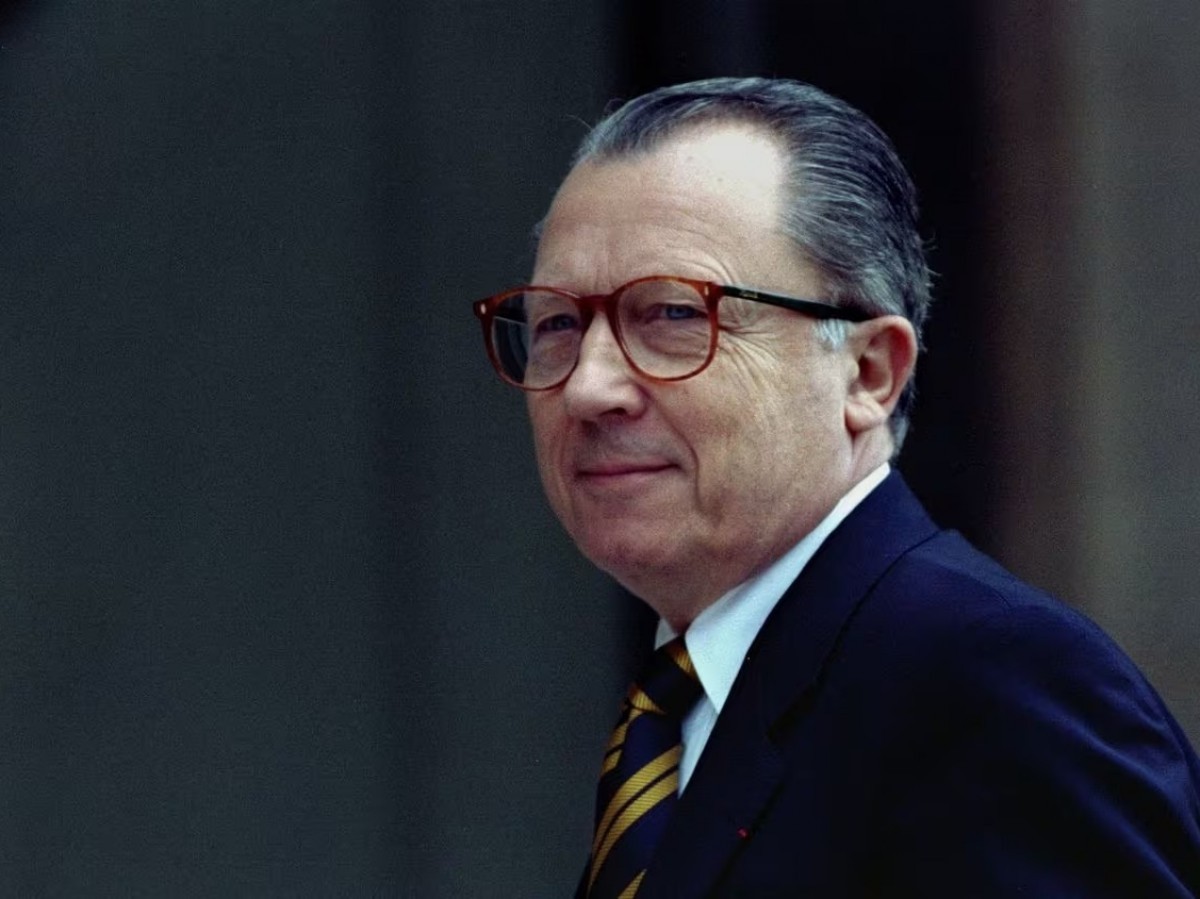
CHARLES PLATIAU (REUTERS)

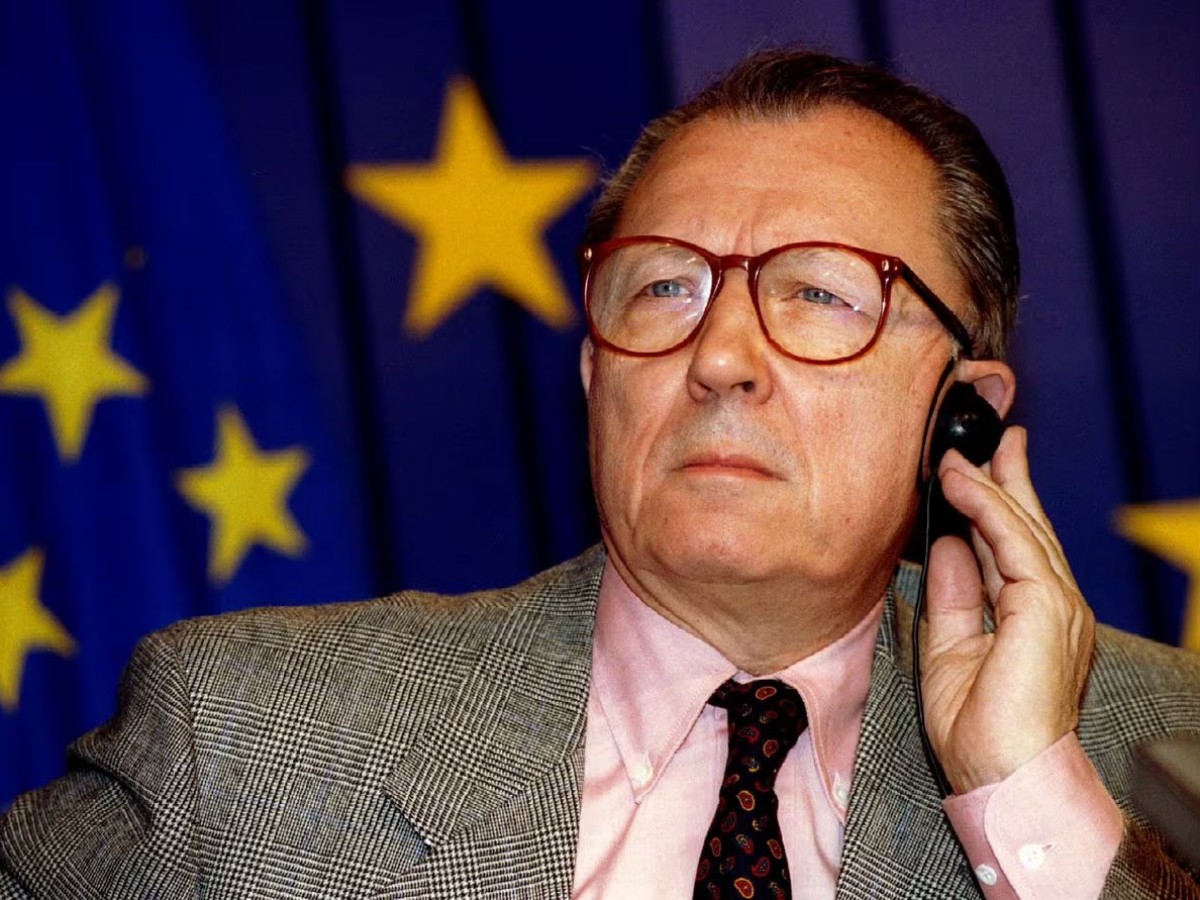
NATHALIE KOULISCHER (REUTERS)
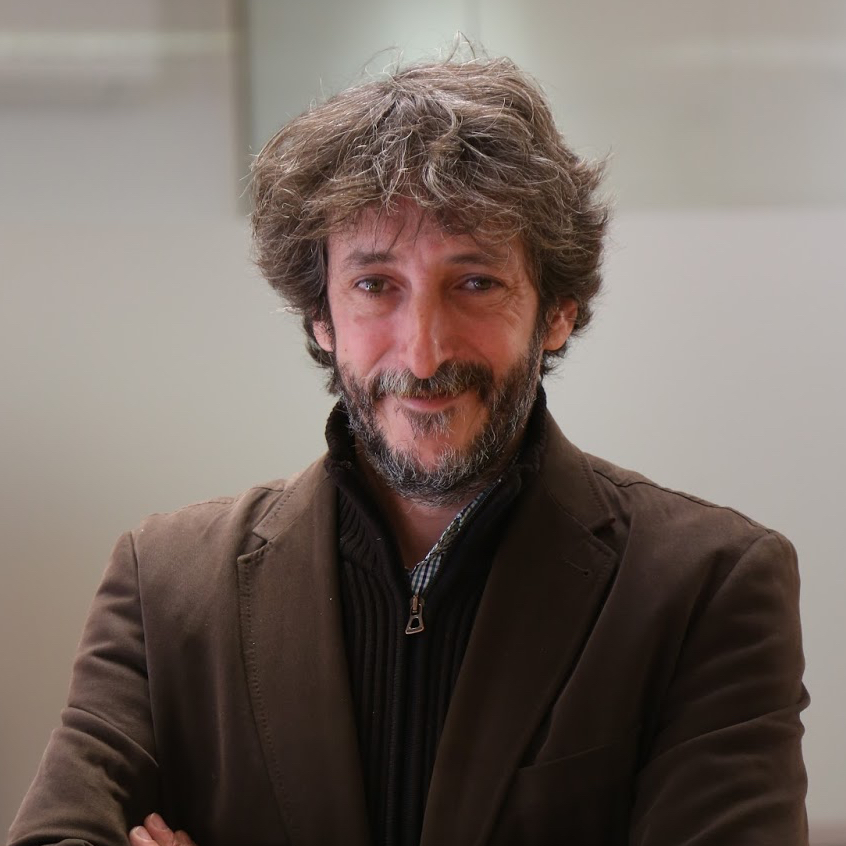
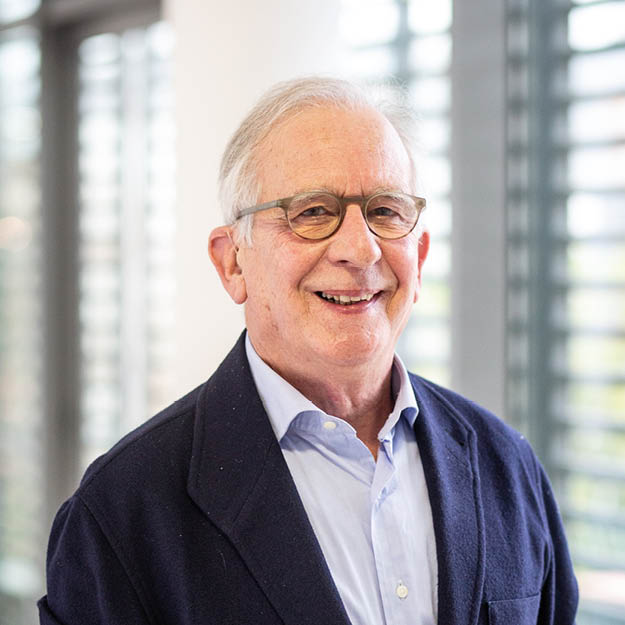
Eneko Landaburu
Asesor especial del presidente del Instituto Jacques Delors
Ha sido embajador de la Unión Europea en Marruecos (2009-2013), director general de la Comisión Europea (1986-2009) en Política Regional/Ampliación, jefe de negociaciones con países candidatos y Relaciones Exteriores. También fue miembro del Consejo Administración del BEI (1993-2000) y diputado del Parlamento Vasco (1980).
Etiquetas
Democracia, UE, Unión Europea, Unión Económica y Monetaria, Comisión Europea, Schengen, euro, diplomacia, Francia Ahora en portada
29 de septiembre de 2026
29 de septiembre de 2026
29 de septiembre de 2026
Noticias relacionadas
Hace 142 semanas
Delors, or Why Nothing is Possible without Certain People
Hace 143 semanas
Delors, a Full-Bodied Revolutionary
Lo más leído