Domingo, 18 de octubre de 2026



Jacques Delors: Monumental but Misunderstood
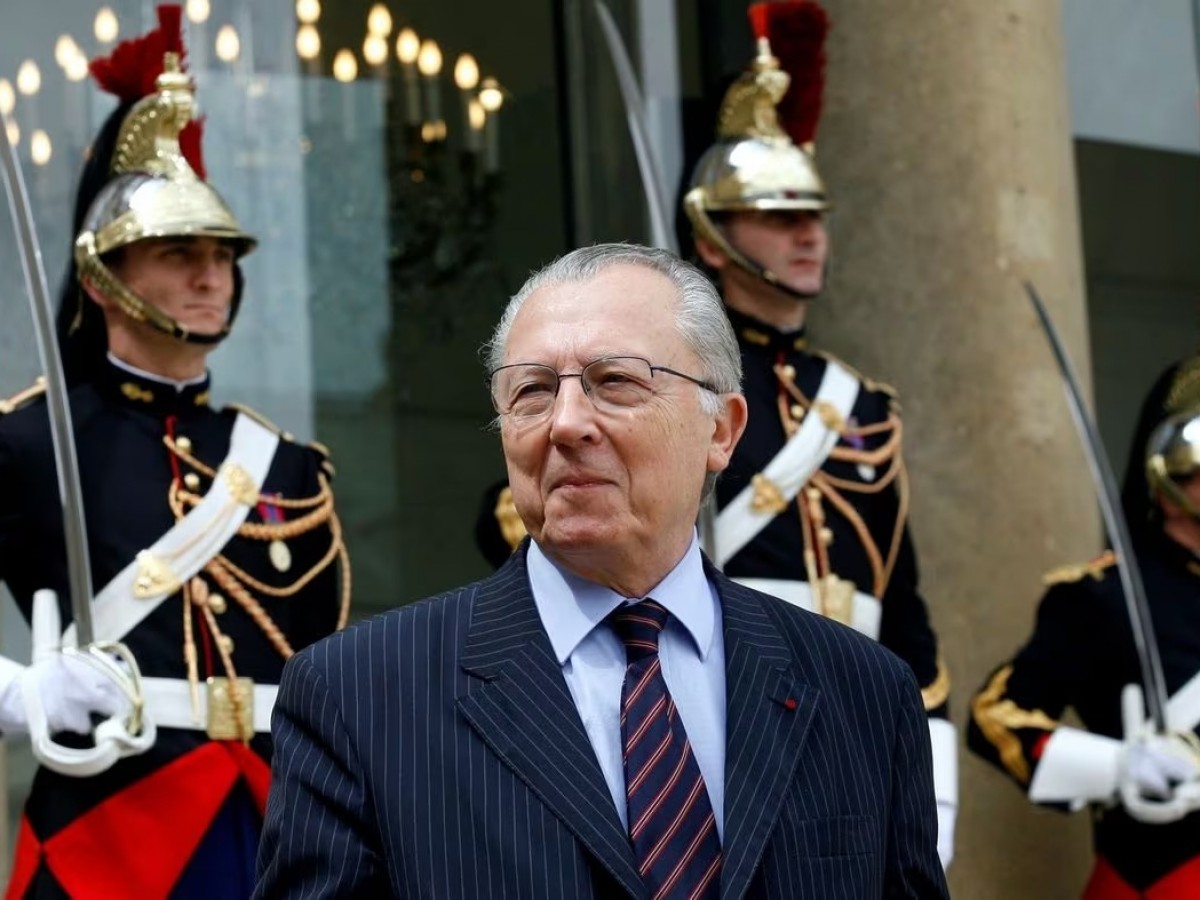
JEAN-PAUL PELISSIER (REUTERS)
Few individuals have embodied the project of European integration more fully than Jacques Delors, the former president of the European Commission who has died at his home in Paris aged 98. To many, including the late British Prime Minister Margaret Thatcher, the Frenchman was a dangerous European federalist who used his decade in Brussels to push for the centralisation of power. However, such assessments both overstate Delors' influence as Commission President and misunderstand the essential pragmatism that made his presidency so successful.
Delors had already made a mark on the European stage when national leaders - Thatcher included - agreed that the Frenchman should become President of the European Commission in January 1985. He had been elected to the European Parliament six years earlier before being appointed French Finance Minister by President François Mitterrand. Although Delors' stint as an MEP is largely forgotten, it revealed his preference for pursuing European integration one policy at a time rather than through grand federalist visions.
The real visionary among the class of 1979 - the first generation of directly elected MEPs - was Altiero Spinelli, author of the wartime Ventotene Manifesto and relentless advocate for a United States of Europe. Spinelli and Delors could have formed an effective duo, but they steered clear of one another. Whereas Spinelli brought federalist MEPs together in the Crocodile Club, Delors founded the Amigo Club to encourage an informal exchange of views between European social democrats. While Spinelli focused his energies on producing a Draft Treaty on European Union, a federalist constitution for Europe in all but name, Delors picked a far less glamorous cause: the reform of the European Monetary System.
Delors' pragmatic understanding of European integration shaped his presidency of the European Commission from the outset. Touring national capitals, he found limited support for turning the European Monetary System into an Economic and Monetary Union and so made completing the single market his first priority. National leaders had already agreed on this goal at the Fontainebleau Summit in June 1984, but Delors devised a workable plan for removing three hundred physical, technical and fiscal barriers to the free movement of goods, services, workers and capital by the last day of 1992.
That the European Community completed this plan on schedule was Delors' single greatest achievement as Commission president. Between 1992 and 2006, the single market added an estimated €233 billion to EU GDP and created nearly three million jobs. It also helped to restore momentum to the European project, which had lost its way in the 1970s.
Delors was heavily involved in the euro's creation, most notably through his leadership of a high-level committee tasked with studying Economic and Monetary Union. He didn't impose his views on this group but carefully crafted a consensus between its real powerbrokers: national central bank governors whose views on the single currency ranged from enthusiasm to indifference and hostility. The Delors Report served as a blueprint for the Maastricht Treaty, which replaced the European Community with the European Union and paved the way for the single currency's launch in 1999.
At the peak of her powers, Margaret Thatcher had celebrated Delors' efforts to complete the single market. But, as her influence waned at home and abroad, she demonised the Commission president as a federalist intent on building 'a European super-state'. A political irony was that Delors also had misgivings about the euro, which he correctly predicted would run into problems without deeper fiscal integration, and the Maastricht Treaty, which he felt was founded on tortuous political compromises. He worried too that the Euroscepticism unleashed by Thatcher and her imitators had punctured the political consensus underpinning European integration.
Delors' last great project as Commission President was the 1993 White Paper on Growth, Competitiveness and Employment. It had a lukewarm reception, but its calls for infrastructure investment to promote digital and environmental goals prefigured the EU's pandemic response, Next Generation EU, by three decades.
Opinion polls suggested that Delors had a good chance of winning the 1995 French presidential election, but he decided not to stand, perhaps because of concerns over his own health, perhaps out of deference to his daughter, Martine Aubry, a rising star in the French Socialist Party who harboured presidential ambitions of her own.
No European Commission President, with the possible exception of Ursula von der Leyen, has had anything like the Frenchman's impact on the EU. Delors succeeded not by creating the political weather but by making the most of favourable winds from national capitals. His presidency was marked by pragmatism rather than idealism and his contribution to European integration was no less momentous for this.
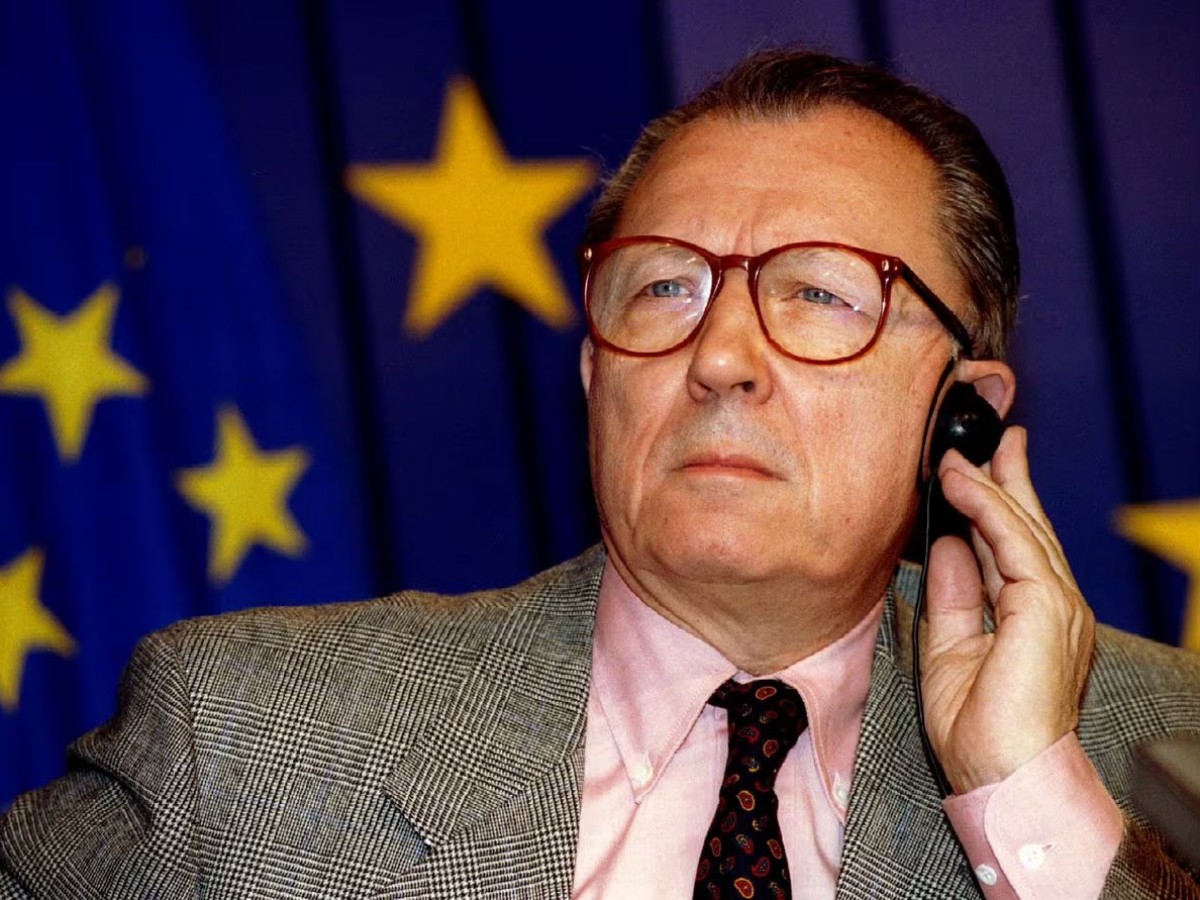
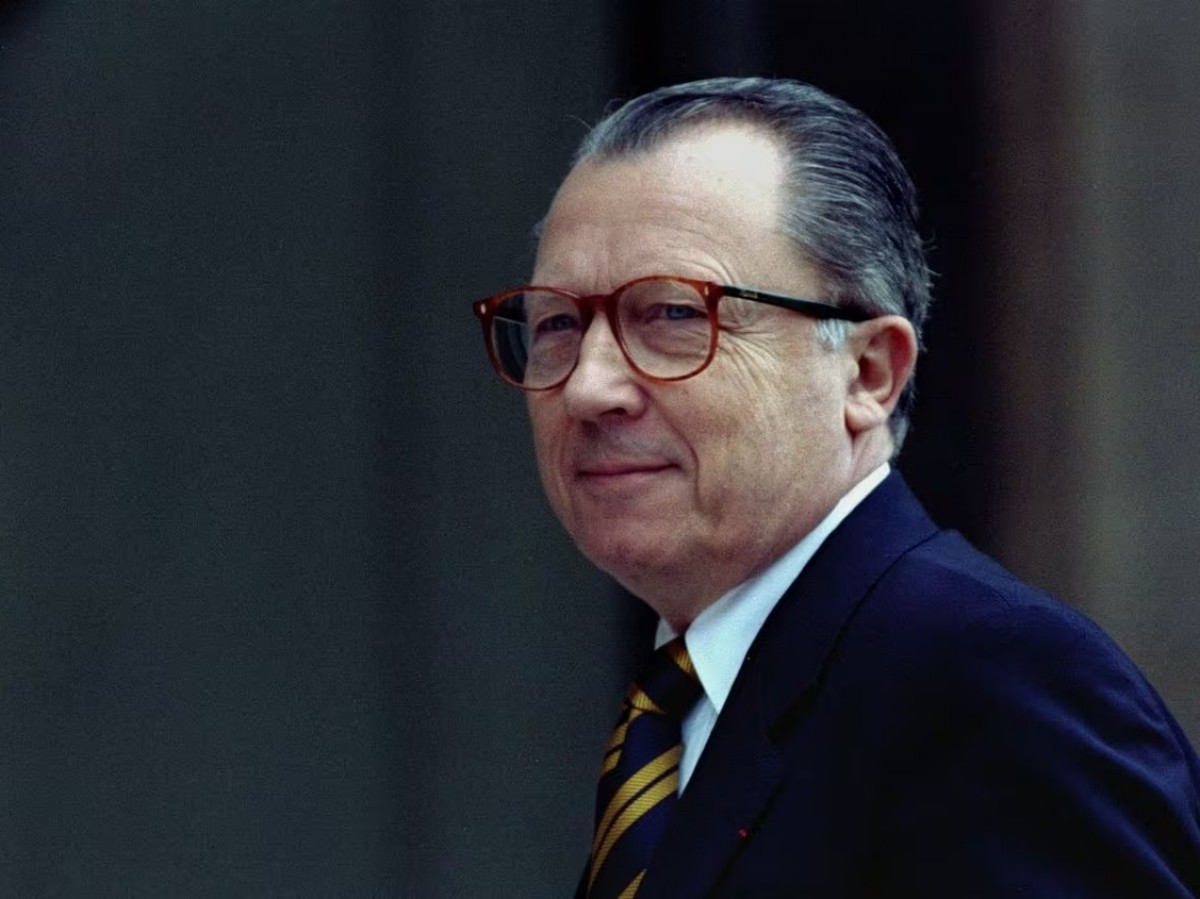
Delors had already made a mark on the European stage when national leaders - Thatcher included - agreed that the Frenchman should become President of the European Commission in January 1985. He had been elected to the European Parliament six years earlier before being appointed French Finance Minister by President François Mitterrand. Although Delors' stint as an MEP is largely forgotten, it revealed his preference for pursuing European integration one policy at a time rather than through grand federalist visions.
The real visionary among the class of 1979 - the first generation of directly elected MEPs - was Altiero Spinelli, author of the wartime Ventotene Manifesto and relentless advocate for a United States of Europe. Spinelli and Delors could have formed an effective duo, but they steered clear of one another. Whereas Spinelli brought federalist MEPs together in the Crocodile Club, Delors founded the Amigo Club to encourage an informal exchange of views between European social democrats. While Spinelli focused his energies on producing a Draft Treaty on European Union, a federalist constitution for Europe in all but name, Delors picked a far less glamorous cause: the reform of the European Monetary System.
[Recibe los análisis de más actualidad en tu correo electrónico o en tu teléfono a través de nuestro canal de Telegram]
There are at least three reasons why Delors was reluctant to throw in his lot at this time with European federalists. First, federalism’s inherent idealism rested uneasily with Delors’ commitment to the art of the politically possible. Spinelli championed ideas for transforming the European Community with little apparent regard for their feasibility, but Delors sought out reforms which member states were likely to support. Second, European federalism's association with the centralisation of power jarred with Delors’ belief in subsidiarity, a Social Catholic concept which called for decisions to be taken at the lowest feasible level. Third, Delors showed little interest in building a United States of Europe. In later years, he declared his preference for a ‘European federation of nation states’, a term that was deliberately vague about how national and European ambitions would be accommodated. Delors' pragmatic understanding of European integration shaped his presidency of the European Commission from the outset. Touring national capitals, he found limited support for turning the European Monetary System into an Economic and Monetary Union and so made completing the single market his first priority. National leaders had already agreed on this goal at the Fontainebleau Summit in June 1984, but Delors devised a workable plan for removing three hundred physical, technical and fiscal barriers to the free movement of goods, services, workers and capital by the last day of 1992.
That the European Community completed this plan on schedule was Delors' single greatest achievement as Commission president. Between 1992 and 2006, the single market added an estimated €233 billion to EU GDP and created nearly three million jobs. It also helped to restore momentum to the European project, which had lost its way in the 1970s.
Delors was heavily involved in the euro's creation, most notably through his leadership of a high-level committee tasked with studying Economic and Monetary Union. He didn't impose his views on this group but carefully crafted a consensus between its real powerbrokers: national central bank governors whose views on the single currency ranged from enthusiasm to indifference and hostility. The Delors Report served as a blueprint for the Maastricht Treaty, which replaced the European Community with the European Union and paved the way for the single currency's launch in 1999.
At the peak of her powers, Margaret Thatcher had celebrated Delors' efforts to complete the single market. But, as her influence waned at home and abroad, she demonised the Commission president as a federalist intent on building 'a European super-state'. A political irony was that Delors also had misgivings about the euro, which he correctly predicted would run into problems without deeper fiscal integration, and the Maastricht Treaty, which he felt was founded on tortuous political compromises. He worried too that the Euroscepticism unleashed by Thatcher and her imitators had punctured the political consensus underpinning European integration.
Delors' last great project as Commission President was the 1993 White Paper on Growth, Competitiveness and Employment. It had a lukewarm reception, but its calls for infrastructure investment to promote digital and environmental goals prefigured the EU's pandemic response, Next Generation EU, by three decades.
Opinion polls suggested that Delors had a good chance of winning the 1995 French presidential election, but he decided not to stand, perhaps because of concerns over his own health, perhaps out of deference to his daughter, Martine Aubry, a rising star in the French Socialist Party who harboured presidential ambitions of her own.
No European Commission President, with the possible exception of Ursula von der Leyen, has had anything like the Frenchman's impact on the EU. Delors succeeded not by creating the political weather but by making the most of favourable winds from national capitals. His presidency was marked by pragmatism rather than idealism and his contribution to European integration was no less momentous for this.
ARTÍCULOS RELACIONADOS
NATHALIE KOULISCHER (REUTERS)
CHARLES PLATIAU (REUTERS)


Dermot Hodson
Profesor de Economía Política y Tecnologías Digitales
Estudió Economía y Filosofía en el Trinity College de Dublín (BA), Estudios Económicos Europeos en el Colegio de Europa de Brujas (MSc) y Economía Política Europea en la London School of Economics and Political Science (PhD). Es autor de Circle of Stars: A History of the EU and the People Who Made It, publicado por Yale University Press.
Etiquetas
Democracia, Europa, Francia, UE, Unión Europea, federalismo, Comisión Europea, Next Generation EU Ahora en portada
17 de octubre de 2026
16 de octubre de 2026
Noticias relacionadas
Hace 146 semanas
Delors, a Full-Bodied Revolutionary
Hace 146 semanas
Delors o por qué nada es posible sin ciertas personas
Lo más leído