Martes, 17 de noviembre de 2026


A NEW BALANCE OF POWER
What has happened and what comes next for the U.S.: eight experts weigh in
The Democratic victory in the midterm elections has created a new political landscape for Donald Trump. To examine where the country stands and where it is headed, 'Agenda Pública' brings together the views of eight experts from the United States and Spain, including a former Republican congressman and ambassador. The Republican defeat has been decisive, but it remains to be seen how far the new Congress can constrain Trump, particularly on foreign and trade policy.

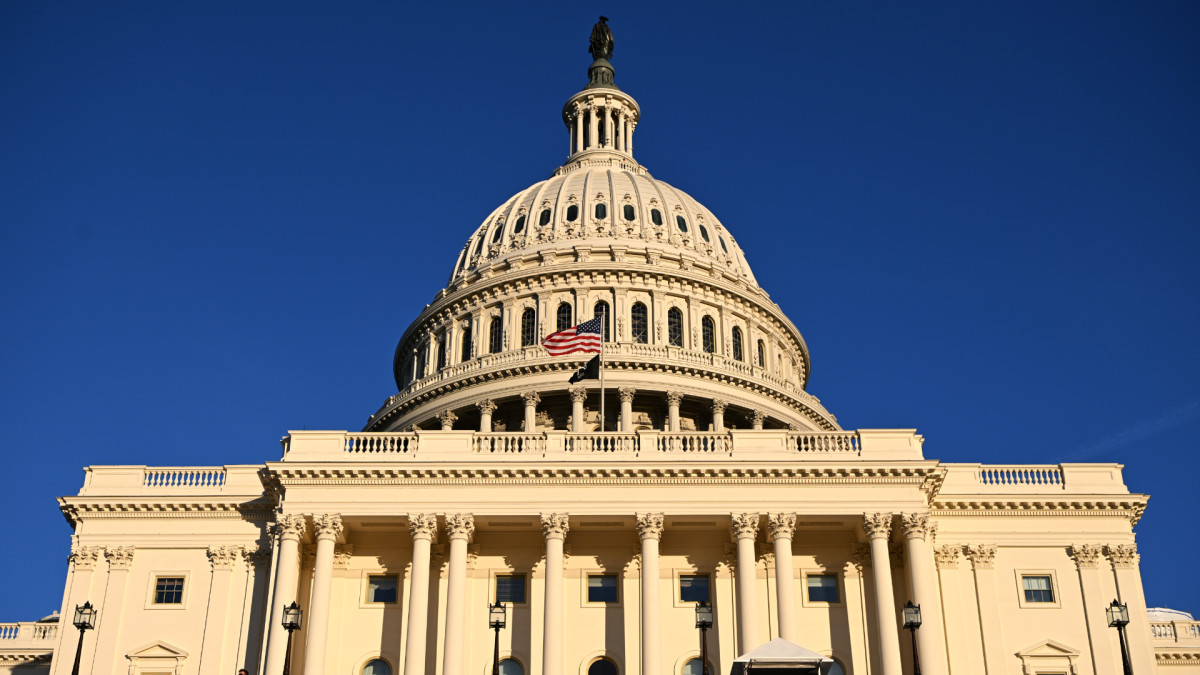
The United States held its midterm elections on November 3, 2026Li Rui / Xinhua News / Europa Press
In the aftermath of the recent U.S. midterm elections, Agenda Pública reached out to top analysts and commentators in the United States and Spain, from academics, and think tank experts, to a former Congressman (and Ambassador) as well as pollsters. Here are their takeaways in light of the election results:
 Francis Rooney, J.D. – former U.S. Congressman (Florida – Republican), former Vice-Chair of the U.S. House Foreign Affairs Committee, and former U.S. Ambassador to the Holy See (Rooney was named Commander of the Order of Queen Isabella I in 2022):
I’m not surprised that we Republicans have failed so badly. Trump told voters, to vote as if he were on the ballot. And in response, voters delivered a win for Democrats; and they won big. We endured two years of criminality, much of it involving the Trump family, abuses against ordinary people, especially Hispanic migrants whom we need to support our economy, and deplorable behavior that has undermined the dignity of the U.S. presidency.
 Kristina Kausch – Deputy Managing Director of the South and Wider Europe Program and Senior Fellow with the German Marshall Fund based out of Madrid:
Europeans are acutely aware the midterm results will not substantially change U.S. foreign policy, still they have been received in Europe with both hope and dread. Hope because they restore some faith in the resilience of American democracy. And dread because they fear a weakened, humiliated Trump may lash out over the next two years and take greater, uncalculated risks abroad where he still has a freer hand.
For Madrid, before a snap general election which socialist Prime Minister [Pedro] Sanchez is widely expected to lose, the midterm result matters above all in domestic politics, and Sanchez has portrayed it as the latest installment of a global progressive wave.
 Federico Steinberg, Ph.D. – Prince of Asturias Distinguished Visiting Professor at Georgetown University’s School of Foreign Service and Senior Fellow at the Elcano Royal Institute:
This is an enormous victory of the Democratic Party, a political tsunami rather than merely a blue wave. The results represent a sweeping rejection of most of President Trump’s policies.
Beyond inflation and the cost of living, exacerbated by the unnecessary war in Iran and the closure of the Strait of Hormuz, voters were also concerned about corruption, the enrichment of Trump and his family, [U.S. Immigration and Customs Enforcement’s] ICE’s brutal enforcement practices, tax cuts benefiting the wealthy, and the erosion of democratic institutions.
These concerns affected different segments of the electorate, particularly Latino voters troubled by ICE, more educated voters concerned about democracy and the rule of law, and former Trump supporters disappointed by the economic situation.
Nevertheless, Trump retains considerable freedom in trade and foreign policy. Impeachment is unlikely to result in his removal, and Congress lacks the votes to override presidential vetoes. Consequently, I anticipate little change in these areas as both parties turn their attention toward the 2028 presidential election.
Juan Luis Manfredi, Ph.D. – Professor of Journalism and International Affairs, University of Castilla-La Mancha:
The midterm elections constrain Trump at home, but not necessarily in his dealings with Brussels. With reduced U.S. involvement in NATO, Spain and Europe must assume greater security responsibilities through a coordinated response.
The Democratic Party’s strategy demonstrates the importance of diverse voices and moderate progressives moving away from woke rhetoric. Trump retains support, but his candidates cannot always capitalize on it. Candidate selection and campaigning remain decisive, despite the rise of artificial intelligence.
For Spain, olive oil, olives, wine, pork products, and automotive components are particularly vulnerable to U.S. tariffs.
Spain should also leverage the Latino vote to advance Spanish-language subnational diplomacy through university partnerships, cultural exchanges, and infrastructure and renewable energy investments in Texas, California, and Florida, thereby strengthening transatlantic relations.
 Kari Heerman, Ph.D. – Senior Fellow and Director of Trade and Economic Statecraft at the Brookings Institution:
Tariffs were an issue in this election and it’s clear that American voters understand they are bearing a substantial share of the costs of higher tariffs. Elected officials will have taken notice, and at a minimum, I would expect closer scrutiny of how the [Trump] administration exercises and implements its trade policy authorities. Trade policy, however, still rests largely in the hands of the executive branch, so the immediate implications for transatlantic trade relations may be limited.
Looking further ahead, broad-based higher tariffs appear to have less public support than the Trump administration may have assumed. But that doesn’t necessarily mean a reversion to the previous transatlantic trade terms. The United States will likely continue to have interests in revisiting aspects of that relationship, even as the importance of the transatlantic alliance endures.
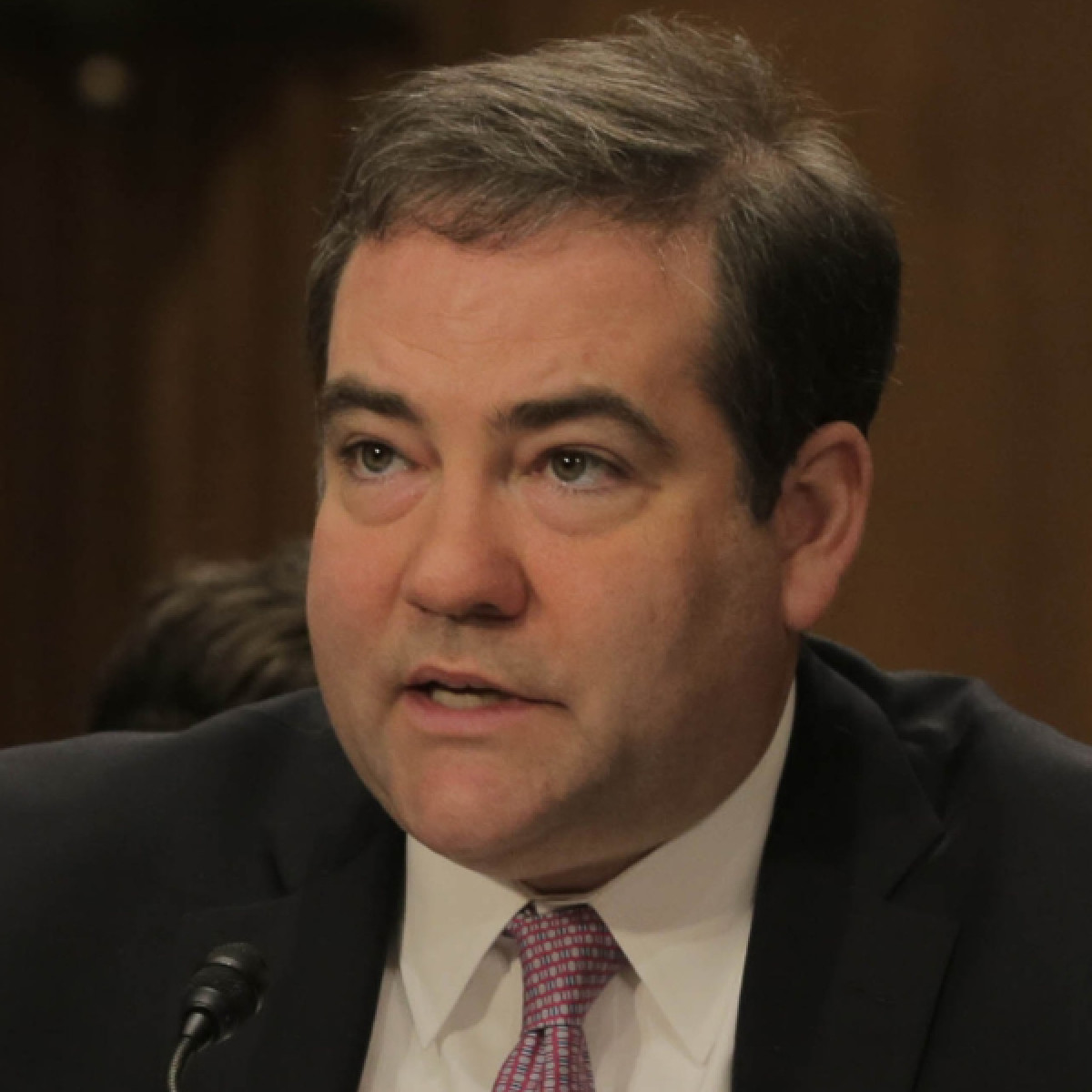 Dan Runde – Senior Adviser, Center for Strategic and International Studies (Runde was awarded the Officer’s Cross in the Order of Isabel la Católica (Orden de Isabel la Católica) in 2017):
The U.S. and Spain have many shared interests. At the same time, Republicans and Democrats are looking to European governments to do a better job of burden sharing on security.
Democrats are not going to dial back certain kinds of structural tariffs, but those tariffs that might be seen as punitive, they will seek to dial back. But much of the decision-making remains in the Executive Branch.
We continue to see Spain as an important partner but the relationship between Spain and the U.S. has been negatively impacted by decisions made by the Sanchez government and the view that he is attempting to lead a global coalition against President Trump.
 Mike Adam – Republican Strategist and Vice President of National Media:
One trend this year: money alone couldn’t buy a win. In contested statewide primaries, 11 of 13 winners were outspent, some by as much as 10x. In the general [election], Republicans spent over $250 million more than Democrats in key Senate races, according to data from Kinetiq Political Insights, but it wasn’t enough to overcome voter frustration over affordability.
Now all eyes are on Democrats to try to deliver. They will have to balance a growing DSA wing pulling leadership left, and an electorate that voted on groceries and gas prices, not a far-left agenda. If they over-read the mandate, the working class and suburban voters who decided this election will swing right back. And with Washington, D.C. divided, some of the most important policy fights over the next two years may play out in state capitols.
 John Vinson – Republican Strategist and Senior Vice President at Ragnar Research Partners:
[In the 2026 midterm elections] voters sent a clear message, the weight of which will be felt for a long time. There is no sugarcoating it. We have a deep hole to dig out of and have little margin for error to bring balance back to all levels of government before redistribution of Congressional seats begins again in 2032.
Francis Rooney
I’m not surprised that we Republicans have failed so badly. Trump told voters, to vote as if he were on the ballot. And in response, voters delivered a win for Democrats; and they won big. We endured two years of criminality, much of it involving the Trump family, abuses against ordinary people, especially Hispanic migrants whom we need to support our economy, and deplorable behavior that has undermined the dignity of the U.S. presidency.
Kristina Kausch
Europeans are acutely aware the midterm results will not substantially change U.S. foreign policy, still they have been received in Europe with both hope and dread. Hope because they restore some faith in the resilience of American democracy. And dread because they fear a weakened, humiliated Trump may lash out over the next two years and take greater, uncalculated risks abroad where he still has a freer hand.
For Madrid, before a snap general election which socialist Prime Minister [Pedro] Sanchez is widely expected to lose, the midterm result matters above all in domestic politics, and Sanchez has portrayed it as the latest installment of a global progressive wave.
Federico Steinberg
This is an enormous victory of the Democratic Party, a political tsunami rather than merely a blue wave. The results represent a sweeping rejection of most of President Trump’s policies.
Beyond inflation and the cost of living, exacerbated by the unnecessary war in Iran and the closure of the Strait of Hormuz, voters were also concerned about corruption, the enrichment of Trump and his family, [U.S. Immigration and Customs Enforcement’s] ICE’s brutal enforcement practices, tax cuts benefiting the wealthy, and the erosion of democratic institutions.
These concerns affected different segments of the electorate, particularly Latino voters troubled by ICE, more educated voters concerned about democracy and the rule of law, and former Trump supporters disappointed by the economic situation.
Nevertheless, Trump retains considerable freedom in trade and foreign policy. Impeachment is unlikely to result in his removal, and Congress lacks the votes to override presidential vetoes. Consequently, I anticipate little change in these areas as both parties turn their attention toward the 2028 presidential election.
Juan Luis Manfredi, Ph.D. – Professor of Journalism and International Affairs, University of Castilla-La Mancha:

The midterm elections constrain Trump at home, but not necessarily in his dealings with Brussels. With reduced U.S. involvement in NATO, Spain and Europe must assume greater security responsibilities through a coordinated response.
The Democratic Party’s strategy demonstrates the importance of diverse voices and moderate progressives moving away from woke rhetoric. Trump retains support, but his candidates cannot always capitalize on it. Candidate selection and campaigning remain decisive, despite the rise of artificial intelligence.
For Spain, olive oil, olives, wine, pork products, and automotive components are particularly vulnerable to U.S. tariffs.
Spain should also leverage the Latino vote to advance Spanish-language subnational diplomacy through university partnerships, cultural exchanges, and infrastructure and renewable energy investments in Texas, California, and Florida, thereby strengthening transatlantic relations.
Kari Heerman
Tariffs were an issue in this election and it’s clear that American voters understand they are bearing a substantial share of the costs of higher tariffs. Elected officials will have taken notice, and at a minimum, I would expect closer scrutiny of how the [Trump] administration exercises and implements its trade policy authorities. Trade policy, however, still rests largely in the hands of the executive branch, so the immediate implications for transatlantic trade relations may be limited.
Looking further ahead, broad-based higher tariffs appear to have less public support than the Trump administration may have assumed. But that doesn’t necessarily mean a reversion to the previous transatlantic trade terms. The United States will likely continue to have interests in revisiting aspects of that relationship, even as the importance of the transatlantic alliance endures.
Dan Runde
The U.S. and Spain have many shared interests. At the same time, Republicans and Democrats are looking to European governments to do a better job of burden sharing on security.
Democrats are not going to dial back certain kinds of structural tariffs, but those tariffs that might be seen as punitive, they will seek to dial back. But much of the decision-making remains in the Executive Branch.
We continue to see Spain as an important partner but the relationship between Spain and the U.S. has been negatively impacted by decisions made by the Sanchez government and the view that he is attempting to lead a global coalition against President Trump.
Mike Adam
One trend this year: money alone couldn’t buy a win. In contested statewide primaries, 11 of 13 winners were outspent, some by as much as 10x. In the general [election], Republicans spent over $250 million more than Democrats in key Senate races, according to data from Kinetiq Political Insights, but it wasn’t enough to overcome voter frustration over affordability.
Now all eyes are on Democrats to try to deliver. They will have to balance a growing DSA wing pulling leadership left, and an electorate that voted on groceries and gas prices, not a far-left agenda. If they over-read the mandate, the working class and suburban voters who decided this election will swing right back. And with Washington, D.C. divided, some of the most important policy fights over the next two years may play out in state capitols.
John Vinson
[In the 2026 midterm elections] voters sent a clear message, the weight of which will be felt for a long time. There is no sugarcoating it. We have a deep hole to dig out of and have little margin for error to bring balance back to all levels of government before redistribution of Congressional seats begins again in 2032.
Ahora en portada
17 de noviembre de 2026
17 de noviembre de 2026
17 de noviembre de 2026
Noticias relacionadas
Hace 14 semanas
America turns 250: A letter from Washington on what brings Spain and the United States together
Hace 23 semanas
An American View of the Zapatero Case: A Tale of Two Spains
Hace 14 semanas
Breaking down the Ceuta mass migration event: what happened and why?
Lo más leído