Domingo, 25 de octubre de 2026




CONVERSATIONS
Robert Kaplan: "Migration is the big issue of our times"
Writer and University of Texas professor Robert Kaplan, one of the confirmed speakers at Foro La Toja 2026, speaks with 'Agenda Pública' about the challenges facing Spain, Europe and the United States in an increasingly unstable international order. From Ceuta to Russia, Iran and China, his analysis is guided by the conviction that "it is all geographically driven".
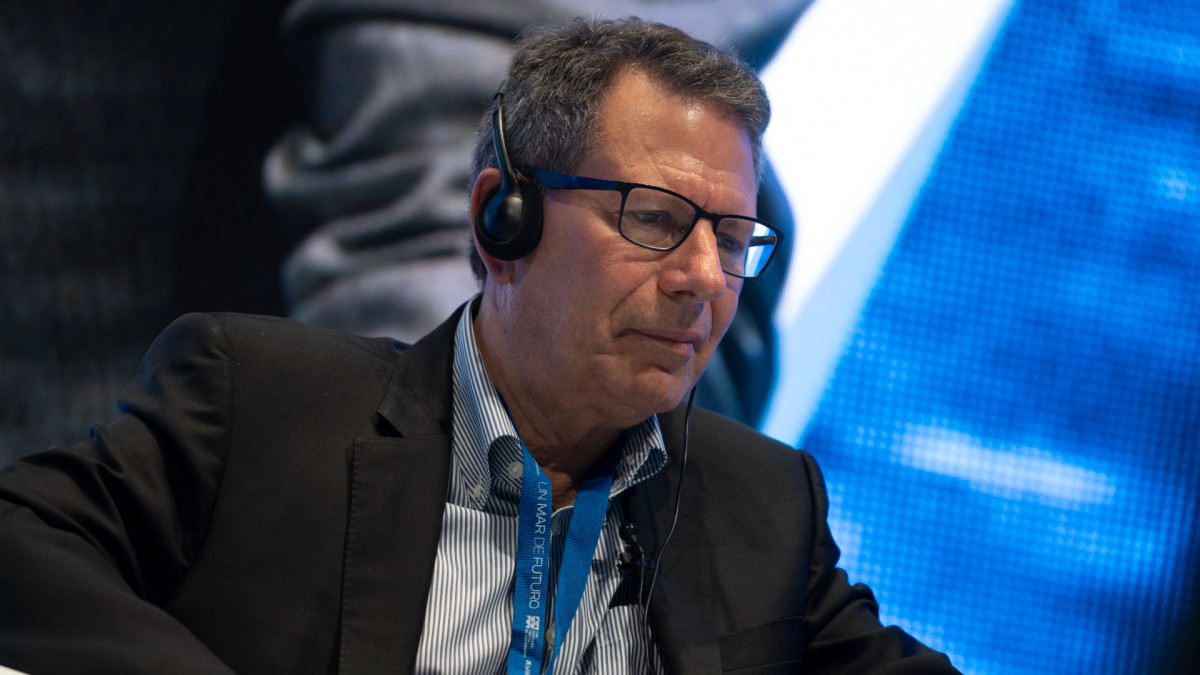
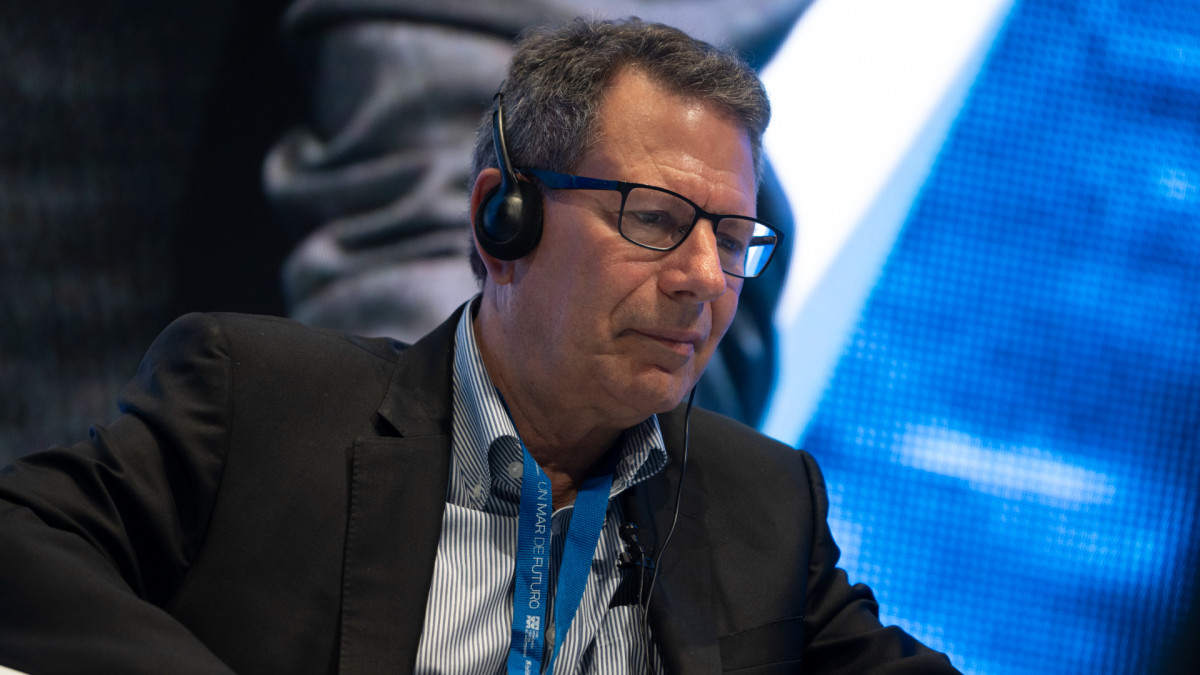
Professor Robert Kaplan on a previous visit to Spain.Jorge Gil / Europa Press
Robert Kaplan has been one of the world's most influential geopolitical analysts for decades. The author of twenty-four books on foreign policy and travel —including The Revenge of Geography—, he argues that the Ceuta crisis is "a question of history and geography", with migration at its core. Regarding Spain's position, he acknowledges that the government "wants to be sympathetic", while at the same time "it does not want refugees in the country".
Kaplan, one of the confirmed speakers at Foro La Toja 2026, is critical of the European Union, which he describes as an "elitist institution" that struggles to connect "with what common people are worried about". On National Rally and Alternative for Germany (AfD), he argues that they are, above all, "anti-migration parties". "If there were no migration, no refugees", he says, "the AfD would lose influence very, very quickly".
Turning to the United States, the professor at the University of Texas at Austin says the war in Iran reflects a "complete lack of policy discipline" on the part of the Trump administration. He describes the president as "very simplistic, crude and bombastic", but warns: "As bad as the Trump administration is, China is not Europe's ally". This November, Kaplan will publish China Whisperers: The Voices That Have Shaped America's Views of Its Chief Geopolitical Rival.
As you might have guessed, my first question is about Morocco and Spain, and what has happened in Ceuta. From a realist perspective on foreign policy, how should Spain deal with a neighbour whose cooperation it needs, but which can also exert pressure?
Ultimately, this is a question of history and geography. There is not much Spain can do beyond managing the problem. We live in a world in which hundreds of millions of poor people want to move to places where there are jobs and at least some opportunities.
Historically, refugees always find a way. You can stop them here or there, but you are always going to see migration. Migration is the story of history; it is the story of humanity. Governments can do things, but ultimately it is about managing the problem.
And how should Spain manage it?
The government wants to be humane, but it is under political pressure that prevents it from being humane. That is the real dilemma of the Spanish government. It wants to be sympathetic to migration and refugees, but it does not want refugees in the country.
So it is caught in a historical bind. Again, it is a matter of managing the problem. There will be no easy solution because Ceuta is there, Morocco is there; it is right on Spain's border.
In this mix of actors, what role should the European Union play?
The European Union is an elitist institution. It was founded by elites with an elitist vision of a union: a common currency, common politics and common points of view.
The problem is that it is an elite vision. It does not appeal to what common people are worried about. To me, the really big issue in Europe is migration.
So this is the big issue of our times. Migration affects common people and what they see in their lives, but it does not affect the elites in the same way. The elites are therefore not as emotionally concerned with managing it.
If Russia continues to put pressure on NATO's eastern flank, what does geography tell us? How should European leaders deal with Russia?
Russian aggression in Ukraine and elsewhere in Eastern Europe also comes down to geography. Who is most threatened by Russia besides Ukraine itself? Countries in the eastern part of Europe bordering Russia or close to it: Poland, the Baltic states, Bulgaria, Romania, etc.
When you make the argument to them about raising defence budgets or building more tanks, they understand it. They get it, and they are doing that.
When you make the same argument in Spain and Portugal, it is weaker because they are at the other end of Europe. Spain is not threatened by Russian tanks; it is threatened by refugees.
So Spain, though it will not say this, does not want to raise its defence budget because it does not feel threatened. It is worried about Ceuta. It is not worried about Ukraine. That is what really moves Spanish politics. It is all geographically driven.
Let's talk about the US. Under Trump, the country is weakening its role in protecting Europe. Which countries will be geographically forced to take the lead in European security? Who, if anyone, should step up?
Look, 80 years is a long time in history. For 80 years, the US supported and enthusiastically led NATO. That is a long time. It is longer than many Roman dynasties. If you really look at things historically, nothing goes on forever.
Eighty years ago, Europe was bombed out. It was broke. It was weak. The United States controlled 50% of the world's manufacturing capacity and was therefore in a position to lead and protect Europe. Eighty years later, the US has only about a quarter of that manufacturing capacity. Europe is wealthy by comparison. It is a different world.
The Europeans did nothing because they felt the Americans had no choice but to defend Europe. So why should they ask their taxpayers to raise defence budgets? It turns out America did have a choice. It does have a choice. Nothing goes on forever.
That is the crisis we have now. Trump is Trump; we can criticise him all day long. But this crisis could easily have been alleviated by Europe going back decades.
 Let's stay with Trump for a second. I think several aspects of his foreign policy in Venezuela and his close relationship with Morocco can be explained through geography. How does Trump understand geography, including critical raw materials?
Trump is a real-estate guy. He knows maps. He understands maps.
He says, "Greenland, that should be ours." That is how he thinks. He is very simplistic, crude and bombastic.
America's historic relationship with Europe he does not understand because he does not read books. So he knows nothing about what happened in World War II or 80 years ago.
He looks at Venezuela and says, "That should be ours", or more or less, "We should have a lot of influence there." He believes geographically in a greater North America controlled by the United States and including Greenland, Canada, Venezuela and Mexico.
He wants the Gulf of Mexico renamed the Gulf of America. That is how he thinks. If something is spatial and visual, he understands it. If it is historical, he has no interest in or understanding of it.
From that point of view, what is your reading of what has happened, and is happening, in Iran?
Complete lack of policy discipline. At some point, the regime in Iran will change, but probably not soon enough to give Trump a victory. We are talking a few years down the road.
The regime is unpopular and the economic situation inside Iran is disastrous. This cannot go on forever. But it is never smart to bet on regime collapse. Regimes are resilient; they can hang on to power for longer than you can imagine. Look at North Korea.
It would be a great thing if the regime in Iran weakened, but I do not think it is smart to bet on that at this point. Trump should not have initiated this second war against Iran.
Let's turn to China. In November, you are publishing China Whisperers: The Voices That Have Helped Shape America's Views of Its Chief Geopolitical Rival. What is the perspective on China in the US today?
China is potentially, by far, the most important foreign-policy issue in the United States. We have seen wars in the Middle East and Ukraine, but they do not really affect the pocketbook of the average American.
It has been impressive how financial markets have successfully priced in and adapted to the wars in Gaza, Iran, Ukraine, etc. But that would not be the case if there were a military conflict between the United States and China. Then you would see stock markets collapse, all sorts of mayhem and retirement accounts collapse.
So China is by far the most important foreign-policy issue. The Trump administration's policy has been erratic and uncoordinated.
And I know we are not in the same position, but how do you see Europe's relationship with China?
I think that, as bad as the Trump administration is, China is not Europe's ally. China is a totalitarian Leninist state that steals technology and is very, very dangerous. Europe is in a difficult position because it wants to get rich off China, but it cannot be an ally of China at the same time.
So however frustrated Europe, and Canada especially, become with President Trump, that should not lead them into the arms of China.
What is the alternative, then, for Europe and Canada?
There is no alternative. It is a tough world where there are no easy solutions. One of the laws of foreign-policy realism is that there is not an answer to every problem.
Europe did well when the United States had moderate, rational presidents and US-Chinese relations were correct. They may not have been friendly, but they were correct. That was an easy world for Europe to navigate.
That world does not exist anymore for the time being. At least until the next president. We will have to see.
Thank you very much.

Kaplan, one of the confirmed speakers at Foro La Toja 2026, is critical of the European Union, which he describes as an "elitist institution" that struggles to connect "with what common people are worried about". On National Rally and Alternative for Germany (AfD), he argues that they are, above all, "anti-migration parties". "If there were no migration, no refugees", he says, "the AfD would lose influence very, very quickly".
Turning to the United States, the professor at the University of Texas at Austin says the war in Iran reflects a "complete lack of policy discipline" on the part of the Trump administration. He describes the president as "very simplistic, crude and bombastic", but warns: "As bad as the Trump administration is, China is not Europe's ally". This November, Kaplan will publish China Whisperers: The Voices That Have Shaped America's Views of Its Chief Geopolitical Rival.
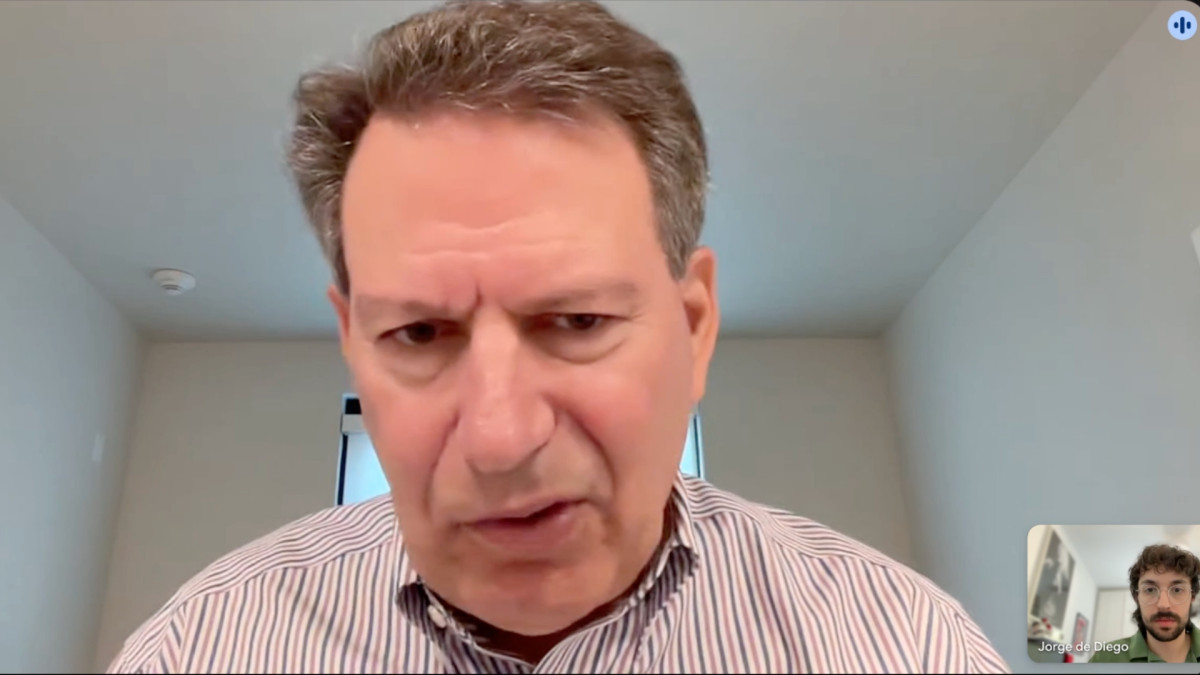
Professor Kaplan speaks with Agenda Pública reporter Jorge de Diego Hurtado. Photo: Agenda Pública.
As you might have guessed, my first question is about Morocco and Spain, and what has happened in Ceuta. From a realist perspective on foreign policy, how should Spain deal with a neighbour whose cooperation it needs, but which can also exert pressure?
Ultimately, this is a question of history and geography. There is not much Spain can do beyond managing the problem. We live in a world in which hundreds of millions of poor people want to move to places where there are jobs and at least some opportunities.
Historically, refugees always find a way. You can stop them here or there, but you are always going to see migration. Migration is the story of history; it is the story of humanity. Governments can do things, but ultimately it is about managing the problem.
And how should Spain manage it?
The government wants to be humane, but it is under political pressure that prevents it from being humane. That is the real dilemma of the Spanish government. It wants to be sympathetic to migration and refugees, but it does not want refugees in the country.
So it is caught in a historical bind. Again, it is a matter of managing the problem. There will be no easy solution because Ceuta is there, Morocco is there; it is right on Spain's border.
In this mix of actors, what role should the European Union play?
The European Union is an elitist institution. It was founded by elites with an elitist vision of a union: a common currency, common politics and common points of view.
The problem is that it is an elite vision. It does not appeal to what common people are worried about. To me, the really big issue in Europe is migration.
"The government wants to be humane, but it is under political pressure that prevents it from being humane"The elites in Brussels see people from all over the world who are sophisticated, multilingual, handsome and truly capable, but these are not the migrants that people in the countryside and outside Brussels see in their world. What is National Rally in France? It is an anti-migration party. What is the AfD in Germany, really? Is it a Nazi party? Not really. It is an anti-migration party. If there were no migration, no refugees, the AfD would lose influence very, very quickly.
So this is the big issue of our times. Migration affects common people and what they see in their lives, but it does not affect the elites in the same way. The elites are therefore not as emotionally concerned with managing it.
If Russia continues to put pressure on NATO's eastern flank, what does geography tell us? How should European leaders deal with Russia?
Russian aggression in Ukraine and elsewhere in Eastern Europe also comes down to geography. Who is most threatened by Russia besides Ukraine itself? Countries in the eastern part of Europe bordering Russia or close to it: Poland, the Baltic states, Bulgaria, Romania, etc.
When you make the argument to them about raising defence budgets or building more tanks, they understand it. They get it, and they are doing that.
When you make the same argument in Spain and Portugal, it is weaker because they are at the other end of Europe. Spain is not threatened by Russian tanks; it is threatened by refugees.
So Spain, though it will not say this, does not want to raise its defence budget because it does not feel threatened. It is worried about Ceuta. It is not worried about Ukraine. That is what really moves Spanish politics. It is all geographically driven.
Let's talk about the US. Under Trump, the country is weakening its role in protecting Europe. Which countries will be geographically forced to take the lead in European security? Who, if anyone, should step up?
Look, 80 years is a long time in history. For 80 years, the US supported and enthusiastically led NATO. That is a long time. It is longer than many Roman dynasties. If you really look at things historically, nothing goes on forever.
Eighty years ago, Europe was bombed out. It was broke. It was weak. The United States controlled 50% of the world's manufacturing capacity and was therefore in a position to lead and protect Europe. Eighty years later, the US has only about a quarter of that manufacturing capacity. Europe is wealthy by comparison. It is a different world.
"For 80 years, the US supported and enthusiastically led NATO. That is a long time. It is longer than many Roman dynasties"In 2011, the US secretary of defence, Robert Gates, who served under Barack Obama, toured Europe warning Europeans that they needed to raise their defence budgets dramatically and immediately. Otherwise, there would come an American president who would not be sympathetic to Europe, and the American people would not be sympathetic either. He warned Europeans in no uncertain terms.
The Europeans did nothing because they felt the Americans had no choice but to defend Europe. So why should they ask their taxpayers to raise defence budgets? It turns out America did have a choice. It does have a choice. Nothing goes on forever.
That is the crisis we have now. Trump is Trump; we can criticise him all day long. But this crisis could easily have been alleviated by Europe going back decades.
ARTÍCULOS RELACIONADOS
El profesor Robert Kaplan en una visita a España.Jorge Gil / Europa Press
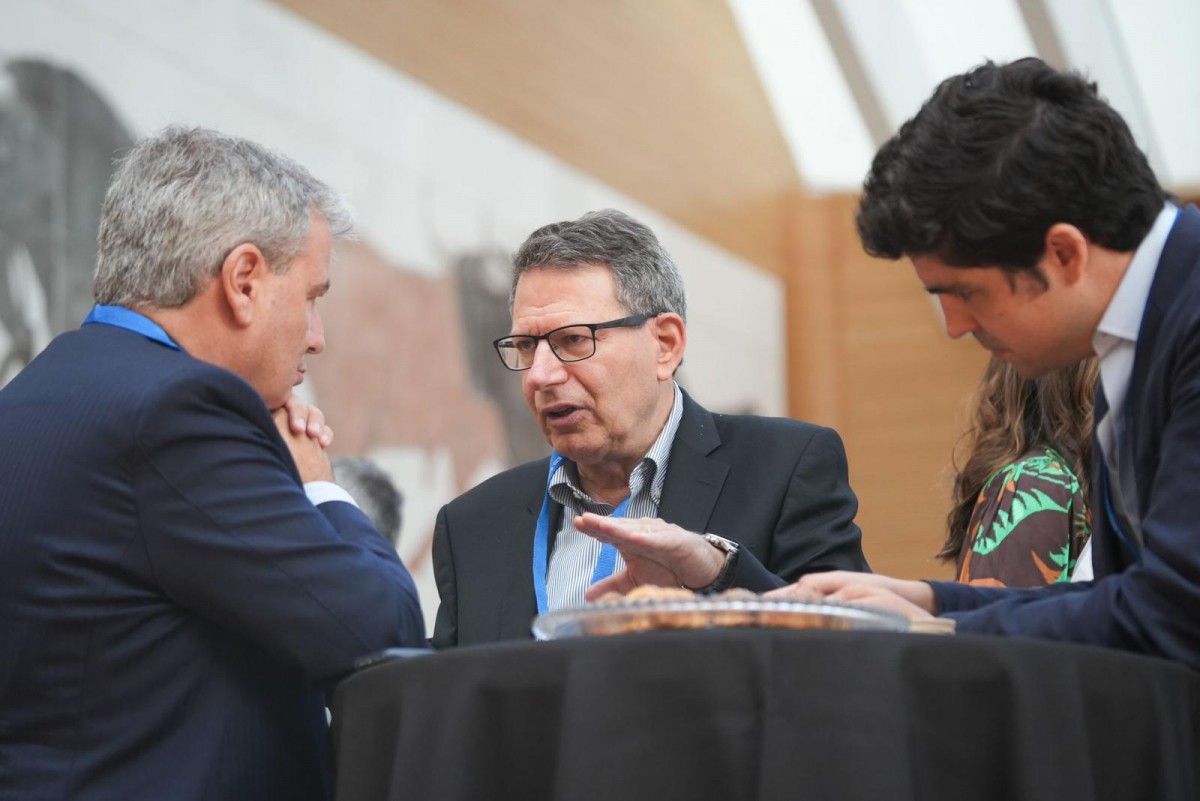
Robert D. Kaplan conversando con Jordi Xuclà y nuestro consejero, Rodrigo Pinedo.Agenda Pública
Trump is a real-estate guy. He knows maps. He understands maps.
He says, "Greenland, that should be ours." That is how he thinks. He is very simplistic, crude and bombastic.
America's historic relationship with Europe he does not understand because he does not read books. So he knows nothing about what happened in World War II or 80 years ago.
He looks at Venezuela and says, "That should be ours", or more or less, "We should have a lot of influence there." He believes geographically in a greater North America controlled by the United States and including Greenland, Canada, Venezuela and Mexico.
He wants the Gulf of Mexico renamed the Gulf of America. That is how he thinks. If something is spatial and visual, he understands it. If it is historical, he has no interest in or understanding of it.
From that point of view, what is your reading of what has happened, and is happening, in Iran?
Complete lack of policy discipline. At some point, the regime in Iran will change, but probably not soon enough to give Trump a victory. We are talking a few years down the road.
The regime is unpopular and the economic situation inside Iran is disastrous. This cannot go on forever. But it is never smart to bet on regime collapse. Regimes are resilient; they can hang on to power for longer than you can imagine. Look at North Korea.
"Regimes are resilient; they can hang on to power for longer than you can imagine"After the Cold War ended, people thought North Korea would be next and would collapse. People thought Cuba would be next. That was 1989, 36 years ago. Those regimes still exist.
It would be a great thing if the regime in Iran weakened, but I do not think it is smart to bet on that at this point. Trump should not have initiated this second war against Iran.
Let's turn to China. In November, you are publishing China Whisperers: The Voices That Have Helped Shape America's Views of Its Chief Geopolitical Rival. What is the perspective on China in the US today?
China is potentially, by far, the most important foreign-policy issue in the United States. We have seen wars in the Middle East and Ukraine, but they do not really affect the pocketbook of the average American.
It has been impressive how financial markets have successfully priced in and adapted to the wars in Gaza, Iran, Ukraine, etc. But that would not be the case if there were a military conflict between the United States and China. Then you would see stock markets collapse, all sorts of mayhem and retirement accounts collapse.
So China is by far the most important foreign-policy issue. The Trump administration's policy has been erratic and uncoordinated.
"China is by far the most important foreign-policy issue in the United States"The president, out of the blue and without even thinking, praises the North Korean dictator. He is not sure whether he is going to sell weapons to Taiwan or not. This is the kind of erratic policy that leads to miscalculations and mistakes, and inevitably also to conflict.
And I know we are not in the same position, but how do you see Europe's relationship with China?
I think that, as bad as the Trump administration is, China is not Europe's ally. China is a totalitarian Leninist state that steals technology and is very, very dangerous. Europe is in a difficult position because it wants to get rich off China, but it cannot be an ally of China at the same time.
So however frustrated Europe, and Canada especially, become with President Trump, that should not lead them into the arms of China.
What is the alternative, then, for Europe and Canada?
There is no alternative. It is a tough world where there are no easy solutions. One of the laws of foreign-policy realism is that there is not an answer to every problem.
Europe did well when the United States had moderate, rational presidents and US-Chinese relations were correct. They may not have been friendly, but they were correct. That was an easy world for Europe to navigate.
That world does not exist anymore for the time being. At least until the next president. We will have to see.
Thank you very much.
En alianza con
.png)
Jorge de Diego Hurtado
Redactor en 'Agenda Pública'
Politólogo y analista electoral. Cuenta con experiencia en consultoría en Bruselas y actualmente es redactor en 'Agenda Pública'. También es cofundador de 'El Tablero Político'.

Agenda Pública Corp
Análisis de políticas públicas
'Agenda Publica' impulsa alianzas con organizaciones, empresas y sociedad civil para generar contenidos de interés para nuestros lectores. Las piezas se elaboran por nuestro equipo de forma autónoma.
Ahora en portada
23 de octubre de 2026
Noticias relacionadas
Hace 5 semanas
Kaplan: "España no puede hacer mucho más que gestionar el problema. Lo de Ceuta es una cuestión de historia y geografía"
Hace 121 semanas