Viernes, 16 de octubre de 2026




AGENDA PÚBLICA EU
For a serious alternative to the left-wing downfall
The PP MEP Adrián Vázquez Lázara believes that "the European left, instead of adapting and building solutions, has been trapped in protest and puritanism, without a roadmap for the day after stopping the extreme right". Against this, he calls for a centre-right that is committed to Europe, to "social cohesion", to the rule of law and to a "market economy that values effort and rewards growth".
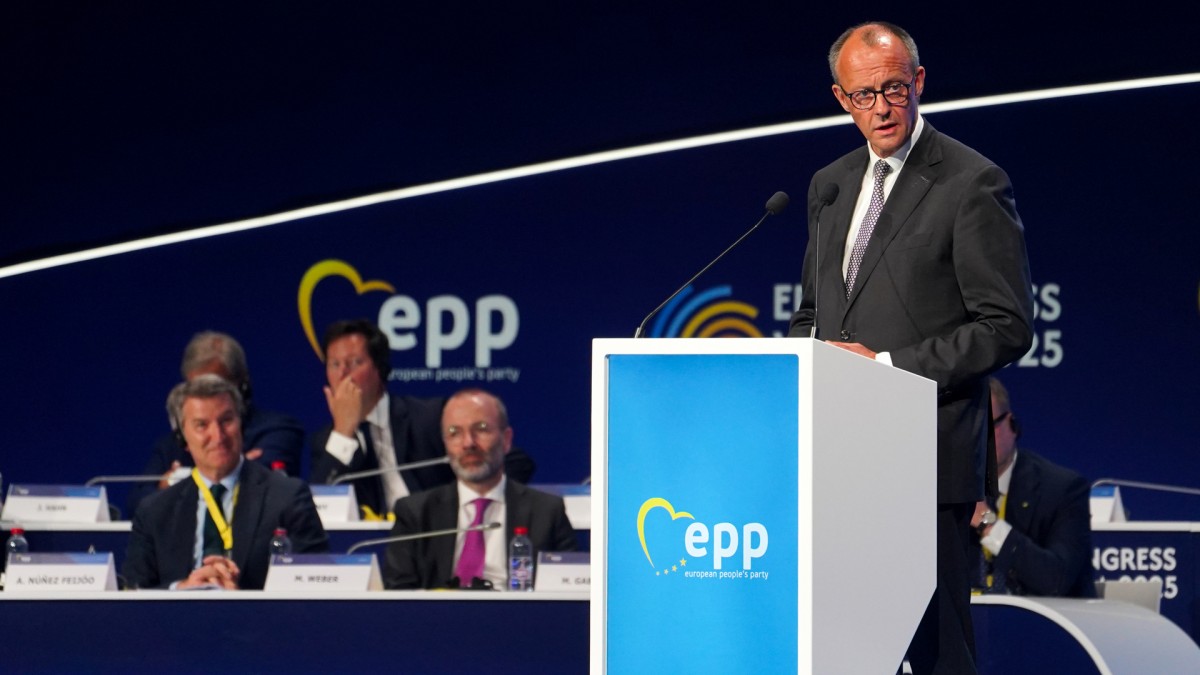
Friedrich Merz, shortly before being elected Chancellor of Germany, at the European People's Party Congress in Valencia.Eduardo Manzana / Europa Press / ContactoPhoto
The latest elections in Portugal have delivered electoral victory for Luís Montenegro, leader of the Portuguese centre-right. Yet, they also reflect something far more profound: a structural crisis engulfing the left across Europe. Less than four years ago, the Portuguese socialists governed with an absolute majority; today, having plummeted from 41% to 23% support, they have been relegated to third place in the Portuguese parliament. Such is the scale of the collapse that even in the country's major cities —Lisbon and Porto—, where left-wing politics supposedly remain strong, the Socialist Party has shed nine and eight seats respectively. This has resulted in them being overtaken in number of MPs by the far right.
Portugal is no anomaly: it confirms a broader trend. In Germany, the SPD has lost the government after a term of office marked by paralysis and disconnection with its base, leaving it no choice but, as in Merkel's time, to shore up the triumph of those who once represented their deepest opposition: the Christian Democrats of the CDU. In Germany and Portugal, as we've witnessed in France, opposition now comes from the far right, that has successfully weaponised popular disillusionment with the downsides of globalisation and the digital revolution, despite their undeniable benefits.
This left-wing decline isn't unique to these three countries. Today, just three EU member states are led by socialist parties: Spain, Malta and Denmark —the latter pursuing a notably tough agenda on immigration, security and economic realism that breaks sharply with progressive orthodoxy. Even beyond Europe, the American left is still reeling from electoral defeat at the hands of Donald Trump, who despite upending everything appears to face no meaningful opposition from a Democratic Party that finds itself in a deep existential crisis.
As Bevins observed, a social movement must achieve more than bringing a country to a standstill for a few days. It needs to know how to respond as social tensions shift, as opportunities emerge and disappear, as circumstances evolve. Rather than adapting and building solutions, the European left has become mired in protest and puritanism —flirting dangerously with censorship— without any roadmap for what comes after "stopping the far right".
The inevitable result is that the vacuum left by this exhausting sermon doesn't remain empty: it gets filled by forces promising decisive, direct action —even when such solutions are simplistic and flimsy. Extremist voting thrives on this diet of disenchantment, institutional fragmentation and the sense of abandonment felt by communities right across the continent.
When twentieth-century solutions prove inadequate for twenty-first-century problems, indignation alone won't suffice. What's needed is competent governance, clear vision and political courage. Protest votes don't build bridges: they blow them up. In such an interconnected Europe, shattering basic consensus is playing with fire. This only heightens the risks to our democracies. The answer cannot be anti-establishment rage, but a new transformative majority —robust, modern and pragmatic. Politics that combines technical competence, democratic leadership and genuine ambition for the future. The kind of politics that has just triumphed in Germany and Portugal.
Confronting challenges like demographic ageing, technological revolution, migration pressures, rising insecurity, global competition and war on our doorstep, the European centre-right must forge a political, cultural and moral alternative. A new transformative majority grounded in responsibility, exemplary conduct and tangible results. Institutional integrity and democratic principles offer the strongest defence against populism and external threats.
It's time to listen to what genuinely concerns citizens and respond with effective policies that both protect and propel us forward. Citizens must feel that policies spring from their needs and serve their interests —in other words, that democracy isn't some outdated concept but more vibrant and robust than ever.
The future demands unity, innovation, and courage. History has already shown us what happens when Europe fragments, turns inward or capitulates to extremes. The European Union wasn't born to divide, but to unite. That mission remains as vital as ever. Our opportunity lies not in managing decline, but in rekindling European ambition. An ambition that restores citizens' confidence and projects leadership globally, rebuilding from hope rather than fear. Leadership isn't inherited: it's forged. And Europe desperately needs to start forging it again.
Portugal is no anomaly: it confirms a broader trend. In Germany, the SPD has lost the government after a term of office marked by paralysis and disconnection with its base, leaving it no choice but, as in Merkel's time, to shore up the triumph of those who once represented their deepest opposition: the Christian Democrats of the CDU. In Germany and Portugal, as we've witnessed in France, opposition now comes from the far right, that has successfully weaponised popular disillusionment with the downsides of globalisation and the digital revolution, despite their undeniable benefits.
This left-wing decline isn't unique to these three countries. Today, just three EU member states are led by socialist parties: Spain, Malta and Denmark —the latter pursuing a notably tough agenda on immigration, security and economic realism that breaks sharply with progressive orthodoxy. Even beyond Europe, the American left is still reeling from electoral defeat at the hands of Donald Trump, who despite upending everything appears to face no meaningful opposition from a Democratic Party that finds itself in a deep existential crisis.
"The progressive movement has lost its ability to solve real social problems, whilst tribal politics —so effective at generating clicks— proves utterly useless for governing complex, rapidly changing societies"This phenomenon clearly goes beyond mere electoral misfortune. We're witnessing a structural crisis of leadership, narrative and, crucially, political purpose. Those who once enjoyed near-monopoly representation of working and popular classes, whilst making inroads into urban middle-class voters, now find themselves trapped in the cul-de-sac of woke politics. Traditional progressivism has stopped offering certainty to these voter groups. Meanwhile, the new left, born from elitist protest movements, has failed to build anything substantial beyond "narrative". What began as a transformative project has devolved into performative outrage. The progressive space has been stripped of any capacity to tackle social problems, whilst divisive politics —however effective at generating online engagement— proves sterile when it comes to governing complex, fast-changing societies.
As Bevins observed, a social movement must achieve more than bringing a country to a standstill for a few days. It needs to know how to respond as social tensions shift, as opportunities emerge and disappear, as circumstances evolve. Rather than adapting and building solutions, the European left has become mired in protest and puritanism —flirting dangerously with censorship— without any roadmap for what comes after "stopping the far right".
History waits for no one: vacant space gets occupied
History is unforgiving. Adapt or perish. And the European left —indeed, the global left— stopped adapting long ago. What once proudly flew the flag of social welfare has degenerated into hollow, ineffective rhetoric when faced with real challenges. Growth is harmful, competition is passé, defence leads to conflict, and your way of life has no place in today's society —and even less in tomorrow's; so the left appears to lecture a Europe struggling to pay the rent.The inevitable result is that the vacuum left by this exhausting sermon doesn't remain empty: it gets filled by forces promising decisive, direct action —even when such solutions are simplistic and flimsy. Extremist voting thrives on this diet of disenchantment, institutional fragmentation and the sense of abandonment felt by communities right across the continent.
When twentieth-century solutions prove inadequate for twenty-first-century problems, indignation alone won't suffice. What's needed is competent governance, clear vision and political courage. Protest votes don't build bridges: they blow them up. In such an interconnected Europe, shattering basic consensus is playing with fire. This only heightens the risks to our democracies. The answer cannot be anti-establishment rage, but a new transformative majority —robust, modern and pragmatic. Politics that combines technical competence, democratic leadership and genuine ambition for the future. The kind of politics that has just triumphed in Germany and Portugal.
Responsibility and historical perspective
Europe must rediscover its political centre of gravity. Not as some bureaucratic balancing act, but as a genuine shared vision. Actually putting institutions at the service of citizens —not as empty rhetoric, but as a concrete roadmap towards better lives that people can see and feel in their daily experience. Citizens must feel that social cohesion is being defended, the rule of law respected, and a market economy promoted that rewards effort and encourages growth.Confronting challenges like demographic ageing, technological revolution, migration pressures, rising insecurity, global competition and war on our doorstep, the European centre-right must forge a political, cultural and moral alternative. A new transformative majority grounded in responsibility, exemplary conduct and tangible results. Institutional integrity and democratic principles offer the strongest defence against populism and external threats.
A civilisational challenge
In this context, the European Union's role has never been more crucial. Despite Donald Trump's claims, the EU wasn't founded to "screw" America over or profit at its expense, but to advance together and show the world we've learned from the horrors of global conflict. European integration remains our best defence against polarisation, exclusionary nationalism and inward-looking identity politics. It's also our best tool for ensuring that, in Juncker's memorable phrase, all EU member states —"the small ones and those who don't realise they're small"— can reclaim their place in global leadership.It's time to listen to what genuinely concerns citizens and respond with effective policies that both protect and propel us forward. Citizens must feel that policies spring from their needs and serve their interests —in other words, that democracy isn't some outdated concept but more vibrant and robust than ever.
The future demands unity, innovation, and courage. History has already shown us what happens when Europe fragments, turns inward or capitulates to extremes. The European Union wasn't born to divide, but to unite. That mission remains as vital as ever. Our opportunity lies not in managing decline, but in rekindling European ambition. An ambition that restores citizens' confidence and projects leadership globally, rebuilding from hope rather than fear. Leadership isn't inherited: it's forged. And Europe desperately needs to start forging it again.
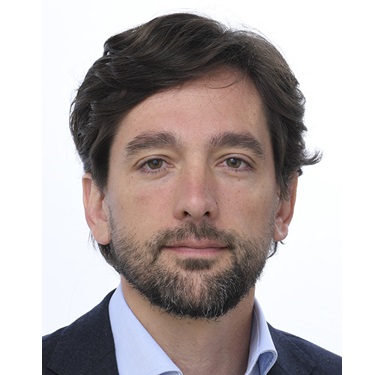
Adrián Vázquez Lázara
Eurodiputado del PP
Es vicepresidente de la Comisión de Asuntos Constitucionales del Parlamento Europeo. También es miembro de la Delegación de Relaciones con Estados Unidos y expresidente de la Comisión de Asuntos Jurídicos. Graduado en Relaciones Internacionales por la Lindenwood University y profesor asociado en ESADE.
Etiquetas
Agenda Pública UE, Agenda Pública in English, PP, Merz, portugal, Alemania, derecha, Europa, UE Ahora en portada
16 de octubre de 2026
16 de octubre de 2026
16 de octubre de 2026
Lo más leído