Sábado, 26 de septiembre de 2026



Temas del momento:
Venezuela Demografía Crisis en Ceuta Hacia 2027 "Ley de nietos" Redes sociales y menores Diane Coyle
The Unhealed Wounds of Colonisation: A French look at West Africa
AFP
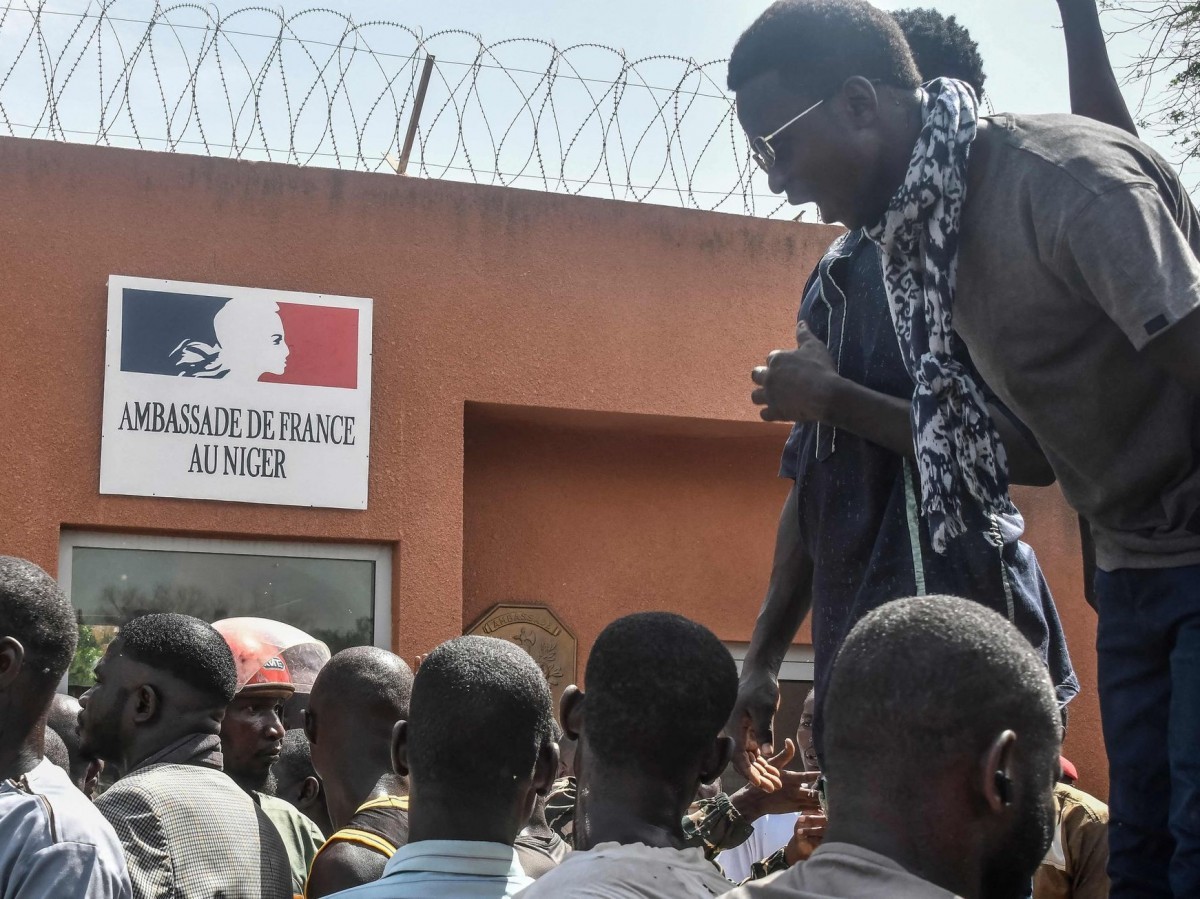
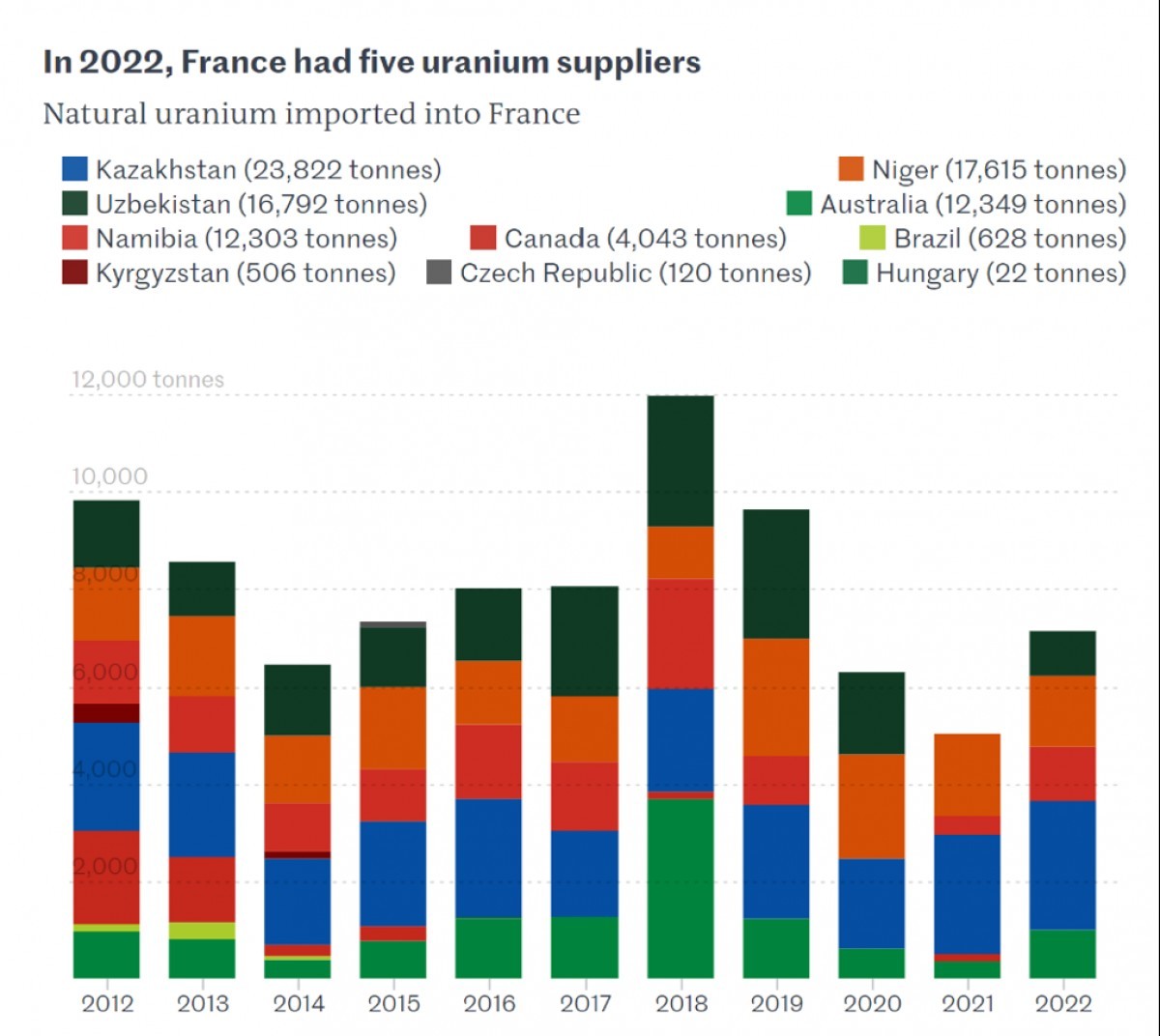
The coups d’état in Gabon and Niger have highlighted the changing trends in the complex system of relations between France and West Africa, an area that has historically been one of its principal spheres of influence. In the case of Gabon, the coup has put an end to the rule of the Bongo family, historically close to France’s interests, although it is still too early to draw conclusions. On the other hand, the revolts in Niger could lead to a total destabilisation of the area with an armed clash between neighbouring countries. The overthrow of Mazoum goes beyond a quantitative effect on indicators such as GDP per capita or its Index of Industrial Production, among others. Niger is a major supplier of uranium to France, the exploitation of which is almost exclusively in the hands of the French government-owned company Orano. In total, it is estimated that nearly 20% of the uranium used for nuclear energy production in L’Hexagone comes from Niger, which could jeopardise the viability of its nuclear industry in the short term, although it is true that in recent years it has made great efforts to diversify its network of commercial partners so as not to be so exposed in the event of external shocks.
But how did it come to this point, and why is there such anti-French sentiment in the region? While the purpose of this article is not to establish a causal relationship between colonisation and the current coups d’état, the data can help us identify a series of milestones that can help us understand some of the problems that have historically affected this region. The colonising processes of the 19th and 20th centuries start from a relationship of hierarchy: a metropolis that invests, extracts resources, and supervises through institutions created to serve its interests. On the other hand, the colonies assume their role as providers of cheap labour and unlimited raw materials. To be fair, France was not the exception, but the norm – the UK, the Netherlands, Portugal, or Spain followed similar dynamics in their African and Asian territories. Most French investments at the beginning of colonisation, whether public or private, were aimed at exploiting economic resources in the places of origin. It was not until after the Second World War that France began to invest significantly in areas such as education and public health. As Élise Huillery points out, in 1910 there was one teacher for every 42,500 people, while the ratio evolved to around one teacher for every 6,244 people in 1956. In 1907, there were 247 doctors in the whole of French West Africa, while in 1956 there were 6,104. These numbers are extremely low even though they have increased in absolute terms, especially considering the great efforts devoted to the conquest and maintenance of the colonial territories.
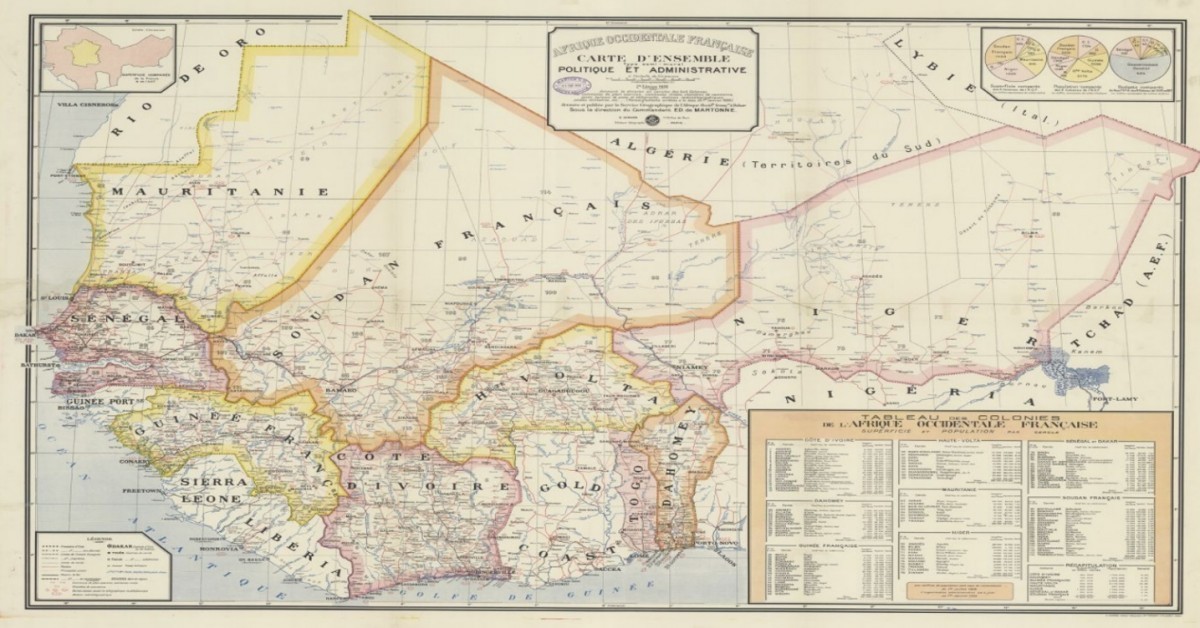
Figure 1.- Countries Supplying Uranium to France in 2022
Source: Le Monde
The various coups that have taken place in the region in recent years are evidence of a clear change in trend: France’s loss of importance in Françafrique, whose ties with the old metropolis transcend the cultural sphere and have in many respects perpetuated political, institutional, and economic relations based on inequality. Certainly, one could argue that these blows should not have major implications in terms of trade, for example, and one would not be wrong (France has ample capacity to seek alternative partners). However, capricious geopolitics leads to more complex scenarios. Let us see:
The various coups that have taken place in the region in recent years are evidence of a clear change in trend: France’s loss of importance in Françafrique, whose ties with the old metropolis transcend the cultural sphere and have in many respects perpetuated political, institutional, and economic relations based on inequality. Certainly, one could argue that these blows should not have major implications in terms of trade, for example, and one would not be wrong (France has ample capacity to seek alternative partners). However, capricious geopolitics leads to more complex scenarios. Let us see:
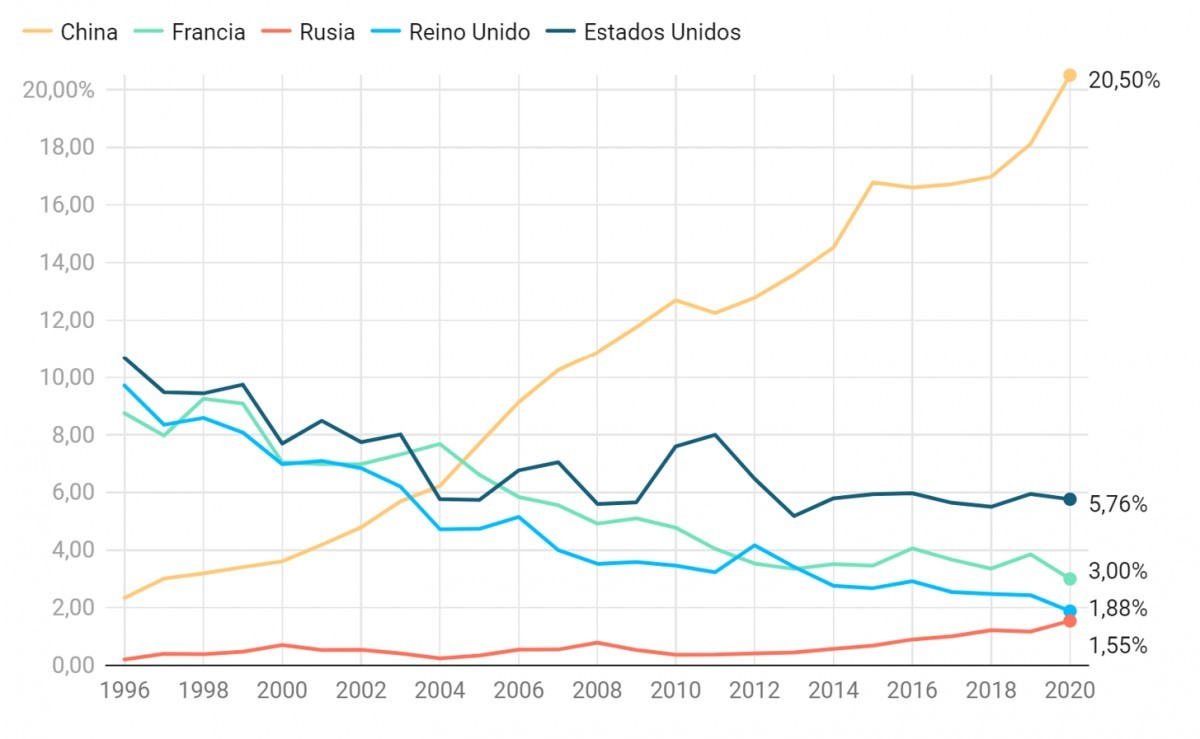
Figure 2.- Sub-Saharan Africa's Share of Foreign Trade (1996-2020)
Source: Le Grand Continent
On the one hand, as can be seen in the previous graph, there is a clear decrease in the relative importance of the former colonial powers (France and the United Kingdom) in terms of trade in Sub-Saharan Africa, which is also the case with the United States. This would not be worrying if it did not coincide in time with an almost exponential growth of China’s presence in this territory, together with an increase in these African countries’ relations with Russia in security matters, a field in which France played a key role in the specific case of the countries that were formerly part of Afrique Occidentale Française (l’AOF). Nations such as Mali and Burkina-Faso, which have abruptly severed their ties with France – even to the point of expelling its troops and diplomatic personnel – have forged closer commercial and political ties with China, which has been acting intelligently and pragmatically in the region. And the results are clear to see, as the graph shows, signing mutually beneficial trade agreements, reducing tariffs, exporting Chinese manufactures at affordable prices, and creating a series of industrial synergies that guarantee China’s relevance in the region for the coming decades.
On the one hand, as can be seen in the previous graph, there is a clear decrease in the relative importance of the former colonial powers (France and the United Kingdom) in terms of trade in Sub-Saharan Africa, which is also the case with the United States. This would not be worrying if it did not coincide in time with an almost exponential growth of China’s presence in this territory, together with an increase in these African countries’ relations with Russia in security matters, a field in which France played a key role in the specific case of the countries that were formerly part of Afrique Occidentale Française (l’AOF). Nations such as Mali and Burkina-Faso, which have abruptly severed their ties with France – even to the point of expelling its troops and diplomatic personnel – have forged closer commercial and political ties with China, which has been acting intelligently and pragmatically in the region. And the results are clear to see, as the graph shows, signing mutually beneficial trade agreements, reducing tariffs, exporting Chinese manufactures at affordable prices, and creating a series of industrial synergies that guarantee China’s relevance in the region for the coming decades.
[Recibe los análisis de más actualidad en tu correo electrónico o en tu teléfono a través de nuestro canal de Telegram]
However, it is important not to mislead ourselves. This is not the time of decolonisation, and there are no powers that, more or less altruistically, provide economic and institutional support for development without getting anything in return. The coup in Niger, therefore, is not a change of system as in Thomas Sankara’s time, but one more move in a scenario that is a powder keg, and in which a multitude of interests are at stake for a small group of nations. Among these, of course, France is clearly the first to lose out. In Mali, Burkina Faso, and Niger, the coups have been clearly anti-French. In Niger, for example, there have been demonstrations supporting the uprising and calling for the departure of French multinationals and officials. All this against a backdrop of large-scale tension, in which some CEDEAO/ECOWAS member countries are in favour of military intervention to restore President Mazoum.But how did it come to this point, and why is there such anti-French sentiment in the region? While the purpose of this article is not to establish a causal relationship between colonisation and the current coups d’état, the data can help us identify a series of milestones that can help us understand some of the problems that have historically affected this region. The colonising processes of the 19th and 20th centuries start from a relationship of hierarchy: a metropolis that invests, extracts resources, and supervises through institutions created to serve its interests. On the other hand, the colonies assume their role as providers of cheap labour and unlimited raw materials. To be fair, France was not the exception, but the norm – the UK, the Netherlands, Portugal, or Spain followed similar dynamics in their African and Asian territories. Most French investments at the beginning of colonisation, whether public or private, were aimed at exploiting economic resources in the places of origin. It was not until after the Second World War that France began to invest significantly in areas such as education and public health. As Élise Huillery points out, in 1910 there was one teacher for every 42,500 people, while the ratio evolved to around one teacher for every 6,244 people in 1956. In 1907, there were 247 doctors in the whole of French West Africa, while in 1956 there were 6,104. These numbers are extremely low even though they have increased in absolute terms, especially considering the great efforts devoted to the conquest and maintenance of the colonial territories.
Figure 3.- Former Territories of French West Africa
In the heat of the anti-colonial movement of the 1960s and 1970s, African nations gradually gained their independence. In the case of the AOF, unlike the Spanish, Dutch, or Portuguese colonies, France developed intensive diplomatic campaigns with the aim of establishing special cooperation between the former metropolis and the new states. One of the objectives was, of course, the maintenance of France as the most important interlocutor in political and commercial terms, as well as the establishment of a sphere of influence of its own that would ensure its role as the dominant power in the world. The creation of a single currency, the CFA franc, whose value was pegged to the French currency and later to the Euro, was promoted. While, according to its advocates, this measure has helped to prevent runaway inflationary cycles, it has also entailed giving up monetary sovereignty and hindered growth in the region. Moreover, French companies have enjoyed an advantageous position in exploiting the productive resources of former colonies, while a large part of the costs of building and maintaining the infrastructure for such exploitation have fallen on the governments of those nations rather than on France, as was the case in the days when it was the metropolis.
We are therefore faced with an unequal relationship that has fostered a sense of humiliation and abuse among the people of these nations and has served as a breeding ground for the current situation. At this juncture, people are no longer looking for a change in the production model as they did during the period when the Soviet Union was fanning the flames of decolonisation. Rather, they now yearn for a change in state-to-state relations that respects the sovereignty and integrity of each nation. France has the opportunity to do the right thing and realise that its role in the region has changed (or should change) from that of a watchdog to one of equals: a liaison that promotes friendly relations between peoples who once stood under the same flag and who share the same, sometimes tragic, history, but who have a future full of possibilities if we avoid ultimately escalating a conflict that will be paid for by those who always do, the disinherited of the earth.
We are therefore faced with an unequal relationship that has fostered a sense of humiliation and abuse among the people of these nations and has served as a breeding ground for the current situation. At this juncture, people are no longer looking for a change in the production model as they did during the period when the Soviet Union was fanning the flames of decolonisation. Rather, they now yearn for a change in state-to-state relations that respects the sovereignty and integrity of each nation. France has the opportunity to do the right thing and realise that its role in the region has changed (or should change) from that of a watchdog to one of equals: a liaison that promotes friendly relations between peoples who once stood under the same flag and who share the same, sometimes tragic, history, but who have a future full of possibilities if we avoid ultimately escalating a conflict that will be paid for by those who always do, the disinherited of the earth.
Se puede leer el artículo original en español
ARTÍCULOS RELACIONADOS

.jpg)


Miguel Ángel Ortiz-Serrano
Profesor de Historia de la Empresa en CUNEF Universidad.
Es doctor en Historia Económica por la Universidad Carlos III de Madrid y fue profesor de Economía en la Universidad de Sussex (Reino Unido). Ha desarrollado el grueso de su actividad investigadora en Sciences Po Paris, donde se ha especializado en el estudio de los mercados financieros en Francia y Europa a finales del siglo XIX.
Etiquetas
Democracia, Francia, áfrica, política, Reino Unido, Estados Unidos, China, empresa, comercio internacional Ahora en portada
26 de septiembre de 2026
25 de septiembre de 2026
25 de septiembre de 2026
Noticias relacionadas
Hace 186 semanas
Africa: Continent of opportunity?
Hace 179 semanas
The Contradictions of the African Transition and Opportunities for a New Energy Order
Lo más leído