
Lunes, 28 de septiembre de 2026



Jeremy Cliffe en Twitter @JeremyCliffe

Editorial director and senior policy fellow at the European Council on Foreign Relations
He is based in Berlin. Previously he was international editor of the 'New Statesman'. Before that he spent eight years at The Economist, where he served as bureau chief in Brussels and Berlin, and was first the 'Bagehot' (UK) and then 'Charlemagne' (Europe) columnist. He studied at the universities of Oxford and Harvard.
01/01/2026
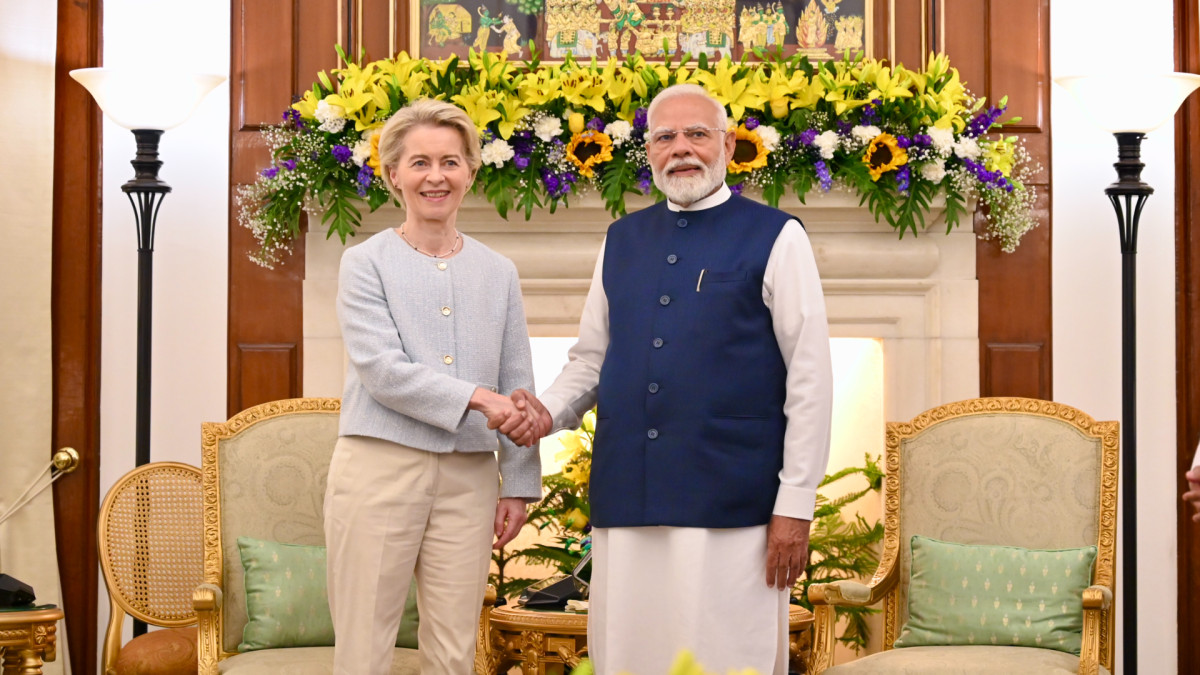
European Commission President Ursula von der Leyen with Indian Prime Minister Narendra Modi during her official visit to the country in February 2025.European Commission Audiovisual Service
For Jeremy Cliffe, editorial director of the European Council on Foreign Relations (ECFR), 2026 looks set to be "much more than an in-between year" could be "the boundary between the early-21st century and mid-21st century Europe." In a year marked by the radical right's agenda, debates on European economic architecture and the EU's role in the world—and in which Spain celebrates 40 years since joining the European Union—2026 looks set to be much more than a time of transition.
01/01/2026
La presidenta de la Comisión Europea, Ursula von der Leyen, junto al primer ministro indio Narendra Modi en su visita oficial al país en febrero de 2025.Servicio audiovisual de la Comisión Europea
Para Jeremy Cliffe, director editorial del Consejo Europeo de Relaciones Exteriores (ECFR), el 2026 puede ser "la frontera entre la Europa de comienzos del siglo XXI y la de mediados de siglo". En un año marcado por la agenda de la derecha radical, los debates sobre la arquitectura económica europea y el papel de la UE en el mundo —y en el que España cumple cuarenta años de su ingreso en la Unión Europea—, 2026 apunta a ser "mucho más que un tiempo de transición".
15/12/2025
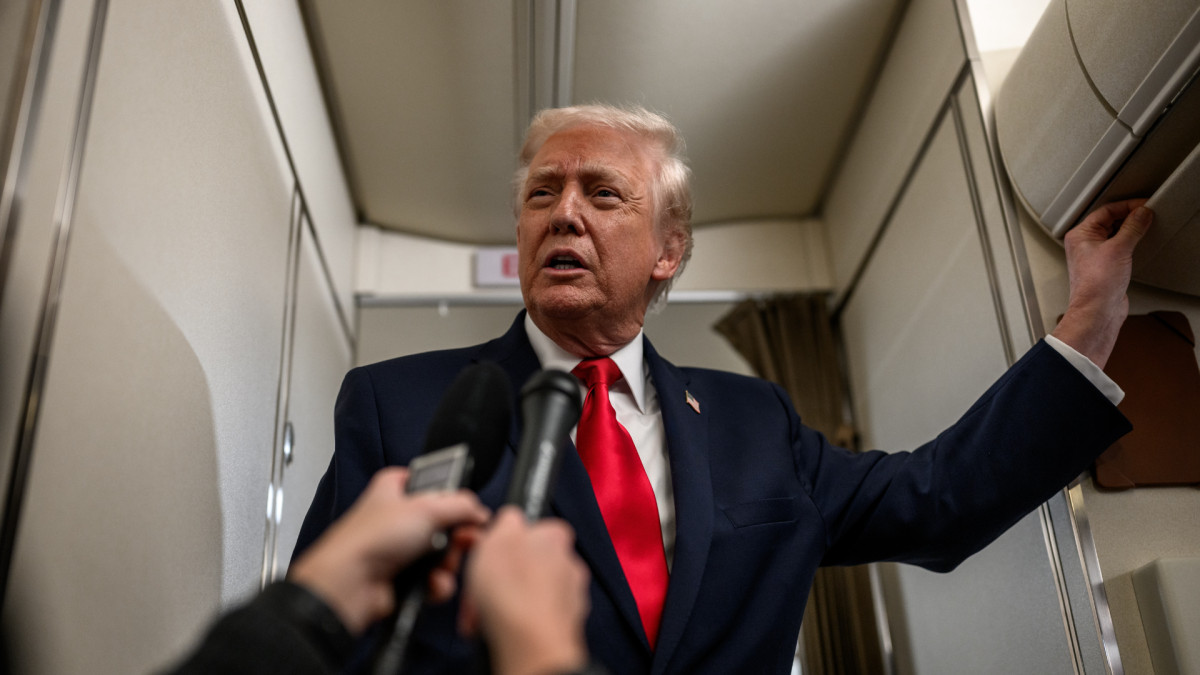
El presidente estadounidense, Donald Trump, a bordo del Air Force One.Casa Blanca / Molly Riley
Europa vuelve a reaccionar con desconcierto ante Donald Trump. En este artículo, Jeremy Cliffe, director editorial del Consejo Europeo de Relaciones Exteriores (ECFR), sostiene que el problema no es la agresividad de Washington, sino las ilusiones europeas. "La sorpresa ante la Estrategia de Seguridad Nacional dice más de Europa que de Estados Unidos", afirma. La respuesta pasa por abandonar la ingenuidad y aprender a imponer costes creíbles.
15/12/2025
U.S. President Donald Trump aboard Air Force One.The White House / Molly Riley
For Jeremy Cliffe, editorial director at the ECFR think tank, the administration’s National Security Strategy confirms that both Europe and Washington misunderstand their relationship. In his analysis, he argues that a "return to hard facts" is the only possible response for a Europe looking out for its own well-being.
02/01/2025
.jpg)
Cliffe aboga por una solución que llama el E5+1.Agenda Pública / Wikimedia Commons
Europa comienza el 2025 con una pregunta vital que responder: ¿quién liderará el continente ante una segunda era Trump? Jeremy Cliffe, director editorial del European Council on Foreign Relations, sostiene que la solución debe venir del E5+1, una coalición de Alemania, Francia, Polonia, Italia y España, con el apoyo externo de Reino Unido en temas clave como la seguridad.
02/01/2025
Cliffe aboga por una solución que llama el E5+1.Agenda Pública / Wikimedia Commons
Europe enters 2025 with a vital question to answer: who will lead the continent in the face of a second Trump era? Jeremy Cliffe, Editorial Director of the European Council on Foreign Relations, argues the solution must come from the E5+1, a coalition of Germany, France, Poland, Italy and Spain, with external support from the UK on key issues such as security.
27/01/2023
ENRIQUE FLORES
23/01/2023
20/09/2022

Yoan Valat
Página 2 de 3
Ahora en portada
28 de septiembre de 2026
28 de septiembre de 2026
28 de septiembre de 2026