Viernes, 16 de octubre de 2026




AGENDA PÚBLICA EU
Hana Jalloul: "Spain has demonstrated its international leadership in Palestine"
Agenda Pública will address the challenges facing Spain and the European Union on a monthly basis in Brussels. Today, we are joined by Social Democrat MEP Hana Jalloul, who is Vice-President of the Socialist International and also the European Parliament's rapporteur for Saudi Arabia. In this conversation with Agenda Pública, Hana Jalloul takes an in-depth look at the European Union's relationship with Arab countries and defends Spain's role: "Being the only European leader invited to the Arab League Summit and making a proposal with the Palestinians to take the blockade of Gaza to the United Nations: that is leadership.*
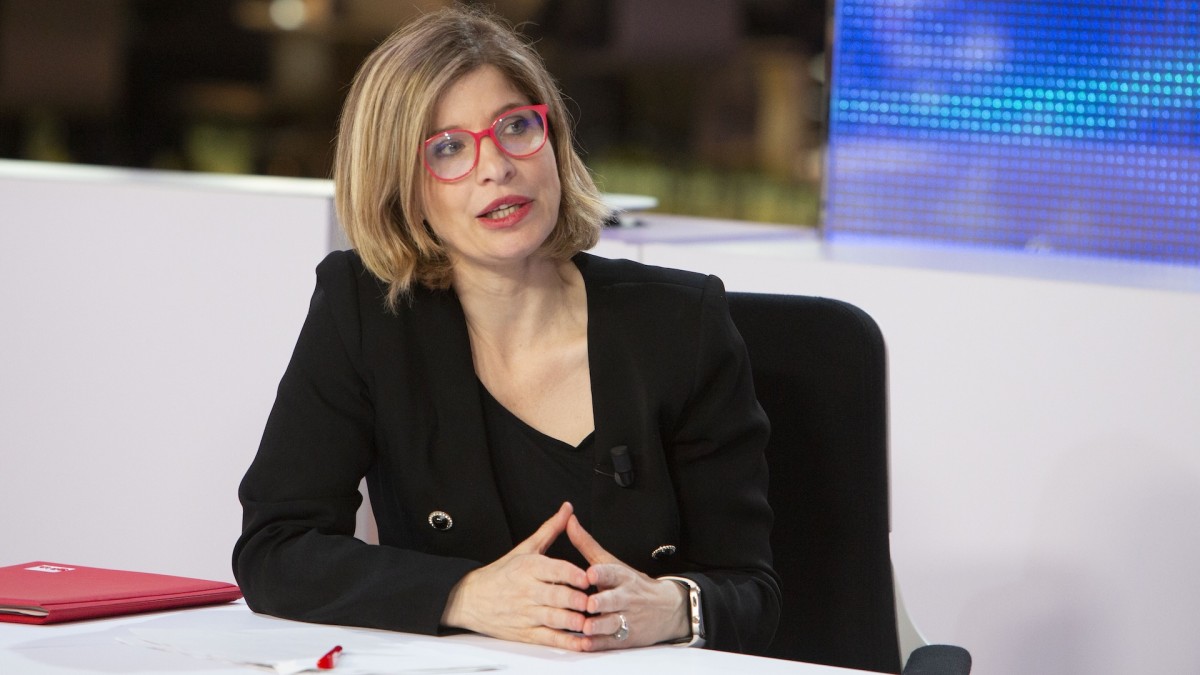
Hanna Jalloul, PSOE (S&D) MEP, Vice-Chair of the Foreign Affairs Committee and rapporteur for Saudi Arabia in the European Parliament.Agenda Pública
She is one of the most influential Spanish women in international politics. Hana Jalloul is a Member of the European Parliament and Vice-President of the Socialist International, the main organization of social democratic and labor parties. Jalloul talks in Brussels with Marc López Plana, editor and director of Agenda Pública, to analyze in depth the situation in Arab countries and the Middle East, their economic and political relationship with the European Union, and Spain's role in the region. "We have to change our view of what the Arab world is and clearly what the Gulf is," she warns.
"It is important to understand that the Gulf countries are well-functioning economies and reliable partners. There are many stereotypes about the Gulf countries that need to be broken," he said. He also addressed the main problem in the region: "We condemn Hamas, it is a terrorist group, that is indisputable. And we demand the release of all hostages whose families are suffering. But the Palestinians have been mistreated for years. Israel is an occupying state. As long as there is occupation, this will not be resolved. We do not confuse the actions of Israel's far-right government with those of the Israeli people. We support Israeli society, which is also suffering from the war," he concludes.
"It is important to understand that the Gulf countries are well-functioning economies and reliable partners. There are many stereotypes about the Gulf countries that need to be broken," he said. He also addressed the main problem in the region: "We condemn Hamas, it is a terrorist group, that is indisputable. And we demand the release of all hostages whose families are suffering. But the Palestinians have been mistreated for years. Israel is an occupying state. As long as there is occupation, this will not be resolved. We do not confuse the actions of Israel's far-right government with those of the Israeli people. We support Israeli society, which is also suffering from the war," he concludes.
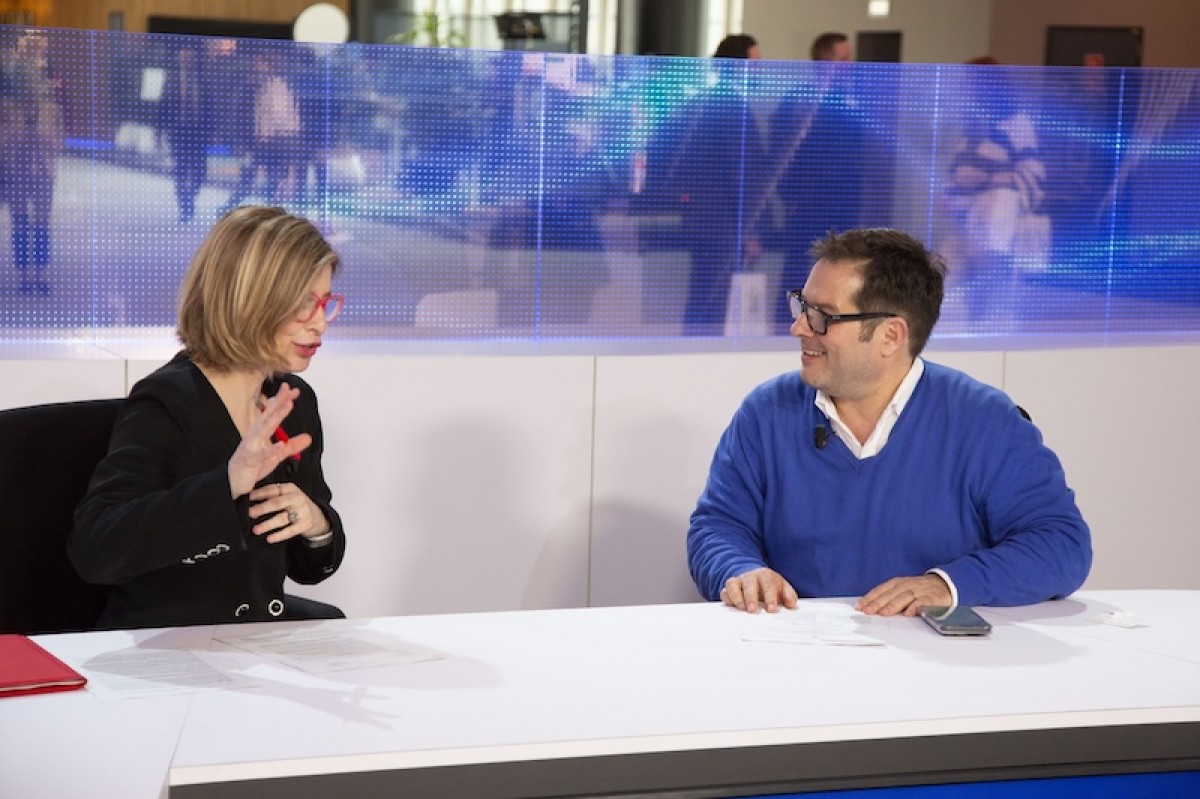
Marc López Plana travelled to Brussels to interview the MEP at the European Parliament. Photo: Agenda Pública / Delmi Álvarez
What role do the Gulf countries play in the new global context?
The Gulf countries are highly relevant and are gaining more weight each day. We can see this through three clear issues. Firstly, the tremendously important role that Saudi Arabia is taking on as a peace mediator: it's involved in mediation between Ukraine and Russia, it has been part of the ceasefire with Gaza, supporting the stability of the Syrian Government and the formation of the Government in Lebanon. It's no coincidence that Donald Trump's first official visit was to Saudi Arabia.
Then there's Qatar, with its mediation with Hamas and ten open mediation processes, including mediation between Rwanda and the Democratic Republic of Congo. And the United Arab Emirates, which have also opened important agreements with Ukraine.
"It's important to understand that the Gulf countries are economies that function well, that are reliable partners. There are many stereotypes about what the Gulf countries are that need to be broken"It's important to understand that the Gulf countries are economies that function well, that are reliable partners. There are many stereotypes about what the Gulf countries are that need to be broken. After last year's Summit with the Gulf Cooperation Council (GCC) countries, it's clear that they are reliable partners, major investors and ones with whom we can have shared leadership. There are issues we always emphasise more, such as human rights, but we are working with them on this matter. There's a human rights dialogue with Saudi Arabia and a rights commission. One can work on our issues whilst expanding and deepening our relationship with them, as they are important and necessary actors in the current context.
What is your work as an MEP to promote this rapprochement with the Gulf countries?
I'm the rapporteur for Saudi Arabia. I handle Parliament's relations with Saudi Arabia, which makes it much easier for me to have an approach with the Gulf countries. I carry out many initiatives: activities, statements, events... It's important to deconstruct the stereotypes that exist about these countries.
Inter-parliamentary visits are fundamental because one learns a great deal and exchanges best practices. As Vice-President of the Foreign Affairs Committee and member of the International Trade Committee (INTA), I requested a point on the agenda for the Commission to give a briefing on bilateral and regional free trade agreements with the GCC countries. I've also proposed a report for Parliament to carry out and I've also requested appearances by personalities who work in the Gulf Cooperation Council.
This is important because you make known the reality that happens there. There's interest, because when you're in the committees you see that people ask questions. The EU-GCC summit was held here and another one will be held in 2026. It's arousing interest due to the relevance that these countries are gaining day by day.
What's your opinion of the European Union's position in relation to these countries?
We need to improve, of course. Sometimes we arrive late. President Von der Leyen announced a bilateral free trade agreement with the Emirates and work is being done on a strategic alliance with the region and with Saudi Arabia. The Commission announced that on the 8th, directives were signed that will be sent to the Council to work with these countries. We realise how important the strategic relationship with the Gulf countries is.
Other partners are already there. China is there, the Americans are there. Trump has now invested more than 700 billion on fundamental issues such as artificial intelligence and energy transition.
I complain that sometimes we arrive late to places and leading means arriving a little earlier as well.
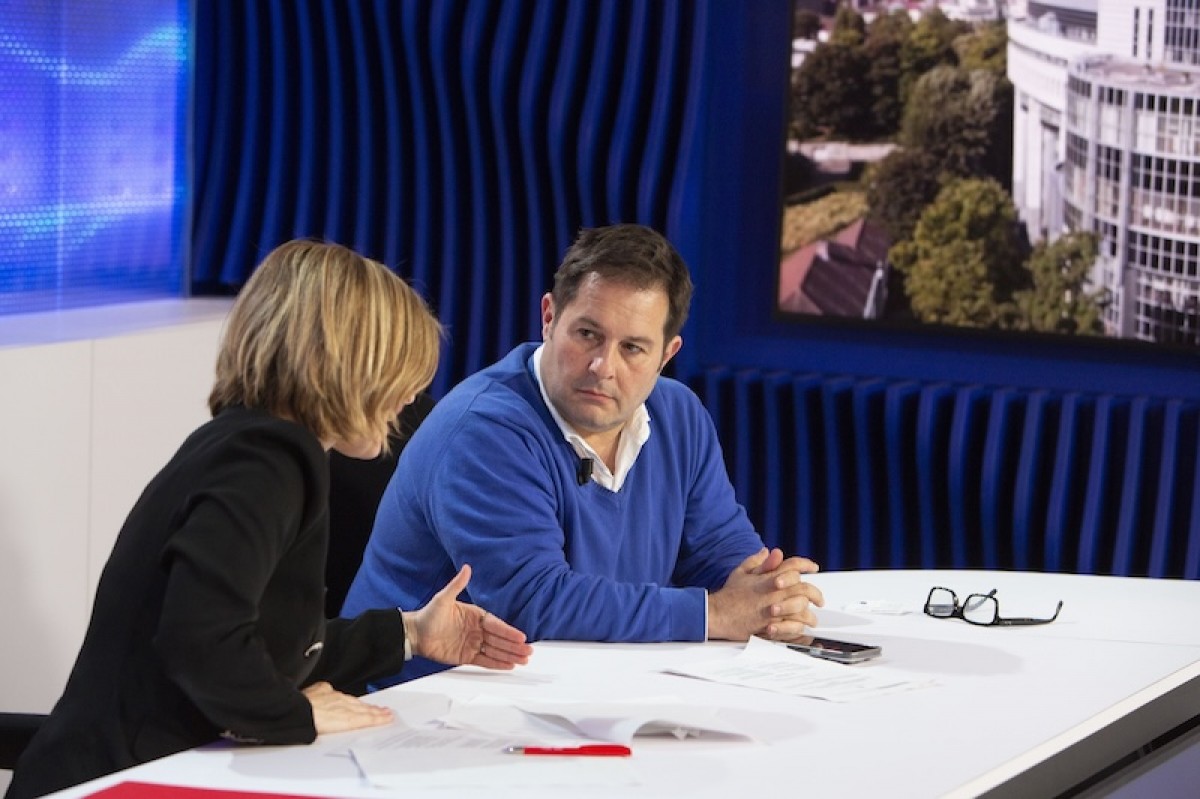
Jalloul advocates breaking stereotypes about the Arab world. Photo: Agenda Pública / Delmi Álvarez
What would you promote to make these decisions faster?
It's not just a matter of bureaucracy, though that's part of it too —we have slow bureaucracy—, it's a matter of leadership. If Trump hadn't put us between a rock and a hard place with tariffs, perhaps we wouldn't be where we are now. The Commission President has reacted quickly with trips, calls with China, movements towards the Gulf, India, South Africa. We've responded very well.
Political leadership is also based on knowing how to see where our strategic partners are and acting more imminently. We haven't done this with the Gulf previously. With other areas of the planet it goes much faster. This is also due to the stereotypes we have about the countries of the Arab world.
"Saudi Arabia has launched new labour legislation and is working on labour rights. In five years, it has a workforce of more than 42% women"Saudi Arabia has launched new labour legislation and is working on labour rights. In five years, it has a workforce of more than 42% women. They're trying to move quite quickly on many things, but we need to approach other countries not from paternalism, but from cooperation.
Is it political leadership that Pedro Sánchez has shown by attending the Arab League Summit?
Pedro Sánchez is special in that sense. He was the first to recognise the Palestinian State when nobody was doing it. Now that everything seems so clear and the European Union is more supportive with the review of the association agreement with Israel based on violation of Article 2; but more than 60,000 people have had to die for this to happen. That hunger has been used as a weapon of war, the daily abuse by illegal settlers in what is now a televised ethnic cleansing for Europe to start waking up. The President had it clear at that time and was alone back then.
"Being the only European leader invited to the Arab League Summit and making a proposal with the Palestinians to take to the United Nations about the Gaza blockade, that's leadership"Requesting European funds, that's leadership. Talking about a peace conference when nobody was doing it, that's leadership. Being the only European leader invited to the Arab League Summit and making a proposal with the Palestinians to take to the United Nations about the Gaza blockade, that's leadership.
He's managed to maintain that line with the global South, which Europe doesn't maintain because it hasn't had a unified stance on the Gaza issue. Only seventeen out of twenty-seven countries voted in the Council for the review of the association agreement with Israel. This favours our relations if we want to be a European Union with clear leadership that promotes human rights. The President has a privileged relationship with the countries of the global South and when you go there, you hear people talking about him.
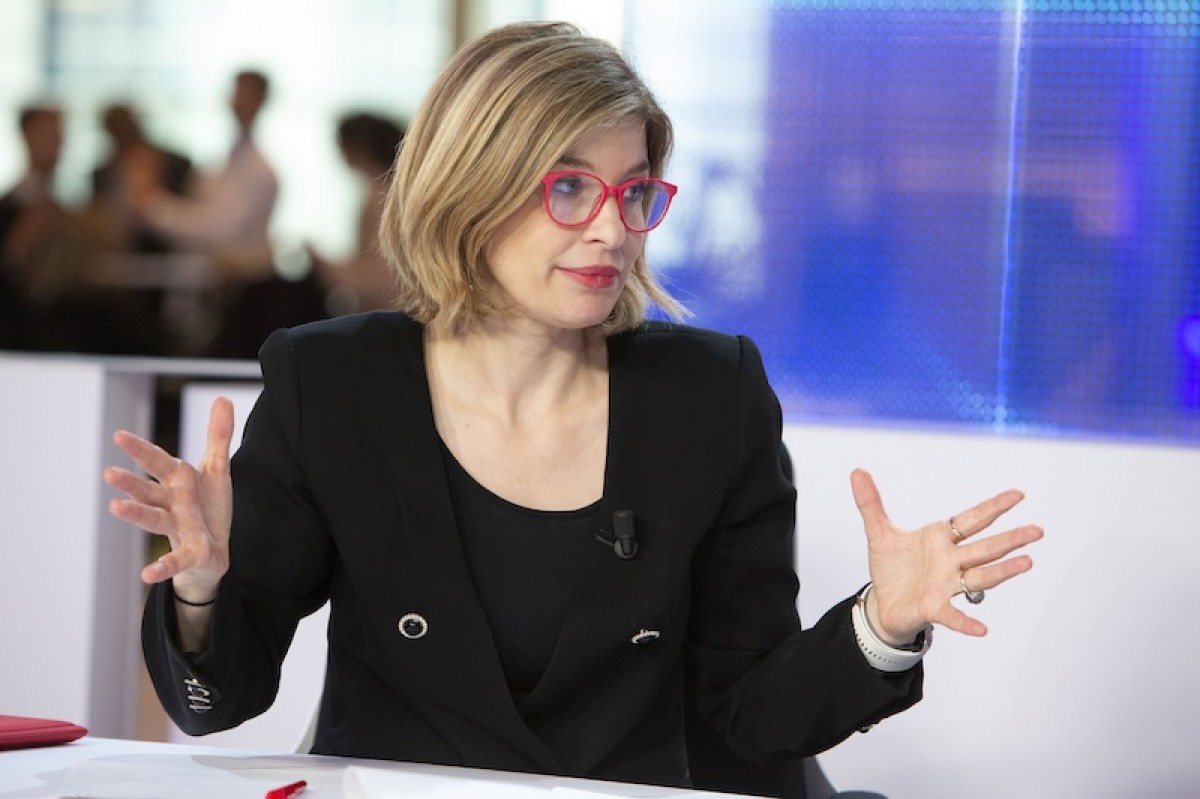
Hanna Jalloul on Pedro Sánchez's leadership: 'Being the only European leader invited to the Arab League Summit, that's leadership'. Photo: Agenda Pública / Delmi Álvarez
What role can Saudi Arabia play in the Israel-Palestine conflict?
Nothing happens there without the Saudis having something to do with it, because it's a fundamental country due to its geographical weight, economic resources and privileged relationships with China, India and the United States. Mohammed bin Salman already said in 2019 that he would agree with the Abraham Accords.
"I don't think there's any Gulf country that would oppose signing the Abraham Accords, as long as the Palestinians are respected"
I don't think there's any Gulf country that would oppose signing the Abraham Accords, as long as the Palestinians are respected. If the Israeli Government stopped killing people, it could be negotiated: a state for the Palestinians, for everyone to live in peace and security, with the 1967 borders and the signing of the accords. The Arab countries are open to that, but the Israeli Government won't listen to reason.
October 7th is one of the worst attacks that have been suffered in the region. I myself was in the kibbutzim seeing all the murdered victims. It's a horror. We condemn Hamas, it's a terrorist group, that's indisputable. And we demand the liberation of all the hostages whose families are suffering. But the Palestinians have been mistreated for years. Israel is an occupying state. As long as there's occupation, this won't be sorted out.
We don't confuse the actions of Israel's far-right Government with those of the Israelis. We support Israeli society, which is also suffering from the war.
The Americans continue pushing for the Abraham Accords to be signed, but right now the Saudis, quite reasonably, whilst the conflict continues, cannot sign them. It's not just a political matter, it's a matter of Arab society. There's a very large wave of indignation.
Is European strategic autonomy compatible with investment from Gulf countries in European strategic sectors?
Having people who have the economic capacity to invest in sectors that we need to grow is phenomenal, especially if they're reliable partners. You choose which sectors, whom you want and in what way you want them to invest.
"The European Union has to be in the position of: I choose, I command and I decide. That's why I criticise the fact that the European Union doesn't have more leadership with the countries of the Arab world"Those fear narratives need to be overcome. One needs to be strategically intelligent. The European Union has to be in the position of: I choose, I command and I decide. That's why I criticise the fact that the European Union doesn't have more leadership with the countries of the Arab world.
The population of these countries, in general, doesn't migrate here. They're countries that invest money, come on holiday, invest in infrastructure, but then return to their countries. Most of the Saudi diplomatic corps now are almost all young women, educated at the world's best universities. We need to change our vision of what the Arab world is and clearly of what the Gulf is. That's why it would be fundamental for the European Union to take a further step with the GCC countries to grant them a visa waiver [ninety-day visa exemption] as a way of deepening our cooperation relationship. One needs to open up and, above all, if we're intelligent, we'll lead.
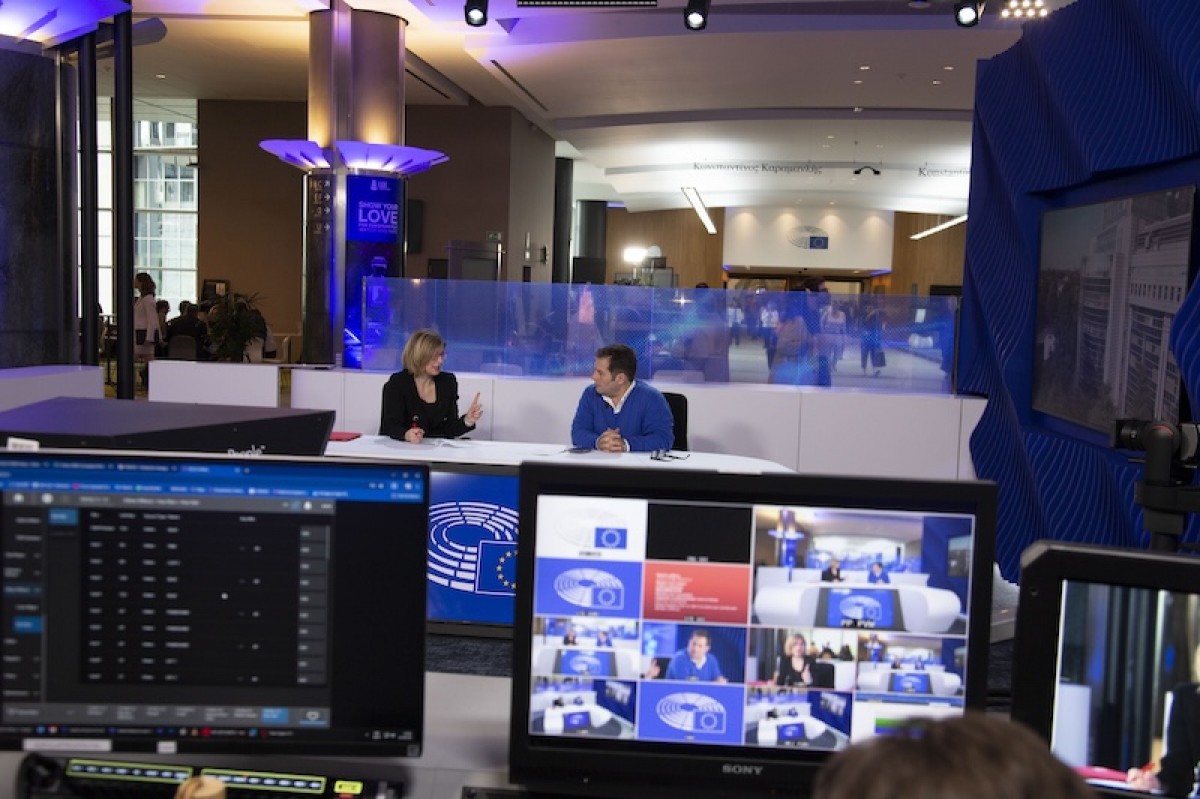
Jalloul criticises the lack of European unity over Gaza: 'Only 17 out of 27 countries voted for the review of the trade agreement with Israel. This division weakens our moral leadership'. Photo: Agenda Pública / Delmi Álvarez
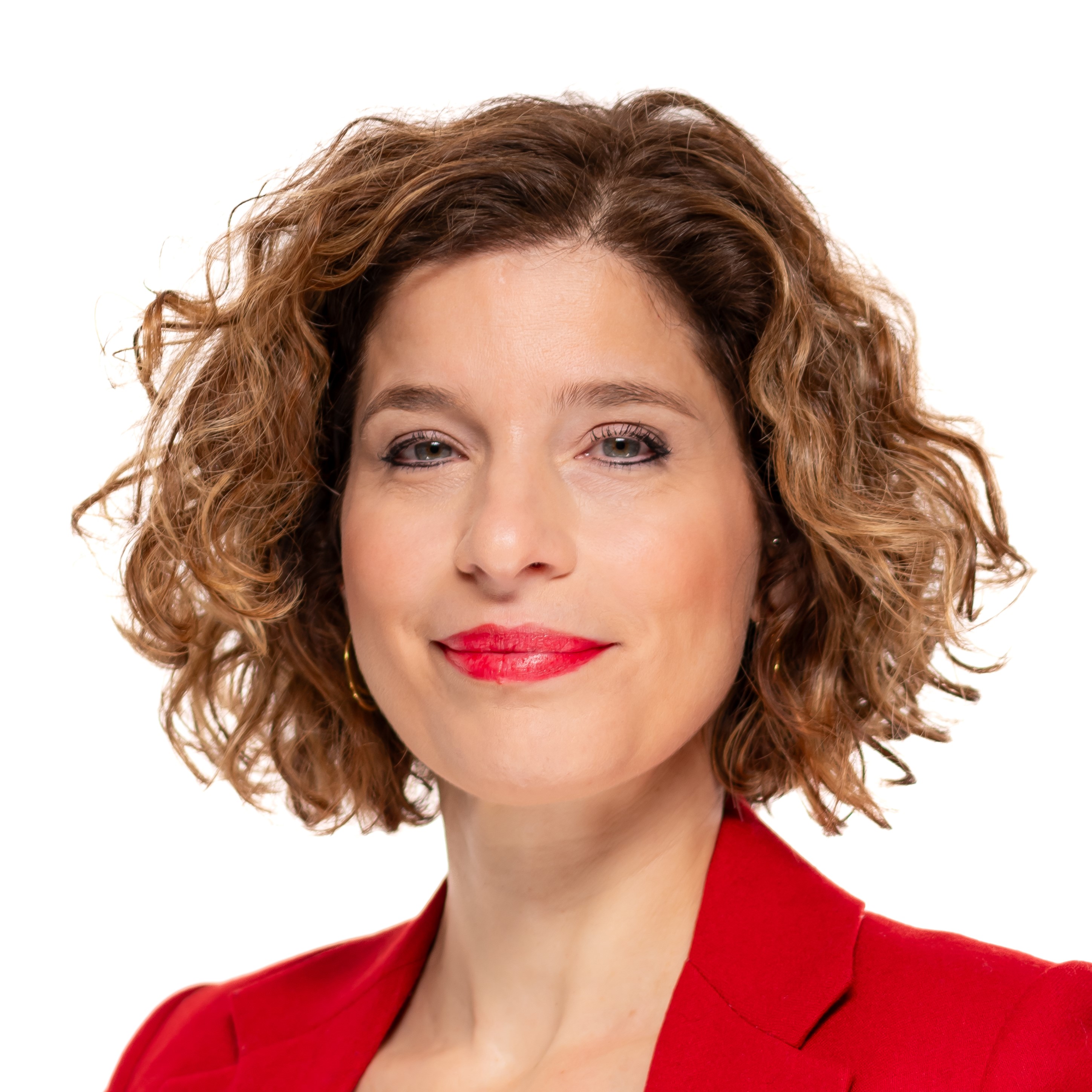
Hana Jalloul Muro
Eurodiputada del PSOE
Es eurodiputada del S&D, vicepresidenta de la Comisión de Asuntos Exteriores (AFET) y ponente para Arabia Saudí en el Parlamento Europeo.
Ahora en portada
16 de octubre de 2026
16 de octubre de 2026
16 de octubre de 2026
Noticias relacionadas
Hace 80 semanas
The urgency of a new EU strategy in the Middle East
Hace 87 semanas
Gaza at risk: the EU has the power to stop forced expulsion
Lo más leído