Martes, 29 de septiembre de 2026




STRATEGIC AUTONOMY
France and Spain together can boost European energy sovereignty
Pedro Fresco, a leading expert on energy transition, argues that Franco-Spanish collaboration should go beyond the energy sector to promote ecological transformation and reinforce Europe's strategic autonomy in a context of growing geopolitical instability.
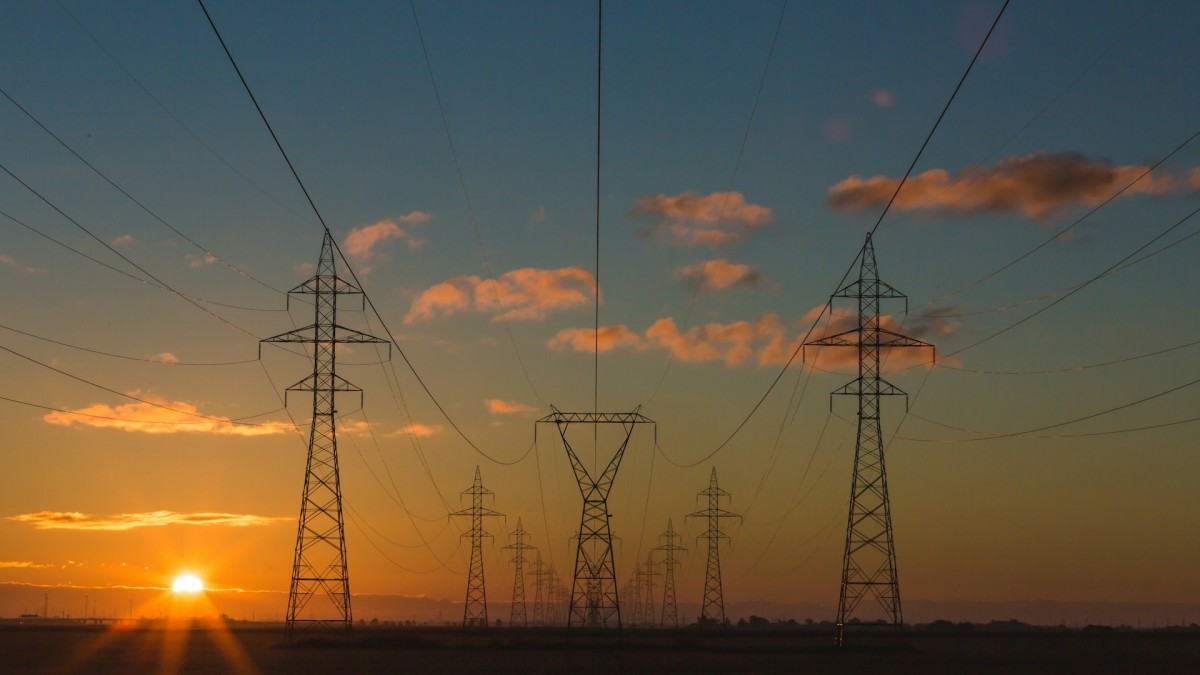
Improving interconnections is just one of the steps towards a Franco-Spanish alliance that will make Europe prosper.Unsplash / Matthew Henry
It is often thought that France and Spain are antagonistic countries when it comes to energy policy. Spain is a country with a clear commitment to renewables and plans to phase out nuclear energy in the medium term. France firmly maintains its historical nuclear commitment, despite the obvious difficulties it will face in maintaining its nuclear capacity in the long term. There have also been historical problems with the energy connection between both countries, which in Spain are attributed to lack of French interest and in France to the unreasonableness of the projects.
In a context where Europe feels geopolitically disoriented between two increasingly hostile powers—Russia and the USA—and where energy independence and geopolitical autonomy are closely linked, France and Spain may be more aligned than ever on energy issues. In fact, both countries could push proposals from the perspective of Southern Europe that, in this scenario, would be better received by the states in the centre and north of the continent. However, this new reality also requires us to rethink issues that we have not adequately addressed in the past. Each change brings with it the need for new approaches.
In my opinion, France and Spain can contribute to Europe's new energy independence paradigm in several ways:
Spain and France have virtues, experiences and strategic approaches that can help Europe, but we also have defects and things to change. Among them is excessive bureaucracy that is not adapted to the needs of the energy transition or powerful internal dynamics that are resistant to change for certain economic, political or trade union sectors.
"Spain and France share more than it seems: both countries are clearly committed to climate action and the concept of energy sovereignty"Despite these different approaches and historical issues, Spain and France share more than it seems: both countries are clearly committed to climate action and the concept of energy sovereignty. During the peak of the 2022 price crisis, when the Iberian exception was established in Spain and Portugal, France actively defended a new price-setting system that reflected the lower production costs of industrial technologies against the German position. The German position was reluctant to denature marginal price-setting. Generally speaking, the energy visions of northern and Southern Europe differ on some points, with northern countries taking a more orthodox view of the market and the need for high-energy costs as a driver of efficiency. This is an idea that southern countries do not share.
In a context where Europe feels geopolitically disoriented between two increasingly hostile powers—Russia and the USA—and where energy independence and geopolitical autonomy are closely linked, France and Spain may be more aligned than ever on energy issues. In fact, both countries could push proposals from the perspective of Southern Europe that, in this scenario, would be better received by the states in the centre and north of the continent. However, this new reality also requires us to rethink issues that we have not adequately addressed in the past. Each change brings with it the need for new approaches.
In my opinion, France and Spain can contribute to Europe's new energy independence paradigm in several ways:
- Improvement of energy interconnections. It is essential to link the Iberian Peninsula with Europe, and it is logical that this physical connection is made through France and not through long submarine cables to Italy or the United Kingdom. The 5,000 MW of electrical interconnection that will presumably be operational by 2028 is clearly insufficient to harness the solar and wind potential of the Iberian Peninsula. Currently, both countries are net exporters of electricity.
- Decoupling the electricity price from the cost of natural gas. Although the EU has progressed in this respect, and its regulatory production is beginning to talk about reducing electricity price volatility derived from its correlation to the cost of gas or limiting very high prices. It has not yet broken with the marginalist dogma. Spain and France, with highly decarbonised electricity mixes, should support market models where the final price depends on the generation costs of the entire mix, not just the marginal source. This model will eventually be desired throughout Europe as other countries develop more renewables, but Spain and France must move ahead of that moment. In fact, a more stable and less volatile market price would also ease reluctance to more electrical connections between countries.
- Deepening electrification through a more active role of the State. The electrification of the economy requires a more forceful energy and industrial policy orientation than we have had so far. France had that historical role in the era of the Messmer Plan and, despite what we tend to believe in Spain, it also currently stands out in some areas of the energy transition such as the sale of heat pumps. Spain has had very good renewable development in recent years and its industrial policy is closely linked to the competitiveness offered by these energies. Both countries can advocate for a bolder policy in favour of electrification and a more prominent role for states and public investment.
- Building a narrative in which decarbonisation is presented as a key tool for Europe's strategic autonomy is a winning bet, especially in Spain and France. Both countries have historically defended European sovereignty and have societies that instinctively distrust Republican administrations in the USA. The figure of Donald Trump, in particular, has a very negative image among most Europeans, except among voters of the radical right. Linking the energy transition with the strengthening of Europe against actors that generate distrust would not only be well received in Spain and France, but would also reinforce the republican front in France. It would also strengthen the democratic and progressive forces in Spain —provided they avoid the temptation to make pacts with parties aligned with Trump—.
Spain and France have virtues, experiences and strategic approaches that can help Europe, but we also have defects and things to change. Among them is excessive bureaucracy that is not adapted to the needs of the energy transition or powerful internal dynamics that are resistant to change for certain economic, political or trade union sectors.
"In Europe, an urgent scenario is imposing itself if it wants to stay afloat in the new situation: more unity and more Europe"The new geopolitical reality is full of uncertainties and dangers. These are not easy times and many things can go wrong. But in Europe, an urgent scenario is imposing itself if it intends to stay afloat in the new situation: more unity and more Europe. This will force us to talk much more among ourselves, to be much bolder in our policies and, also, to leave certain prejudices in the drawer that we can no longer afford. Spain and France must become much closer allies and assert their energy importance on the continent.

Pedro Fresco
Especialista en regulación y transición energética. Ex director general de Transició Ecològica de la Generalitat Valenciana (España).
Licenciado en Química por la Universidad de València. Profesor-colaborador en el máster en Energías Renovables de la Universidad Internacional de València (VIU).
Autor de 'El futuro de la Energía en 100 preguntas' (2018), 'El Nuevo Orden Verde' (2020) y 'Energy Fakes' (2024). Director general de la Asociación Valenciana de Empresas del Sector de la Energía (AVAESEN).
Ahora en portada
28 de septiembre de 2026
29 de septiembre de 2026
29 de septiembre de 2026
Noticias relacionadas
Hace 90 semanas
¿Puede haber descarbonización con crecimiento económico?
Hace 104 semanas
Un PNIEC para no quedarse atrás
Lo más leído