Sábado, 17 de octubre de 2026




Ukraine: We Must Do More
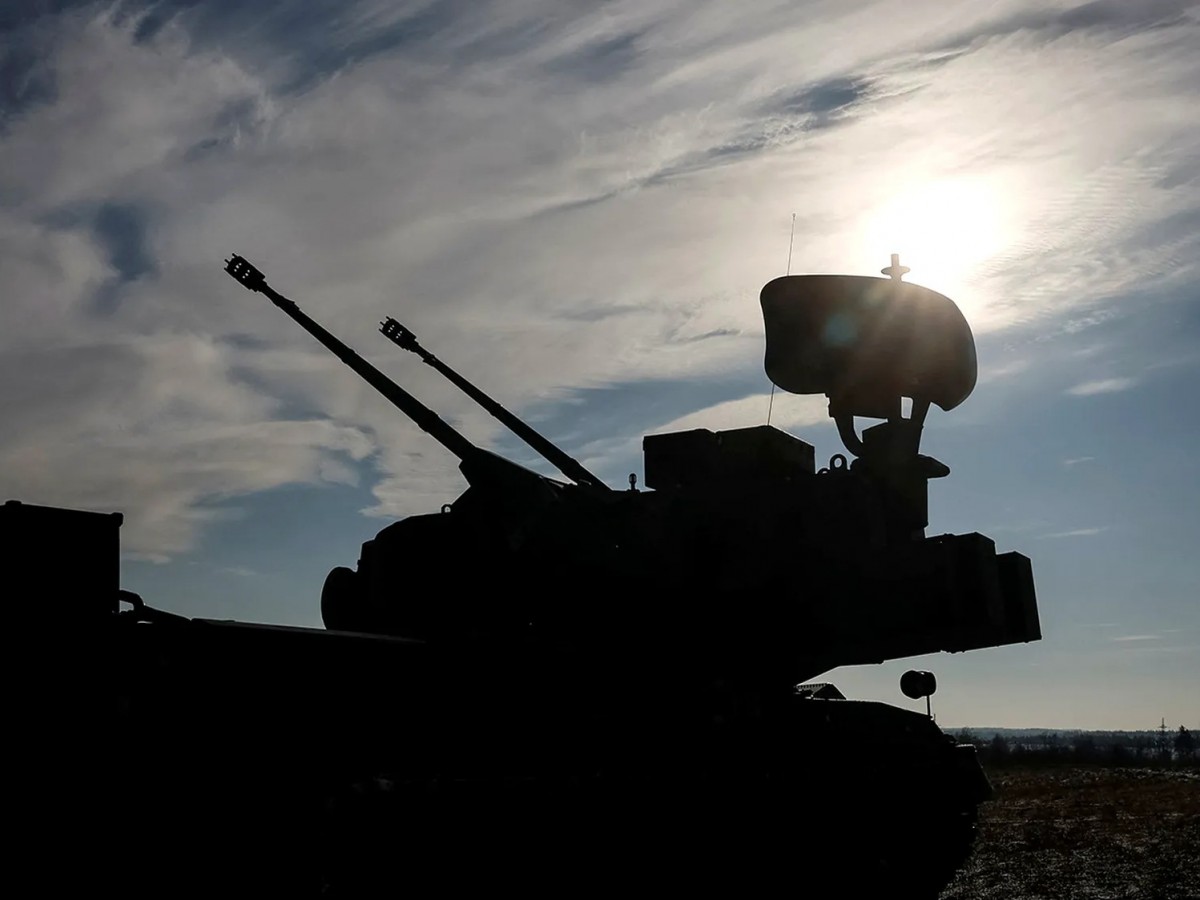
Gleb Garanich/Reuters
“Ukraine defends the freedom and security of the West”. This phrase is correct and hardly missing from any official discourse on Russia’s war of aggression against Ukraine. However, an abyss has opened between the Zeitenwende rhetoric and actual military support for Ukraine. Instead of supplying what is needed quickly and completely and creating the conditions for long-term defence production, German and the West’s policy is to give Ukraine just enough to continue the war, but not enough to bring it to a successful conclusion.
However, this policy also creates a strategic problem. Russia’s aims are by no means limited to the annexation of the Ukrainian regions of Crimea, Donetsk, Luhansk, Zaporizhzhia, and Kherson, which together account for more than 20% of Ukraine’s territory. Russian policy openly threatens other states, such as the Republic of Moldova and the Baltic states. In the long term, Putin’s Russia threatens the entire Western alliance. If Russia ends its war with the successful division of Ukraine, this will also shake the credibility of the Western security promise for NATO members in northeastern, central, and southeastern Europe. This will further fuel Russia’s imperial ambitions. To avoid Russia’s dominant position in Europe, Russian expansion in Ukraine must be contained.
“Unity, justice and freedom” are Ukraine’s goals, not its own conquests. These are principles that Germany also proclaims for itself. When it comes to supporting Ukraine, there is no tension between a foreign policy guided by values and one guided by interests. Ukraine is defending our values, and our existential security interests dictate that we support it with all our might as long as it takes this war into its own hands.

[Recibe los análisis de más actualidad en tu correo electrónico o en tu teléfono a través de nuestro canal de Telegram]
This policy creates humanitarian problems, given that the number of civilian and military casualties increases the longer the war continues. Russia’s war is aimed at the integrity and independence, even the cultural existence of Ukraine: the rape and torture of the Ukrainian population and the abduction of children to Russia for assimilation is part of Russian occupation policy.However, this policy also creates a strategic problem. Russia’s aims are by no means limited to the annexation of the Ukrainian regions of Crimea, Donetsk, Luhansk, Zaporizhzhia, and Kherson, which together account for more than 20% of Ukraine’s territory. Russian policy openly threatens other states, such as the Republic of Moldova and the Baltic states. In the long term, Putin’s Russia threatens the entire Western alliance. If Russia ends its war with the successful division of Ukraine, this will also shake the credibility of the Western security promise for NATO members in northeastern, central, and southeastern Europe. This will further fuel Russia’s imperial ambitions. To avoid Russia’s dominant position in Europe, Russian expansion in Ukraine must be contained.
“Unity, justice and freedom” are Ukraine’s goals, not its own conquests. These are principles that Germany also proclaims for itself. When it comes to supporting Ukraine, there is no tension between a foreign policy guided by values and one guided by interests. Ukraine is defending our values, and our existential security interests dictate that we support it with all our might as long as it takes this war into its own hands.
ARTÍCULOS RELACIONADOS
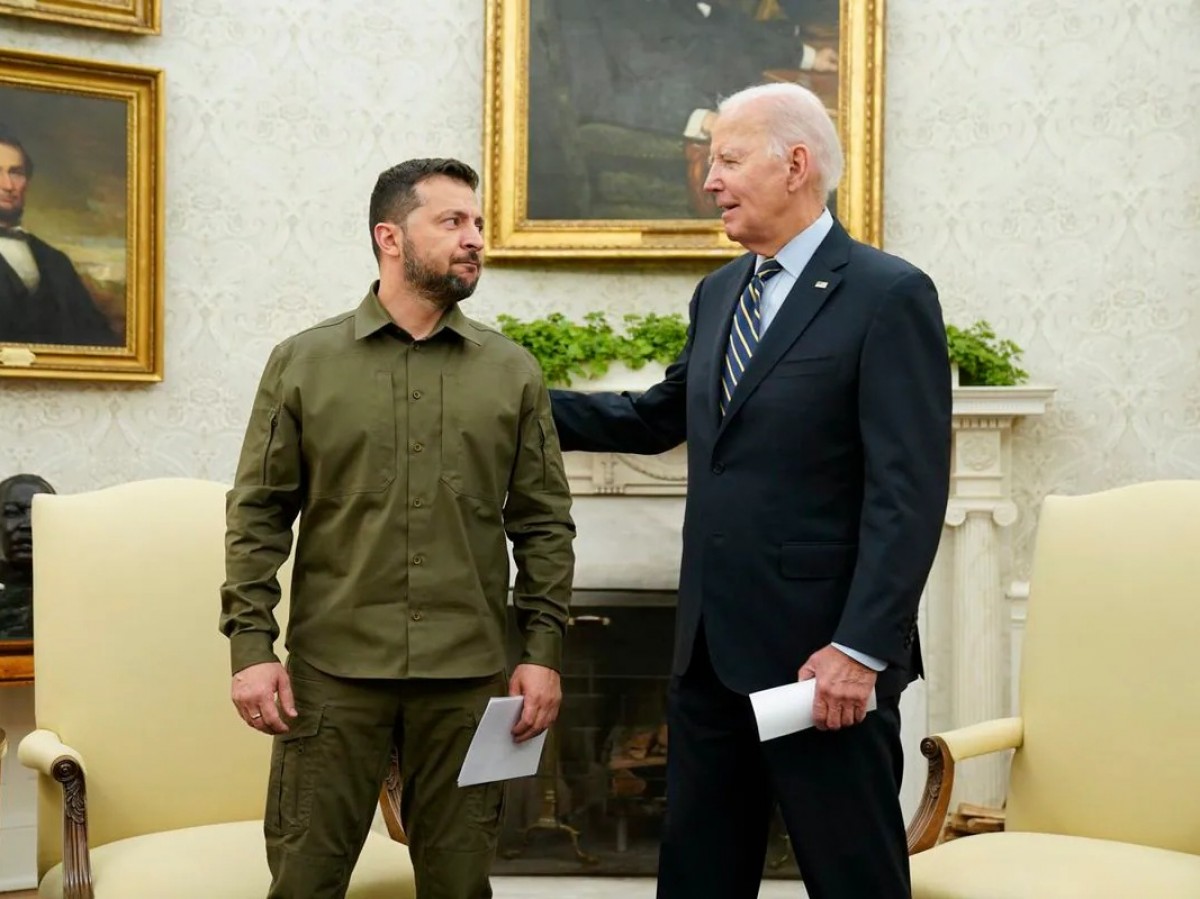

VEX COLLECTIVE (GETTY IMAGES/ISTOCKPHOTO)

Martin Schulze Wessel
Catedrático de Historia de Europa Oriental y Sudoriental, Ludwig-Maximilians-Universität
Terminó sus estudios de Historia y Estudios Eslavos en la Freie Universität de Berlín en 1989, donde también se doctoró en 1994. En 2002, se habilitó en Historia Moderna y de Europa Oriental en la Martin-Luther-Univerität de Halle-Wittenberg. Sus principales campos de investigación son la historia de las relaciones internacionales entre Prusia (resp. Alemania), Polonia y Rusia desde el siglo XVIII, la historia de la religión en Europa Centrooriental y Rusia en los siglos XIX y XX y la historia contemporánea de la República Checa y Eslovaquia.

Norbert Röttgen
Miembro del Bundestag (Alemania). Portavoz de la CDU en el Comité de Asuntos Exteriores
Es un político alemán de la Unión Demócrata Cristiana de Alemania y ex Ministro Federal de Medio Ambiente, Conservación de la Naturaleza y Seguridad Nuclear.
Claudia Major
Jefa de Grupo de Investigación, Instituto Alemán de Asuntos Internacionales y de Seguridad
Sus investigaciones, labores de asesoramiento y publicaciones se centran en la política de seguridad y defensa en Europa y en un contexto transatlántico (OTAN, UE, Alemania, Reino Unido, Francia).
Anteriormente, Claudia ocupó cargos en el Centro de Estudios de Seguridad de la ETH de Zúrich, el Consejo Alemán de Relaciones Exteriores (Berlín), el Instituto de Estudios de Seguridad de la UE (París), el Ministerio de Asuntos Exteriores alemán (oficina de la OTAN) y Sciences Po París.
Es diplomada por Sciences Po París y la Universidad Libre de Berlín y doctora por la Universidad de Birmingham (Reino Unido).
Etiquetas
Democracia, Rusia, ucrania, Seguridad Nacional, UE, Unión Europea, Europa, guerra, Alemania, Otan Ahora en portada
17 de octubre de 2026
16 de octubre de 2026
Noticias relacionadas
Hace 148 semanas
The Republicans are Going All In: What are the dangers of political maneuvers surrounding military assistance to Ukraine?
Hace 153 semanas
Why the European Union is Stronger Than You Think
Lo más leído