Domingo, 18 de octubre de 2026




Why Emmanuel Macron Should Withdraw His Pension Reform Bill
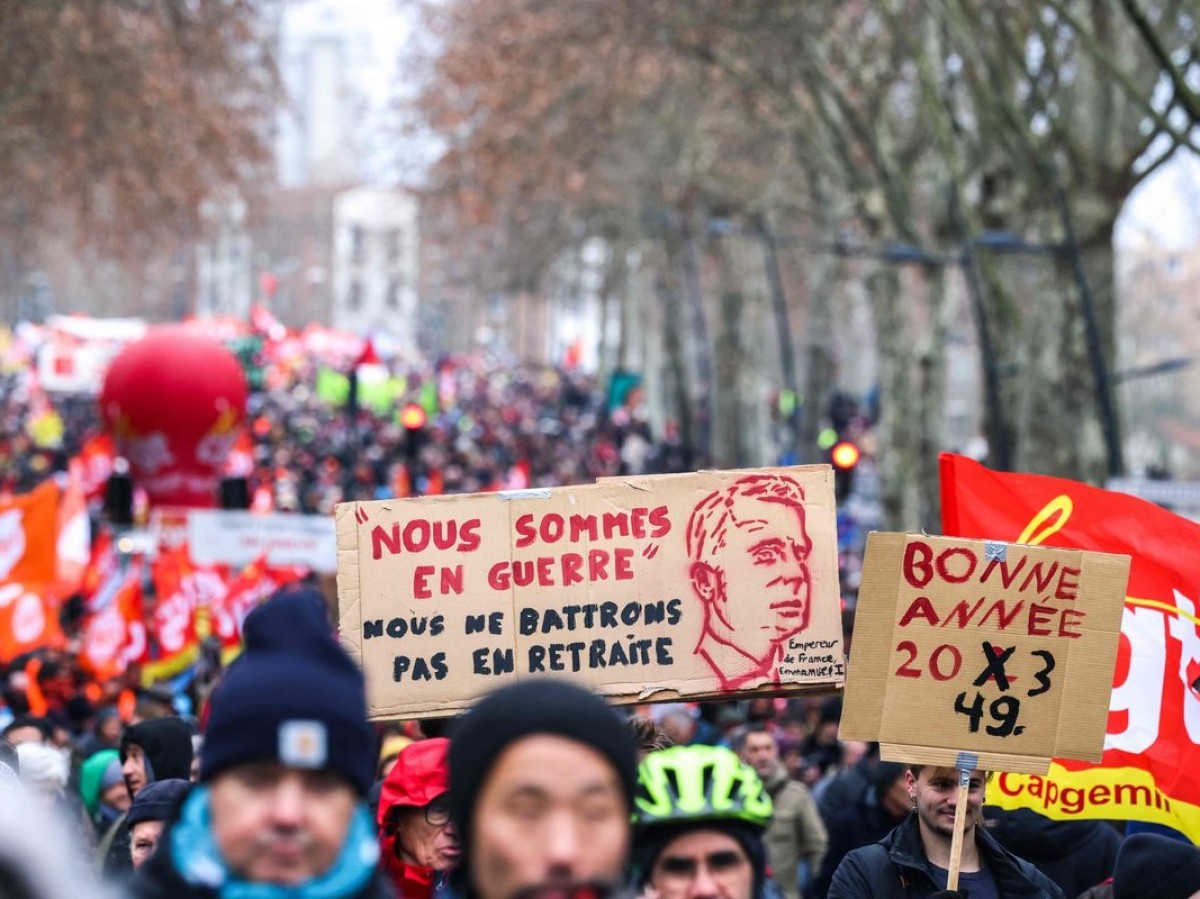
CHARLY TRIBALLEAU (AFP)
Emmanuel Macron decided to force the approval of a very unpopular pension reform. He hoped that the demonstration of his determination would discourage the French, who seemed at one time very opposed to this reform (polls show a very stable opposition, around 70% of the French oppose the project to delay the minimum retirement age from 62 to 64, between 80% and 90% of the active population) but apparently resigned to the idea that the reform would be passed anyway. The government was counting on this resignation.
We have shown in an analysis with Paulus Wagner that this resignation risked reinforcing the votes in favour of Marine Le Pen’s Rassemblement Nationale, insofar as those most affected are the upwardly mobile electorate of this party (workers, employees and the threatened middle classes), and that the method used, based on miscommunication (or even lies) and approval by force, feeds populist resentment against the elites.
[Recibe los análisis de más actualidad en tu correo electrónico o en tu teléfono a través de nuestro canal de Telegram]
Since the use of a method of imposing its reform on the Assembly without a vote (the use of Article 49.3 of the Constitution), the nature of the mobilisation has changed. The method used, which forced the decision of the parliament, which did not take into account the mass mobilisations and the demands of the trade unions, has transformed resignation into anger. France is now in the midst of an escalation of confrontation and violence. Every step taken towards the imposition of reform by the government is met with an increase in mobilisation and anger, young people have just entered these movements and there are more and more outbursts, answered by violent police acts, reminiscent of the escalation of violence experienced during the episode of the Yellow Vests. This episode only ended after the withdrawal of the carbon tax project and the adoption of purchasing power measures for the middle classes.The government’s obstinacy on pension reform is fuelling the protest, and it now seems to me that only a withdrawal of the reform bill (passed by a vote of no confidence, but not yet enacted) could calm the situation. The costs of the method used are enormous, even for future government endeavours. The difficulties in passing the reform mean a huge loss of credibility and capacity for action for any government that succeeds that of Elisabeth Borne: with whom could this government, which is in a minority in parliament, ally itself, given the strong opposition from all the left and the lack of solidity of the alliance with the right? Moreover, the trade unions cannot return to the negotiating table until the government makes a gesture on the pension reform; they are too committed to this reform and would have too much to lose with a defeat (they run the risk of not being able to mobilise employees in the coming conflicts if this does not lead to a victory).
Furthermore, it is highly unlikely that the government will succeed in turning public opinion against the movements and mobilisations. All polls confirm that public opinion remains overwhelmingly opposed to this reform, and that the use of article 49.3 of the Constitution only reinforces this opposition. A poll published this Sunday 26 March in the Journal Du Dimanche on voting intentions shows a loss of 5 points for the party of the President of the Republic, plus 5 points for Rassemblement National, and plus 1 point for the left.
Opinion supports the blockades and strikes. It believes that the government is provoking radicalisation, not least by its deafness to calm demonstrations and to the clear and informed expression of opposition to the reform. Public opinion will not forget and will continue.
Who would benefit from the withdrawal of the reform? Clearly, the trade unions. The unions are still very legitimate in representing workers’ opposition to the pension reform. Is it not better to concede a victory to the unions than to offer it to the Rassemblement National? Because without withdrawal, the dynamic is clearly in favour of the Rassemblement National.
With the withdrawal, workers will feel that they have finally been heard. And the government, and Emmanuel Macron, could regain some credit if they manage to present the withdrawal as such.
Finally, it is important to remember that Emmanuel Macron has already backed down in the face of numerous oppositions (backing down on the Yellow Vests, but also on a tax hike for pensioners, on the law limiting speed to 80 km/h on secondary roads, a decision finally left to the departments).
After the Gilets Jaunes, the government was able to rebound thanks to the debate, whereas imposition leads to a dead end. In short, a withdrawal followed by a debate on working conditions and labour relations would allow us to get out of the blockades from above. It is now essential to talk about work, that is what the French people expect. On the contrary, imposition would only be a Pyrrhic victory that would bog down the next five years indefinitely.
ARTÍCULOS RELACIONADOS



MAURICIO PALOS (BLOOMBERG)


Bruno Palier
CNRS Director de Investigación
Formado en ciencias sociales, es doctor en Ciencias Políticas y antiguo alumno de la Ecole Normale Superieure. Entre octubre de 2014 y julio de 2020 codirigió y posteriormente dirigió el LIEPP (Laboratory for interdisciplinary Evaluaiton of Public Policies). Trabaja en la economía política comparada de las reformas del Estado del bienestar. Actualmente codirige un proyecto sobre la política mundial de inversión social y otro sobre crecimiento y bienestar en el capitalismo global.
Etiquetas
Democracia, sindicatos, Marine Le Pen, emmanuel macron, Partidos políticos, Pensiones, huelga, Francia Ahora en portada
18 de octubre de 2026
18 de octubre de 2026
17 de octubre de 2026
Noticias relacionadas
Hace 186 semanas
In Whom Will French Society Place its Trust in 2027?
Hace 188 semanas
Trade Unions as Drivers of Transformation
Lo más leído