Jueves, 15 de octubre de 2026




ANÁLISIS
Biden, Macron, Sánchez and the Time of Extraordinary Decisions
On the positive side, however, is that liberal-democratic leaders recognize the high stakes in combating illiberal forces, and are willing to take extraordinary measures. Unlike in interwar Italy and Germany, they do not sleepwalk towards democratic demise.
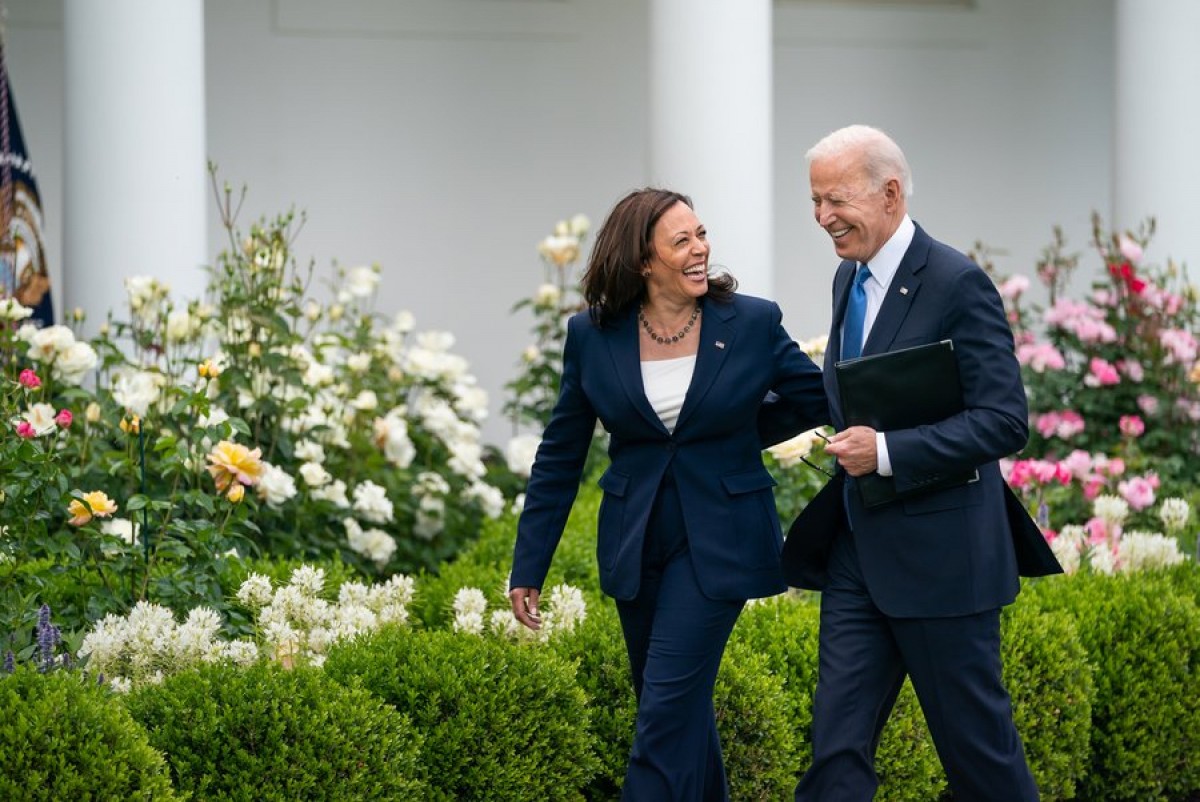
Joe Biden and Kamala Harris at the White House.La Nacion / Zuma Press / ContactoPhoto
As many expected, the double whammy of a poor on-stage performance in the presidential debate three weeks ago, and the electoral fallout from the near-deadly attack on ex-President Donald J. Trump, marked the end of the line for Biden’s presidential campaign. Biden’s uncertain performance in the televised presidential debate of June 27 triggered an intense media campaign pushing for his withdrawal, arguing he would be incapable of leading a vigorous campaign against Trump. The Trump campaign's exploitation of the attack on the Republican candidate caused a bump in the polls for Trump and led important donors to publicly back him. Key Democratic leaders also intensified their pressure on Biden to step aside, sealing Biden’s fate. The incumbent President, now hailed as a hero by the same figures who pushed for his withdrawal, endorsed Vice-President Kamala Harris as his replacement as Democratic nominee. Harris stands a good chance of being confirmed as the Democrats’ official candidate by the party convention in August, but Biden’s withdrawal opens a phase of uncertainty in US politics.
The presidential TV debate and the electoral consequences of the attack on Trump, however, are not the real causes of the extraordinary (and unprecedented) decision taken by the Democratic leadership to induce an incumbent President to step aside and anoint a new candidate less than four months before the presidential elections. There are precedents of incumbent US Presidents deciding not to seek re-election, but none so close to the election date. Even though the events of the past three weeks weakened Biden’s image and boosted Trump’s poll numbers, including in key swing states, the two candidates had been head-to-head in the polls for roughly one year before the presidential debate in June, with Trump enjoying a slight advantage.
This period of global political turmoil reveals a contradiction in the internal politics of many liberal democracies. Biden’s economic numbers are better than Trump’s and even Obama’s, yet this does not translate into political support. At the time of his last State of the Union address in March, Biden could boast an inflation rate down to 1.8% (after the rise in gas prices due to Russia’s invasion of Ukraine had soared to 9.1%), an unemployment rate at or near record lows at 3.7%, restored economic growth after the Covid pandemic brought the US economy to a halt, and rising wages, especially at the lower end of the distribution.
Biden’s age aside (and we should remember that he is only three years older than Trump), these numbers should have given him an advantage over his rival, sufficient to absorb the negative effects of an ineffective presidential debate and whatever sympathy a failed murder attempt would accrue to a rival who is a convicted felon and under trial for various actions committed during his presidency. But this was not the case, and these events were decisive in making the pressure on Biden untenable, leading to his decision to leave the race.
Indeed, the US is not an exception in combining a good economic performance with an unpopular executive. In Germany, a current mediocre economic performance followed years of growth and extensive redistribution helped by a well-functioning welfare state. This has not prevented the extremist, pro-Russia far-right party Alternative für Deutschland from making significant electoral advances not only in the less developed Länder of former East Germany but also in the affluent south of the country. But perhaps the situation that most closely resembles Biden’s political predicament is France’s. The economic record of French President Emmanuel Macron since the beginning of his first term in 2017 is quite positive: more than two million jobs created, more than six million new enterprises, France’s growth higher than the average growth in the Eurozone, and France’s average inflation lower than its main competitors. At 58.3% in 2022, France’s public spending—the bulk of which funds pensions and public services—is the highest among advanced economies. Yet, like Biden in the US, Macron’s approval rate is also poor, and his government is under siege by illiberal parties, particularly on the right.
Like the Democrats and Biden in the US, Macron also took a rather extraordinary decision to reduce illiberals’ chances of coming to power, dissolving parliament and calling snap elections after his party was clearly beaten in the European elections by Marine Le Pen’s far-right Rassemblement National. Le Pen’s polls had been rising steadily since June 2022, when Macron’s supporters failed to achieve an absolute majority of seats in the legislative elections. The outcome of those elections paralyzed the government, creating political space for Le Pen’s strategy to present the RN as a credible government alternative. Most observers credited her with a victory in the 2027 Presidential elections. After the European elections, her rise seemed unstoppable—much like the swelling of Trump’s electoral numbers after the near-deadly attack on him gave many the impression that his victory in November was sealed. Macron’s decision to dissolve Parliament and call snap elections by the earliest possible date (three weeks) was unexpected—and criticized—by many. According to reports, he took it against the opinion of other high officeholders, whom the French constitution obliges him to consult in such circumstances. It was certainly a very risky gamble, and it is perhaps too early to say whether Macron has “pulled a Sanchez” (with reference to the Spanish PM’s successful decision to call snap elections in 2023 to stop the perspective of a right-wing government including the far-right party Vox). Which government will be formed is uncertain, and Macron’s supporters have lost seats compared to the previous legislative elections—but the result of the elections of July 7, for now, has certainly broken RN’s electoral momentum.
Uncertainty reigns for now also in the US, with Kamala Harris yet to secure the official nomination (although it is most likely that she will) and, as of now, still without a chosen running mate—an essential factor for her presidential bid. Her polling numbers still mirror Biden’s. Ambiguity remains on whether Macron’s and the Democratic leadership’s bold moves will attain their declared purposes. On the positive side, however, is that liberal-democratic leaders recognize the high stakes in combating illiberal forces, and are willing to take extraordinary measures. Unlike in interwar Italy and Germany, they do not sleepwalk towards democratic demise. The fight to protect liberal democracy is arduous and ongoing. Only time will tell if these bold decisions will be vindicated by history.
The presidential TV debate and the electoral consequences of the attack on Trump, however, are not the real causes of the extraordinary (and unprecedented) decision taken by the Democratic leadership to induce an incumbent President to step aside and anoint a new candidate less than four months before the presidential elections. There are precedents of incumbent US Presidents deciding not to seek re-election, but none so close to the election date. Even though the events of the past three weeks weakened Biden’s image and boosted Trump’s poll numbers, including in key swing states, the two candidates had been head-to-head in the polls for roughly one year before the presidential debate in June, with Trump enjoying a slight advantage.
This period of global political turmoil reveals a contradiction in the internal politics of many liberal democracies. Biden’s economic numbers are better than Trump’s and even Obama’s, yet this does not translate into political support. At the time of his last State of the Union address in March, Biden could boast an inflation rate down to 1.8% (after the rise in gas prices due to Russia’s invasion of Ukraine had soared to 9.1%), an unemployment rate at or near record lows at 3.7%, restored economic growth after the Covid pandemic brought the US economy to a halt, and rising wages, especially at the lower end of the distribution.
Biden’s age aside (and we should remember that he is only three years older than Trump), these numbers should have given him an advantage over his rival, sufficient to absorb the negative effects of an ineffective presidential debate and whatever sympathy a failed murder attempt would accrue to a rival who is a convicted felon and under trial for various actions committed during his presidency. But this was not the case, and these events were decisive in making the pressure on Biden untenable, leading to his decision to leave the race.
Indeed, the US is not an exception in combining a good economic performance with an unpopular executive. In Germany, a current mediocre economic performance followed years of growth and extensive redistribution helped by a well-functioning welfare state. This has not prevented the extremist, pro-Russia far-right party Alternative für Deutschland from making significant electoral advances not only in the less developed Länder of former East Germany but also in the affluent south of the country. But perhaps the situation that most closely resembles Biden’s political predicament is France’s. The economic record of French President Emmanuel Macron since the beginning of his first term in 2017 is quite positive: more than two million jobs created, more than six million new enterprises, France’s growth higher than the average growth in the Eurozone, and France’s average inflation lower than its main competitors. At 58.3% in 2022, France’s public spending—the bulk of which funds pensions and public services—is the highest among advanced economies. Yet, like Biden in the US, Macron’s approval rate is also poor, and his government is under siege by illiberal parties, particularly on the right.
Like the Democrats and Biden in the US, Macron also took a rather extraordinary decision to reduce illiberals’ chances of coming to power, dissolving parliament and calling snap elections after his party was clearly beaten in the European elections by Marine Le Pen’s far-right Rassemblement National. Le Pen’s polls had been rising steadily since June 2022, when Macron’s supporters failed to achieve an absolute majority of seats in the legislative elections. The outcome of those elections paralyzed the government, creating political space for Le Pen’s strategy to present the RN as a credible government alternative. Most observers credited her with a victory in the 2027 Presidential elections. After the European elections, her rise seemed unstoppable—much like the swelling of Trump’s electoral numbers after the near-deadly attack on him gave many the impression that his victory in November was sealed. Macron’s decision to dissolve Parliament and call snap elections by the earliest possible date (three weeks) was unexpected—and criticized—by many. According to reports, he took it against the opinion of other high officeholders, whom the French constitution obliges him to consult in such circumstances. It was certainly a very risky gamble, and it is perhaps too early to say whether Macron has “pulled a Sanchez” (with reference to the Spanish PM’s successful decision to call snap elections in 2023 to stop the perspective of a right-wing government including the far-right party Vox). Which government will be formed is uncertain, and Macron’s supporters have lost seats compared to the previous legislative elections—but the result of the elections of July 7, for now, has certainly broken RN’s electoral momentum.
Uncertainty reigns for now also in the US, with Kamala Harris yet to secure the official nomination (although it is most likely that she will) and, as of now, still without a chosen running mate—an essential factor for her presidential bid. Her polling numbers still mirror Biden’s. Ambiguity remains on whether Macron’s and the Democratic leadership’s bold moves will attain their declared purposes. On the positive side, however, is that liberal-democratic leaders recognize the high stakes in combating illiberal forces, and are willing to take extraordinary measures. Unlike in interwar Italy and Germany, they do not sleepwalk towards democratic demise. The fight to protect liberal democracy is arduous and ongoing. Only time will tell if these bold decisions will be vindicated by history.

Giovanni Capoccia
Profesor de Política Comparada en el Departamento de Política y Relaciones Internacionales de la Universidad de Oxford.
Catedrático de Política Comparada en la Universidad de Oxford. Trabaja sobre democracia, extremismo y retroceso democrático. Está ultimando un número especial de una revista coeditada sobre 'La lucha contra el iliberalismo en las democracias liberales'.
Ahora en portada
13 de octubre de 2026
14 de octubre de 2026
Lo más leído