Viernes, 16 de octubre de 2026




FIRMAS TOP
These are the 10 opinions you need to read about Venezuela
Political and institutional leaders, along with academics from different ideological backgrounds, weigh in on the events triggered by the arrest of Nicolás Maduro in Caracas. J. P. Carroll, senior fellow for National Security and Trade at the Rainey Center for Public Policy, brings together a range of experts to offer a comprehensive analysis of the geostrategic outlook, with the United States, Venezuela and other actors at the center of the debate.
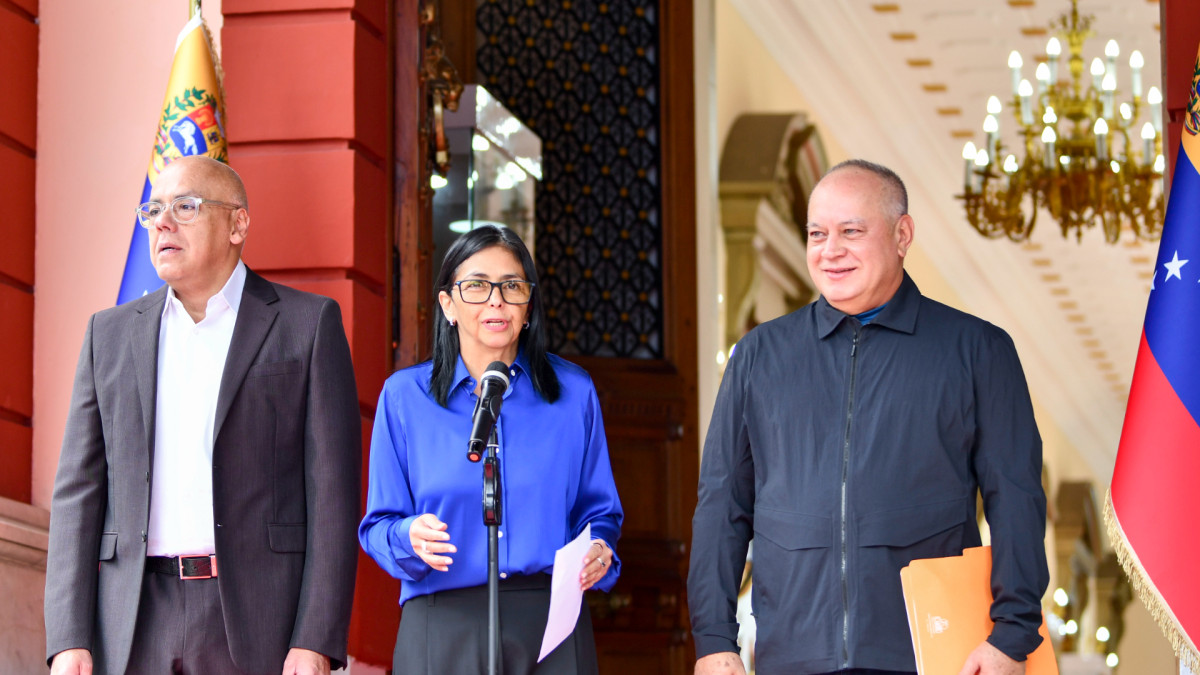
Jorge Rodríguez, Delcy Rodríguez and Diosdado Cabello, leaders of the chavista government.Ding Hongfa / Xinhua News / ContactoPhoto
This article is the result of my outreach to various former elected and appointed officials, as well as policy experts about the most recent events in Venezuela. Here are some opinions and analysis worth your time and consideration.
It should be noted that the analyses compiled below were received before it was announced that President Trump would meet with Venezuelan democratic opposition leader and Nobel Peace Prize winner María Corina Machado on Thursday, January 15, 2026.
 For years, Venezuelans have endured severe economic hardship, widespread displacement, and the erosion of civil liberties. Yet, in the face of these challenges, the Venezuelan people have demonstrated resilience and courage by peacefully advocating for a more democratic and just future.
A lasting and peaceful path forward must include free, fair, and transparent elections, conducted with international observation, where all legitimate political parties are able to participate and where voters can cast their ballots without interference, intimidation, or fear. These are fundamental democratic principles shared throughout the Western Hemisphere.
Equally essential is the protection of a free and independent press, which plays a vital role in informing citizens, safeguarding accountability, and ensuring that diverse voices can be heard without censorship or reprisal.
The people of Venezuela continue to seek freedom, democratic accountability, and respect for human dignity, and the international community must assist their efforts during this unique opportunity to move forward.
*Ros-Lehtinen noted the statement she provided Agenda Pública, she also provided earlier to the Congressional Hispanic Leadership Institute.
 The latest developments in Venezuela portend good tidings for the Western Hemisphere. The successful American effort to bring Nicolás Maduro to justice in the United States, for crimes he has abetted in America including drug trafficking, human trafficking, support for terrorism, and racketeering will all be on full display for the world to see. In the United States, we do not hide behind closed doors and in secret cells. Our judicial system operates openly. The case against Maduro and his wife, Cilia Flores, will proceed legally and swiftly. They were accorded their rights upon their arrest in Venezuela, including being given the right to an attorney to represent them.
Trump's action in Venezuela should put dictators in the hemisphere and around the world on notice. There are legal consequences for illegal actions as the Maduros will find out. Many are wondering if there will be further actions taken against leaders of global terrorist organizations and illegitimate rulers of sovereign nations. There is no doubt that leaders in Russia, Iran, Gaza, Ramallah, Cuba, and Nicaragua are sleeping less easily at night.
 The capture and removal of dictator Nicolás Maduro was a cause for celebration by all those who have hoped for an end to the tyranny that has made Venezuela one of the least free countries in the world. But the professionalism with which the military operation was planned and executed stands in contrast to the way its aftermath has been handled, with conflicting messaging from the administration that has left many surprised or disillusioned and raises more questions than it answers.
Trump or other administration officials have said that the operation was to remove an indicted narco-terrorist and not the beginning of a nation-building exercise; that the U.S. is "running" Venezuela and that military occupation is an option; that the U.S. will oversee economic recuperation and the rebuilding of infrastructure; that U.S. access to oil is a priority; and that, contrary to the reality, the leader of the legitimately elected opposition, Maria Corina Machado, has no support or respect among Venezuelans.
Trump has also said that the U.S. would work toward a transition, though no timeline was specified, and that until then, it would work with the regime. The dictatorship has been decapitated, but it continues its repressive rule. That arrangement is unsustainable because the regime lacks legitimacy and credibility. The people still in charge in Venezuela—acting president Delcy Rodríguez, Minister of Interior Diosdado Cabello, and Minister of Defense Vladimir Padrino López—are all true believers in socialism and have been key members of the regime’s apparatus of brutal repression.
We should expect the regime to do as little as possible to comply with Washington’s demands and as much as possible to remain in power. To the extent that a transition to democracy does come closer to becoming a reality, we should not expect that Cabello or Padrino López—who have the guns, are indicted by the U.S., and have blood on their hands—will peacefully wait for that to happen. The situation is unstable, unpredictable, and not ideal for foreign investment or growth.
A far better path is for the U.S. to work with Machado and her team on a transition. Unlike any other political leaders, they enjoy overwhelming support and legitimacy. They also have well thought-out plans for the transition and a comprehensive reform agenda, including privatizing the oil monopoly, that would go a long way in effectively accomplishing major U.S. foreign policy goals.
 The situation in Venezuela is complicated but President Trump got it right. Venezuela can now reset, to stop facilitating drug trafficking, resume its position as a global energy leader, and becomes a key U.S. regional partner once democracy is restored.
Venezuela used to be wealthier than the likes of Chile 40 years ago, and was a stable place. Now, it is a partner to Russia, China, Iran, and of course, Cuba. Thanks to President Trump, Venezuela can rebuild not only its economy, but also its civil society organizations, as well as its democratic institutions.
Many U.S. allies in Latin America – like Argentina – support this and President Trump’s action. It is only the likes of Nicaragua and Cuba that are truly outraged by this. It is no accident that Maduro’s bodyguards were Cuban, likely intelligence officers.
China finds itself in a tough spot losing oil access and being owed money by the Maduro regime. If China wants to invade Taiwan, it needs easy large-scale oil access like Venezuela provided it.
The Department of State will largely run point on the next steps of working towards democracy and normalizing ties with Venezuela. However, no doubt there will also be an interagency effort in support of the State Department.
As for Spain and Venezuela, it is my hope that Spain leverages its significant influence on this issue within Europe towards a positive outcome. Hopefully Spain’s actions in the coming days, weeks, and months, particularly in international fora will reflect greater support for a more hopeful future for the Venezuelan people.
 Venezuela will in the future represent the first practical example of the new security doctrine. The "Western Hemispheric" rhetoric is no longer an idea or a discourse; it is a practice, a political action aimed at guaranteeing material security. We have moved from globalization and North American cultural hegemony to an era based on geoeconomics, the use of force, and hemispheric security.
The intervention in Venezuela has consequences for the region. It remains to be seen what the electoral effects will be in Colombia, Brazil, Costa Rica, and Peru, with electoral processes in 2026, as well as in the November midterm elections in the United States. By the end of the year, we could have a geoeconomic corridor from Greenland to Patagonia, a strong vertical power oriented toward the creation of wealth based on natural resources, infrastructure, and ports. The model is not necessarily authoritarian, but it does seem evident that it decouples the development of a liberal democracy from economic and industrial activity.
 While much has been said on the legality of U.S. military actions against Venezuela and on the prospects for democracy in Venezuela after the U.S. capture of Maduro, the intervention will have both immediate and longer-term geopolitical implications.
First, China was already in a difficult position before the U.S. intervention in Venezuela -- Over the past 20 years, AidData estimates that China had lent over $100 billion dollars to Venezuela for a variety of large infrastructure projects, including some in the energy sector. After U.S. sanctions started to bite, Venezuela struggled to service its debts to China (and other creditors). In late 2017, Venezuela defaulted. Once Venezuela could no longer service its debt in dollars, it focused on repaying China directly with oil shipments. What was difficult before the U.S. intervention has become near impossible as the U.S. government now limits the flow of Venezuelan oil through a blockade and via a new scheme to deposit proceeds from the sale of Venezuelan oil into accounts controlled by the U.S. government. While China’s need for oil is not as great as it once was, it's not obvious how Venezuela will be able service its debt without cooperation from the United States. While China is often first in line for repayment of debts from developing countries, this is no longer the case.
Second, the larger and longer-term effects of the attacks on Venezuelan boats, the capture of Maduro, and the continued threatened use of force will accelerate the loss of trust that the United States has enjoyed among America’s traditional allies. The Netherlands recently reduced cooperation with the U.S. government on drug trafficking in the Caribbean, and the UK suspended some intelligence sharing with the U.S. over the previous boat strikes. But these are likely the tip of a much larger iceberg. The tectonic shift in U.S.-European relations was already underway when the U.S. attacked Venezuela. Cuts to U.S. support for Ukraine, rhetoric questioning the U.S. commitment to the defense of Europe, and ongoing rhetoric about "owning Greenland" are now seen in a much darker light, given U.S. action in Venezuela. Trust is key to cooperation in international relations, and European governments are increasingly skeptical that the U.S. will fulfill its commitments. As Europeans reduce their reliance on the United States and go their own way on more and more issues, the U.S. will likely suffer the consequences of not benefiting from reliable allies when the chips are down.
.jpg) Congress has been largely inactive on Venezuela and must now step up, with administration officials called to testify about developments. U.S. policy will be stronger and smarter if tough issues are aired. Sure, there’d be some hyperbole and grandstanding in public hearings, but Venezuela is far too important to have this branch of government sidelined. Ideally, Congress would help clarify objectives, trade-offs, and future challenges.
Congress has been largely inactive on Venezuela and must now step up, with administration officials called to testify about developments. U.S. policy will be stronger and smarter if tough issues are aired. Sure, there’d be some hyperbole and grandstanding in public hearings, but Venezuela is far too important to have this branch of government sidelined. Ideally, Congress would help clarify objectives, trade-offs, and future challenges.
One area for Congress to examine is the role of the State Department. Over decades, the Department has been perceived as weak and subservient to the Pentagon. Even military leaders have decried this situation, which has not served the United States well. The administration reportedly is considering opening an embassy in Caracas, shuttered in 2019. It should, now. An empowered and well-staffed ambassador managing the administration’s ambitious agenda is essential. These challenges cannot be effectively managed from Washington.
Agree or not, the intervention has been made. All should agree now that Congress and the State Department must play central roles as developments evolve.
 In the short term, Venezuela’s oil industry will have a limited impact on global markets. The country currently accounts for less than one percent of world oil production. Over the medium and long term, however, a sustained recovery in Venezuelan output could make a meaningful difference. From a purely technical standpoint, Venezuela could produce four to five times its current level of roughly one million barrels per day. Achieving that outcome, however, would require more than a decade of consistent effort and investments exceeding $100 billion dollars.
Geology is not Venezuela’s problem. The country possesses vast reserves, faces relatively low geological risks, and enjoys moderate extraction costs. Under an appropriate contractual and tax regime, oil production would be profitable even at prices as low as $25–30 per barrel.
Over the past quarter century of Chavismo in power, the Venezuelan state has repeatedly reneged on its agreements with foreign investors. The national oil company, PDVSA, is now effectively bankrupt and lacks the operational and financial capacity to lead a recovery on its own. Any significant increase in production would therefore have to be driven largely by foreign firms.
For that to happen, several conditions must align. Venezuela would need stable and constructive relations with the United States and Europe, along with the permanent removal of oil sanctions. Investors would also need to perceive a minimum degree of political stability and, critically, a durable consensus among the country’s political leadership in favor of reopening the oil sector to foreign participation. Finally, a credible and competitive legal framework would need to be approved by a legitimate legislature and enforced by a legitimate executive.
Additionally, sanctions relief is necessary but far from sufficient. Without firm legal protections, policy continuity, and political legitimacy, large-scale investments will not materialize.
In the absence of genuine institutional change, Venezuela may still attract limited "low-hanging fruit" investments—projects with high short-term returns and fast cost recovery. Major projects requiring substantial capital and long maturities will remain out of reach.
The central problem facing Venezuela’s oil sector is therefore not technical or geological. It is political and institutional. A meaningful recovery is possible, but only if it is grounded in durable political change, credible institutions, and a long-term commitment to restoring investor confidence.
 The arrest of Nicolás Maduro should not be seen as a culminating moment, but rather as another escalatory step, a shot over the bow if you will, in the maximum-pressure campaign against the regime in Venezuela. Just as the [Trump] administration began deploying military assets off Venezuela’s coast, bombing drug-trafficking boats and seizing oil tankers, this latest move is another signal that Washington is serious about using military force for those who thought the U.S. was bluffing.
Maduro was never the regime—only its figurehead at a given moment. The regime itself remains firmly in control, with Delcy Rodríguez now at the center, and with state institutions continuing to rely on colectivos, as we saw again on [the night of] Monday, [January 5th], to intimidate the public. However, the Trump administration now has more leverage than it did before to push toward a negotiated political settlement—one that will require dealing with the current power holders and the opposition.
The administration is correct in saying it must work with Delcy Rodríguez. Even though María Corina Machado enjoys overwhelming support from the Venezuelan public, as demonstrated in two different elections, she still does not have the backing of those who control the levers of power inside the regime. But she must also be part of any negotiation, because she retains a powerful trump card; the ability to mobilize mass public protests if she feels the opposition is sidelined. So far, she has asked Venezuelans to hold back. If that changes, the regime would likely respond with colectivos and the military, triggering human rights abuses and repression that could force Trumps hand in recalibrating and leaning more heavily toward the opposition. We have seen something similar before. Zelensky, after being sidelined early on, was able to rally European support in a way that ultimately forced Trump to take Ukraine’s needs more seriously.
Delcy Rodríguez and the regime must also take into account that the Trump administration could further escalate, including through targeted drone strikes or even an air and bombing campaign. However, despite its rhetoric, the administration does not necessarily have the political will—especially given a midterm election year—to occupy Venezuela. As a result, Venezuela now sits at a familiar inflection point, where internal mobilization and international leverage could once again converge to reshape the negotiation space.
 "For decades, Americans have been betrayed by empty promises from weak, America-last politicians who talked tough about fighting a "war on drugs" but never took real action. While they failed to act, the drug crisis grew into a national emergency, costing millions of American lives and devastating families and communities. Last night’s action in Venezuela comes after years of American patience and forbearance, even as the illegitimate Maduro regime profited off the smuggling of massive quantities of deadly drugs and the trafficking of millions of people into the United States.
"President Trump and his Administration are the first to truly fight the war on drugs. Thanks to strong, America First leadership, the mission to protect our citizens and end the rule of narco-terrorist regimes has begun in earnest. Thank you, President Trump, for your unwavering leadership and for putting America, and the safety of her people, FIRST."
It should be noted that the analyses compiled below were received before it was announced that President Trump would meet with Venezuelan democratic opposition leader and Nobel Peace Prize winner María Corina Machado on Thursday, January 15, 2026.
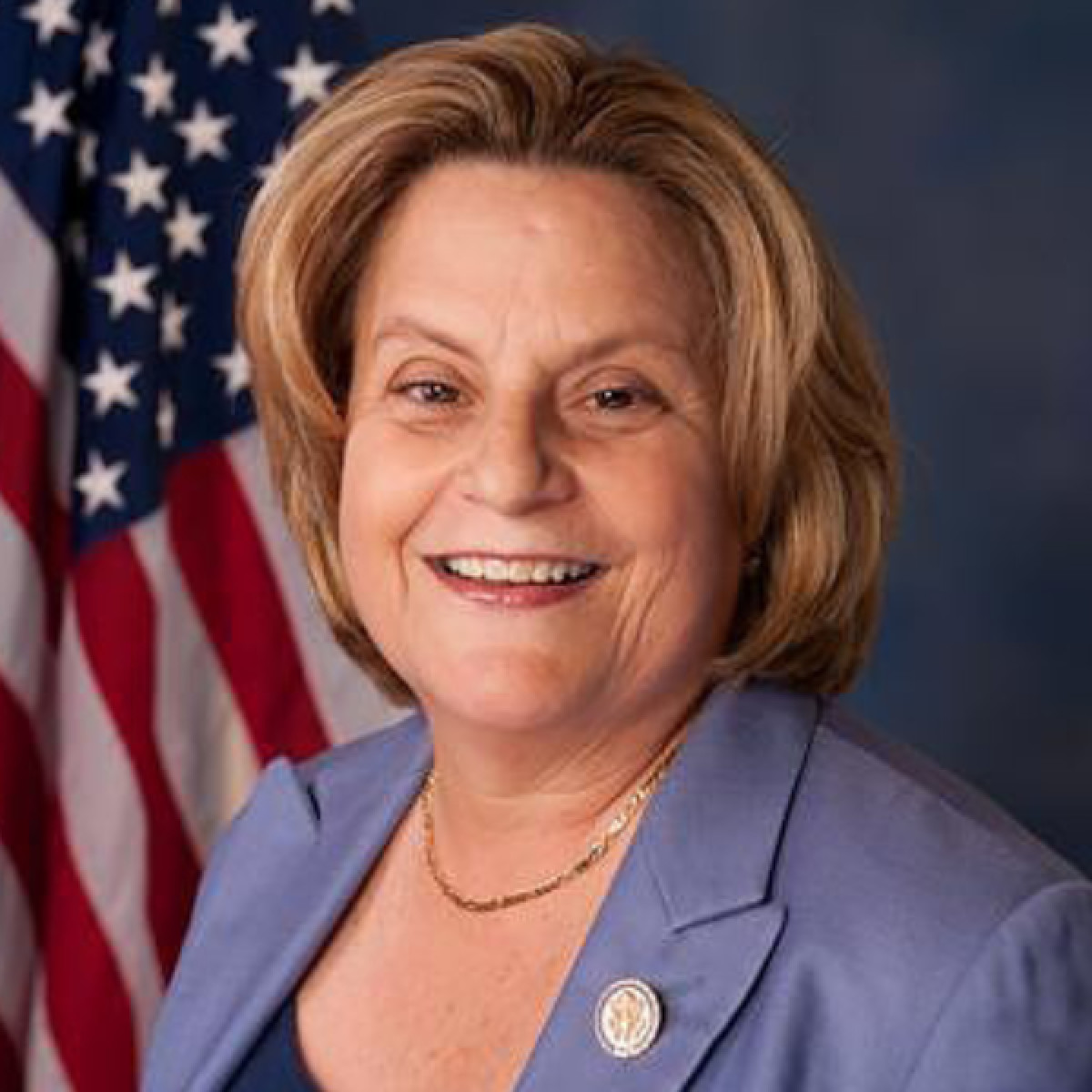
The Honorable Ileana Ros-Lehtinen, Ed.D. – Former Chairwoman of the U.S. House Foreign Affairs Committee, First Hispanic Woman to serve in the U.S. Congress (represented Congressional Districts in South Florida)
Ileana Ros-Lehtinen
A lasting and peaceful path forward must include free, fair, and transparent elections, conducted with international observation, where all legitimate political parties are able to participate and where voters can cast their ballots without interference, intimidation, or fear. These are fundamental democratic principles shared throughout the Western Hemisphere.
Equally essential is the protection of a free and independent press, which plays a vital role in informing citizens, safeguarding accountability, and ensuring that diverse voices can be heard without censorship or reprisal.
The people of Venezuela continue to seek freedom, democratic accountability, and respect for human dignity, and the international community must assist their efforts during this unique opportunity to move forward.
*Ros-Lehtinen noted the statement she provided Agenda Pública, she also provided earlier to the Congressional Hispanic Leadership Institute.
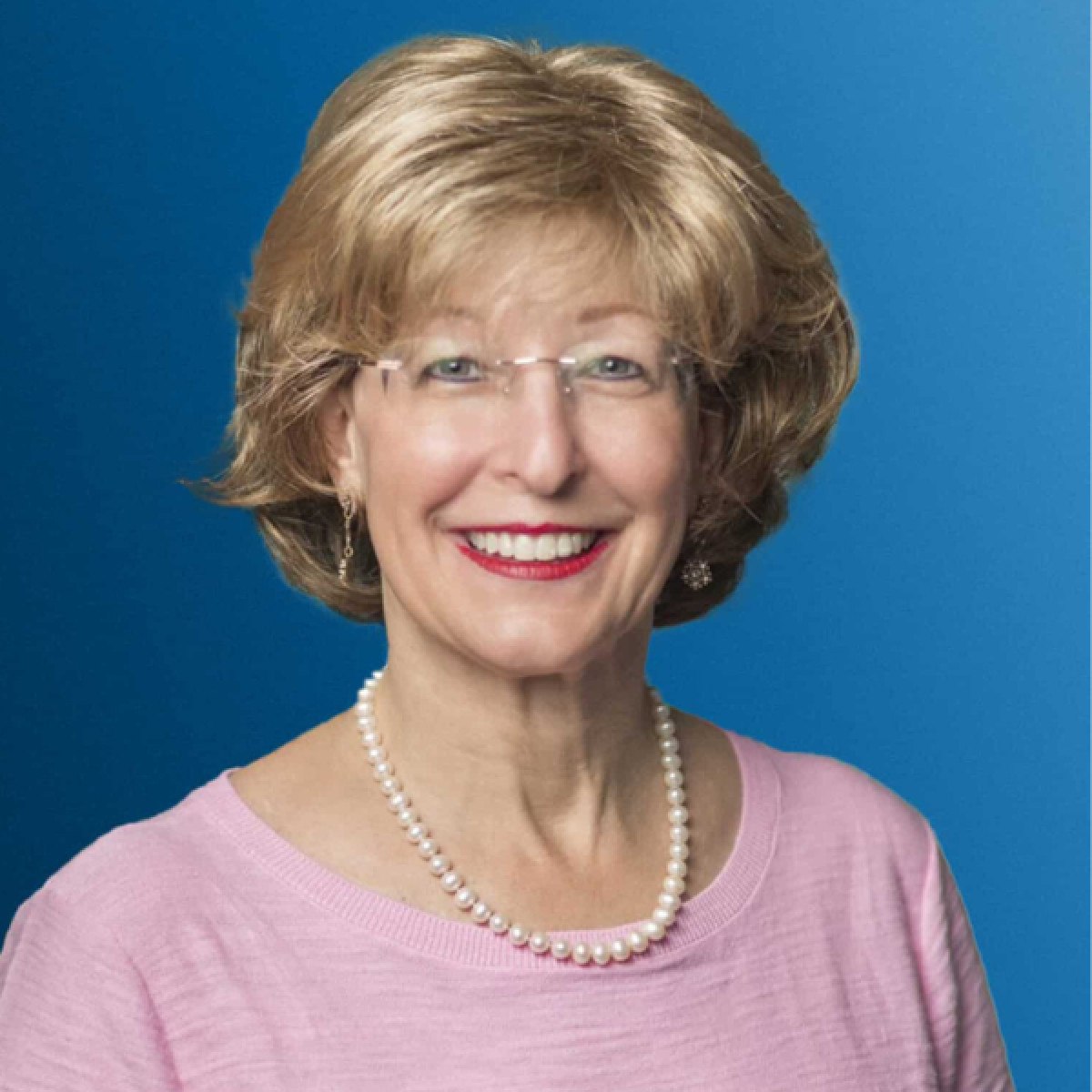
Bonnie Glick – Former Deputy Administrator of the U.S. Agency for International Development (First Trump administration, 2019 – 2020)
Bonnie Glick
Trump's action in Venezuela should put dictators in the hemisphere and around the world on notice. There are legal consequences for illegal actions as the Maduros will find out. Many are wondering if there will be further actions taken against leaders of global terrorist organizations and illegitimate rulers of sovereign nations. There is no doubt that leaders in Russia, Iran, Gaza, Ramallah, Cuba, and Nicaragua are sleeping less easily at night.
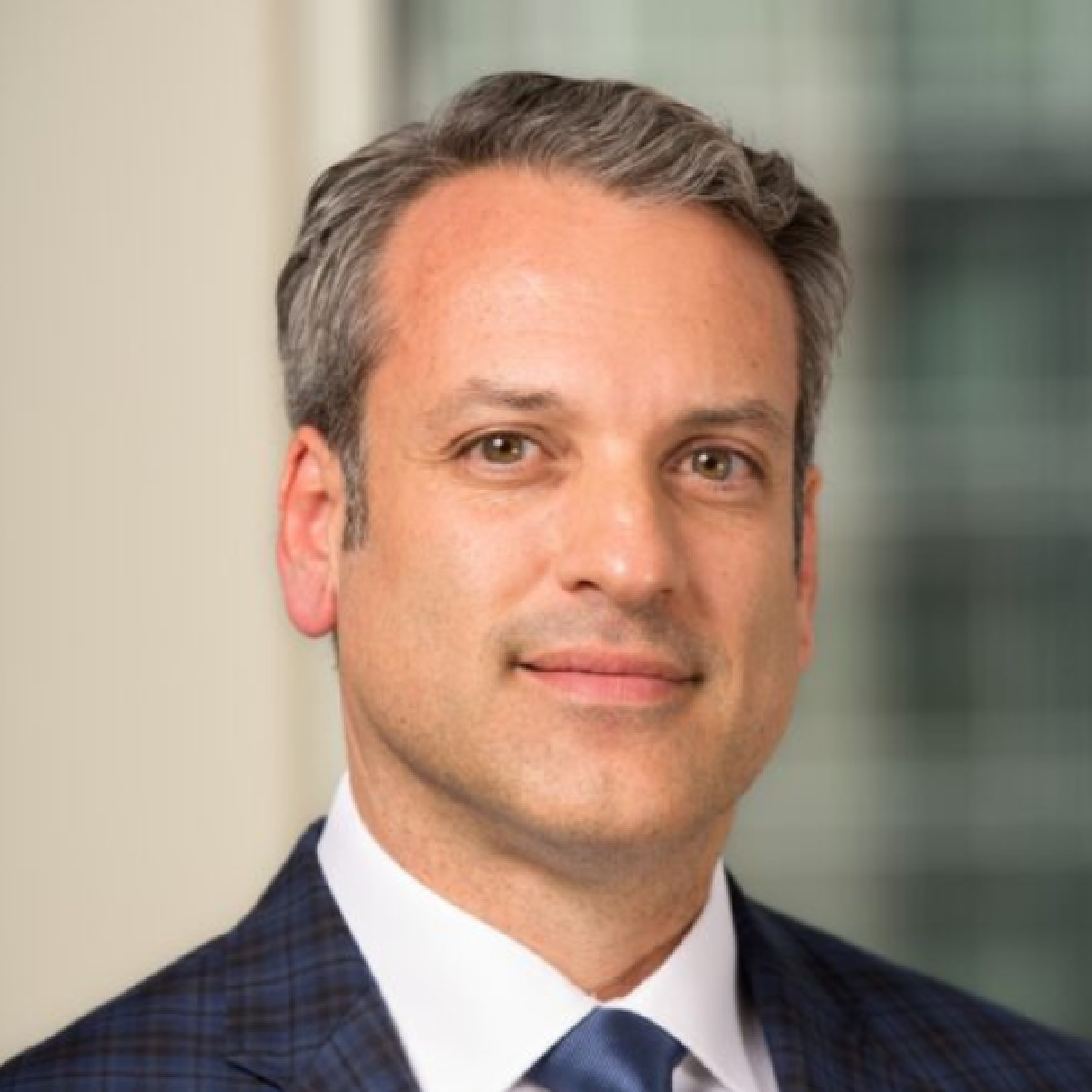
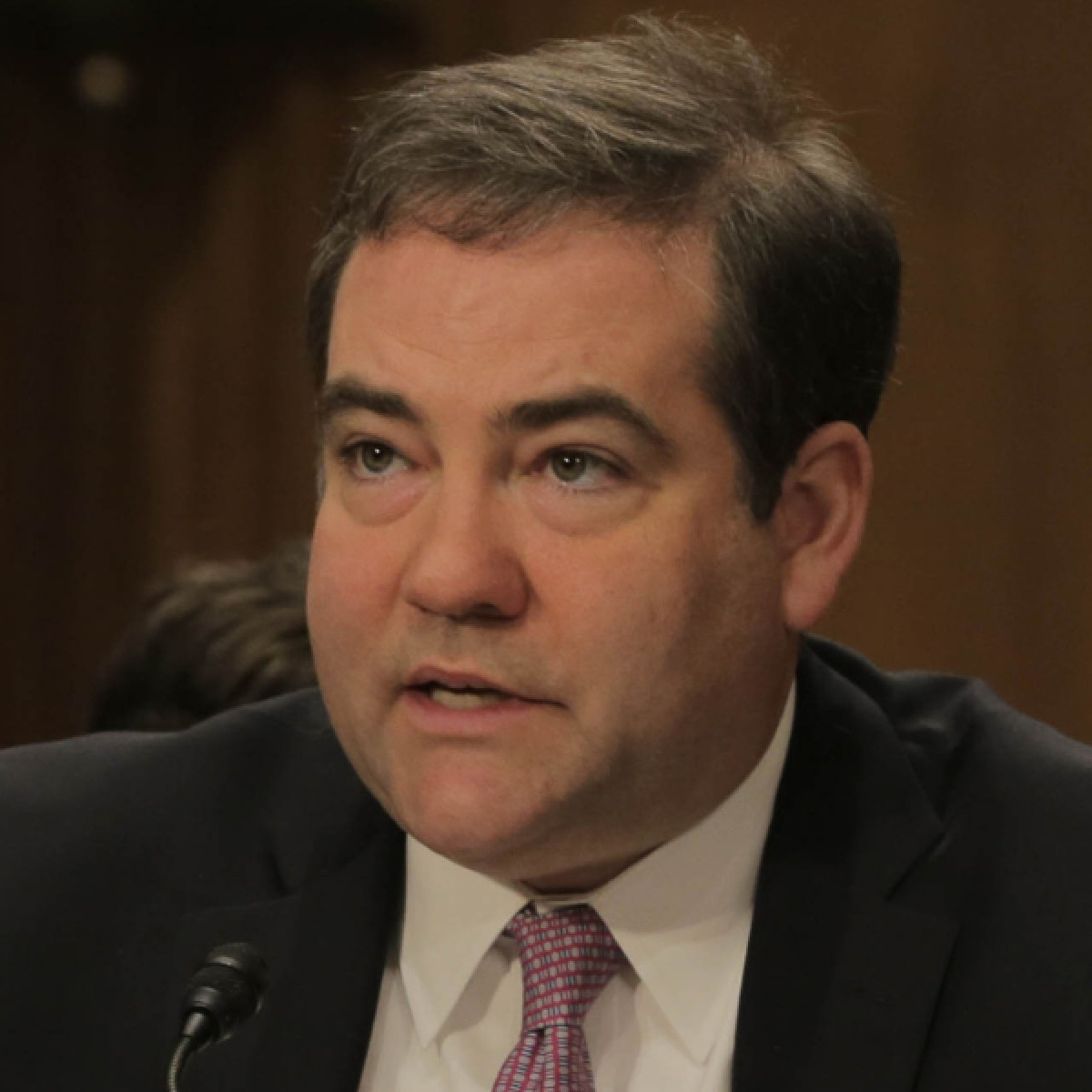
Ian Vásquez – Vice President for International Studies, Director of the Center for Global Liberty and Prosperity, and David Boaz Chair at the Cato Institute
Ian Vásquez
Trump or other administration officials have said that the operation was to remove an indicted narco-terrorist and not the beginning of a nation-building exercise; that the U.S. is "running" Venezuela and that military occupation is an option; that the U.S. will oversee economic recuperation and the rebuilding of infrastructure; that U.S. access to oil is a priority; and that, contrary to the reality, the leader of the legitimately elected opposition, Maria Corina Machado, has no support or respect among Venezuelans.
Trump has also said that the U.S. would work toward a transition, though no timeline was specified, and that until then, it would work with the regime. The dictatorship has been decapitated, but it continues its repressive rule. That arrangement is unsustainable because the regime lacks legitimacy and credibility. The people still in charge in Venezuela—acting president Delcy Rodríguez, Minister of Interior Diosdado Cabello, and Minister of Defense Vladimir Padrino López—are all true believers in socialism and have been key members of the regime’s apparatus of brutal repression.
We should expect the regime to do as little as possible to comply with Washington’s demands and as much as possible to remain in power. To the extent that a transition to democracy does come closer to becoming a reality, we should not expect that Cabello or Padrino López—who have the guns, are indicted by the U.S., and have blood on their hands—will peacefully wait for that to happen. The situation is unstable, unpredictable, and not ideal for foreign investment or growth.
A far better path is for the U.S. to work with Machado and her team on a transition. Unlike any other political leaders, they enjoy overwhelming support and legitimacy. They also have well thought-out plans for the transition and a comprehensive reform agenda, including privatizing the oil monopoly, that would go a long way in effectively accomplishing major U.S. foreign policy goals.
Dan Runde – Senior Adviser, Center for Strategic and International Studies. (Runde was awarded the Officer's Cross in the Order of Isabel la Católica (Orden de Isabel la Católica) in 2017)
Dan Runde
Venezuela used to be wealthier than the likes of Chile 40 years ago, and was a stable place. Now, it is a partner to Russia, China, Iran, and of course, Cuba. Thanks to President Trump, Venezuela can rebuild not only its economy, but also its civil society organizations, as well as its democratic institutions.
Many U.S. allies in Latin America – like Argentina – support this and President Trump’s action. It is only the likes of Nicaragua and Cuba that are truly outraged by this. It is no accident that Maduro’s bodyguards were Cuban, likely intelligence officers.
China finds itself in a tough spot losing oil access and being owed money by the Maduro regime. If China wants to invade Taiwan, it needs easy large-scale oil access like Venezuela provided it.
The Department of State will largely run point on the next steps of working towards democracy and normalizing ties with Venezuela. However, no doubt there will also be an interagency effort in support of the State Department.
As for Spain and Venezuela, it is my hope that Spain leverages its significant influence on this issue within Europe towards a positive outcome. Hopefully Spain’s actions in the coming days, weeks, and months, particularly in international fora will reflect greater support for a more hopeful future for the Venezuelan people.
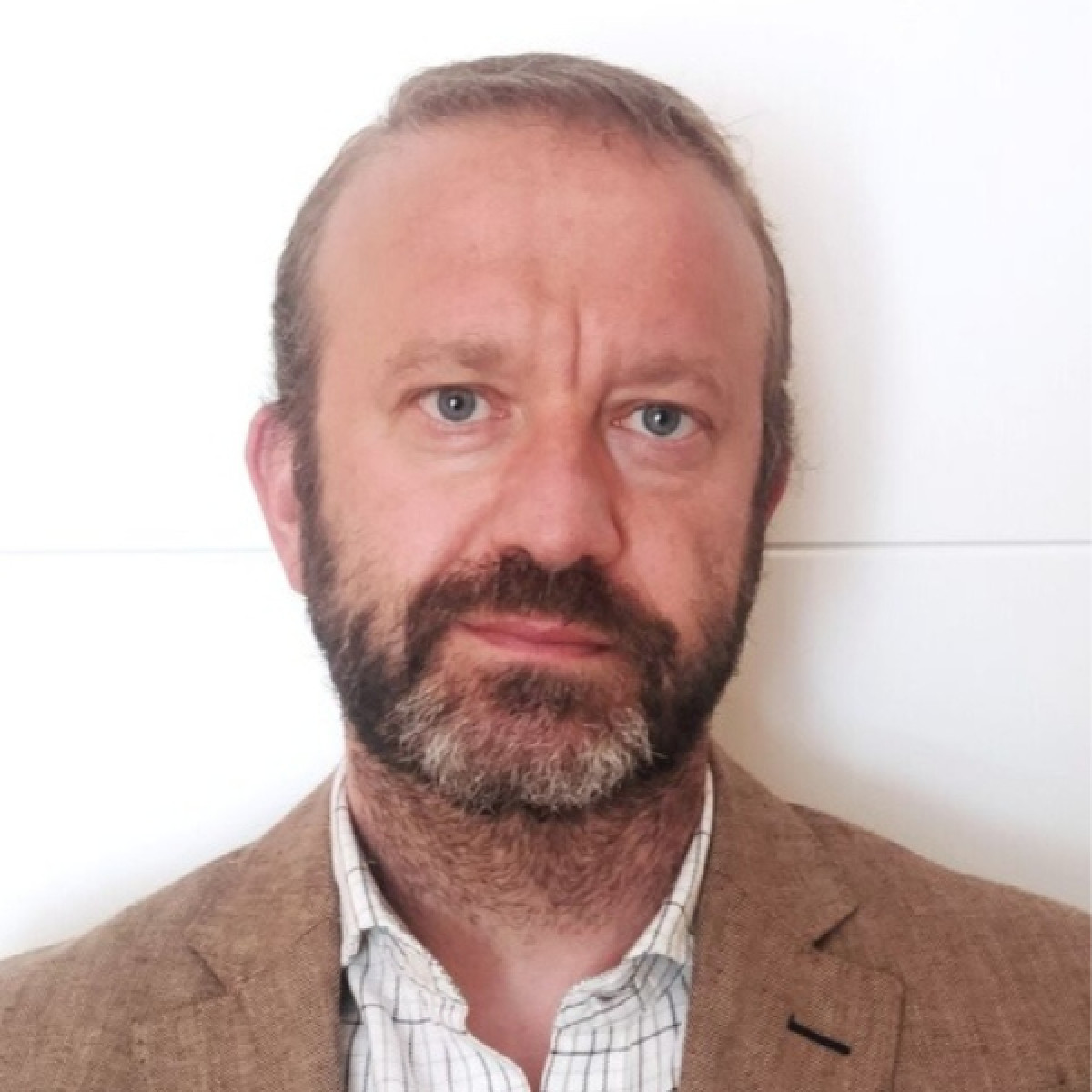
Juan Luis Manfredi, Ph.D. – Professor of Journalism and International Affairs, University of Castilla-La Mancha
Juan Luis Manfredi
The intervention in Venezuela has consequences for the region. It remains to be seen what the electoral effects will be in Colombia, Brazil, Costa Rica, and Peru, with electoral processes in 2026, as well as in the November midterm elections in the United States. By the end of the year, we could have a geoeconomic corridor from Greenland to Patagonia, a strong vertical power oriented toward the creation of wealth based on natural resources, infrastructure, and ports. The model is not necessarily authoritarian, but it does seem evident that it decouples the development of a liberal democracy from economic and industrial activity.
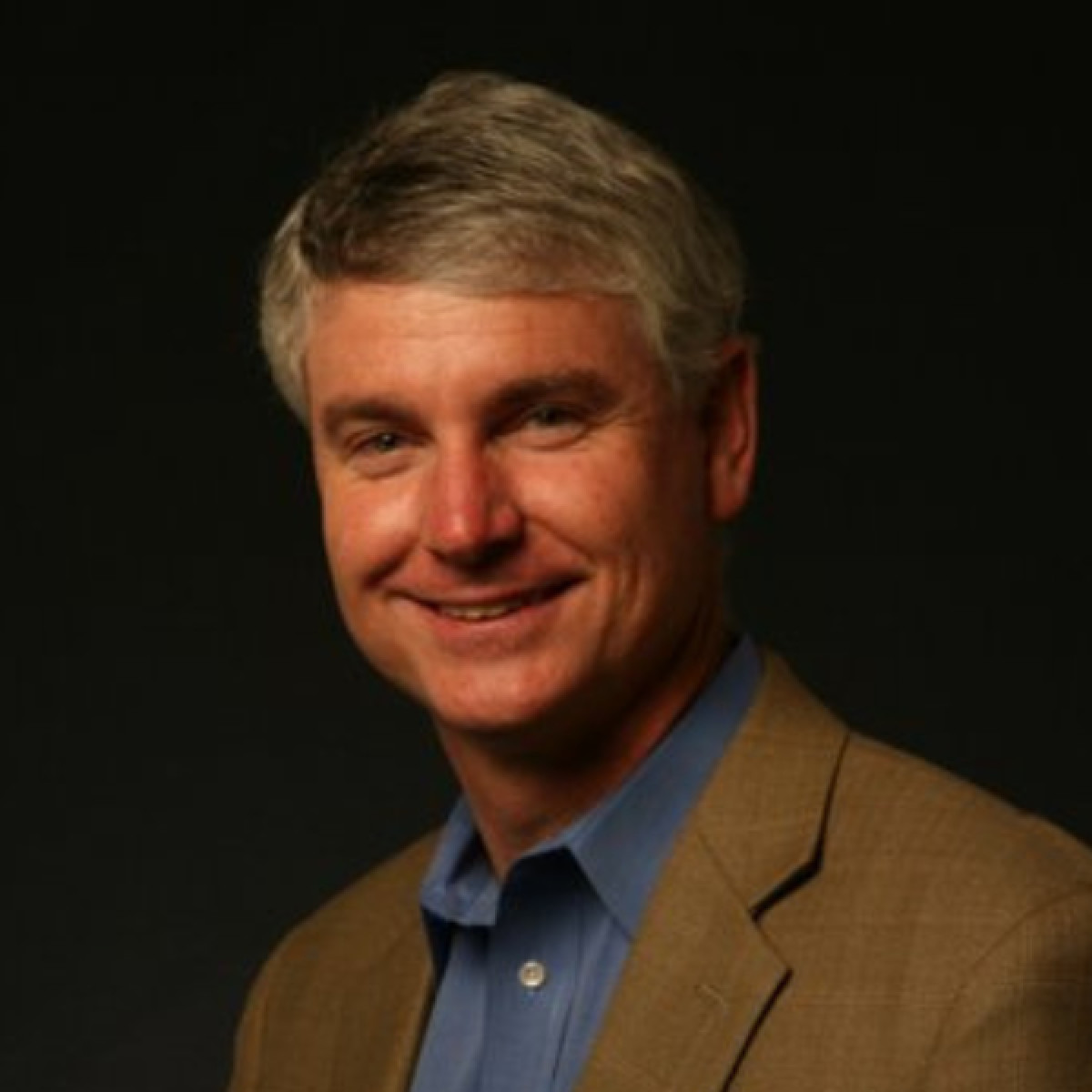
Mike Tierney, Ph.D. – Hylton Professor of Government and International Relations and Director, Global Research Institute at The College of William & Mary in Virginia
Mike Tierney
First, China was already in a difficult position before the U.S. intervention in Venezuela -- Over the past 20 years, AidData estimates that China had lent over $100 billion dollars to Venezuela for a variety of large infrastructure projects, including some in the energy sector. After U.S. sanctions started to bite, Venezuela struggled to service its debts to China (and other creditors). In late 2017, Venezuela defaulted. Once Venezuela could no longer service its debt in dollars, it focused on repaying China directly with oil shipments. What was difficult before the U.S. intervention has become near impossible as the U.S. government now limits the flow of Venezuelan oil through a blockade and via a new scheme to deposit proceeds from the sale of Venezuelan oil into accounts controlled by the U.S. government. While China’s need for oil is not as great as it once was, it's not obvious how Venezuela will be able service its debt without cooperation from the United States. While China is often first in line for repayment of debts from developing countries, this is no longer the case.
Second, the larger and longer-term effects of the attacks on Venezuelan boats, the capture of Maduro, and the continued threatened use of force will accelerate the loss of trust that the United States has enjoyed among America’s traditional allies. The Netherlands recently reduced cooperation with the U.S. government on drug trafficking in the Caribbean, and the UK suspended some intelligence sharing with the U.S. over the previous boat strikes. But these are likely the tip of a much larger iceberg. The tectonic shift in U.S.-European relations was already underway when the U.S. attacked Venezuela. Cuts to U.S. support for Ukraine, rhetoric questioning the U.S. commitment to the defense of Europe, and ongoing rhetoric about "owning Greenland" are now seen in a much darker light, given U.S. action in Venezuela. Trust is key to cooperation in international relations, and European governments are increasingly skeptical that the U.S. will fulfill its commitments. As Europeans reduce their reliance on the United States and go their own way on more and more issues, the U.S. will likely suffer the consequences of not benefiting from reliable allies when the chips are down.
Tom Sheehy – Former Staff Director of the U.S. House Foreign Affairs Committee in the U.S. House of Representatives from 2013-2019
Tom Sheehy
One area for Congress to examine is the role of the State Department. Over decades, the Department has been perceived as weak and subservient to the Pentagon. Even military leaders have decried this situation, which has not served the United States well. The administration reportedly is considering opening an embassy in Caracas, shuttered in 2019. It should, now. An empowered and well-staffed ambassador managing the administration’s ambitious agenda is essential. These challenges cannot be effectively managed from Washington.
Agree or not, the intervention has been made. All should agree now that Congress and the State Department must play central roles as developments evolve.
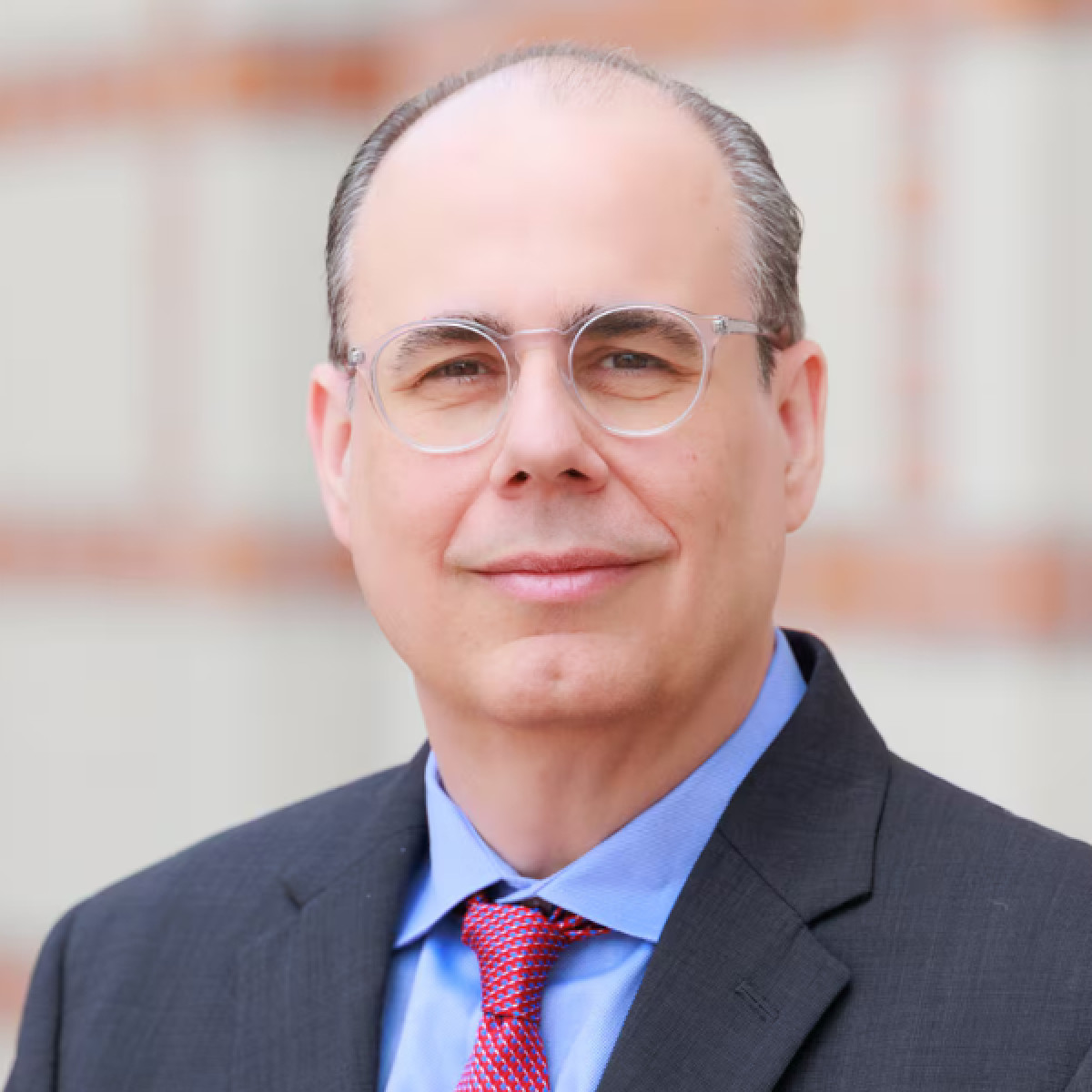
Francisco Monaldi, Ph.D. – Director of the Latin American Energy Program, Rice University’s Baker Institute
Francisco Monaldi
Geology is not Venezuela’s problem. The country possesses vast reserves, faces relatively low geological risks, and enjoys moderate extraction costs. Under an appropriate contractual and tax regime, oil production would be profitable even at prices as low as $25–30 per barrel.
Over the past quarter century of Chavismo in power, the Venezuelan state has repeatedly reneged on its agreements with foreign investors. The national oil company, PDVSA, is now effectively bankrupt and lacks the operational and financial capacity to lead a recovery on its own. Any significant increase in production would therefore have to be driven largely by foreign firms.
For that to happen, several conditions must align. Venezuela would need stable and constructive relations with the United States and Europe, along with the permanent removal of oil sanctions. Investors would also need to perceive a minimum degree of political stability and, critically, a durable consensus among the country’s political leadership in favor of reopening the oil sector to foreign participation. Finally, a credible and competitive legal framework would need to be approved by a legitimate legislature and enforced by a legitimate executive.
Additionally, sanctions relief is necessary but far from sufficient. Without firm legal protections, policy continuity, and political legitimacy, large-scale investments will not materialize.
In the absence of genuine institutional change, Venezuela may still attract limited "low-hanging fruit" investments—projects with high short-term returns and fast cost recovery. Major projects requiring substantial capital and long maturities will remain out of reach.
The central problem facing Venezuela’s oil sector is therefore not technical or geological. It is political and institutional. A meaningful recovery is possible, but only if it is grounded in durable political change, credible institutions, and a long-term commitment to restoring investor confidence.
Albert "Jim" Marckwardt, Ph.D. - Faculty Co-Lead, The Americas, Johns Hopkins University School of Advanced International Studies (SAIS)
Albert "Jim" Marckwardt
Maduro was never the regime—only its figurehead at a given moment. The regime itself remains firmly in control, with Delcy Rodríguez now at the center, and with state institutions continuing to rely on colectivos, as we saw again on [the night of] Monday, [January 5th], to intimidate the public. However, the Trump administration now has more leverage than it did before to push toward a negotiated political settlement—one that will require dealing with the current power holders and the opposition.
The administration is correct in saying it must work with Delcy Rodríguez. Even though María Corina Machado enjoys overwhelming support from the Venezuelan public, as demonstrated in two different elections, she still does not have the backing of those who control the levers of power inside the regime. But she must also be part of any negotiation, because she retains a powerful trump card; the ability to mobilize mass public protests if she feels the opposition is sidelined. So far, she has asked Venezuelans to hold back. If that changes, the regime would likely respond with colectivos and the military, triggering human rights abuses and repression that could force Trumps hand in recalibrating and leaning more heavily toward the opposition. We have seen something similar before. Zelensky, after being sidelined early on, was able to rally European support in a way that ultimately forced Trump to take Ukraine’s needs more seriously.
Delcy Rodríguez and the regime must also take into account that the Trump administration could further escalate, including through targeted drone strikes or even an air and bombing campaign. However, despite its rhetoric, the administration does not necessarily have the political will—especially given a midterm election year—to occupy Venezuela. As a result, Venezuela now sits at a familiar inflection point, where internal mobilization and international leverage could once again converge to reshape the negotiation space.
America First Policy Institute (AFPI) – AFPI directed Agenda Pública to an official statement, which they shared with the public after the capture of Maduro
America First Policy Institute
"President Trump and his Administration are the first to truly fight the war on drugs. Thanks to strong, America First leadership, the mission to protect our citizens and end the rule of narco-terrorist regimes has begun in earnest. Thank you, President Trump, for your unwavering leadership and for putting America, and the safety of her people, FIRST."
J. P. Carroll
Analista en Washington D. C. y columinsta de 'Agenda Pública'
MBA Internacional de IE Business School. Máster en Estudios Profesionales (MPS) en Relaciones Públicas y Comunicaciones Corporativas de la Universidad de Georgetown. Es el exdirector adjunto de Medios Hispanos del Comité Nacional Republicano (RNC). J.P. vive en el área de Washington, D. C.
Ahora en portada
16 de octubre de 2026
16 de octubre de 2026
16 de octubre de 2026
Lo más leído