Lunes, 26 de octubre de 2026




STRATEGIC AUTONOMY
To succeed, the EU's Single Market must deliver on the 'Freedom to stay'
The free movement of people—one of the cornerstones of the EU's Single Market—has brought real benefits, but also some overlooked downsides for both countries of origin and destination. Catherine Barnard, Professor of European Law at Cambridge, draws on the Letta report's call for a 'freedom to stay' to argue that the EU must live up to its promise of shared prosperity for all its citizens.
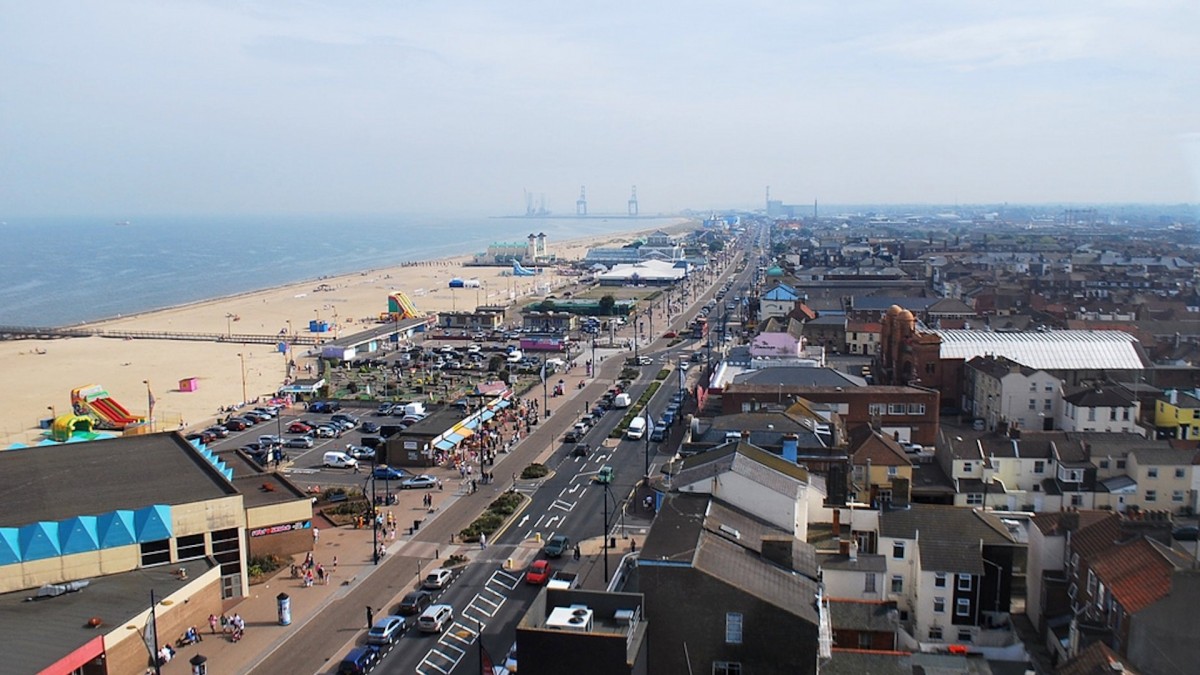
Great Yarmouth was once a major holiday destination in the UK, but its local economy began to decline—coinciding with increased immigration from other parts of the EU.Wikimedia Commons / Norfolkadam
For over 70 years, the EU has been pushing the freedom of movement of goods, persons, services, and capital. Moving has always been seen as better than staying. And free movement has generally been considered a huge success. Take free movement of persons. People have been able to move to get jobs when faced with unemployment in their own countries, take up opportunities that are not available in their own countries, and develop their language and other skills. For many in higher level jobs, it has fostered their sense of Europeanness. For the receiving country, free movement has been regarded as a boon: more skilled labour arriving at the higher end, and lower skilled labour to fill jobs in sectors that locals are not keen on. Free movement has long been presented in the political narrative as a win-win.
In many ways, the town is physically and metaphorically divided. The migrant community mainly live in particular districts (wards); local Portuguese cafés are used by the Portuguese population and not by locals. There is resentment in the town about the fact that migrant groups generally speak very poor English. Some say that the areas lived in by the migrant communities are no-go areas for locals, a theme picked up by Great Yarmouth's recently elected Reform MP, Rupert Lowe, who often talks about migrant gangs threatening local women. His view reflects some of the local attitudes.
Great Yarmouth is not unique in this experience. Other towns with a high vote to leave, such as Boston and Spalding in Lincolnshire, also have divided communities. Similar experiences are beginning to be felt in Germany and elsewhere, although often with extra-EU migration.
The implications of free movement —both good and bad— are also being seen in the academic literature. We have recently published a book (Low-Paid EU Migrant Workers) looking at the issues concerning EU migration to a receiving town such as Great Yarmouth. Others have looked at movement from the perspective of those countries such as Croatia which have suffered a brain drain.
So it is encouraging to see Letta acknowledge "The Single Market must fulfil its promises of shared prosperity". He recognises that "The Single Market should empower citizens rather than create circumstances where they feel compelled to relocate in order to thrive" and that "High quality jobs must be available for individuals who wish to contribute to the development of their local communities. Free movement is a valuable asset, but it should be a choice, not a necessity."
To succeed, the Single Market must fulfil its promises of shared prosperity. We must strive to continue securing the free movement of people but also ensure a freedom to stay. Freedom to move and freedom to stay are two sides of the same coin, two mutually reinforcing pillars of European integration, and must be developed together. As expressed by Jacques Delors, "each citizen should be able to control their destiny". The objectives of the Single Market should align with the freedom of movement as well as the freedom to stay in the community of one’s choice. Accessible, affordable, and adaptable Services of General Interest (SGI) across all EU regions are crucial for ensuring the freedom to stay, necessitating an Action Plan for high-quality SGIs in Europe. In addition, social economy businesses are pivotal in fostering proximity and the sustainable development of territories.


"In certain deprived parts of the UK, free movement is considered as a way of weakening local communities, undermining local identity and taking jobs, housing and other opportunities from locals"However, on the ground, in certain deprived parts of the UK, free movement is not seen through such rose-tinted spectacles. It is considered as a way of weakening local communities, undermining local identity and taking jobs, housing and other opportunities from locals. This is the experience of those living in Great Yarmouth, the deprived seaside town in the East of England which had the fifth highest vote to leave the EU in the 2016 Brexit referendum. Approximately one in four of the local population in the central areas of Great Yarmouth are EU migrant workers, mainly from Portugal, Lithuania, Latvia, Poland and more recently Romania. They came to Great Yarmouth for work, mainly in chicken factories and in local farms; they live in the cheap accommodation, accommodation in poor quality houses which once served the booming tourist industry back in the 19th century, but which have since largely fallen into repair.
In many ways, the town is physically and metaphorically divided. The migrant community mainly live in particular districts (wards); local Portuguese cafés are used by the Portuguese population and not by locals. There is resentment in the town about the fact that migrant groups generally speak very poor English. Some say that the areas lived in by the migrant communities are no-go areas for locals, a theme picked up by Great Yarmouth's recently elected Reform MP, Rupert Lowe, who often talks about migrant gangs threatening local women. His view reflects some of the local attitudes.
I asked a number of questions in January on the Pakistani rape gangs, I have received precisely zero satisfactory answers from Labour.
— Rupert Lowe MP (@RupertLowe10) April 8, 2025
I was warned over my language following this contribution - I stand by every single word said.
The cover up continues. pic.twitter.com/UmoHwb8znV
Great Yarmouth is not unique in this experience. Other towns with a high vote to leave, such as Boston and Spalding in Lincolnshire, also have divided communities. Similar experiences are beginning to be felt in Germany and elsewhere, although often with extra-EU migration.
"Free movement is a valuable asset, but it should be a choice, not a necessity"It is therefore rather noteworthy to see a discussion about the freedom to stay in the Letta report. He says: "We must strive to continue securing the free movement of people but also ensure a freedom to stay. Freedom to move and freedom to stay are two sides of the same coin, two mutually reinforcing pillars of European integration, and must be developed together." This is the first public recognition that free movement is not an unqualified success, and that it can have serious implications both for sending towns and receiving towns.
The implications of free movement —both good and bad— are also being seen in the academic literature. We have recently published a book (Low-Paid EU Migrant Workers) looking at the issues concerning EU migration to a receiving town such as Great Yarmouth. Others have looked at movement from the perspective of those countries such as Croatia which have suffered a brain drain.
So it is encouraging to see Letta acknowledge "The Single Market must fulfil its promises of shared prosperity". He recognises that "The Single Market should empower citizens rather than create circumstances where they feel compelled to relocate in order to thrive" and that "High quality jobs must be available for individuals who wish to contribute to the development of their local communities. Free movement is a valuable asset, but it should be a choice, not a necessity."
"To succeed, the Single Market must fulfil its promises of shared prosperity"This brings me to the question of accommodation: the lack of it and its price, a problem exacerbated by the rise of Airbnb. The protests in Barcelona and elsewhere show the growing disquiet. The Economist recently said, "The biggest public policy problem facing much of the West is a lack of housebuilding, not a rise in migration." For Letta, "An important problem is housing affordability which endangers the freedom to stay also in receiving areas, not just in the areas that face depopulation. Many cities and regions across the EU are facing a severe shortage of affordable housing." He concludes "While housing policy falls within the purview of Member States, the EU possesses a range of instruments and policies that have a direct or indirect impact on the housing markets across the EU. There is a need to revise these different EU rules and tools to make sure that they incentivise socially inclusive and sustainable housing systems, rather than exacerbate the current housing crisis." Hear, hear to that. But with the current geopolitical situation, is there the appetite or the money to deliver?
To succeed, the Single Market must fulfil its promises of shared prosperity. We must strive to continue securing the free movement of people but also ensure a freedom to stay. Freedom to move and freedom to stay are two sides of the same coin, two mutually reinforcing pillars of European integration, and must be developed together. As expressed by Jacques Delors, "each citizen should be able to control their destiny". The objectives of the Single Market should align with the freedom of movement as well as the freedom to stay in the community of one’s choice. Accessible, affordable, and adaptable Services of General Interest (SGI) across all EU regions are crucial for ensuring the freedom to stay, necessitating an Action Plan for high-quality SGIs in Europe. In addition, social economy businesses are pivotal in fostering proximity and the sustainable development of territories.
En colaboración con:
Con el apoyo de:

Catherine Barnard
Catedrática de Derecho de la Unión Europea y del Trabajo en la Universidad de Cambridge
Catherine Barnard es catedrática de Derecho de la Unión Europea y del Trabajo en la Universidad de Cambridge desde 2008 y Senior Tutor en Trinity College, donde es fellow desde 1996. Está especializada en derecho de la UE, laboral y de la competencia.
Ahora en portada
26 de octubre de 2026
26 de octubre de 2026
26 de octubre de 2026
Noticias relacionadas
Hace 85 semanas
La hipérbole constante: ¿qué hay detrás del acuerdo del Gobierno y Junts sobre inmigración?
Hace 90 semanas